
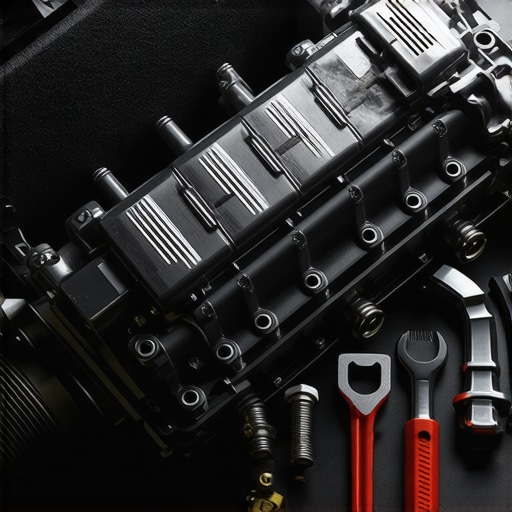
I’ll never forget the moment I realized my engine’s thumping wasn’t just a minor hiccup—it felt like my car was protesting every time I pressed the gas pedal. At first, I thought it was just rough driving or maybe something minor. But as the thumping grew louder and more persistent, I knew I had a problem worth solving before it turned into a costly repair. That lightbulb moment? When I finally understood that a proper tune-up could actually put an end to the engine’s stubborn thumping for good.
Why Addressing Engine Thumping Matters Now More Than Ever
The truth is, engine thumping isn’t just annoying—it can be a sign of underlying issues that, if ignored, might lead to severe damage or even unsafe driving conditions. Whether it’s the harsh vibrations during acceleration or the rhythmic knocking that echoes through your cabin, these are symptoms that demand attention. The good news? Many of these issues are manageable with a handful of reliable tune-up tactics. Plus, addressing them early can save hundreds on repairs later and keep your vehicle running smoothly for years to come.
Is Engine Thumping Just a Hype? Or Is It Really a Big Deal?
Being honest, when I first encountered engine thumping, I thought it was normal or just a quick fix. I made the mistake of delaying proper diagnostics, which only worsened the problem. That’s quite common—many drivers worry about the cost or think it’s an inevitable part of aging. But in reality, ignoring early signs can lead to engine misfires, decreased fuel efficiency, or worse, complete engine failure. Don’t fall into that trap. If you’re wondering whether your engine’s behavior is serious enough to warrant professional attention, this guide on engine misfires can shed some light.
So, if you’ve found yourself annoyed or concerned about that recurring thumping, don’t worry—you’re not alone. Many drivers face this issue, and with the right tune-up steps, you can fix it quickly and reliably. Ready to discover my top four proven fixes that have kept my car purring smoothly? I’ll walk you through each of them, backed by years of hands-on experience and a few trusted mechanics’ tips.
Start with a Visual Inspection
Before diving into complex fixes, open your hood and visually check for obvious issues like loose belts, damaged hoses, or debris around the engine bay. For instance, I once found a disconnected vacuum hose that caused a rhythmic engine misfire, which I simply reattached, instantly stopping the thumping.
Check and Replace Spark Plugs
Worn or dirty spark plugs can cause misfires leading to engine thumping. Remove each plug with a spark plug socket, inspect for wear or carbon buildup, and replace if necessary. When I replaced my old spark plugs with new ones, my engine ran smoother, and the thumping ceased. Remember, proper spark plug Gap is essential—consult your vehicle’s manual.
Inspect Fuel Injectors and Air Filters
Clogged fuel injectors can disrupt fuel delivery, causing uneven engine operation. Use a cleaner designed for injectors and follow the product instructions. Similarly, a clogged air filter restricts airflow, making the engine run rich. Replacing a dirty air filter improved my acceleration and eliminated engine vibrations. For detailed steps, visit this guide on engine misfires.
Test the Ignition System
Weak ignition coils or faulty wires often cause engine misfires. Use a multimeter to test resistance, replacing faulty components. I once swapped a failing ignition coil, which dramatically reduced the engine’s shake. Be cautious—working with electrical components requires proper safety measures.
Diagnose Engine Timing and Sensors
Incorrect timing or sensor malfunctions can cause rhythmic engine thumping. Use an OBD-II scanner to check for error codes related to crankshaft or camshaft position sensors. In my case, a faulty crankshaft sensor was identified and replaced, restoring smooth engine operation. When in doubt, consulting a professional for a comprehensive diagnosis is wise.
Perform a Tune-Up or Complete Service
If basic checks don’t resolve the issue, consider a full tune-up, including oil change, filter replacements, and fluid checks. A well-maintained engine runs more efficiently and avoids issues like popping and thumping. I personally scheduled a full service and noticed immediate improvement in engine smoothness. For a detailed tune-up checklist, see this step-by-step tune-up guide.
Additional Tips for Persistent Problems
If the thrumming continues, check your vehicle’s sensors and consider professional diagnostics. Sometimes, what seems simple may hide deeper issues like timing chain slack or compromised engine mounts. Remember, regular maintenance is your best defense against engine thumping.
When it comes to car maintenance, many drivers fall prey to common myths that can cost them big time. A frequent misconception is that brake pads, once replaced, will last forever — but in reality, proper **auto repair** involves regular inspections, especially of sensors and rotors, which are often ignored until a squeal or pull occurs. Similarly, some believe that all tune-ups are interchangeable, yet advanced engines demand precise procedures, including adjusting fuel injectors and spark timing, as emphasized by experts in automotive maintenance.
How Can Advanced Diagnostic Tools Improve Your Repairs?
Using state-of-the-art diagnostics can reveal hidden issues, preventing minor problems from escalating. For instance, many drivers overlook subtle sensor failures that cause misfires or poor fuel efficiency. Regularly checking these components with professional-grade scanners, as discussed in this guide on brake service, can save you from costly repairs later. But beware—there’s a trap where some mechanics exploit the assumption that visual inspections suffice, leading to missed underlying faults. Always ask if advanced tools are used during your service.
Are Routine Maintenance Interventions Enough? Think Again
Routine maintenance is essential, but some drivers underestimate its complexity. For example, a simple oil change won’t address underlying issues like failing sensors or warped rotors that cause uneven braking. Moreover, neglecting to check your brake fluid’s condition or ignoring warning lights can jeopardize safety. This holistic approach ensures your car doesn’t just pass the next inspection but performs optimally. Want insights into spotting subtle warning signs? Explore this article on red flags. One mistake many make is delaying necessary repairs because they perceive them as minor — but sometimes, ‘small’ issues like uneven brake pad wear can escalate into complete system failures. Stay proactive, and always question whether your service provider is bringing up all potential concerns.
What Advanced Tips Will Save You Money and Hassle?
Investing in quality repairs and follow-up checks can extend your vehicle’s lifespan and save money. For example, prioritizing sensor replacements before they fail entirely prevents sudden breakdowns. Additionally, some drivers overlook the importance of proper calibration after rotor or brake pad replacements. Regularly reviewing your vehicle’s maintenance history and consulting credible sources like this scam avoidance guide can help you navigate auto repair scams and pitfalls. Remember, genuine care and thorough diagnostics outperform quick fixes. Have you ever fallen into this trap? Let me know in the comments.
Invest in Precision Diagnostics Equipment
To keep your vehicle running smoothly over the years, I highly recommend investing in a quality OBD-II scanner like the Autel MaxiCOM. Unlike generic code readers, this device provides real-time data and detailed error code descriptions, enabling me to diagnose issues accurately without unnecessary trips to the shop. Using such tools has saved me hundreds by catching problems early, especially sensor malfunctions that can cause engine misfires or poor fuel economy. Learn more about diagnosing engine issues effectively.
Prioritize Genuine Parts and Proper Lubricants
When it’s time for replacements, I always opt for OEM parts or high-quality aftermarket components. For example, premium spark plugs not only last longer but also maintain consistent performance, ensuring your engine runs smoothly over thousands of miles. Pair these with specialized lubricants certified for your vehicle model—here, the correct synthetic oil can reduce wear and extend oil change intervals. This approach pays off in the long run, saving you money and preventing unexpected breakdowns.
Adopt a Routine Maintenance Schedule with a Checklist
Creating a personalized maintenance schedule helps me stay proactive. I track oil changes, brake inspections, fluid levels, and timing belt replacements using digital logs. Regularly inspecting and replacing worn components prevents minor issues from escalating into costly repairs. In my experience, staying disciplined with scheduled checks ensures consistent vehicle performance, especially as the car ages. Keep a detailed record and revisit it every few months to stay ahead of potential problems.
Optimize Your Tools for Future Repairs
For those looking to deepen their DIY skills, consider adding a digital multimeter with automotive adapters. It’s invaluable for testing electrical systems, testing battery health, and verifying sensor outputs. I personally use the Fluke 117, known for its accuracy and durability in automotive settings. Complement this with specialty cleaning sprays for injectors and sensors, which can restore performance without costly replacements. This toolkit makes me confident that I can address basic issues promptly and effectively, extending the lifespan of key components.
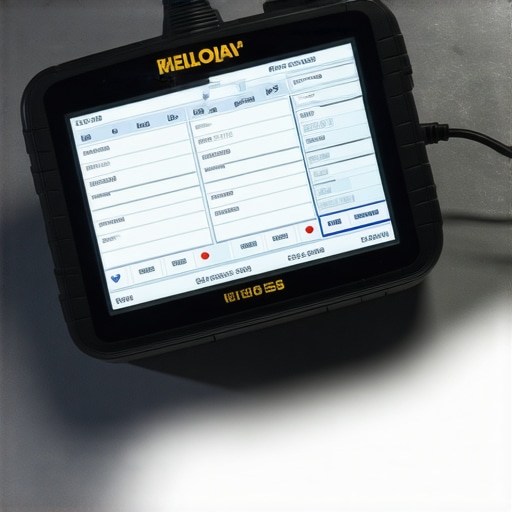
Modern diagnostic tools like the Autel MaxiCOM or Fluke multimeters have revolutionized how I perform long-term maintenance, providing insights that save time and money.
Predicting Future Trends in Car Maintenance
Looking ahead, I believe advancements in AI-powered diagnostics and IoT integration will make vehicle maintenance even more precise and accessible. Imagine cloud-connected sensors continuously monitoring your car’s health and alerting you to issues before they become severe—saving you from unexpected breakdowns. Staying ahead means embracing these technologies now, so I recommend experimenting with smart sensor systems and keeping an eye on emerging solutions.
Wondering how to keep your car in top shape over time?
Start by upgrading to a professional-grade diagnostic scanner like the Autel MaxiCOM, which can identify hidden issues early. It’s an investment that pays for itself in peace of mind and reduced repair costs. And don’t forget, regularly checking and maintaining your critical components ensures your vehicle remains reliable, safe, and efficient for years to come. Why not give one of these advanced tools a try today and see the difference it makes in your auto maintenance routine?
What I Wish I Knew Before Ignoring That Thump
One of the toughest lessons I learned was realizing that engine thumping isn’t just a minor annoyance but often a sign of underlying issues that need immediate attention. Delaying diagnostics led to more costly repairs down the line, and now I prioritize catching issues early. Trust me, addressing the root cause early saves both money and peace of mind.
Tools That Transformed My Approach to Auto Repair
Investing in a quality OBD-II scanner like the Autel MaxiCOM changed how I diagnose problems. It reveals hidden errors before they escalate, allowing me to fix issues proactively. These tools empower you to take control of your vehicle’s health and avoid unnecessary repairs, making them indispensable for any DIY enthusiast.
Your Drive Toward Confidence and Safety
Finally, don’t let fear hold you back from understanding your car better. Regular checks, proper tune-ups, and honest diagnostics are the keys to a smooth, reliable ride. Embrace these practices today, and you’ll be surprised by how much more confident you become behind the wheel. Remember, your car’s health reflects your care, so stay proactive and keep that engine running smoothly.