
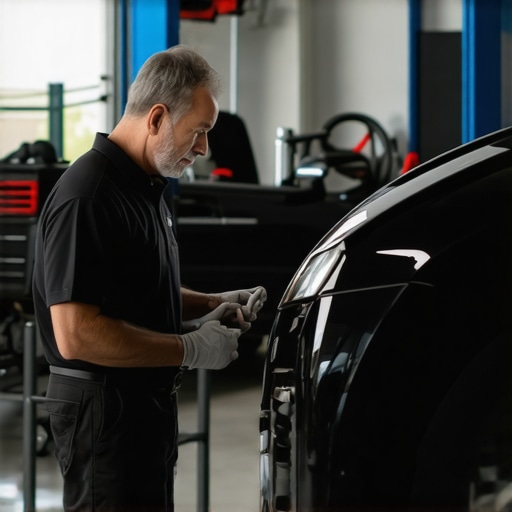
It was a hot summer afternoon when I handed over my beloved sedan for what was supposed to be a quick brake check. Three hours later, I was sitting in the waiting room, anxiety creeping up as I saw the mechanic emerge with a strange smirk. Turns out, I had just paid for unnecessary repairs that cost more than my weekly groceries. That moment was a lightbulb going off in my head—how could I have been so naïve? Since then, I’ve learned to spot the warning signs of a shady mechanic before I hand over my keys. If you’ve ever felt that sinking feeling after leaving the shop, you’re not alone. Today, I promise to share my experience and equip you with the tools to identify a trustworthy mechanic — saving you time, money, and the frustration of being ripped off.
Why Trusting the Wrong Mechanic Can Cost You More Than Money
Most car owners, myself included, think that once you’ve found a mechanic you like, you’re set for years. But what happens if that mechanic isn’t as honest as they seem? The truth is, a bad mechanic can turn a simple repair into a tailspin of recurring problems, wasted money, and even safety hazards. According to a recent survey, nearly 70% of drivers have experienced unnecessary repairs or paying for work they didn’t need, often due to lack of knowledge or trust in their mechanic. That statistic hit home for me—I realized I was at the mercy of whoever looked at my car, and I didn’t even know it.
Is It Really That Easy to Spot a Bad Mechanic?
Early in my car-owning days, I made a mistake I now warn every owner about: assuming that all mechanics who look professional and use fancy equipment are trustworthy. Turns out, I trusted a mechanic based solely on appearances — big garage, nice uniform, a few certifications on the wall. Turns out, those credentials don’t guarantee honesty or quality. The real key is recognizing subtle signs that someone might be more interested in cashing in than fixing your car properly. Over the years, I’ve learned to read between the lines and ask the right questions. Want to avoid my mistakes? Let’s dive into the practical signs that can tell you if your mechanic might be bad news — before you get plowed into unnecessary expenses.
Inspect the Workshop Before Handing Over Your Keys
Visit the garage in person, observe the cleanliness and organization. A cluttered, dirty space can indicate neglect. Talk to the staff directly, gauge their professionalism, and see if they’re willing to answer your questions thoroughly. I once visited a local shop that looked busy but was a mess; I noticed tools scattered and countertops greasy. I decided to step back and find a cleaner, more transparent mechanic, which saved me from future headaches.
Ask Specific Questions About Repairs
Instead of vague inquiries, pose detailed questions. For example, “Can you explain why my brakes are squeaking?” or “What parts do you recommend replacing for my engine’s rough start?” A trustworthy mechanic will provide clear, understandable answers and avoid vague responses like “It’s normal” or “Just a minor issue.” During my last brake service, I asked about rotor thickness, and the mechanic showed me a micrometer reading, ensuring transparency.
Request a Detailed Written Estimate
Before approving repairs, get a written estimate breaking down parts and labor. This prevents hidden fees or unnecessary services. Once, I received a vague quote over the phone, which led to surprise charges. Now, I always insist on a detailed document, which gives me leverage and clarity if disagreements arise. For critical components like brake repairs, check out our article on brake service myths to understand what to look for.
Test Their Knowledge With Common Troubleshooting
Describe your issue precisely and see how they respond. For example, if your car drifts to one side when brakes are not applied, ask, “What could cause this?” A confident mechanic will ask diagnostic questions and suggest potential causes like tire alignment or brake caliper sticking. My own experience involved questioning a mechanic about a persistent steering wobble; a good technician diagnosed uneven tire wear and advised a rotation and alignment, preventing future uneven tire tread problems.
Check for Updated Equipment and Technology
Modern auto repairs benefit from high-tech tools. A mechanic using outdated equipment may not diagnose your vehicle accurately. During a brake pad replacement, I noticed a shop using a digital brake rotor gauge rather than manual tools—this indicated they kept up with trends and invested in quality. Visit auto repair trends for more insights into what standards to expect.
Trust Your Gut and Verify Credentials
Certifications matter but don’t be swayed solely by them. Cross-check online reviews and ask for references if unsure. A mechanic who is confident and transparent will be willing to show certifications. I learned this the hard way when a shop claimed to be factory-certified, but reviews showed repeated issues. Dig deep; your car is valuable, and so is your peace of mind.
Follow Up Post-Service Checks
After repairs, test drive your car and listen for anomalies. For instance, if you hear a high-pitched whistling after a brake service, revisit your mechanic. Check out brake system repairs for common signs of improper work. Regularly scheduled vehicle maintenance helps detect issues early and keeps your car running smoothly.Many car owners operate under misconceptions about service and repairs, often leading to unnecessary costs and overlooked issues. One prevalent myth is that a quick tune-up is a one-size-fits-all fix; in reality, modern vehicles require tailored maintenance plans, incorporating diagnostic data and advanced technology, as outlined in our guide on tune-up strategies. Another common mistake is assuming that higher prices equate to better quality, which isn’t always true; some shops overcharge for parts and labor, trapping customers into paying more for subpar or unnecessary work. Instead, look for transparent estimates and verified certifications. An often-overlooked nuance is the importance of diagnostic timing; subtle symptoms like a slight steering wobble or intermittent noise can be early signs of complex issues such as failing wheel bearings or transmission problems, which, if caught early, save significant money and prevent safety hazards. For example, diagnostics should be approached with the mindset of early detection rather than waiting for total breakdowns, as discussed in troubleshooting tips. Additionally, many believe that brake service is merely about replacing pads, but truly effective brake maintenance involves analyzing brake fluid condition, rotor integrity, and caliper function, which can differ greatly between shops. You can learn more about common brake myths. The secret lies in understanding the realistic lifespan of components and how to identify early warning signs, such as unusual noises or pedal softness. For advanced drivers, considering data from auto repair trends can offer insights into the latest diagnostic tools that improve accuracy. Recognizing these nuances helps you move from reactive to proactive maintenance, ensuring safety, affordability, and optimal vehicle performance. So, next time someone tells you that all repairs are alike or that expensive is always better—remember, there’s more to the story. Have you ever fallen into this trap? Let me know in the comments.
Investing in Reliable Equipment to Keep Your Car Running Smoothly
Maintaining your vehicle over time requires more than just basic knowledge; having the right tools can make all the difference in diagnosing issues early and performing effective repairs. One tool I personally swear by is a high-quality digital multimeter. Not only does it help me accurately measure voltage, current, and resistance, but it also allows me to troubleshoot electrical systems without relying solely on guesswork. For example, when my battery showed signs of weakness, using my multimeter revealed a parasitic drain that was causing it to die prematurely, saving me significant repair costs.
Another indispensable item is a set of mechanic-grade socket wrenches with ratchets and extensions. I prefer a ratchet set from a reputable brand like GearWrench because of its durability and smooth operation. These tools give me access to hard-to-reach bolts and prevent stripped fasteners, especially when working on complex parts like the transmission or suspension components. Troubleshooting vehicle problems at home is much easier with reliable socket sets at your side.
How do I maintain my tools over time to ensure longevity?
Proper maintenance of your garage tools extends their lifespan and ensures accurate diagnostics. I always clean my tools after each use, especially high-torque items like impact wrenches, to prevent rust and corrosion. Regular lubrication of moving parts and storing everything in a dry, organized toolbox also prevent unnecessary wear. When I noticed my multimeter’s readings were inconsistent, I realized the internal probes were corroded; cleaning them with a soft brush restored accurate measurements. Keeping your tools in top condition is essential, especially as automotive technology advances and diagnostic procedures become more sophisticated.
Looking ahead, I predict that the integration of Bluetooth-enabled diagnostics and smart tools will become more commonplace, allowing for quicker troubleshooting and data sharing. Devices that connect directly to smartphones could revolutionize how we maintain our cars, making DIY repairs even more accessible. For now, investing in quality gear like digital multimeters and sturdy socket sets provides a solid foundation for ongoing vehicle health management. If you want to take your maintenance game to the next level, try calibrating your multimeter before your next checkup—it’s a simple step that can save you hours of frustration and ensure you’re getting accurate readings.
What My Mistakes Taught Me About Auto Trust
One of the most valuable lessons I learned was to trust my instincts over appearances. A flashy garage or a cert on the wall doesn’t guarantee honesty. Sometimes, simple signs like disorganized tools or vague explanations reveal more than credentials ever could. Always combine visual cues with asking detailed questions to gauge transparency. My misconception that costly equipment meant better service nearly cost me a lot—it’s a reminder that genuine expertise often shows in how clearly a mechanic communicates, not in their tools.
Tools That Changed the Way I Maintain My Car
Investing in quality diagnostic tools, like a digital multimeter and sturdy socket sets, has empowered me to take control of my vehicle’s health. These tools aren’t just for pros—they’re accessible upgrades that help detect issues early, save money, and build confidence. Using reliable tools, like those discussed in troubleshooting guides, has transformed my approach from reactive to proactive maintenance. I truly believe that having the right equipment is fundamental for any car owner serious about their vehicle’s longevity.
Becoming Your Own Car’s Best Advocate
Learning to ask the right questions and trusting your gut when something feels off can prevent costly mistakes. For instance, challenging vague repair estimates or insisting on detailed explanations ensures transparency. Regularly test-driving your vehicle after service, as shown in brake repair tips, can reveal issues early. Remember, you’re not just a customer—you’re your car’s best advocate. Taking these steps turns a routine visit into an opportunity for better understanding and safer driving.
Insights That Could Save You a Headache
The biggest takeaway? Never assume that appearances or price tags are indicators of quality. Dive deeper—research, ask questions, inspect, and verify. My experience with overpaying for unnecessary repairs taught me to seek second opinions and demand transparency. These lessons aren’t just for me—they’re for anyone eager to protect their wallet and safety. Staying informed about tune-up strategies and industry trends ensures you’re always one step ahead. Remember, a well-informed driver is a safer driver—so stay curious and vigilant.