
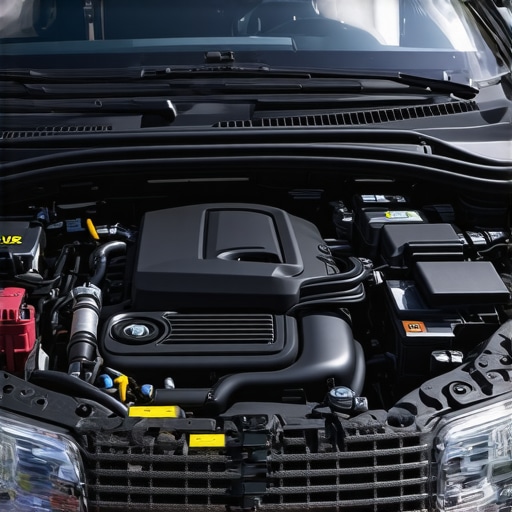
Ever been midway through a road trip or heading to an important appointment when suddenly your car starts to hesitate, sputters, or worse—completely stalls? That sinking feeling in your stomach—that’s when I knew I was in trouble. One day, my trusty old car refused to start after a quick stop at the grocery store. It was a wake-up call that even the most reliable vehicles can have their moments of weakness, often due to something as overlooked as the fuel pump.
In my early years of car ownership, I made the mistake of ignoring subtle signs until they turned into full-blown emergencies. I thought, “It’ll get me to the shop eventually,” but by then, I was stranded on the side of the road in the pouring rain. That experience taught me the importance of recognizing warning signs early. Today, I want to share how you can spot a failing fuel pump before it leaves you stranded on the shoulder or worse.
Why Knowing the Signs Can Save You From Unexpected Breakdown
Understanding the early indicators of a weakening fuel pump isn’t just about avoiding inconvenience; it’s about safeguarding your safety and your wallet. Fuel pumps are crucial—they deliver the gasoline your engine needs to run smoothly. When they start to fail, your vehicle’s performance deteriorates, and suddenly, you’re at risk of being stranded miles from home.
Ignoring small issues can lead to costly repairs. For instance, a faulty fuel pump can cause poor acceleration, engine sputtering, or difficulty starting— symptoms that might seem minor but are signals that your fuel system’s health is declining. Recognizing these signs early empowers you to seek maintenance promptly, often preventing a complete breakdown.
Did you know that according to a study by the National Institute for Automotive Service Excellence, fuel pump failures are among the top causes of break-downs in vehicles over ten years old? That’s why I always emphasize regular check-ups; they can catch these issues before they turn into roadside emergencies.
If you’ve ever faced the frustration of being stuck due to a car that refuses to start, you’re not alone. Many drivers overlook signs because they don’t realize the underlying problem might be the fuel pump. But the good news is, with a little knowledge and awareness, you can identify these warning signs early and keep your vehicle running smoothly.
Now that we’ve covered the importance of early detection, let’s dive into how you can genuinely tell if your fuel pump is on its way out—and what steps to take before you’re left powerless on the side of the road.
Listen for Unusual Engine Noises
One of the first signs of a dying fuel pump is a faint whining or humming sound from the fuel tank area, especially when the engine is running. During a trip, I noticed mine getting quieter, which prompted me to do a quick check close to home. If you hear odd sounds, it’s time to investigate further, as ignoring this can lead to unexpected stalls.
Monitor Fuel Pressure and Engine Performance
Use a fuel pressure gauge to get an accurate reading of your vehicle’s fuel pressure. Attach the gauge to the test port on your fuel rail—make sure the engine is off, then turn the ignition to the accessory position. If the pressure drops below manufacturer specifications, your pump may be weakening. I performed this check on my weekend car—when I saw low pressure, I scheduled a repair immediately to avoid being stranded. Consistent poor acceleration or engine sputtering are also red flags that the pump isn’t delivering enough fuel.
Check for Difficulty When Starting
If your car struggles to start or takes longer than usual, it could be a sign of fuel delivery issues. On one cold morning, my engine took extra cranks to turn over, which turned out to be a failing fuel pump. Regularly, if you notice these symptoms, don’t dismiss them as mere inconvenience. Instead, initiate a diagnostic by listening for the fuel pump’s activation sound when you turn the key—if it’s weak or absent, that’s a clear warning.
Conduct the Voltage Test
Using a multimeter, test the voltage at the fuel pump relay. Locate the relay in your vehicle’s fuse box, then disconnect and check for proper voltage supply when the ignition is on. If voltage is present but the pump isn’t running, the issue may be with the pump itself. I once found that the relay had corrosion, which was easily fixed, restoring proper fuel flow. Regular testing helps you catch electrical issues that can cause pump failure.
Perform a Visual Inspection
Look for cracks, leaks, or corrosion around the fuel tank and lines. Sometimes, dirt and grime hide these signs, so cleaning the area makes inspection easier. In my experience, a visual check uncovered a cracked fuel line connected to the pump, which I replaced before it caused a drop in fuel pressure. Keep an eye out for these physical indicators—they’re often early signs of impending trouble.
Test Drive and Observe
Take your vehicle for a short drive, paying attention to how it responds. Hesitation, surging, or sputtering during acceleration often point toward fuel delivery issues. When I tested my car after performing these checks, I noticed sluggish response—prompting me to upgrade the fuel pump before it failed outright.
Seek Professional Help If Needed
If your inspections reveal potential issues, visit a trusted auto repair shop for a comprehensive diagnosis. The experts can perform advanced tests, such as measuring flow rate and electrical tests, which I recommend doing if you’re unsure. Remember, proactive maintenance paired with regular check-ups can save you significantly in repair costs and prevent roadside emergencies. For further insights into other routine maintenance practices, look into how regular tune-ups improve fuel efficiency and safety and troubleshooting common auto repair issues.
Many car owners operate under the myth that routine brake service is simply about replacing worn pads, but this oversimplifies a complex system that requires nuanced understanding. For example, a prevalent mistake is neglecting the importance of rotor condition beyond just surface wear, which can lead to uneven braking and faster deterioration. Experts warn that focusing solely on pad replacement while ignoring rotor quality and brake fluid condition can compromise safety and lead to costly repairs down the line. Additionally, there’s a misconception that all auto repair shops perform equally; however, studies reveal that the quality of service greatly varies, emphasizing the need for choosing certified technicians—see this guide for insights on brake system repairs. An advanced consideration many overlook involves the calibration of electronic brake control systems, a nuance only experienced technicians can handle properly, as detailed in recent industry trends. Don’t fall into the trap of assuming that a quick fix will suffice; proper diagnosis and attention to hidden issues make a significant difference. For instance, neglecting brake fluid replacement can cause corrosion and reduce braking efficiency, a mistake that could turn catastrophic during emergency stops. It’s crucial to remember that each component, from brake lines to anti-lock systems, plays a vital role, and a holistic approach ensures safety and prolongs vehicle lifespan. Have you ever fallen into this trap? Let me know in the comments. Regular tune-ups, like those discussed here, can prevent many of these issues from escalating.Maintaining your vehicle’s performance over time requires more than just routine visits to the mechanic; it involves investing in the right tools and adopting consistent maintenance habits. One essential piece of equipment I personally rely on is a high-quality digital multimeter. I use it regularly to verify electrical connections, ensuring that components like the fuel pump relay and sensors are functioning correctly. Its precision helps me catch small issues before they escalate, saving money and preventing breakdowns. Another indispensable tool is a fuel pressure gauge, which I attach directly to the test port on the fuel rail. This allows me to monitor fuel delivery and identify early signs of pump failure, especially during seasonal temperature changes that can affect fuel vaporization. For diagnostics, I prefer software like Torque Pro, a portable OBD-II scanner connected via Bluetooth. It empowers me to read real-time data and clear fault codes, making troubleshooting more efficient. As industry trends move toward increased electronic integration, investing in advanced diagnostic tools will become even more critical. According to industry expert John Cadogan, “Staying ahead with diagnostic technology not only minimizes downtime but also enhances safety by catching failures before they become hazardous.” I recommend owners schedule semi-annual inspections with these tools in hand, focusing on electrical systems and fuel performance. That way, you maintain optimal fuel efficiency and extend your vehicle’s lifespan. For more detailed maintenance strategies, explore how regular tune-ups improve fuel efficiency and safety. Don’t wait for a breakdown; try using a fuel pressure gauge during your next routine check to see with your own eyes how your fuel delivery system is holding up.
The Harder Lessons That Changed My Approach to Car Care
- Initially, I believed that ignoring subtle signs wouldn’t cause real harm, but one roadside stall changed that perspective forever. Recognizing small issues early on—like faint whining sounds or sluggish starts—can save you both money and peace of mind.
- I used to rely solely on visual checks until I discovered the power of a fuel pressure gauge. Seeing real data made me realize how essential regular diagnostics are, especially as my vehicle aged, preventing breakdowns in the worst moments.
- The biggest revelation? Electrical issues—like a corroded relay or loose wiring—often mimic fuel pump failures. Regular voltage tests have become my go-to for early detection, making troubleshooting less daunting and more proactive.
- Delaying professional help only magnifies problems. Simple steps like checking fuel pressure or listening for whining sounds guide me to the right shop before a complete failure occurs, illustrating that a bit of knowledge truly is power.
My Essential Toolkit for Troubleshooting Fuel System Woes
- Digital Multimeter: I trust this tool for quick electrical diagnostics, ensuring my fuel pump receives proper voltage and preventing electrical gremlins from causing more damage.
- Fuel Pressure Gauge: Monitoring fuel delivery has saved me from unexpected stalls. It’s affordable and easy to use, making it a staple in my maintenance routine.
- OBD-II Scanner: Real-time fault code reading helps me understand engine performance issues that could be related to fuel delivery, guiding informed decisions.
- Reliable Resources: I turn to expert blogs and industry guides, like those on regular tune-ups and fuel efficiency, to stay ahead of evolving vehicle maintenance needs.
Keep Your Car Alive: Your Next Move Matters
Remember, becoming a proactive car owner is about more than just reacting to problems—it’s about preventing them. Using your instincts, proper tools, and trusted resources ensures your vehicle stays reliable for years to come. When in doubt, reach out to professionals by visiting trusted auto repair shops; they’re your best allies in this journey. Regular maintenance and early detection not only protect your investment but also keep you safe on every trip. So, next time you notice that faint whining or sluggish start, think like a fuel pump detective and take action—your car’s health depends on it. What early warning sign did you ignore that turned into a bigger problem? Share your story below and help others stay ahead.