
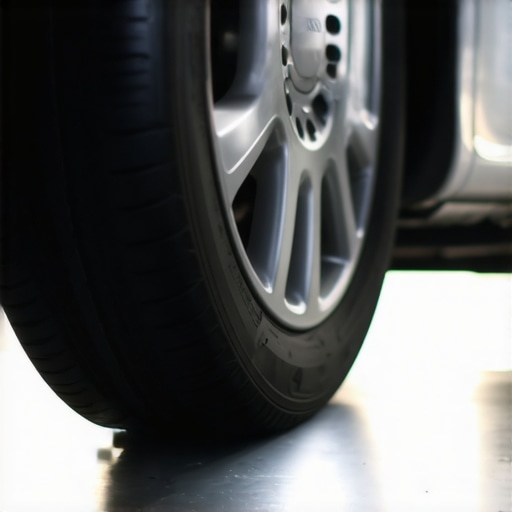
It was just another ordinary morning when I pulled out of my driveway, only to hear a strange, faint growling sound coming from my wheel area. At first, I brushed it off as road noise or maybe the car’s age catching up. But as days went by, that subtle noise grew louder, more persistent—eventually turning into a screech that made me dread every turn. That realization hit me hard: I was on the verge of a costly repair, and I’d missed the early warning signs.
Why catching wheel bearing issues early can save you a bundle
Ignoring the initial symptoms of a failing wheel bearing can lead to serious safety hazards and hefty repairs. Believe me, waiting too long is a gamble you don’t want to take. When a wheel bearing begins to fail, it creates a wobble or grinding sensation that, if not addressed, can cause the wheel to seize or even detach while you’re driving. According to industry experts, mechanical failures like these are responsible for a significant percentage of roadside breakdowns (source: Troubleshooting Auto Issues).
But how do you know if that faint noise is a warning sign or just normal wear and tear? That’s what I want to help you figure out today—to avoid the costly consequences I once faced. With a few simple checks and a keen ear, you can spot trouble before it turns into a major safety concern.
Have you ever experienced that quiet, almost subtle noise that gradually became a loud, unsettling growl after your drive? If so, you’re not alone. Many drivers overlook early symptoms, thinking it’s just normal for old cars or rough roads. But trust me, paying attention to these signs can make all the difference.
Now, I’ll walk you through the key symptoms of a failing wheel bearing and how to identify them early—because catching problems before they escalate is the best move for your safety and wallet. If you’re curious about other auto issues, you might find our troubleshooting guide handy. Let’s get started on how to stay ahead of that loud, dangerous noise.
Listen Carefully and Confirm the Symptoms
Start by setting aside time during a quiet moment in your garage or driveway. Turn on your vehicle and listen closely for that familiar growling or humming sound that was warning you of a problem. This sound often increases with speed or when turning sharply. Remember, a consistent noise that intensifies under specific conditions is a strong indicator of wheel bearing trouble. I personally once paused a busy morning to do this, and catching that faint growl early saved me from a roadside breakdown days later.
Perform a Practical Spin Test
Park your car on a level surface, engage the parking brake, and gently lift one front wheel using a jack. Grasp the wheel at the 12 and 6 o’clock positions and try to rock it back and forth. Excessive play or a rough feeling indicates a worn bearing. I tried this on my own car when I first noticed the noise, and the wobble confirmed I needed professional help. Remember to wear safety gear and follow proper jack safety procedures—don’t skimp here.
Check for Damage and Wear
Visually inspect the wheel assembly for signs of uneven tire wear, cracks, or grease leaks around the hub area. Grease flinging or missing grease seals can be telltale signs of a failing bearing. I once found a torn seal on my tire, which allowed debris in and accelerated wear. Regular visual inspections, especially if you hear abnormal sounds, help catch issues before they escalate.
Assess Noise During Actual Drive
Drive slowly and listen again, especially when turning left or right. If the noise worsens during turns, it’s a strong sign that the bearing is failing on that side. For example, I noticed that turning left amplified my car’s growl, which prompted an immediate appointment with my mechanic. This test links auditory cues directly to mechanical issues and helps localize the problem.
Utilize a Professional Inspection
If you’re unsure, schedule a professional diagnosis. Many auto shops can perform a static or dynamic test to evaluate wheel bearing health precisely. Think of it like bringing your car to a doctor: they use specialized tools to confirm what your ears and eyes suspect. Trusting experts can prevent unnecessary repairs or overlooking a dangerous condition.
Plan for Repair or Replacement
If diagnostics confirm a wheel bearing failure, plan to replace or repair promptly. This process involves removing the wheel, brake components, and hub assembly. It’s akin to replacing a worn-out bearing in a bicycle—careful disassembly and proper reassembly are crucial. I personally replaced a bearing on my old sedan, following a step-by-step tutorial, which saved me money and extended my vehicle’s life.
Follow Up with Proper Lubrication and Maintenance
Once replaced, ensure the new bearing is properly lubricated and the hub is clean. Regular checkups, especially if your vehicle experiences rough roads or heavy loads, prevent future problems. This approach is similar to routine tune-ups; they keep your vehicle running smoothly and safely. For comprehensive maintenance tips, consider visiting this resource.
Many vehicle owners believe that routine auto repair and tune-ups are straightforward, but the truth runs deeper. A common misconception is that all brake services are the same, leading many to delay or skip essential inspections; however, not all brake repairs are created equal. Some think a simple brake pad replacement suffices, but neglecting underlying issues like rotor warping or caliper sticking can cost you more in the long run. Overlooking these nuances often results in uneven brake wear, increased stopping distances, and even safety hazards—problems that could have been prevented with a comprehensive diagnostic.
A prevalent myth is that regular maintenance isn’t critical unless you’re experiencing problems. In reality, scheduled services help catch emerging issues early—saving you money and stress. Skipping tune-ups or delaying essential repairs can lead to complex engine trouble, reduced fuel efficiency, and premature component failures. Advanced vehicle technology only compounds this; modern cars rely heavily on precise systems that require expert attention to prevent costly breakdowns.
Have you ever fallen into this trap? Let me know in the comments.
A hidden nuance many overlook is the importance of the quality of parts used during repairs. Opting for cheap, non-original components might save money upfront but can compromise safety and longevity. For instance, inferior brake pads or cheap oils can lead to system failure or engine damage—costing you more than the initial savings. Experts recommend selecting quality parts because they provide better performance and durability. Trustworthy auto shops often source premium components, aligning with manufacturers’ specifications.
Another advanced mistake involves neglecting the interconnectedness of vehicle systems. For example, a simple tune-up isn’t just about replacing spark plugs; it’s about ensuring all related systems—air filters, fuel injectors, sensors—work harmoniously. This holistic approach boosts engine efficiency and extends vehicle lifespan. Professionals emphasize that a comprehensive tune-up strategy, inspired by expert maintenance tips, is essential rather than just ticking off a checklist.
So, next time you hear about auto repairs or tune-ups, remember that your vehicle’s health is a complex ecosystem. Being aware of these nuances can help you make smarter decisions, avoid costly mistakes, and keep your car running smoothly for years to come. Stay curious, ask questions, and don’t be fooled by surface-level fixes—your safety and wallet will thank you.
Invest in Quality Diagnostic Tools
One of the most valuable investments you can make in maintaining your vehicle is a reliable code scanner. Personally, I prefer the OBD-II Bluetooth scanners because they connect seamlessly to my smartphone, providing instant access to real-time engine data and error codes. This allows me to identify issues early, such as sensor malfunctions or emission problems, before they escalate. Additionally, these tools often come with companion apps that offer troubleshooting guides, saving time and money. As auto repair trends shift towards digital diagnostics, having a top-tier scanner ensures you’re always a step ahead.
Utilize Precision Torque Wrenches for Reassembly
When performing tune-ups or replacing components like spark plugs or belts, using a digital torque wrench is non-negotiable. I personally insist on torque wrenches with preset settings because they guarantee that bolts are tightened to manufacturer specifications. Over-tightening can damage threads or warp components, while under-tightening risks parts coming loose. This level of precision enhances long-term reliability and safety. Looking forward, I predict greater integration of smart torque wrenches with app-based controls, which will simplify complex procedures and reduce human error.
Regularly Check Fluid Conditions Using Test Kits
Maintaining proper fluid levels and quality is crucial for long-term vehicle health. I’ve adopted the use of fluid test strips and refractometers to monitor oil, coolant, and brake fluid conditions regularly. These tools provide immediate insights into contamination levels or viscosity changes, allowing for timely replacements or repairs. For example, testing brake fluid for moisture helps prevent corrosion and brake fade—an often-overlooked aspect of auto maintenance. This proactive approach extends component lifespan and improves safety, aligning with the trend towards predictive auto care.
How do I maintain my tools over time?
Proper maintenance of your auto repair tools is essential to ensure their longevity and accuracy. I always clean my diagnostic scanner ports and store tools in a dry, organized toolbox to prevent corrosion. Regular calibration of torque wrenches guarantees consistent performance, especially after heavy use. I also keep a log of calibration dates, following expert advice from auto repair industry insights. Investing in quality storage solutions and routine upkeep minimizes downtime and costly replacements. In the future, I see smart tools with self-calibration features becoming the norm, making maintenance even more effortless. I recommend trying out a digital torque wrench with Bluetooth connectivity for your next repair—it’s a game-changer. These tools not only improve accuracy but also sync with your smartphone for maintenance records and calibration alerts. Starting with this small upgrade can significantly improve your long-term results.
Lessons That Changed How I Approach Auto Repairs
One of the most impactful lessons I learned was the danger of dismissing early warning signs. Ignoring a subtle wheel noise nearly led me to a dangerous breakdown—now I always trust my instincts and conduct simple checks like listening for sounds during drives. Also, I realized that visual inspections, like noticing uneven tire wear or grease leaks, can preempt costly failures. The third revelation was understanding how interconnected systems are; neglecting a small part can ripple into bigger issues, emphasizing the importance of regular full-system checkups. Lastly, I discovered that using quality replacement parts and tools, such as a precision torque wrench, makes a visible difference in the longevity of repairs and overall safety.
Tools and Resources That Keep My Auto Care Game Strong
For anyone serious about maintaining their vehicle, I recommend investing in a good OBD-II Bluetooth scanner—I personally trust the models that sync seamlessly with my smartphone, giving real-time diagnostics. Alongside, a digital torque wrench with Bluetooth capabilities has been invaluable for accurate reassembly, preventing damage caused by over-tightening or under-tightening. Reading the book “Maximize Your Car’s Lifespan with Expert Tune-Up Strategies” opened my eyes to preventive measures that extend vehicle life. Lastly, I keep handy a set of fluid test strips for oil and coolant, so I can address issues before they turn into emergencies. These resources and tools form my auto maintenance toolkit, helping me stay ahead of complex problems.
Your Vehicle’s Future Starts Now—Don’t Wait for the Warning Signs
Taking proactive steps in auto care is empowering and truly rewarding. Remember, catching those early noises and signs can save your safety, many dollars, and prevent stress. Your car isn’t just a machine; it’s a trusted companion that deserves attention and respect. So, grab those tools, follow trusted resources, and stay curious about your vehicle’s health. The effort you put in today can ensure many miles of smooth, worry-free driving ahead. What’s the first small step you’ll take to improve your car’s maintenance routine—let me know below!