
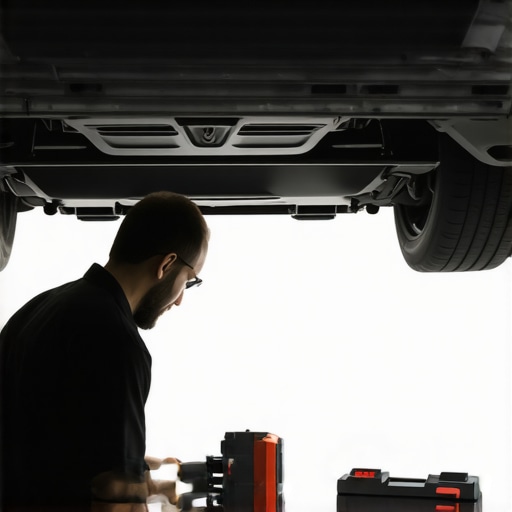
I’ll never forget the day my car started acting up right when I needed it most—shaking, sluggish acceleration, and that dreaded check engine light blinking ominously. It felt like my vehicle was giving me a cryptic warning, but I didn’t know what to do. That moment of frustration turned into a lightbulb moment: I had to figure out how to tell if my catalytic converter was actually clogged, before costly repairs or worse, a breakdown on the highway.
Why Knowing When Your Catalytic Converter Is Blocked Matters
The catalytic converter is a vital part of your vehicle’s exhaust system, responsible for reducing harmful emissions and ensuring your engine runs smoothly. When it gets clogged, your engine’s performance declines—it’s like a traffic jam in the heart of your car. A blocked converter can cause poor acceleration, decreased fuel efficiency, and even lead to engine stalling. Early detection means you can address the problem before it worsens, saving you money and the headache of a sudden breakdown.
The Biggest Skepticism: Is Checking for a Clogged Converter Really Necessary?
I used to think these issues were only for cars showing obvious signs, but I made the mistake early on of ignoring subtle symptoms, thinking they would go away. The truth is, being proactive can prevent complete engine failure. According to experts, a clogged catalytic converter can even cause your vehicle to fail emissions testing—a costly ordeal if you’re not paying attention.
Inspect Your Exhaust System for Blockages
Start by looking under your vehicle for any visible damage or unusual discoloration around the catalytic converter, which resembles a small metal box attached to the exhaust pipe. Use a flashlight if necessary. This quick visual check can sometimes reveal obvious issues that point to a clog or damage, preventing further costly repair.
Feel for Excessive Heat or Smell
Carefully touch the exhaust pipe near the converter after the engine has been running for a few minutes—be cautious to avoid burns. If the pipe is abnormally hot or you notice a rotten egg smell more intense than usual, these are signs the converter might be clogged, restricting normal exhaust flow.
Monitor Engine Performance and Fuel Efficiency
Observe Acceleration and Power
If your engine feels sluggish, especially during acceleration, and you notice poor responsiveness, it’s a strong indication of obstruction within the converter. I experienced this firsthand when my car suddenly lost power on a steep hill—testing the converter helped confirm the diagnosis.
Check Fuel Consumption
A sudden drop in miles per gallon can result from exhaust flow issues caused by a clogged converter. Keeping track of your fuel expenses over a week can help identify hidden problems—if your consumption spikes unexpectedly, it’s time to investigate further.
Perform a Backpressure Test
This involves temporarily disconnecting the oxygen sensor and using a pressure gauge to measure exhaust backpressure. A high reading signals a possible blockage. If you’re uncomfortable with this step, consult a qualified mechanic to avoid damaging sensitive sensors.
Use a Vacuum Gauge to Detect Blockages
Attach a vacuum gauge to a port in the intake manifold. A lower-than-normal reading suggests exhaust restrictions like a clogged catalytic converter. I did this test during an afternoon free from work, and it quickly clarified the issue, saving me the expense of unnecessary part replacements.
Consult a Professional for Definitive Diagnosis
If your checks point to a potential clog, scheduling a professional inspection ensures accurate diagnosis. Mechanics can perform specialized tests such as electronic diagnostics or even remove the converter for a direct inspection, which I highly recommend before making repair decisions.
By systematically applying these steps, you can confidently identify whether your catalytic converter is clogged. Regular at-home inspections paired with professional check-ups keep your vehicle running smoothly and prevent unexpected breakdowns—learn more about maximizing your car’s lifespan with expert tips at this guide.
Many vehicle owners operate under assumptions about car maintenance that can lead to costly mistakes. A common myth is that routine service intervals are overly cautious, but in reality, neglecting nuanced details can sabotage your car’s longevity. For instance, many believe that changing your oil only when the indicator light comes on is sufficient; however, experts emphasize regular oil changes based on mileage and driving conditions for optimal engine health. Not doing so can lead to premature wear and unexpected breakdowns. Another misconception is that brake pads only need replacing when they squeal. In truth, brake pad wear can be silent but equally damaging, especially if you ignore vibrations or decreased responsiveness. Rushing to replace parts without a proper diagnosis often results in unnecessary expenses.
What advanced signs should you look for that a mechanic might overlook?
Outstanding auto service needs to go beyond the basics. For example, some drivers overlook the importance of inspecting the entire brake system for subtle issues like uneven rotor wear or compromised hydraulic lines, which can lead to sudden brake failure. Similarly, in tune-ups, replacing spark plugs without checking the ignition coils might cause misfires and rough idling. According to automotive experts, neglecting smaller but critical components can escalate problems and decrease safety. To phrase it differently, a holistic approach to maintenance involves scrutinizing interconnected systems, not just surface-level symptoms. For deeper insights, visit this troubleshooting guide and understand how to identify hidden issues before visiting the repair shop. Always remember, *skipping preventive measures can be more costly than investing in comprehensive care*. Have you ever fallen into this trap? Let me know in the comments.
Invest in Quality Diagnostic Tools for Ongoing Care
Personally, I rely heavily on a professional-grade OBD-II scanner like the BlueDriver. Its capability to read and clear codes, view real-time data, and perform manufacturer-specific tests has saved me countless trips to the mechanic. When troubleshooting complex issues such as subtle engine misfires or sensor failures, having this device at hand is invaluable. For instance, it can help detect an impending oxygen sensor malfunction before it triggers a check engine light, aligning with expert recommendations on proactive diagnostics. As automotive diagnostics evolve, integrating updated software ensures accurate readings, so I schedule regular device firmware updates through the manufacturer’s platform.
Prioritize Preventive Maintenance with Scheduling Software
To keep my vehicle in top shape, I utilize maintenance scheduling software like this comprehensive guide. It tracks service intervals for oil changes, brake inspections, and fluid replacements, reminding me ahead of time. This approach minimizes emergency repairs and extends my car’s lifespan. In the long run, automated alerts empower me to plan repairs during off-peak hours, reducing downtime and costs. Advanced software options even analyze driving habits to customize maintenance needs, a trend I see gaining prominence in automotive care.
Long-Term Results of Consistent Maintenance
Maintaining a detailed log of repairs and checkups has always paid dividends. Regular tune-ups, when performed correctly, improve fuel efficiency and safety, as highlighted in this insightful article. Over time, I’ve noticed my vehicle holds its resale value better and experiences fewer breakdowns. This consistency builds a kind of self-reliance, reducing dependence on costly emergency repairs. Embracing a proactive mindset ensures your vehicle remains reliable, saving you money and hassle in the long run.
How do I keep my car’s performance optimal over years?
Adopting a strategic approach to maintenance involves routine inspections of belts, hoses, and brakes, along with timely fluid changes. I recommend setting up a personalized maintenance calendar to track these intervals. Remember, tools like high-precision torque wrenches ensure repairs are done correctly, preventing issues caused by over-tightening or under-tightening bolts. Investing in quality tools and maintaining a consistent schedule can extend your car’s life significantly. For more detailed advice on maximizing your vehicle’s longevity, visit this expert guide. Don’t hesitate to try implementing a monthly vehicle health check, using your tools to catch issues early before they escalate. As automotive technology develops, staying informed with the latest trends, such as predictive maintenance software, will be crucial for the future of car care — keep an eye on this industry forecast.
What I Wish I Knew About Preventive Car Checks
Early in my car ownership journey, I believed that waiting for warning signs was the best approach. However, I quickly learned that subtle symptoms—like a slight decrease in fuel efficiency or a faint smell—can be harbingers of bigger issues, such as a clogged catalytic converter. Recognizing these warning signs earlier has saved me from costly repairs and unexpected breakdowns.
How Relying on Accurate Diagnostics Transformed My Car Care
Investing in a quality OBD-II scanner changed the game for me. It empowered me to identify problems like sensor failures before they caused bigger damages. This proactive approach aligns with expert advice that regular diagnostics—including tools like auto repair trends—are essential for maintaining optimal vehicle health.
Don’t Overlook Small Details That Make a Big Difference
One of the most valuable lessons I learned is paying attention to the less obvious issues—like uneven tire wear or a slight pull while steering—which can indicate deeper problems, including brake or suspension system issues. Addressing these early prevents more extensive and expensive repairs down the line, as outlined in the comprehensive vehicle maintenance checklist.
Prioritize Consistent Maintenance for Long-Term Savings
Developing a routine schedule with tools like maintenance planning has extended my vehicle’s lifespan significantly. Regular oil changes, coolant flushes, and brake inspections are investments that pay dividends, ensuring safety and performance over the years.
Seize the Power of Knowledge to Keep Your Car in Top Shape
The most compelling lesson I’ve internalized is that informed car owners are empowered owners. By understanding the nuances of auto repair—like reading diagnostic codes or recognizing early signs of issues—you can save money, improve safety, and enjoy peace of mind. I encourage you to embrace these insights and take charge of your vehicle’s health today.