
Ever been cruising down the street, pressing the brake pedal, and suddenly feeling that uneven pull or noise? That frustrating moment when you realize one brake pad might be wearing out faster than the other? I’ve been there, fumbling with my car’s brakes, feeling that sinking mix of concern and confusion. It’s a lightbulb moment—something isn’t quite right, and yet, I had no idea where to start unraveling the mystery.
Uncovering the Real Reason Behind Uneven Brake Wear
That nagging suspicion led me down a rabbit hole of auto repair advice and personal trial-and-error. The truth is, uneven brake pad wear isn’t just a simple matter of driving style; it often signals underlying issues that can compromise safety and lead to costly repairs if ignored. Today, I want to share how I learned to identify the root causes and how you can do the same, ensuring your brakes perform like they should and last longer.
Question: Could a Small Misalignment Be Costing You Big Bucks?
Initially, I dismissed uneven brake wear as just a quirk, thinking it would fix itself or that I was somehow driving too harshly on one side. That was a mistake. An early oversight I made was neglecting to check the calipers and rotor condition, which turned out to be the real culprits. According to experts at Understanding Brake System Repairs, issues like caliper sticking or uneven rotor surfaces are common causes of one-sided brake pad deterioration. Recognizing these signs early can save you money and keep you safe on the road.
So, if this problem sounds familiar—if you’ve noticed your car pulling to one side when braking or if your brake pads seem to be wearing unevenly—stay tuned. In the next sections, I’ll walk you through practical steps to diagnose and fix the problem, drawing from my own experience and trusted automotive principles. Proper brake maintenance isn’t just about replacing pads; it’s about understanding what’s going on beneath the surface and ensuring your vehicle remains safe and reliable.
Inspect Your Brakes Thoroughly
When I first noticed my car pulling to one side during braking, I grabbed a flashlight and jacked up the vehicle to perform a visual inspection. I checked the brake pads for uneven thickness—think of it like inspecting the treads on your tires for signs of wear. A pad significantly thinner on one side indicates uneven wear, often caused by caliper sticking or rotor issues, which are common problems explained in Understanding Brake System Repairs. Using a dry cloth, I wiped away dust and rust to get a clearer view, ensuring no debris was masking underlying issues.
Measure and Compare Brake Pad Thickness
Next, I carefully removed the wheel and used a Vernier caliper to measure the brake pad thickness on both sides. This precise measurement revealed a discrepancy—one pad was nearly worn out, while the other was still in decent shape. This step is crucial because uneven pad thickness signals calibration or caliper problems. For accuracy, I documented the measurements and noted which side was more worn, a simple yet essential step that helps decide whether the pads need replacement or if further diagnostics are necessary.
Check Calipers for Sticking or Malfunction
To determine if the calipers were causing uneven wear, I pressed the piston back gently using a brake piston tool—like pressing a plunger. If the piston didn’t retract smoothly or was hard to move, that indicated a sticking caliper, often due to debris or corrosion. I also examined the caliper slide pins for rust; these are like hinges that allow the caliper to move freely. Applying a high-temperature brake lubricant to these parts can restore smooth operation. Remember, a caliper acting up is a common culprit behind uneven brake wear, and addressing it promptly prevents costly rotor replacements, as detailed in Brake Service Myths.
Test and Resurface Rotors
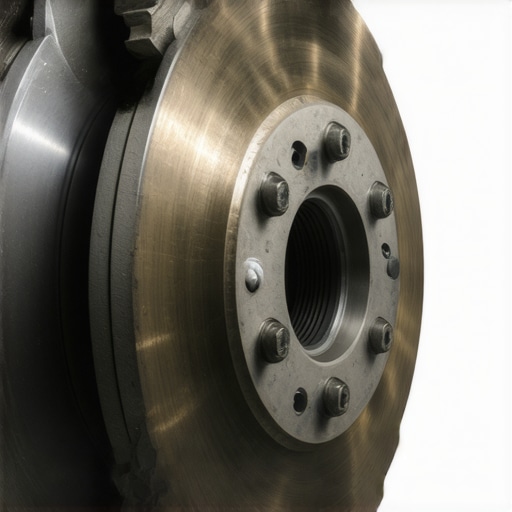
Rotors act like the concrete base for brake pads. I checked them for signs of warping, cracks, or heavy grooves—visual clues that suggest they need resurfacing or replacement. Using a dial indicator, I measured the rotor runout to see if they were warped beyond acceptable limits, similar to checking a wheel for wobble. If warping was minimal, I opted for resurfacing with a brake lathe—akin to sanding wood—to ensure a flat contact surface. This process improves braking efficiency and reduces uneven pad wear, as explained in Tune Up Tips. If the rotor was severely damaged, I ordered a replacement rotor, paying close attention to alignment and torque specifications during installation to prevent future issues.
Replace or Service Components as Needed
Based on my findings, I replaced worn pads and cleaned or lubricated sticky calipers. I also considered resurfacing or replacing the rotors if they showed extensive damage. When installing new parts, I used a torque wrench to tighten bolts to manufacturer specifications—this is like following a precise recipe to ensure durability. After reassembling everything, I bled the brake system to remove air bubbles, which can cause a spongy pedal—think of it as dental flushing to ensure cleanliness. Regularly performing these steps helps maintain even brake wear, ensuring safety and longevity.
Final Test Drive to Confirm Repairs
After reassembling, I performed a careful test drive, gradually increasing braking force to confirm that the pedal felt firm and that the car stopped straight without pulling. Listening for unusual noises or feeling vibrations indicates whether the repairs were successful. This hands-on approach solidifies your understanding of brake mechanics and prevents future uneven wear issues. For comprehensive maintenance, consider reviewing Vehicle Maintenance Checklist, and don’t hesitate to contact a professional if uncertainties arise. Regular inspections and timely repairs will keep your brakes operating smoothly and extend their lifespan significantly.
Many car owners operate under misconceptions that can lead to costly mistakes and subpar maintenance. One of the biggest myths is that all auto repairs are straightforward and don’t require in-depth knowledge. In reality, a nuanced understanding of your vehicle’s needs can save you money and extend its lifespan. For example, some believe that a simple oil change or filter replacement suffices for a tune-up, but expert mechanics emphasize that comprehensive engine diagnostics and component inspections are crucial for peak performance. Relying solely on DIY tips or generic service advice might miss underlying issues, like a failing sensor or a minor vacuum leak, which could cause long-term damage if left unaddressed.
Another common mistake is underestimating the importance of proper brake maintenance. While many think replacing brake pads is enough, neglecting caliper inspection and rotor resurfacing can cause uneven wear and reduced safety. Advanced issues like caliper sticking often go unnoticed until serious problems arise, violating the common myth that brakes are a simple wear-and-tear component.
Why do so many car owners overlook hidden issues during regular service?
Studies show that neglecting detailed diagnostics during routine maintenance can lead to more frequent breakdowns and higher repair costs down the line. For example, a misaligned wheel bearing or a worn-out CV joint might not be immediately obvious but can cause vibrations and undue tire wear that accelerates damage. This oversight often stems from a limited understanding of how interconnected vehicle systems truly are. As explained by experts at Understanding Brake System Repairs, many advanced components require specific testing and attention that generic service checklists may miss.
Furthermore, the misconception that routine maintenance is an unnecessary expense discourages timely inspections like fluid flushes or belt replacements. Skipping these can lead to severe issues, such as coolant contamination or belt failure, which might cause engine overheating or breakdown. This oversight underscores the importance of following a personalized, professional maintenance plan tailored to your vehicle’s age and usage, as discussed in Tune Up Tips. Recognizing that each vehicle has its own nuances is vital—what works for one model might be inadequate for another.
The takeaway is that understanding the nuances of auto repair—bushing beyond common advice and focusing on detailed diagnostics—is key to avoiding costly pitfalls. If you rely solely on superficial fixes or ignore the advanced signs your car gives, you risk more than just breakdowns—you endanger safety and incur unnecessary expenses. To stay ahead, schedule regular comprehensive inspections and consult trusted professionals who know the intricacies of your specific vehicle. You can find more tips on maintaining your car’s longevity in Maximize Your Car’s Lifespan. Have you ever fallen into this trap? Let me know in the comments.
Keeping Your Car in Prime Condition with the Right Tools
Maintaining a vehicle requires not only knowledge but also the proper equipment to perform effective service. Over the years, I’ve found that investing in high-quality, specific tools has made a significant difference in diagnosing issues accurately and executing repairs efficiently. One must understand that using generic or subpar tools can lead to mismatched parts, stripped bolts, or incomplete fixes, ultimately costing more in repairs or risking safety.
My go-to tool for brake service is the digital caliper. Unlike standard measurements, a high-precision digital caliper allows me to gauge rotor runout and pad thickness with absolute accuracy. This precise measurement is crucial because even a slight warp in the rotor can compromise braking performance, leading to uneven wear. Personally, I prefer models with at least 0.0005-inch resolution, as they offer the granularity needed for detailed diagnostics.
For tightening bolts during tire and brake assembly, I rely on a torque wrench. It’s tempting to tighten fasteners by feel, but I’ve learned that using a calibrated torque wrench ensures bolts are secured to manufacturer specifications, preventing over-tightening or under-tightening. This is particularly vital for components like brake caliper brackets and wheel lug nuts, where proper torque directly influences safety and component lifespan. I always keep a service checklist on hand to verify the correct torque values.
In addition, a OBD-II scanner has become indispensable for diagnosing engine-related issues quickly. I use a Bluetooth-enabled scanner paired with diagnostic software on my smartphone, which allows me to read error codes, clear them, and monitor real-time data. This approach saves me trips to the shop for minor problems and helps me understand my vehicle’s underlying health, thus enabling better maintenance planning.
What about long-term maintenance tracking?
For this, I use a digital logbook app tailored for vehicle maintenance records. Recording every fluid change, filter replacement, or part upgrade not only keeps me organized but also helps identify patterns that may indicate future issues. This proactive approach means I can address small problems before they become expensive repairs, extending my car’s lifespan and preserving its value.
Looking ahead, the trend in auto maintenance tools is moving towards integrated diagnostic systems that combine hardware and AI to predict failures before they happen. As these technologies become more accessible, drivers will be able to perform more detailed diagnostics at home, reducing reliance on guesswork and increasing safety. Staying informed about these advancements is practical; for now, however, investing in quality manual and electronic tools remains essential for any committed vehicle owner.
Try calibrating your torque wrench for your next brake job—this simple step has improved my repair accuracy immensely. For more tips on optimizing your vehicle’s performance, visit our tune-up guide. If you need expert assistance or personalized advice, don’t hesitate to reach out. Proper tools empower you to keep your car running smoothly and safely for years to come.
The Lessons I Wish I Learned Sooner About Brake Maintenance
- Never assume uneven wear is just cosmetic. The moment I dismissed uneven brake pad thickness as a minor issue, I missed early signs of caliper sticking, leading to costly rotor replacements later. Paying close attention to such details can save your budget and safety.
- Calibration matters more than you think. I used to believe that tightening bolts to ‘feel’ was enough. Discovering the precision of a torque wrench taught me that proper torque not only ensures safety but also prolongs component lifespan.
- Every component tells a story. From calipers to rotors to brake fluids, understanding their interplay reveals underlying problems before they escalate. Regular inspections with quality tools make all the difference.
- Don’t overlook the importance of foresight. Resurfacing or replacing rotors at the first signs of warping might cost a bit upfront but prevents recurring issues and maintains braking efficiency.
- Tools are your best allies. Investing in a good digital caliper, torque wrench, and diagnostic scanner has empowered me to diagnose and often resolve issues at home, saving time and money while deepening my understanding.
Must-Have Resources for Every Car Enthusiast
- Understanding Brake System Repairs—This comprehensive guide became my go-to reference for diagnosing brake issues and understanding component interactions. It demystifies complex repairs and builds confidence.
- Car Service Checklist—A personalized checklist keeps me on track, ensuring critical maintenance like fluid changes and brake inspections aren’t overlooked amidst daily life.
- Tune-Up Tips—This resource highlights how routine tune-ups can improve safety and efficiency, inspiring me to stick with regular maintenance schedules rather than reactive fixes.
- Troubleshooting Common Auto Problems—Empowered with basic troubleshooting skills, I can identify when a simple fix is possible versus when professional help is necessary, saving money and avoiding unnecessary repairs.
Lighting the Path Forward with Confidence
Embarking on your vehicle’s maintenance journey might seem daunting at first, but with the right knowledge, tools, and mindset, you can become your own car’s best advocate. Regular inspections, educated decisions, and proactive care not only extend your car’s lifespan but also transform you into a more confident and informed driver. Remember, the road to reliable and safe driving is paved with continuous learning and attention to detail. Don’t wait for broken brakes or costly repairs to remind you—start applying these insights today and enjoy the peace of mind that comes with being in control of your vehicle’s health.
What step have you been hesitant to take in your vehicle maintenance routine? Share your experiences below—I’d love to hear how you’re improving your car care skills!
,