
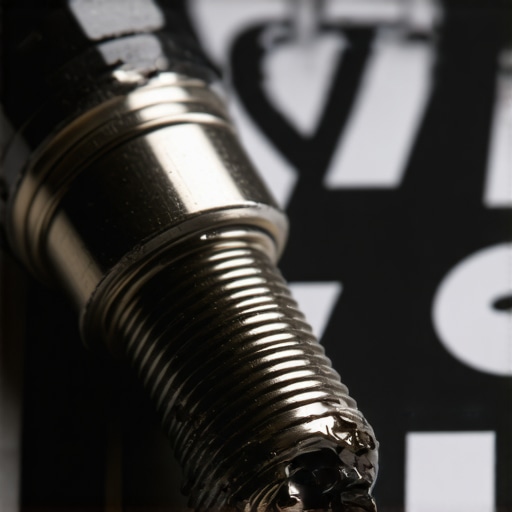
I remember the first time I pulled a spark plug and it looked like it had been dipped in a deep fryer. My old truck was stumbling, gasping for air, and generally making my life miserable. I’d spent all Saturday trying to figure out why my V6 engine shudders at idle, thinking it was just a bad batch of gas or maybe a loose wire. But when I finally got that plug out, the thick, black goo clinging to the porcelain told a much darker story. It wasn’t just old; it was drowning. If you’ve noticed your car losing power or acting like it’s forgotten how to be a vehicle, you might be dealing with oil fouling. Today, I’m going to help you spot that greasy culprit before it turns your engine into a very expensive paperweight.
That Greasy Mess on Your Spark Plug Means Trouble
When you’re doing your own car service, the spark plugs are like a window into the soul of your engine. A healthy plug should look dry and slightly tan. If yours is caked in wet, black sludge, you’ve got oil getting where it shouldn’t be. One big mistake I made early on was just cleaning the plug and putting it back in. Trust me, that’s like putting a band-aid on a broken leg. You need to know how to troubleshoot common auto repair issues before you start throwing parts at the problem. According to industry technical guides from NGK, oil fouling is often a sign of worn piston rings or a failed valve cover gasket, which means your engine is literally breathing its own lubricant. If you have been tempted by budget spark plugs, keep in mind they won’t fix an underlying oil leak.
Is it actually worth the hassle to check these yourself?
I get it—pulling plugs is messy and can be intimidating if you’ve never done it. But knowing how to identify oil-fouled plugs can save you thousands in labor costs at a shop. If you see blue smoke puffing from your tailpipes, that’s your first clue. The plug is just the confirmation. I once ignored a wet plug for three months, and by the time I took it seriously, I had ruined my catalytic converter. Don’t be like younger, dumber me. Have you ever pulled a spark plug and found it completely soaked in oil? It is a gut-punch for sure. We’re going to dive into the specific signs—the smell, the look, and the performance hiccups—that scream oil fouling so you can get back to a smooth ride.
Where Is All That Oil Coming From?
To fix the fouling, you have to play detective. The very first thing you need to determine is whether the oil is coming from the top down or the bottom up. Think of your engine like a two-story house. If the upstairs bathroom leaks, you get a wet ceiling (the outside of the plug). If the ground floor floods, the carpet gets soaked (the business end of the plug). When you pull your spark plug boot or ignition coil, look into the hole. If you see a swimming pool of oil around the hex nut of the plug, your issue is likely external to the combustion chamber. This is usually caused by failing spark plug tube seals or a leaky valve cover gasket. I remember working on a neighbor’s sedan where the oil was so deep in the third cylinder well that the spark couldn’t even jump the gap; the car was basically running on three cylinders. A simple gasket swap saved that car from the scrap heap.
Start With the Valve Cover Gaskets
If you find oil on the ceramic upper part of the plug, it’s time for a car service focused on the top end. Replacing a valve cover gasket is one of the most satisfying DIY jobs because you can actually see the progress. You’ll want to follow a tune up your car for peak performance guide to ensure you’re torquing the bolts in the correct sequence. If you over-tighten one side, you’ll just warp the cover and start the leak all over again. It is a bit like tightening the lid on a plastic container; if you don’t get the edges even, it’s going to spill the contents eventually.
When the Problem Is Deep Inside the Cylinders
Now, if the threads and the electrodes are caked in wet, oily soot, but the top of the plug is bone dry, you’re dealing with an internal leak. This is where troubleshooting common auto repair issues becomes critical. Usually, this means your piston rings are worn out or your valve stem seals have hardened and are letting oil weep into the cylinder while the car sits. This is why you see that blue smoke puffing from your tailpipes specifically when you first start the car in the morning. To confirm this, you can perform a compression test. If the pressure jumps significantly when you add a squirt of oil to the cylinder, those rings are the culprit. I’ve seen people ignore this and end up with a car that shudders at idle so badly it feels like it is trying to shake itself apart.
Maintain Your Way Out of Future Failures
Prevention is a lot cheaper than a rebuild. Understanding how regular tune-ups improve fuel efficiency and safety is the best defense against fouling. Using high-quality oil and changing it on time prevents the carbon buildup that sticks piston rings in place. If you start seeing strange readings, like why your engine oil level is increasing on the dipstick, don’t wait for a misfire to check your plugs. Catching a small leak in a seal today prevents the catalytic converter failure that will cost you four figures tomorrow. It’s all about staying ahead of the wear and tear before it dictates your schedule.
A lot of people think a tune-up is just a shopping trip for new parts, but the real pros know it’s a data-gathering mission. Everyone says that if you have a misfire, you just swap the plugs and coils, but in my experience, that’s often a waste of money if you don’t look at the health of your crankcase pressure first. If you’re constantly troubleshooting common auto repair issues and seeing the same oily mess return every month, you’ve likely fallen into the ‘parts cannon’ trap. The truth is, a clogged Positive Crankcase Ventilation (PCV) valve is the silent killer of spark plugs. When that tiny valve sticks, pressure builds up in the crankcase and literally shoves oil past your brand-new gaskets and seals. It doesn’t matter how much you spend on a car service; if that $15 valve is stuck, you’re going to keep drowning your engine in its own juices. According to technical data from the Car Care Council, neglected PCV systems are a leading cause of premature gasket failure and oil consumption issues that many drivers mistake for inevitable engine wear and tear. This is a classic ‘oops’ factor where owners pay for expensive valve cover jobs only to have them leak again six months later because the internal pressure wasn’t relieved. To maximize your car’s lifespan with expert tune-up strategies, you have to treat the engine as a living, breathing ecosystem, not a collection of individual bolts.
Why do high-end iridium plugs often fail faster in an oil-burning engine?
Here is a nuance that catches even seasoned DIYers off guard: Iridium and platinum plugs have very fine center electrodes. While this is great for a precise spark in a clean engine, these fine wires lack the surface area to ‘self-clean’ when they get coated in heavy oil deposits. A standard copper plug might actually survive longer in a wounded engine because it runs slightly hotter at the tip and has more mass to dissipate the gunk. This isn’t an endorsement for budget spark plugs as a performance upgrade, but rather a warning that the most expensive part isn’t always the right solution for an engine with underlying mechanical issues. You also see this logic fail when owners assume that following the latest auto repair trends to watch in 2025 will somehow compensate for basic mechanical neglect.
Stop Guessing and Start Measuring
The biggest mistake I see is people ignoring the ‘wet’ vs ‘dry’ fouling distinction. If you see oil on the threads, that’s usually a slow seep from above. If the electrode itself is ‘crusty’ and ash-colored, you’re burning oil through the rings. This is where you need to check if your engine oil level is increasing on the dipstick due to fuel dilution or if it’s simply disappearing into the intake. It’s the same logic we see with brake service myths—people obsess over the pads but completely ignore the fluid that actually does the work. In both cases, focusing on the ‘shiny’ new part while ignoring the system’s chemistry is a recipe for a return trip to the mechanic. Have you ever fallen into this trap? Let me know in the comments.
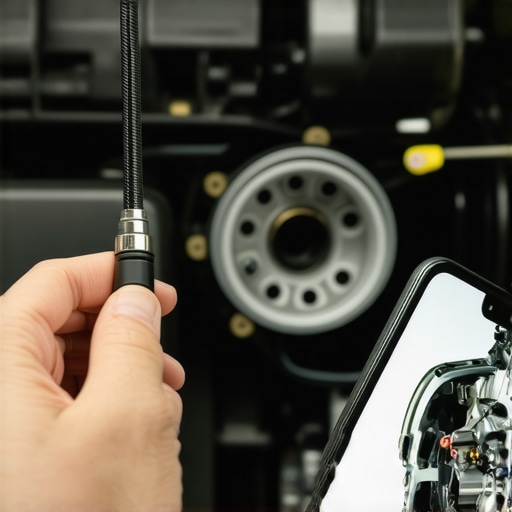
If you are serious about moving past basic maintenance and into the realm of proactive health monitoring, you need to stop relying solely on your eyes and ears. I used to think a socket set and a dream were enough, but after chasing a phantom misfire for three weeks, I realized that modern auto repair trends to watch in 2025 are all about data. I personally recommend every DIYer invest in a digital borescope. You can find decent USB versions for the price of a tank of gas, and they allow you to see the actual carbon crust on your valves without tearing the top of the engine off. This tool is the bridge between guessing and knowing. When you can see the cross-hatching on your cylinder walls, you know if your expert tune-up strategies are actually working or if the engine is fundamentally tired.
Stop Guessing with a Fifty Dollar Borescope
The reason I swear by the borescope is simple: it reveals the ‘why’ behind the ‘what.’ If your plug is oily, the borescope tells you if it is a leaky valve seal dripping from above or if the piston rings are letting oil past from below. It is the same level of precision you should expect when understanding brake system repairs; you wouldn’t just replace pads if the caliper was seized, right? By looking at the piston crown, you can see if you have ‘steam cleaned’ spots—a dead giveaway for a head gasket leak—long before your temperature gauge starts to climb. This level of detail is how you transition from a weekend tinkerer to someone who truly masters a car service checklist.
How do I maintain a clean combustion chamber over time?
Maintenance isn’t a one-time event; it is a lifestyle for your vehicle. To keep oil from caking onto your plugs, you have to be religious about your oil chemistry. As highlighted in technical documentation from Society of Automotive Engineers (SAE) International, the shear stability of your lubricant directly dictates how well those low-tension piston rings can scrape oil back into the pan. If you use cheap, conventional oil in a high-heat turbo engine, it will oxidize and turn into a lacquer that sticks the rings in place. Once those rings stick, the oil fouling begins. This is why I always suggest a high-quality synthetic and a shorter interval than the manufacturer’s ‘marketing’ department recommends. Following essential maintenance tips like a 5,000-mile oil change—even if the book says 10,000—is the cheapest insurance policy you will ever buy.
The Future of Diagnostics is Already Under Your Hood
Looking ahead, the trend is moving toward ‘predictive maintenance’ through telematics. Within the next few years, your car’s computer won’t just tell you that it has a misfire; it will likely analyze the electrical resistance of the spark and notify your phone that a plug is beginning to foul weeks before the check engine light even blinks. We are seeing the same evolution in stopping power, where sensors can now detect brake service myths versus actual hydraulic degradation. However, even with all this tech, the physical fundamentals of internal combustion remain. Oil where it shouldn’t be is always a mechanical failure. My challenge to you: don’t wait for a light to pop up on the dash. Go get a borescope, pull one plug this weekend, and take a look at the piston surface. Seeing the health of your engine with your own eyes is the ultimate way to improve fuel efficiency and safety through pure, unadulterated data.
Hard Truths from the Bottom of a Piston Hole
After years of turning wrenches, I’ve realized that an oily spark plug is actually a gift. It is a clear, unambiguous message from your engine that it needs help. One major takeaway is that you should never just replace the plug and walk away. If you don’t address the oil source, you’ll be doing the same job again in a month. Also, keep in mind that high-mileage oil isn’t just marketing; it contains seal swellers that can actually stop a minor valve seal leak before it fouls your next set of plugs. Most importantly, I learned that the secret to getting 200,000 miles out of your original engine is simply listening to these early warning signs rather than turning up the radio to drown out the misfire.
Gear I Use to Keep My Engine Clean
You don’t need a professional shop to get professional results, but you do need the right data. I personally swear by a high-quality digital borescope for checking the combustion chamber—it’s the only way to see if your rings are truly shot. I also keep a copy of the NGK technical manual handy; it’s the gold standard for reading plug health. To keep everything tight, a low-range torque wrench is non-negotiable for valve covers. Finally, sticking to the truth about 10,000 mile oil change intervals and moving to a 5,000-mile cycle will do more for your engine’s longevity than any magic pour-in fix ever could.
Take Charge of Your Own Maintenance
Mechanical problems can feel overwhelming, but remember that every expert started with a single stuck bolt. By learning to read your plugs and investigating the why behind the oil, you are taking the most important step toward mastering your own expert tune-up strategies. Don’t be afraid to get your hands dirty—your car will thank you with another hundred thousand miles of reliable service. Have you ever pulled a spark plug and found a greasy surprise waiting for you? Let me know about your diagnostic journey in the comments below!