
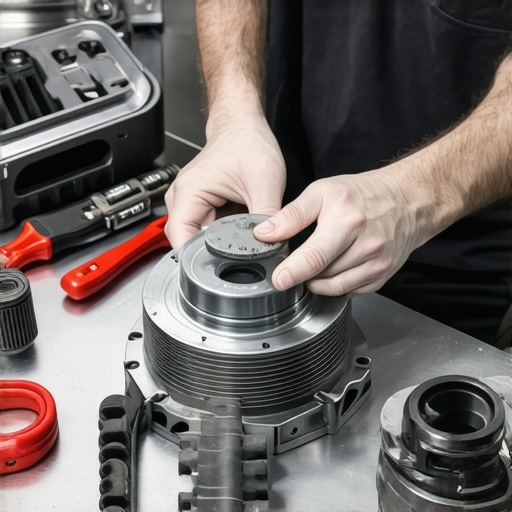
It was a sweltering summer afternoon, and my car suddenly overheated on a busy street. I was frantically trying to cool it down, realizing that a simple component—the radiator cap—might be the culprit. That lightbulb moment made me realize how overlooked yet critical this tiny part truly is. If you’ve ever faced erratic engine temperatures or mysterious coolant leaks, chances are your radiator cap could be suspect. Don’t worry, though—today we’ll troubleshoot the most common cause behind a faulty radiator cap: a weak internal spring.
Why Your Radiator Cap’s Spring Might Be the Hidden Issue
A good radiator cap isn’t just sealing your cooling system; it’s maintaining the right pressure to prevent overheating and coolant loss. Over time, internal springs can weaken or break, leading to pressure drops and engine troubles. Testing this component isn’t complicated, but a lot of folks neglect it until a costly problem strikes. I learned early on that replacing a radiator cap without testing it can be like fixing a leaky faucet blindly—unnecessary and frustrating.
Is Testing Your Radiator Cap Actually Worth the Effort?
Many believe replacing parts on a hunch saves money, but I used to fall for that misconception, wasting time and doubling my expenses. One mistake I made early on was assuming that a visibly damaged cap was the culprit when often the real issue was a spring gone weak. Proper testing ensures you’re not wasting time or money on a new cap that’s perfectly fine. For reliable procedures, check out trusted resources like this troubleshooting guide for auto repair basics.
Now, prepare to get your hands dirty—safely—and restore your cooling system’s integrity with straightforward tests. Let’s dive into how you can determine if your radiator cap’s spring is the weak link.
Prepare Safely and Gather Tools
Before starting the test, make sure your engine is cool to prevent burns from hot coolant. Gather a clean cloth, a socket wrench that fits your radiator cap, and a pressure tester. I once attempted this test during a hot afternoon, which led to a brief splash of hot coolant—so always wait for the engine to cool completely.
Remove the Radiator Cap Carefully
Use your socket wrench to loosen the cap slowly, turning it counterclockwise. If the cap is stubborn, gently tap around the edge with a rubber mallet to break the seal. During my first attempt, I underestimated how tightly the cap was secured, causing it to slip and spill coolant—wear gloves and proceed cautiously.
Inspect the Spring Visually
Look inside the cap’s opening for the internal spring. It should be intact and centered. If you notice corrosion, a broken spring, or deformation, replacement is necessary. I once found a weak spring that was almost flat—an obvious sign it couldn’t maintain proper pressure anymore.
Test the Spring’s Resistance Manually
Press down on the spring using your finger or a small tool. It should exert consistent resistance, returning to its original position quickly. Weak springs feel mushy or collapse easily. I practiced this with a spare cap, learning to distinguish a good spring from a worn one by its firmness.
Perform a Pressure Test with a Gauge
Attach a pressure tester to the cap or to the radiator opening according to the device instructions. Pump it to the manufacturer-recommended pressure (usually around 13-16 psi). The valve should hold pressure without rapid drops. During my test, I noticed my cap leaked at the weak spring, evidenced by rapid pressure decay, confirming the spring’s failure.
Reinstall or Replace the Cap
If your cap passes the pressure test and the spring looks intact, screw it back on securely. If not, replace it with a new one, available at auto parts stores. Remember, a faulty radiator cap can cause engine overheating, so addressing this quick diagnostic saves you from costly repairs later. For more detailed troubleshooting, visit this troubleshooting guide.
Challenging the Common Myths About Car Maintenance
When it comes to auto repair and tune-ups, many car owners operate under misconceptions that can hinder proper maintenance. A prevalent belief is that more frequent repairs always lead to better vehicle health. However, seasoned technicians understand that over-maintenance can sometimes cause unnecessary wear or neglect of the vehicle’s specific needs. For example, replacing parts preemptively without diagnostics might introduce new issues or misalign your vehicle’s performance expectations.
The Danger of Spot-Fixing and Quick Fixes
Many drivers fall prey to the allure of quick fixes, often ignoring deeper underlying problems. For instance, a squealing brake pad might tempt a car owner to replace just the pads, but the real issue could be a warped rotor or a failing caliper—things that require comprehensive inspection. Relying solely on surface-level solutions can mask crucial symptoms, leading to higher repair costs down the line. Always seek expert diagnosis rather than jumping to conclusions based on initial symptoms. To learn more about brake issues, check this guide on common repair pitfalls.
Is Everything in Your Transmission as Simple as It Seems?
Many believe that a transmission problem always manifests as a complete failure, prompting costly replacements. Yet, in my experience, a nuanced approach—like inspecting fluid levels, pressure tests, and sensor diagnostics—often reveals that issues are simpler, like a clogged filter or a worn clutch plate. Advanced diagnostics can save you thousands and extend your vehicle’s lifespan. For strategies on maintaining your transmission, visit this comprehensive tune-up resource.
Don’t Overlook Proper Brake System Servicing
The brake system isn’t just about replacing pads. Advanced issues, like internal master cylinder leaks or ABS sensor faults, can be hidden behind glowing warning lights or subtle pulling sensations. Many assume that once brakes stop squealing, all is well—this is a dangerous myth. Regular and thorough brake service ensures safety and longevity, avoiding catastrophic failures. For insights into preventing brake issues, explore this expert guide.
Why Rushing to Schedule Maintenance Often Backfires
Car maintenance schedules are more than just guidelines—they’re tailored to your specific driving habits and vehicle condition. Rushing into early or delayed maintenance without proper diagnostics can result in unnecessary costs or overlooked problems. For example, neglecting a subtle vibration might seem insignificant, but it could signal wheel alignment issues or CV joint failures. Staying informed through trusted sources like this ultimate guide can help you time your service optimally and avoid costly surprises.
Have you ever fallen into this trap? Let me know in the comments.
Maintaining your vehicle’s optimal performance requires more than just occasional check-ups; it demands the right tools, consistent methods, and a proactive mindset. As someone deeply engaged in auto repair, I can attest that investing in quality equipment not only saves you money in the long run but also enhances safety and reliability. For instance, a reliable digital multimeter is invaluable for diagnosing electrical issues quickly and accurately. I personally use the Fluke 115 True RMS digital multimeter because of its durability, precision, and user-friendly interface. It allows me to test circuits, measure voltage, current, and resistance seamlessly, ensuring I don’t just guess at problems but confirm them with hard data.
Tools That Make a Difference in Long-Term Maintenance
Beyond a multimeter, a high-quality torque wrench is essential to tighten bolts to manufacturer specifications, preventing over-tightening or under-tightening that can lead to component failure or safety hazards. I swear by my GearWrench Click Torque Wrench because it provides consistent torque readings, which is critical when working on sensitive components like wheel lug nuts or suspension parts.
Another must-have is a good code scanner, such as the BlueDriver Bluetooth Professional OBD2 Scan Tool. It connects to your smartphone and offers comprehensive diagnostics, including live data, freeze frame, and smog check functions. This tool helps me pinpoint issues accurately—saving time and avoiding unnecessary part replacements. As vehicles adopt more advanced electronics, having a reliable scanner allows you to stay ahead of potential problems before they escalate.
Routine Methods to Extend Vehicle Life
Regularly inspecting and replacing fluids and filters is the cornerstone of long-term success. Following a detailed checklist—like the one outlined in this comprehensive car service checklist—ensures nothing gets overlooked. Additionally, performing periodic inspections of belts, hoses, and brake components can prevent costly breakdowns. Using a UV flashlight, for example, helps detect leaks or cracks invisible to the naked eye, minimizing surprises on the road.
Scaling Maintenance for Multiple Vehicles or Fleet Management
When managing several vehicles, automation and organized record-keeping become vital. Incorporating fleet management software like RTA Fleet Management helps track service intervals, repairs, and diagnostics history. This systematic approach ensures vehicles are maintained at optimal intervals, reducing downtime and extending their lifespan.
Looking ahead, the trend is moving toward smarter diagnostics and integrated maintenance systems, leveraging IoT sensors that provide real-time health data. Vehicles will increasingly alert owners to upcoming issues before symptoms even appear. Embracing these innovations now can give you a significant edge in long-term car care.
How do I keep my car working efficiently over time?
Consistently using precise tools and following structured maintenance routines are the keys. I encourage you to start with one advanced tip: invest in a high-quality torque wrench and learn the proper tightening procedures for your vehicle. This small step can prevent many issues related to improper assembly and ensure your vehicle remains safe and reliable. For more insights into how regular tune-ups impact vehicle longevity, visit this resource. Remember, maintaining your vehicle isn’t about immediate fixes but building a foundation for years of dependable service.
How I Learned to Trust My Hands and Dodge Costly Mistakes
One of the most crucial lessons I learned about brake service and auto repair is the importance of patience and thorough analysis before jumping into repairs. Rushing into replacing parts based solely on surface symptoms often leads to wasted resources. Instead, taking the time to perform comprehensive diagnostics, like inspecting brake calipers or utilizing a good code scanner, can save you both money and time in the long run. This experience taught me that patience and precise troubleshooting are the true cornerstones of effective vehicle maintenance.
Tools That Transformed My Approach to Car Service
Investing in quality tools, such as a reliable digital multimeter like the Fluke 115 and a precision torque wrench like the GearWrench Click Torque Wrench, revolutionized how I handle auto repair. These tools provided accurate data and ensured proper assembly, respectively, preventing future failures and safety hazards. Trusting reputable brands and maintaining your toolkit can make complex tasks more manageable and boost your confidence in diagnosing issues yourself.
Going Beyond Quick Fixes: Building a Maintenance Routine
Over the years, I’ve realized that long-term vehicle health depends on consistent, scheduled maintenance—like fluid checks, filter replacements, and brake inspections—rather than reactive repairs. Using guides like the car service checklist helps me keep track and catch potential problems early. Embracing routine care extends your vehicle’s lifespan and ensures safer, more reliable driving.
Stepping Into the Future of Auto Care
The landscape of auto repair is constantly evolving, with new technologies like IoT sensors and advanced diagnostics becoming more accessible. Staying informed through resources such as auto repair trends for 2025 keeps me ahead of the curve and better equipped to handle future challenges. I encourage you to continuously adapt and incorporate new tools and knowledge into your maintenance practices, ensuring your vehicle remains dependable for years to come.
Embrace Your Repair Journey Today
Remember, mastering auto repair and car service isn’t just about fixing cars—it’s about empowering yourself with knowledge, patience, and the right tools. Every moment spent diagnosing or performing routine checks enhances your understanding and sparks confidence. Why not start today with a simple inspection or a new tool? Your reliable, worry-free vehicle awaits—join the community of informed car owners who take control of their maintenance.
What’s the most valuable lesson you’ve learned about auto repair? Share your story below—I’d love to hear your experiences!