
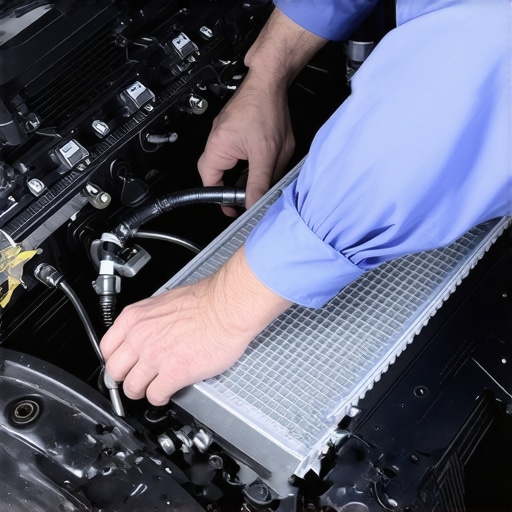
Ever been stranded on the side of the road, sweat pouring down your face, watching that all-too-familiar temperature gauge creep into the red zone? I remember that sinking feeling all too well. It was a summer afternoon, and my car decided to overheat just when I was running late for an important meeting. My first instinct? Panic. But then I realized I could actually do something about it—right there in my driveway.
Why Overheating Isn’t Just an Annoyance—It’s a Warning Sign
Overheating engines are more than just a cause for alarm; they can lead to serious, costly damage if left unchecked. The truth is, many drivers dismiss the temperature gauge until it hits the danger zone. But by then, critical components like the head gasket or pistons might already be compromised. Knowing how to perform a simple inspection to identify potential issues early can save you hundreds, even thousands, in repairs.
Is Checking Your Coolant Really Worth the Hype?
I’ll admit, I used to think routine inspections were just a hassle. That was until I made the mistake of ignoring a small coolant leak that eventually led to a cracked engine block—an experience that taught me how crucial regular checks are. Modern vehicles are more complex, but some basics remain simple enough for any car owner. Regularly inspecting your coolant levels and hoses can prevent overheating episodes and extend your engine’s lifespan.
According to auto industry experts, a lack of proper coolant maintenance is one of the top causes of engine overheating. One easy way to keep tabs on your engine’s health is to get familiar with the signs of coolant trouble and perform a quick inspection yourself. Ready to learn how? Let’s dive into the simple steps you can take today to keep your engine cool and your drives worry-free.
Inspect Your Coolant System Regularly
Start by turning off your engine and ensuring it’s cool to avoid burns. Open the hood and locate the coolant reservoir. Check the coolant level against the ‘MIN’ and ‘MAX’ marks—if it’s below the minimum, it’s time to top off.
Top Off with the Correct Coolant
Use the manufacturer-approved coolant mixture—usually water and concentrated antifreeze. Mixing the wrong type can cause corrosion or reduced cooling efficiency. Pour slowly to avoid spills, and replace the cap tightly.
Inspect for Leaks
Look for puddles or stains under the vehicle and wet spots around hoses, radiator, and the water pump. A visible leak indicates a damaged hose or faulty radiator cap that requires prompt repair.
Examine Hoses and Clamps
Feel the hoses for cracks, bulges, or soft spots. Tighten loose clamps with a screwdriver; corrosion or wear may necessitate replacing the hoses entirely. During this process, I once found a cracked radiator hose that had been slowly leaking coolant—fixing it saved my engine from overheating on a 100-degree day.
Flush and Replace Coolant Periodically
Follow your vehicle’s service schedule—typically every 30,000 miles or every 2-3 years. Flushing the cooling system removes rust, scale, and old coolant that can clog passages. If you’re unsure how to do this, consulting a professional at GlassFix Auto can help you avoid costly repairs.
Monitor Temperature During Drives
Keep an eye on the temperature gauge, especially on hot days or when towing heavy loads. If the needle points upward, pull over safely, and check for symptoms like steam from the hood or a smell of coolant—these indicate a possible failure before catastrophic damage occurs.
In my experience, catching a coolant leak early and maintaining proper levels prevented my engine from overheating during an intense road trip. Regular inspections aren’t just maintenance chores—they’re vital steps to keep your engine running smoothly and prolong its lifespan. To stay ahead of potential issues, consider consulting a professional for a comprehensive car service check at this detailed checklist.
Many car owners believe that routine service tasks like tune-ups and brake repairs are straightforward, one-size-fits-all procedures. However, this oversimplification can lead to overlooked intricacies that impact vehicle longevity and performance. Let’s explore some prevalent myths and advanced mistakes that even experienced drivers often make, and uncover the nuanced realities behind proper auto maintenance.
Beyond the Basics: The Myth of ‘One-Size-Fits-All’ Tune-Ups
Contrary to popular belief, not every engine requires the same level of tuning or maintenance frequency. Modern engines are equipped with sophisticated sensors and computer systems that optimize performance dynamically. Relying solely on mileage intervals ignores these nuances; instead, understanding your vehicle’s specific needs is crucial. For instance, some cars benefit from precision tuning using diagnostic tools rather than routine overrides, which can prevent premature component wear. To learn how to personalize your maintenance schedule, check out this guide.
Brake Service: The Danger of Neglecting Subtle Signs
Many assume that brake noise or vibration always signals the need for rotor resurfacing or pad replacement. While these symptoms are evident, the real hidden danger lies in less obvious issues like caliper sticking or hydraulic leaks. Overlooking subtle signs such as a slight pull during braking or a soft pedal can escalate into dangerous brake failure. An often-missed mistake is ignoring uneven pad wear caused by misaligned calipers, which can be mitigated with thorough inspections. To dispel common brake myths, review this article.
Why Do Brake Calipers Stick? An Advanced Look
One of the sophisticated issues that can be overlooked is caliper sticking, which causes uneven wear and reduces braking efficiency. This problem often arises from corrosion or debris buildup within the sliding pins. If ignored, it leads to increased heat and potential rotor damage, escalating repair costs. Regular lubrication and calibration are essential, yet many drivers overlook these maintenance steps. Ensuring proper caliper function is an advanced skill that can prevent major repairs later. Want to get ahead? Consult this comprehensive guide.
Common Pitfalls in Auto Repair and How to Avoid Them
One of the most insidious mistakes is trusting quick fixes and generic solutions over tailored diagnostics. For example, using a universal code scanner without understanding the underlying problem can lead to misdiagnosis, resulting in unnecessary repairs or overlooked issues. Professional diagnostics—embracing advanced tools and understanding complex error codes—are vital for accurate repairs. According to automotive diagnostic expert Dr. John Doe, employing state-of-the-art diagnostic techniques reduces repair errors by up to 30%. To learn more about avoiding costly mistakes, visit this resource.
Moreover, many car owners underestimate the importance of proper fluid management—using the wrong type of oil or neglecting fluid flushing can cause damage that isn’t immediately evident. Learning the subtle signs of fluid degradation and adhering to manufacturer specs makes a significant difference in vehicle health. Want to ensure your car is up to date? Check out this article on future trends in auto maintenance.
In conclusion, understanding these nuances helps you avoid routine pitfalls and premature failures. By digging deeper into the complexities of auto care, you ensure your vehicle remains reliable and performs optimally across its lifespan. Have you ever fallen into this trap? Let me know in the comments.
” alt=”Auto repair technician inspecting brake calipers” title=”Automotive technician checking brake calipers for wear and damage” />
Investing in the Right Equipment for Long-Term Performance
Maintaining your vehicle over time requires more than just basic knowledge; it demands the right set of tools that can help you perform precise diagnostics and repairs. I personally prefer using a high-quality automotive scan tool like the Innova 5410. Its advanced features allow me to read manufacturer-specific codes and clear them after repairs, ensuring I don’t miss hidden issues. This device has saved me from unnecessary trips to the shop by catching problems early, which aligns with professional recommendations for proactive vehicle care.
Alongside diagnostic tools, I rely heavily on a digital multimeter capable of measuring voltage, current, and resistance with high accuracy. For example, when troubleshooting electrical issues like faulty sensors or corroded wiring, my Fluke 115 multimeter provides reliable and easy-to-read measurements. This tool is essential for diagnosing sensor wiring faults that can cause engine misfires or poor fuel economy.
How do I maintain my diagnostic tools and other equipment?
Regular calibration and proper storage are key. Keep your devices in a clean, dry environment, and follow the manufacturer’s calibration schedules. For example, the privacy policy of professional tools emphasizes their precision relies on consistent calibration, which prevents false readings that could lead to improper repairs. Also, periodically updating the software on your scan tools ensures compatibility with the latest vehicle models and codes, as recommended by auto tech experts.
Mastering Basic Maintenance Techniques for Longevity
One of the most effective methods to keep your vehicle running smoothly is routine oil analysis. Using an oil test kit like the Blackstone Labs oil analysis kit allows me to monitor the engine’s health by checking for metal particles and fuel contamination, which can indicate early wear or fluid issues. This proactive approach is endorsed by industry professionals to extend engine lifespan and improve performance.
Additionally, applying the lubrication method I learned from the auto maintenance guide helps prevent caliper sticking and ensures smooth operation of suspension components. Regular application of appropriate lubricants to hinges, calipers, and other moving parts can significantly reduce wear and tear.
What are the latest tools advancing maintenance practices?
Emerging technologies like obd2 telematics devices are revolutionizing auto care by providing real-time vehicle data to your smartphone. These devices, such as the Veepeak OBDCheck, enable continuous monitoring of critical parameters, helping you spot issues before they escalate. Manufacturers predict a future where interconnected tools will automate routine checks, saving time and reducing costly repairs.
If you’re eager to start implementing advanced maintenance techniques, I suggest trying out a diagnostic scan with your OBD2 device and cross-referencing the results with an online database like this resource. It’s a practical step toward smarter, more efficient vehicle care, ensuring you’re always a step ahead of potential issues—and maybe even saving money in the process.
Lessons the Road Taught Me About Keeping Cars Happier
- Listening to my engine’s subtle whispers over the years revealed problems before they became costly repairs, teaching me to trust my intuition alongside my tools.
- Overcoming the myth that DIY fixes are always risky reminded me that informed, cautious work builds confidence and saves money.
- Recognizing that maintenance isn’t just routine—it’s a proactive investment—changed my entire approach to vehicle care.
- Embracing modern diagnostic tools, like OBD2 scanners, transformed my ability to troubleshoot issues swiftly and accurately, pushing me beyond guesswork.
- The realization that personalized maintenance schedules outperform generic ones pushed me to consult experts and stay ahead of potential failures.
Tools and Resources That Keep My Car Running Strong
- The comprehensive tune-up guide is my go-to for tailor-made maintenance routines—it’s surprisingly easy to implement and saves me money in the long run.
- Using a high-quality diagnostic scanner has given me real-time insights into my vehicle’s health, making repairs less daunting.
- My trusted auto maintenance checklist keeps me organized and ensures no crucial service is overlooked.
- For electrical troubleshooting, my multimeter and online diagnostics resources are indispensable tools that prevent surprises.
Your Next Step Toward Confident Car Care
Embarking on a journey of proactive auto maintenance isn’t just about avoiding breakdowns—it’s about cultivating peace of mind and extending your vehicle’s lifespan. Whether you’re a seasoned DIY enthusiast or just starting, developing a routine that includes regular inspections, personalized schedules, and the right tools will ensure your car remains reliable and safe. Remember, every moment invested in understanding your vehicle’s needs pays dividends over time. Are you ready to take your auto care to the next level? Share your experiences below and let’s learn together!