
Ever had that gut-wrenching moment when you’re cruising down the highway only to notice your steering pulling unexpectedly or feeling a subtle vibration in the wheel? Maybe you spot a worn-out tire and wonder how long you’ve been risking your safety. I remember one particular morning when I was heading to work, and my car started to feel off. It wasn’t just my imagination—my tire tread was dangerously low, but I hadn’t realized it until it was almost too late. That lightbulb moment made me realize how often we neglect simple maintenance checks, and I’ve come to appreciate the value of knowing how to quickly assess your tire condition—especially the tread—without needing professional tools or guessing games.
Why Checking Your Tire Tread Matters More Than You Think
Your tires are your car’s only contact with the road. When the tread wears down, it impacts your traction, braking distance, and overall safety. According to the National Highway Traffic Safety Administration, worn-out tires are one of the leading causes of tire-related crashes, which could be prevented with regular checks.
So, how can you tell if your tires are safe without heading straight to the mechanic? Enter the penny test—a simple, effective way to gauge your tire’s health that I’ve used countless times. It’s quick, free, and doesn’t require any fancy equipment. But before we dive into how it works, let me tell you a mistake I made early on—believing that visual checks alone were sufficient. Turns out, tires can appear fine but still be unsafe, which is why a simple test like this can be a lifesaver.
Is Checking Your Tread with a Penny Really That Reliable?
At first, I was skeptical—how could a penny possibly tell me if my tire was safe? Turns out, it’s surprisingly accurate when done right. The trick is in understanding the depth of the tread and how it correlates with safety standards. I once ignored the tiny bits of wear on my tires because they looked fine visually. That was a costly mistake, and it taught me the importance of a reliable, quick method to measure tread depth. Curious? Keep reading to discover how a simple penny can become your best friend during a roadside check or before your next long drive.
Now that we know why this matters, let’s look at how to actually perform the penny test and ensure your tires are in top shape for the road ahead. If you’re interested in broader auto maintenance tips, you might find our article on keeping your vehicle in top shape helpful. Ready to learn the easy trick that saves you time and money? Let’s go.
Performing the Penny Test with Precision
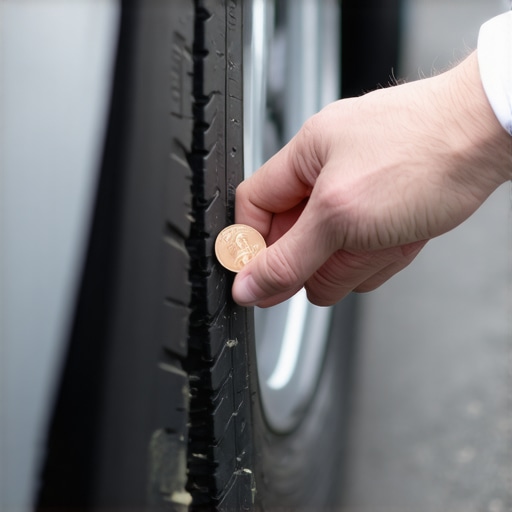
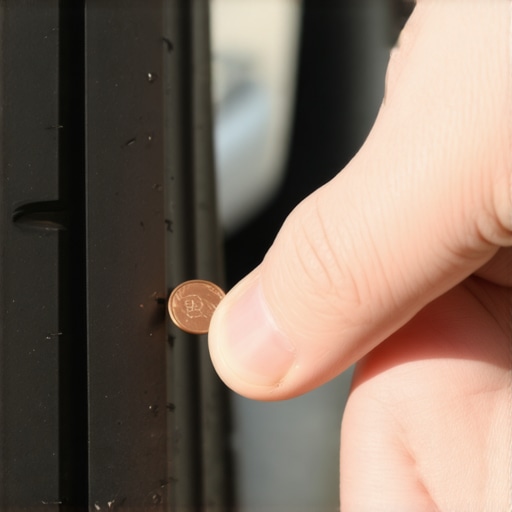
Take a standard penny and insert it into your tire tread with Lincoln’s head facing downward. Ensure that the penny is fully seated into the groove. Observe how much of Lincoln’s head is visible. If you see the top of Lincoln’s head, your tread is worn down below the recommended safety level. I once mistakenly thought a quick visual inspection was enough, but after doing the penny test, I realized my front tires had less than 2/32 inch tread, risking my safety on wet roads. This straightforward method gave me concrete proof and prompted an immediate tire replacement.
Identify the Critical Wear Patterns
*Uneven tread wear* isn’t just a cosmetic issue; it signals underlying problems like misalignment or suspension issues. For example, I noticed more wear on the inner edges of my tires, which indicated misalignment. Addressing these early prevents uneven tire wear, saves money, and improves handling. Regularly check for these patterns by inspecting each tire—look for bald spots, feathering, or cupping. If you spot irregularities, review the latest auto repair trends to stay ahead of potential fixes.
Ensure Proper Tread Depth for Safe Grip
Understanding the legal minimum tread depth is critical. Most states require at least 2/32 inch, but for optimal safety, aim for 4/32 inch on front tires and 5/32 inch on rears, especially in wet conditions. Use the penny test periodically, particularly before long drives or during seasonal tire changes. I made it a habit to check my tires every month—simple, quick, and informative. Investing a few minutes can prevent dangerous situations and costly repairs down the line.
Address Worn-Out Tires Before It’s Too Late
If your tire tread is dangerously low, replacing tires promptly is your best bet for safety. Remember, tires with worn tread are more prone to hydroplaning, skidding, and longer stopping distances. When in doubt, consult a professional or visit a trusted mechanic—consider booking an appointment through our contact page. Combining regular checks with professional tune-ups ensures your vehicle remains reliable on every journey, enhancing safety and performance.
Beyond just checking tire tread, staying informed about auto maintenance tips by browsing related content like tune-up strategies helps you keep your car in top shape. Remember, proactive care today prevents costly repairs tomorrow, extending your vehicle’s lifespan and ensuring safe travels every time you hit the road.
 Many car owners operate under misconceptions when it comes to routine maintenance, particularly tune-ups, brake services, and overall auto repairs. While advices often emphasize replacing parts at fixed intervals, the reality is far more nuanced. For instance, the widespread belief that all brake pads need replacement after a certain mileage ignores the advancements in brake pad materials. Modern high-performance pads can last much longer if properly maintained, but many mechanics still default to recommended intervals, which may not be necessary and could lead to unnecessary expenses.
Why Do We Keep Falling for Overgeneralized Maintenance Advice?
This tendency stems from outdated industry standards and marketing practices that promote fixed schedules, regardless of the vehicle’s actual condition. Studies from automotive experts like those cited in auto repair trend reports highlight how personalized maintenance extends the lifespan of components and saves money. One common trap is adhering strictly to mileage-based schedules without considering driving habits. For example, a vehicle used predominantly for short city trips accumulates wear differently than one on highway cruises. Overlooking this nuance can lead to premature part replacement or, worse, catastrophic failures. Remember, a comprehensive diagnostic check can reveal the true condition of critical parts like brakes and suspension.
An advanced maintenance approach advocates for regular inspection-based services, which require a trained eye to assess wear and tear objectively. Instead of blindly replacing parts, drivers should focus on signs of deterioration, such as uneven brake pad wear or suspension instability—details often missed during routine oil changes. This move toward smarter, condition-based maintenance aligns with recommendations from experts like those at auto tune-up specialists.
What Common Auto Repair Myths Might Be Sabotaging Your Car’s Health?
A typical myth involves the idea that engine flushes are always beneficial. Many believe that flushing a dirty engine will automatically improve performance, but in reality, unless your engine shows specific signs of sludge buildup, a flush might do more harm than good. Over-flushing can dislodge debris that then causes clogging or damage. According to mechanical research, like that found in auto troubleshooting guides, understanding when a treatment is necessary is crucial. Furthermore, there’s often confusion regarding the necessity of complete transmission fluid replacements. Many assume it’s a standard yearly task, but recent manufacturer recommendations suggest longer intervals based on driving conditions, which can dramatically extend transmission life when adhered to correctly.
Beware of the trap of believing more frequent services always mean better care. Excessive maintenance can introduce unnecessary risks and costs. Regular, condition-based checks by professionals, especially with complex systems like brakes and transmissions, ensure that you’re not replacing parts prematurely or neglecting worn-out components. This targeted approach aligns with best practices outlined by expert tune-up tips.
Have you ever fallen into this trap? Let me know in the comments. Ensuring your vehicle’s longevity involves understanding these hidden nuances and avoiding common misconceptions. So next time someone tells you to replace your brakes or change your oil at a certain mileage, ask yourself—are you making a well-informed decision or just following a tired myth? Taking a proactive, informed stance not only saves money but also enhances safety and vehicle performance. Remember, regular diagnostics and personalized maintenance are key, rather than just sticking to the schedule alone.
Tools I Recommend for Long-Term Car Health
Maintaining a vehicle over time demands more than just routine checks; it requires the right equipment and a disciplined approach. One of my go-to tools is a high-quality tire pressure gauge, specifically the BluSea Digital Tire Gauge. It offers precise readings up to 0.1 PSI, ensuring I maintain optimal tire pressure during seasonal changes, which directly affects fuel efficiency and safety. I always keep this gauge in my glove compartment because quick checks before long trips can prevent unexpected flats or blowouts.
For brake inspection, I rely on a mechanic’s stethoscope. It might sound fancy, but this device lets me listen for irregular noises in the brake calipers or pads. Since many brake issues develop gradually, catching subtle changes early is crucial. I personally prefer the AUTOOL Stethoscope because it isolates sounds well, preventing misdiagnosis and saving money. Regular use of this tool has helped me identify brake pad wear before it became unsafe, aligning with insights from brake system diagnostic guides.
Additionally, a sturdy OBD-II scanner like the BlueDriver has revolutionized my approach to auto maintenance. It pairs with my smartphone to read engine codes, monitor real-time sensor data, and even suggest repairs. Instead of relying solely on mechanic visits, I use the BlueDriver for routine diagnostics, which helps me plan repairs efficiently. As vehicle electronics become more complex, owning a reliable OBD scanner is becoming essential for proactive maintenance. Experts at auto repair trend analyses predict this trend will only grow in importance.
Adopt Smarter Maintenance Habits for Better Results
Using these tools actively shapes a maintenance routine that’s both effective and budget-friendly. It’s not just about responding to problems but preventing them. Regularly checking tire pressure and tread depth with my digital gauge, listening to brakes with a stethoscope, and running diagnostics with my OBD-II scanner allows me to catch issues early, often before warning lights pop up. This proactive stance extends my vehicle’s lifespan and ensures safety during every drive.
Looking ahead, I predict that diagnostic tools will become even more integrated with vehicle systems, possibly via wireless updates that sync directly with manufacturer data. This means future maintenance might prioritize software diagnostics over traditional physical inspections, streamlining repair schedules and reducing costs.
If you’re serious about keeping your vehicle in prime condition, I challenge you to try the brake bed-in procedure recommended by experts. Proper bedding can extend brake pad life and enhance performance—saving you money in the long run.
Invest in the right tools today, and your car will thank you with Reliability on every trip. Don’t wait for a breakdown—take control now!
What I Wish I Knew About Tire Checks Before It Was Too Late
One of the most valuable lessons I learned was that visual inspections alone can deceive you. I used to think that if my tires looked fine, I was safe—until I discovered the penny test, which revealed hidden dangers in my tread depth. This lightbulb moment taught me that simple, quick tools can make a huge difference in vehicle safety.
How Overconfidence in Routine Checks Can Cost You Big
Believing that visual cues are sufficient might lead to overlooked hazards. I once skipped the penny test during a routine check, only to find out later that my tread was dangerously worn. It made me realize that relying solely on sight can be a costly mistake, emphasizing the importance of concrete measures like the penny test to truly assess safety.
Why Personalized Maintenance Is the Future of Auto Care
Automotive technology is advancing, and so should our maintenance approach. Instead of adhering strictly to mileage-based schedules, embracing diagnostic tools like OBD-II scanners allows for tailored care based on actual vehicle condition. This shift not only saves money but also extends the lifespan of critical components, keeping your car in peak form longer.
My Secret Weapon for Safer, Smarter Driving
Investing in reliable tools such as a digital tire gauge, a mechanic’s stethoscope, and an OBD-II scanner has empowered me to catch issues early. These devices have transformed my approach from reactive to proactive, giving me peace of mind and protecting my investment. As auto systems become more sophisticated, having the right tools is no longer optional—it’s essential.
Your Next Step Toward Auto Confidence
Taking charge of your vehicle’s health through simple tests and diagnostic tools can dramatically improve safety and performance. Don’t wait for warning lights or road mishaps—be proactive today. How comfortable are you with performing basic auto checks, and what tools could take your maintenance routine to the next level? Share your thoughts below—your insights might inspire others to drive safer!