
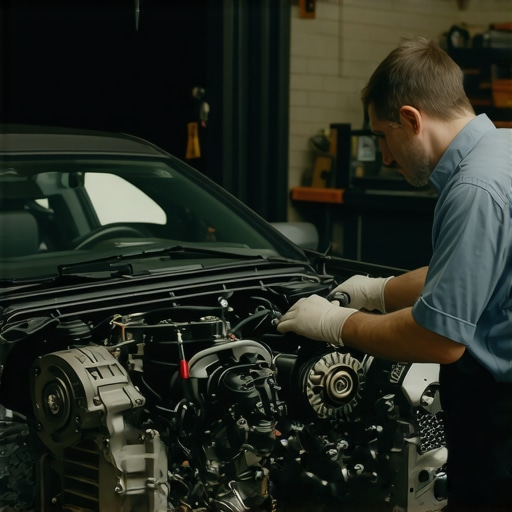
It was one of those mornings when I hit the gas pedal a little harder than usual, eager to merge onto the highway. But instead of a smooth surge forward, my engine hesitated, struggled, and then finally gave in with a rough shudder. That sinking feeling hit me—what’s wrong with my car? I had been there before, and I knew that feeling all too well. That frustrating hiccup when your car refuses to perform under stress is a signal something’s not right, and ignoring it can lead to bigger, costlier headaches down the road.
Uncovering the Honest Reason Behind Your Car’s Struggles
If your vehicle jolts or stalls when climbing hills, pulling a load, or accelerating hard, you’re not imagining things. These symptoms aren’t just nuisances—they’re clues pointing toward underlying issues that, if left unaddressed, could compromise your car’s health and safety. But here’s the good news: often, the fix is simpler than you might think. Today, we’ll explore what causes engine stumbles under load and how you can take action before the problem becomes serious.
Is It Worth Worrying About? The Myth of Ignoring Engine Hesitation
My early mistake was dismissing that rough feeling as just a rough day. I thought maybe a bit of bad gas or a temporary glitch. But in reality, ignoring these signs can lead to serious damage, like clogged fuel injectors or worn spark plugs. Studies show that timely maintenance can prevent up to 80% of engine failures, saving you money and stress (source: https://glassfixauto.com/how-regular-tune-ups-improve-fuel-efficiency-and-safety). So, if you’ve experienced moments where your engine seems to stumble under load, you’re not alone—and there’s a reason to pay attention now.
Getting ahead of the problem starts with understanding the common causes, which we’ll dive into next. If you’re eager to keep your vehicle running smoothly and avoid surprises, stay tuned. Proper tune-ups and regular checks are your best defenses—discover more at our car service checklist and learn how routine maintenance keeps your engine happy under pressure.
,
Start With a Basic Inspection
Clear your workspace and prepare your tools—wrenches, spark plug sockets, diagnostic scanner, and a flashlight. Begin by inspecting your spark plugs; remove one and check for signs of wear or carbon buildup, which can cause misfiring under load. Use a spark plug socket for easy removal and visualize any damage. Replacing worn plugs is akin to changing the batteries in a flashlight—it restores reliable performance. Ensure your fuel cap is tightly sealed, as a loose one can disrupt fuel pressure, leading to hesitation. If in doubt, consult the service checklist for comprehensive maintenance steps.
Hook Up a Diagnostic Scanner
Connect an OBD-II scanner to your vehicle’s diagnostic port—usually located under the dashboard. Turn the ignition away from the engine and follow scanner instructions to retrieve error codes. For example, a P0300 code indicates random misfires, often caused by faulty injectors or spark issues. Recording these codes provides precise clues to localize the problem. As I did in my own garage, reading these codes saves you guesswork and guides the next steps effectively. If you’re unsure how to interpret scanner data, check out troubleshooting tips.
Inspect Fuel and Air Systems
Next, examine your fuel filter and air intake components. A clogged fuel filter restricts fuel flow, mimicking engine hesitation under load. Replace it if it’s dirty or overdue for service—think of it as a blood filter for your car. Similarly, check the air filter; a dirty filter chokes airflow, reducing combustion efficiency. Use a clean cloth or compressed air to clear debris from intake sensors like the Mass Air Flow (MAF) sensor. Cleaning sensors can improve response, much like clearing a clogged pipe improves water flow. For detailed guidance, visit how cleaning sensors improves performance.
Test and Replace Faulty Components
Once your visual inspections are complete, start the engine and listen for irregular noises. Use a timing light or a mechanic’s stethoscope to detect misfiring or knocking sounds. If misfires persist despite new spark plugs, consider testing ignition coils for proper voltage delivery. Coils are like batteries powering your engine—when they fail, misfire and hesitation occur. Replacing them is straightforward: disconnect the spark plug wire, unscrew the old coil, and screw in the new one snugly. For precise instructions, refer to coil replacement guide.
Check Fuel Injector Functionality
Fuel injectors spray fuel into the engine; faulty ones can cause uneven fuel delivery, leading to hesitation. Use a spray cleaner compatible with injectors or a professional testing kit to check their spray pattern and response time. If an injector is clogged or leaking, replace it—think of it as fixing a leaky pipe to restore proper flow. This step can dramatically improve acceleration and engine smoothness. For comprehensive injector maintenance procedures, visit auto repair trends.
Consider Routine Maintenance for Long-Term Peace of Mind
Prevention is better than repair; schedule regular tune-ups to prevent recurring problems. A tune-up involves checking spark plugs, air and fuel filters, and inspecting ignition timing—all actions that safeguard performance. Think of it like preventative health—regular check-ups keep your car in top shape and avoid costly breakdowns. If you’re ready to plan your next tune-up, our tune-up guide offers valuable tips.
,Many drivers operate under misconceptions about auto repair and routine services, which can lead to costly mistakes. One common myth is that all tune-ups and car services are unnecessary if the vehicle seems to run fine—nothing could be further from the truth. Regular maintenance isn’t just about fixing problems; it’s about preventing them. Skipping scheduled services, like those outlined in our comprehensive car service checklist, might save money short-term but can cause long-term damage to vital components.
A nuanced misunderstanding involves brake services. Many believe that brake pads are the only component needing replacement during a brake job. In reality, neglecting underlying issues like warped rotors or worn calipers can compromise safety. For an in-depth look at common brake service myths, visit our guide on brake myths.
Advanced vehicle diagnostics reveal that sometimes, what appears to be a simple issue, like engine hesitation, can stem from overlooked anti-lock brake system (ABS) sensors or subtle fluid leaks. These nuances highlight the importance of precise diagnostics and a detailed understanding of modern automotive systems. For example, faulty sensors may not turn on the check engine light immediately but can cause performance dips, especially under load. Proper diagnosis prevents unnecessary part replacements and ensures repairs address the root cause.
Have you ever thought your vehicle’s symptom was minor, only to find out it was a harbinger of bigger trouble? This is where expertise matters. Relying solely on visual inspections without advanced diagnostics can be a trap—think of it as treating a symptom, not the disease. Modern cars are complex, with systems like electronic stability control or adaptive cruise control adding layers of sophistication. Ignoring these nuances can lead to expensive breakdowns.
For instance, neglecting routine tune-ups to improve fuel efficiency and safety not only wastes money but also accelerates wear on engine components. Similarly, premature brake wear due to overlooked caliper issues can cause uneven pad wear and increased stopping distances.
Understanding that many auto repair misconceptions stem from outdated practices or marketing hype is crucial. For example, some think that synthetic oils are only necessary for high-performance cars. In reality, using quality synthetic oils according to manufacturer recommendations can significantly extend engine life, as highlighted in our detailed guide on 60,000-mile services.
Maintaining your vehicle’s performance over time requires more than just basic know-how; it calls for the right tools and a systematic approach. Personally, I rely on a combination of precision diagnostic equipment and proven maintenance methods to keep cars running smoothly. One of my go-to tools is the **OBD-II scanner**, specifically the **BlueDriver Bluetooth Scan Tool**, because it offers comprehensive code readings and real-time data directly to my smartphone, making troubleshooting faster and more accurate. Using a reliable scanner like this helps me pinpoint issues such as misfires or sensor failures without guesswork, saving both time and money. Additionally, I invest in a quality **stethoscope for mechanics**, which allows me to listen closely to engine components like valves or injectors to detect abnormal sounds that indicate wear or impending failure.
For routine checks, I use a **digital torque wrench**, ensuring bolts are tightened to manufacturer specifications, which is critical when replacing brake pads or suspensions. Proper torque prevents uneven wear or component failure, especially in high-stress areas like rotors and wheel bearings. The **infrared thermometer** I keep by my workbench enables quick assessment of engine temperature zones, helping me identify overcooling or overheating issues during tune-ups.
Looking ahead, the trend in auto maintenance is moving toward **smart diagnostics and remote monitoring**. Vehicles now increasingly come equipped with telematics that can alert you to problems before they become serious, allowing proactive servicing. I believe that integrating these systems into my workflow will become standard, providing continuous feedback on the health of various components.
**How do I maintain these tools and ensure long-term reliability?** Regular calibration is key—digital torque wrenches and laser thermometers need periodic checks to maintain accuracy. I’ve set reminders every six months to calibrate my diagnostic gear, which prevents false readings and ensures consistent results. Also, I store my tools properly in a clean, dry toolbox, avoiding corrosion and damage.
To keep everything functioning, I follow this maintenance checklist: keep calibration records, replace batteries timely, and clean sensor tips after each use. Staying organized with a dedicated maintenance log makes it easier to track tool lifespan and service history.
By assembling a set of specialized, high-quality tools and developing a disciplined maintenance routine, I’ve been able to troubleshoot and repair issues more efficiently. If you’re serious about keeping your vehicle in top shape, investing in precise equipment and understanding its upkeep can dramatically improve your auto repair success rate. Want to take your skills further? Try calibrating your digital torque wrench at home—it’s simpler than you think and can significantly enhance your repair accuracy. For more comprehensive tips on routine maintenance, visit our car service checklist.
What I Wish I Knew Before Ignoring Minor Symptoms
One of the most valuable lessons I’ve learned is that ignoring early signs of car trouble is a false economy. That slight hesitation during acceleration or rough idle can snowball into costly repairs if left unchecked. I realized that paying close attention to my vehicle’s behavior and understanding the root causes of issues like engine hesitation empowers me to prevent major breakdowns and save money in the long run. Trusting my instincts and performing simple inspections early on has kept my car running smoothly and reminded me that proactive maintenance truly pays off.
Tools and Techniques That Changed My Approach
Over time, I discovered that investing in a few reliable tools—like a quality diagnostic scanner and a digital torque wrench—makes all the difference. These tools help me accurately identify problems such as misfiring cylinders or worn components, avoiding guesswork and unnecessary replacements. I also learned that routine inspections, like checking spark plugs and fuel filters, are quick wins that maintain engine performance. Combining these practical techniques with thorough knowledge from trusted resources has transformed my DIY approach, making auto repairs less daunting and more rewarding.
Becoming Your Own Auto Advocate Means Taking Action
The future of car maintenance is in your hands. By equipping yourself with the right knowledge and tools, you can catch issues early and keep your vehicle on the road longer. Regularly updating your skills and staying curious about how your car works ensures you’re not at the mercy of mechanics or expensive surprises. Remember, every small effort—whether it’s learning to interpret diagnostic codes or understanding the importance of routine tune-ups—builds confidence and keeps your car running at its best. You have the power to be proactive rather than reactive, so start today and enjoy the peace of mind that comes with being in control of your car’s health.
Which step in diagnosing engine hesitation have you found most effective? Share your experience below!
,