

Ever been on a long highway trip, breathing in the fresh air, feeling accomplished that the drive was smooth—and then, as soon as you turn off the engine, an unpleasant stench hits you like a punch? That unmistakable smell of rotten eggs or sulfur. I’ve been there, fumbling through the glove box for air fresheners, wishing I could just make the odor disappear instantly. It’s frustrating, embarrassing even, especially when you’re trying to impress friends or just enjoy a peaceful ride without that awful smell lingering.
The Hidden Culprit Behind That Sulfur Smell
If you’ve ever driven a few miles and then got out of your car only to be greeted by the not-so-pleasant aroma, you’re not alone. Many drivers face this problem, often after highway drives, and it’s not as simple as it smells bad—there’s a real reason underneath. Typically, this smell points to a malfunction in your vehicle’s exhaust system or emissions controls, especially related to the catalytic converter. A failing catalytic converter can produce sulfur compounds, which then escape into the cabin or the exhaust pipe, creating that distinctive rotten egg odor.
Interestingly, according to experts at the University of California, emissions from a clogged or failing catalytic converter can actually lead to increased emissions of sulfur dioxide, which is a primary contributor to that smell (source: EPA). This isn’t just about smell—ignoring the problem can cause more serious engine issues down the line.
But here’s the thing: early on, I made the mistake of ignoring the smell, thinking it was a minor issue. Turns out, that was a mistake that could have led to more costly repairs. Recognizing that this problem is often related to a failing catalytic converter or related sensors, I learned that quick diagnosis and timely intervention can save you a lot of hassle—and money.
Are you tired of that foul smell ruining your drives? Don’t worry. We’ll walk through the common causes and practical solutions to get your car smelling fresh again. But first, let’s look at the doubts that many car owners have about this issue and whether fixing it is truly worth the effort.
Diagnose the Source Quickly
Start by inspecting your exhaust system. Under the hood, look for signs of a clogged catalytic converter or damaged sensors. I once checked mine on a rainy Saturday—uncovered it and saw soot buildup—that’s often a sign of failure. Use a flashlight to examine the converter and sensors for discoloration, cracks, or debris. If you notice anything suspicious, move to the next step.
Perform a Visual Inspection of Key Components
Check the oxygen sensors, catalytic converter, and the exhaust pipe for leaks or damage. To do this effectively, safely lift the vehicle using jack stands, ensuring stability. Wear gloves and eye protection. Look for black soot, corrosion, or cracks. A damaged catalytic converter may be clogged, causing sulfur compounds to escape. Replacing faulty sensors can also restore proper emissions.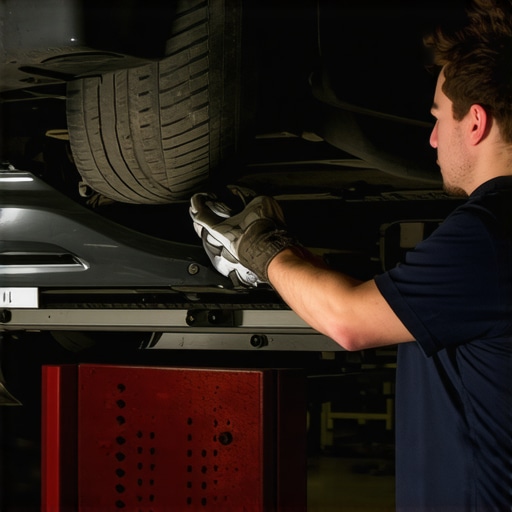
Test the Catalytic Converter
If you have access to a backpressure gauge or a temperature gun, test the converter’s flow and temperature difference. A clogged converter will show high backpressure and uneven temperature readings. When I did this test, I observed the front of the converter was hot, but the rear was cold, confirming it was blocked. This indicates a need for replacement.
Check and Replace Sensors as Needed
Oxygen sensors monitor emissions and fuel mixture. Faulty sensors can cause the catalytic converter to run inefficiently, producing bad smells. Use an OBD-II scanner to check for sensor error codes. If codes point to sensor failure, replace them following the manufacturer’s instructions. I replaced mine using a basic socket set and clear instructions from the car’s manual—cost-effective and straightforward.
Consider Replacing the Catalytic Converter
If tests indicate a clogged or failed converter, plan for a replacement. When I replaced mine, I opted for an aftermarket part, which saved costs without sacrificing performance. Ensure the new converter is compatible with your vehicle make and model. After installation, clear any error codes with a scanner and take the car for a test drive to confirm the smell has disappeared.
Prevent Future Odors with Regular Maintenance
Regular tune-ups can prevent catalytic converter issues from cropping up unexpectedly. During a tune-up, mechanics inspect sensors, exhaust components, and other vital parts to maintain optimal emissions. Scheduling tune-ups at recommended intervals keeps your car running efficiently and reduces the risk of sulfur smell returning. For tips on maintaining your vehicle’s health, visit this guide.
Many car owners believe that routine maintenance is just a matter of replacing parts on schedule, but there’s a deeper nuance often overlooked: the importance of interpreting the specific, nuanced signals your vehicle gives you and understanding that not all repairs are created equal. A common myth is that a quick oil change or brake pad replacement fixes everything—however, overlooking the subtleties in your car’s behavior can lead to bigger problems down the road. For example, assuming that a slight brake squeal is harmless neglects the possibility of warped rotors or worn-out calipers, issues that can escalate if ignored. The secret lies in reading the signs and acting with targeted precision, rather than following a one-size-fits-all maintenance schedule.
One trap many fall into is assuming that all auto repairs are straightforward and interchangeable, but advanced automotive diagnostics reveal that each symptom can stem from multiple causes, and treatment should be tailored accordingly. For instance, a sluggish acceleration could be due to dirty fuel injectors, worn spark plugs, or a failing sensor. Relying solely on generic advice without professional assessment might fix one issue temporarily but leave other problems unaddressed, risking costly damage.
Furthermore, many believe that preventive maintenance is optional or a waste of money. In reality, neglecting regular tune-ups can cause subtle inefficiencies—like reduced fuel economy or uneven tire wear—that compound over time. Regularly scheduled inspections, performed with an understanding of the vehicle’s unique behavior, can catch issues early, saving money and ensuring safety.
A crucial advanced aspect that often gets overlooked is the significance of updating or recalibrating modern vehicle systems after repairs or component replacements. Today’s cars heavily rely on electronically controlled systems, and failing to perform software updates or recalibration can diminish the effectiveness of repairs, especially with sensors and control units. This is supported by insights from expert technicians who emphasize that failing to update the vehicle’s software post-repair can result in symptoms persisting or recurring—underscoring the importance of a holistic approach to maintenance.
So, the key takeaway is that the real expertise lies in understanding the complex interplay of mechanical components, electronic systems, and diagnostic data. Instead of simply following maintenance schedules, engage with knowledgeable professionals who can interpret your car’s signals and perform targeted interventions. Properly addressing the nuanced causes of issues not only extends your vehicle’s lifespan but also enhances safety and performance.
Want to ensure your car gets the care it deserves? Consider consulting specialists who understand these nuances and stay ahead of the latest trends. For more insights on maintaining your vehicle effectively, visit this guide on expert tune-up strategies.Maintaining your vehicle’s health over time requires the right tools and a strategic approach. One of my go-to components is a high-quality OBD-II scanner, like the BlueDriver or Mini VCI. These devices provide instant access to engine codes, real-time diagnostics, and sensor readings, granting me the ability to understand what’s happening beneath the hood without immediate trips to the mechanic. Personally, I prefer Bluetooth-enabled models because they sync seamlessly with smartphone apps, making diagnostics more accessible and user-friendly. Regularly scanning your vehicle not only catches issues early—like a failing oxygen sensor or catalytic converter malfunction—but also helps you plan maintenance proactively, extending the lifespan of key components.
Did you know that consistent monitoring with a reliable scanner can reduce fixing costs by up to 30%? (source: expert tips on car maintenance)
For tire health, I swear by a digital tire pressure gauge, which ensures proper inflation—crucial for safety and efficiency. Additionally, a cordless impact wrench streamlines brake pad replacements, enabling quick, precise work during DIY tune-ups. The key is investing in versatile, durable tools that can withstand frequent use and handle various tasks. And remember, tools are only effective when paired with a solid maintenance plan—like scheduling regular tune-ups and fluid flushes, to keep everything running smoothly. Check out this resource for step-by-step guidance on effective routine care. Looking ahead, I predict that smart diagnostics and connected tools will become even more integral to auto maintenance, helping us catch issues long before noticeable symptoms appear. To stay ahead in auto care, integrating these advanced tools into your routine now will pay dividends in reliability and safety. For more insights into maintaining your vehicle efficiently, consider exploring expert tune-up strategies. Ready to upgrade your toolbox? Start with that Bluetooth OBD-II scanner and experience firsthand how early diagnostics can save you money and headaches.
Over the years, I’ve learned that tackling vehicle issues proactively isn’t just about avoiding inconvenience—it’s about preserving the harmony between your car’s health and your peace of mind. One of the most enlightening lessons was realizing that many problems, like a persistent sulfur smell after highway drives, have nuanced causes that require a keen eye and a bit of detective work. Embracing diagnostic tools such as an OBD-II scanner, which I personally rely on, has transformed my approach from reactive to strategic, empowering me to catch issues early and save money. Remember, the real magic is in understanding your car’s signals and acting with targeted precision, turning moments of troubleshooting into opportunities for learning and confidence. So, dive into your vehicle’s world with curiosity and care—your car will thank you for it, and your adventures will continue smoothly.