
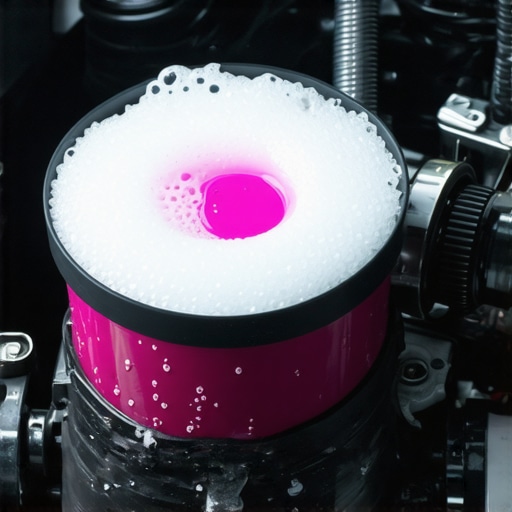
I still remember the sinking feeling in my gut when I pulled into my driveway and heard that dreaded groan coming from under the hood. It was a Saturday morning, I had a dozen errands to run, and my steering wheel felt like it was stuck in wet cement. When I finally popped the hood, I expected a leak. Instead, I found a reservoir overflowing with what looked like a frothy strawberry milkshake. I’d seen plenty of car issues before, but foaming power steering fluid felt like some kind of weird chemistry experiment gone wrong. If you’re seeing bubbles or foam in your reservoir right now, do not panic. You aren’t necessarily looking at a thousand-dollar repair bill, but you definitely can’t ignore it.
That Scary Pink Foam Isn’t Magic
The first thing you need to know is that power steering fluid is supposed to be a clear, steady liquid. When it turns into foam, it’s usually because air is being sucked into the system and whipped up by the pump. It’s a lot like how a barista foams milk for a latte, except your car isn’t a coffee shop and that “latte” is destroying your steering rack. I made the mistake early on of thinking I could just keep driving and it would “settle down.” Spoiler alert: it didn’t. In fact, ignoring it is a one-way ticket to needing a comprehensive car service sooner than you’d like. My delay only turned a small air leak into a much bigger headache.
Today, I’m going to show you exactly why this happens and how to track down the culprit without losing your mind. We’ll look at the common entry points for air and why your car whines like a jet engine every time you turn the wheel. Have you ever opened your hood and felt like your car was literally boiling over with bubbles? It’s a common sight for DIYers, but it’s always a bit startling the first time. The good news is that most of the time, the fix is simpler than you think.
Do I Really Need a New Pump or Am I Getting Scammed?
This is the big fear, right? Your local shop tells you the whole system is shot. But often, the foam is just a symptom of a fifty-cent O-ring that’s gone brittle. According to automotive experts at the National Institute for Automotive Service Excellence (ASE), many steering “failures” are actually just simple air leaks in the suction line that mimic pump failure. Air is much thinner than fluid, so a seal can be “air-tight” enough to keep fluid in but “loose” enough to let air in when the pump creates a vacuum. It’s a tricky bit of physics that confuses even seasoned mechanics. Before you go spending big bucks, we need to check if you’re just dealing with common auto repair issues that you can handle in your own driveway. Let’s get our hands dirty and find that leak.
Stop the Bubbles Before They Kill Your Pump
When you see foam, the first thing you need to do is check the fluid level, but don’t just pour more in and call it a day. If the reservoir is low, the pump starts sucking in air through the intake port, creating a vortex that whips the fluid into a froth. Think of it like trying to drink the last bit of a milkshake through a straw; that gurgling sound is exactly what your pump is doing. If you let this go, you’ll soon wonder why your steering wheel feels heavy even with full power steering fluid because the air bubbles have displaced the hydraulic pressure needed to move your wheels. Before you spend a dime, make sure you are using the exact fluid specified in your manual. Mixing the wrong types can cause chemical reactions that lead to premature foaming.
Hunt Down the Tiny Air Leak
If your fluid level is actually fine but the foam remains, you have a ‘ghost leak.’ This happens on the suction side of the pump. Because the pump is pulling fluid in, it creates a vacuum. If a hose is loose or an O-ring is brittle, it won’t leak fluid out, but it will suck air in. I learned this the hard way on a rainy Tuesday with my old 2008 SUV. I was so convinced the pump had exploded that I spent $150 and three hours on a replacement, only to realize the intake hose clamp had simply wiggled loose. I ended up covered in red fluid and out of a Saturday, all for a fix that would have cost me zero dollars if I’d checked the ‘straw’ first. This is a classic example of why you should learn to troubleshoot common auto repair issues before visiting the shop. Inspect the O-ring where the plastic reservoir or intake hose meets the metal pump body; if it looks flattened or cracked, that is your culprit.
Flush Out the Air Without Wrecking the Pump
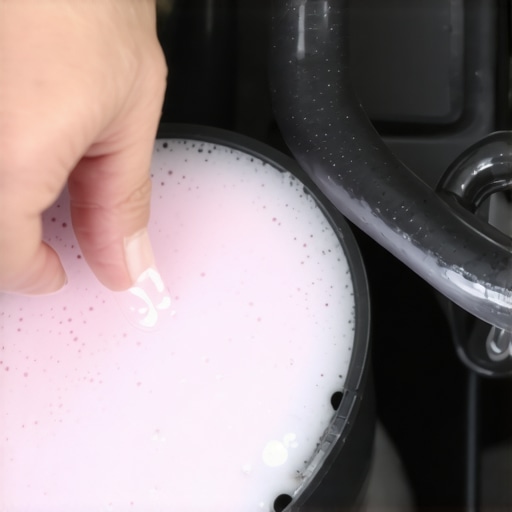
Once you’ve tightened the clamps or replaced that fifty-cent O-ring, you have to get the air out of the lines. Do not just start the car and drive away; that’s the fastest way to burn out the bearings. Instead, jack up the front of the car so the wheels are off the ground. With the engine off, turn the steering wheel slowly from lock to lock—all the way left, then all the way right—about 20 times. You’ll see big bubbles gulping up through the reservoir. This manual method protects your hardware. This kind of attention to detail is what separates a basic fix from a professional car service checklist routine. If the fluid stays clear after this ritual, you’ve won. If the foam returns immediately upon starting the engine, you still have an air entry point somewhere in the high-pressure lines or the steering rack itself.
Decide if It is a Simple Fix or a Major Overhaul
Sometimes the foam is a sign of a internal seal failure inside the steering gear. If you’ve replaced the O-rings and tightened the hoses but still hear that jet-engine whine, it’s time to look deeper. Use a flashlight to inspect the bellows boots on your steering rack; if they are soaked in fluid, the internal seals are gone. Knowing how to tell if your car needs a simple tune-up or a major repair can save you from throwing parts at a problem that requires a professional’s lift. In most cases, though, that foamy mess is just a sign of a system that needs a little bit of air-tight TLC and a proper bleeding sequence.
I see it all the time in the DIY community: the assumption that if some fluid is good, more must be better. But here is the contrarian truth that most people miss: overfilling your power steering reservoir is just as likely to cause foaming as a leak is. When you fill it to the very brim, you leave no room for the fluid to expand as it heats up. This creates a high-pressure environment where the fluid eventually forced through the cap or whipped into a froth by the return line. It’s a classic mistake that leads people to believe they have a mechanical failure when they actually just have an over-enthusiastic pouring arm. If you’ve already topped it off and the bubbles won’t stop, you might need to use a turkey baster to pull some out and follow expert tune-up strategies to reset the system properly.
The “Stop-Leak” Trap That Ruins Modern Racks
One of the biggest mistakes I see involves those “magic” bottles of stop-leak additive. People see a few bubbles or a small drip and dump a thick, gooey chemical into their reservoir. While these products work by temporarily swelling rubber seals, they can also clog the fine internal screens and orifices of your steering rack. In modern vehicles, where tolerances are tighter than ever, these additives can turn a minor O-ring fix into a total system replacement. Instead of reaching for a chemical band-aid, it’s much safer to stick to a comprehensive car service approach where you identify the actual source of the air entry. I once watched a friend destroy a perfectly good rack on a 2015 sedan because he thought a $10 bottle of sealant was a shortcut to a real repair. It wasn’t.
Can a High-Pressure Flush Actually Damage an Older Steering Rack?
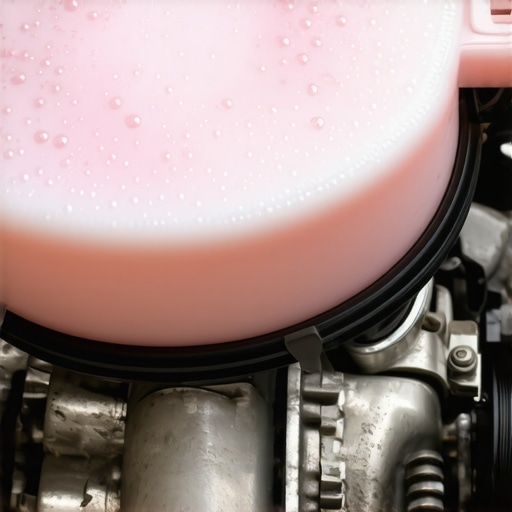
This is where things get controversial among mechanics. Many shops push a power flush as a cure-all for noisy steering. However, in my experience—and backed by research from organizations like the Society of Automotive Engineers (SAE)—forced high-pressure flushes can actually dislodge debris that was safely settled in the corners of the system, sending it straight into the delicate valving of the steering gear. According to SAE technical papers on hydraulic cavitation, once fluid has chemically broken down, it loses its anti-foaming properties, but a gentle gravity drain and fill is almost always safer than a high-pressure machine flush on a car with over 100,000 miles. Understanding the real cost of skipping your 100,000-mile major service involves knowing when to be gentle with your aging hardware.
Why “Lifetime” Fluid Is the Biggest Lie in Automotive Maintenance
If your manual says the power steering fluid is “lifetime,” please don’t believe it. Fluid is a consumable, just like brake pads. Over time, the heat from the engine and the friction of the pump break down the additives that prevent foaming and corrosion. When those additives fail, the fluid becomes more susceptible to aeration. This isn’t just limited to steering; it’s a common theme in brake service myths as well. Many drivers assume that if a light isn’t on, the fluid is fine. By the time the foam appears, the fluid has usually been “dead” for months. Have you ever fallen into this trap of believing a “lifetime” label? Let me know in the comments. Keeping a rigorous car service checklist and replacing fluid every 50,000 miles is the best way to ensure you never have to deal with a screaming pump on a cold morning. If you’re still stuck, it’s never a bad idea to contact us or a trusted local specialist to get a professional diagnosis before you start replacing expensive parts.
I’ve spent too many Saturdays chasing air bubbles to keep using the ‘hope and pray’ method. If you’re serious about DIY, you need to ditch the turkey baster for a professional-grade vacuum pump. Personally, I swear by the Mityvac 8500 Silverline. While most guys use it for understanding brake system repairs, it is actually the secret weapon for power steering. By using a rubber stopper over the reservoir and pulling a vacuum, you can force the air out of the fluid without even turning the engine on. It saves hours of turning the wheel back and forth and prevents the pump from ever running dry, which is how you tune up your car for peak performance without damaging expensive components.
How can I keep my steering system healthy over the long haul?
The key to longevity isn’t just fixing leaks; it’s preventing the chemistry of the fluid from turning acidic. Every two years, I perform a ‘dilution flush.’ I suck out the reservoir and refill it with fresh synthetic fluid. It’s a five-minute job that ensures you are always ahead of the curve. This proactive approach is a core part of any car service checklist. As noted in the Mitchell 1 ProDemand diagnostic database, nearly 30% of hydraulic steering noise complaints are actually resolved by addressing air intrusion and fluid degradation rather than mechanical pump failure. If you stay on top of the fluid, the pump should easily outlast the car.
Looking ahead, the era of hydraulic steering is actually coming to an end. When we look at auto repair trends to watch in 2025, it’s clear that Electric Power Steering (EPS) is becoming the standard. These systems don’t use fluid at all, which eliminates the foam problem but introduces complex electrical ghosts. Until you trade in your current ride for a fully electric rack, you need to treat your hydraulic lines with respect. For those with high-mileage vehicles, knowing how to tell if your car needs a simple tune-up or a major repair depends heavily on how clean that fluid looks on a white paper towel.
If you really want to maximize your car’s lifespan with expert tune-up strategies, you should also invest in a basic infrared thermometer. I use mine to check the temperature of the power steering return line after a long drive. If it’s consistently over 180 degrees Fahrenheit, I know the fluid is breaking down or there’s a restriction in the cooler. It’s this kind of data-driven maintenance that keeps you out of the shop and on the road. If you’re still hearing that persistent whine even after a perfect bleed, it might be time to contact us or your local specialist to check for internal rack wear. My challenge to you this weekend: check your fluid color against a fresh drop from the bottle. If it’s dark brown or smells burnt, don’t wait for the bubbles to start—flush it now using the vacuum method I mentioned.
What I Learned the Hard Way About Steering ‘Ghost Leaks’
After years of turning wrenches, I’ve realized that the most expensive mistakes are usually the ones made in a hurry. When you see that pink foam, your brain screams ‘broken pump,’ but your wallet should be whispering ‘check the seals.’ I once spent an entire paycheck on a high-end steering rack when a simple tune up for peak performance and a new intake hose would have solved it. Here is the insider truth: if your steering is noisy only when the engine is cold, you almost certainly have a microscopic air leak on the suction side, not a mechanical failure. Don’t let a mechanic talk you into a total overhaul before you’ve tried the ‘lock-to-lock’ bleeding method I mentioned earlier.
- Trust the Vacuum: If you can’t find a leak, use a vacuum pump to see if the system holds pressure.
- Color Matters: Fresh fluid should look like cherry juice; if it’s brown, it’s acidic and eating your seals from the inside.
- Temperature Check: Heat is the silent killer of power steering fluid additives.
My Personal Toolkit for Silencing a Whining Pump
You don’t need a professional shop to get professional results, but you do need the right gear. I always keep a bottle of OE-spec synthetic fluid on hand—mixing brands is a recipe for foam. For diagnosis, I never work without a Mityvac 8500 Silverline; it’s the same tool I use when understanding brake system repairs because it pulls air out of lines like nothing else. I also recommend keeping a simple infrared thermometer in your glovebox to monitor fluid temps during the summer. Knowing how regular tune-ups improve fuel efficiency and safety includes keeping these systems cool and quiet.
#IMAGE_PLACEHOLDER_E#
Keep Your Hands on the Wheel and the Bubbles at Bay
Steering issues can be intimidating, but they are also incredibly rewarding to fix yourself. There is a specific kind of pride in taking a car that sounds like a dying jet engine and turning it back into a silent, smooth machine with just a few dollars in parts and some patience. Whether you are performing a simple tune-up or a major repair, remember that every bubble you bleed out is a mile added to your pump’s life. You’ve got the knowledge now; go out there and silence that whine.
Have you ever spent hours chasing a steering noise only to find a loose hose clamp was the culprit? Let me know your biggest ‘Aha!’ moment in the comments below!