

It was late on a cold, rainy evening when I first learned the hard way why that flashing check engine light is a warning you can’t afford to ignore. I was cruising home, savoring the quiet hum of my engine, when suddenly, the dashboard erupted with that flickering, strobe-like glow. For a split second, I thought it was just a glitch, a minor hiccup. But then I remembered a crucial piece of advice from my early days of car ownership: a flashing check engine light demands IMMEDIATE attention. That moment was my wake-up call—a stark reminder that some warning signals are alerts you simply can’t dismiss.
Facing the Sudden Flashing Warning: The Wake-Up Call Every Driver Needs
Imagine driving along, maybe heading to work or picking up groceries, when suddenly your dashboard lights up with a flashing check engine light. It’s startling, right? That bright, flashing signal is like your vehicle’s way of shouting, “Stop right now!”. Ignoring it isn’t just risky—it’s dangerous. Over the years, I’ve seen firsthand how such warnings can be the difference between a minor repair and a catastrophic breakdown. The importance of understanding what this blinking alarm means cannot be overstated.
The truth is, a flashing check engine light indicates a severe problem—often a misfire that can damage your catalytic converter if not addressed immediately. My mistake early on was dismissing similar warnings, thinking they were minor glitches or just a routine warning that could wait. But that misstep almost cost me a lot more than just a service bill. According to automotive experts, driving with a flashing warning light can lead to more expensive repairs and, worse, safety hazards. It’s critical to grasp why acting swiftly is essential.
For me, catching the warning signal early saved my engine and my wallet. And I want the same for you. If you’ve ever wondered whether that blinking light is just a scare tactic or something serious, you’re not alone. Many drivers overlook it until it’s too late. But don’t worry—we’re about to demystify this warning and prepare you to respond like a pro.
Understanding what triggers that flashing light and knowing the immediate steps to take can make all the difference. So, let’s dive into why that blinking dashboard icon is a red flag and how you can handle it before it turns into a costly crisis. Want to avoid my mistake? Keep reading, because the next steps could save your engine—and maybe your life.
Pull Over Safely and Diagnose the Warning
When the check engine light flashes, treat it like a warning siren—immediately reduce speed and find a safe spot to stop. Don’t try to ignore or power through it. Instead, turn on your hazard lights, and if possible, pull over within a few hundred yards. Think of it as your car’s way of shouting for help; ignoring it could lead to severe engine damage. Use a code reader or visit a nearby auto parts store that offers free diagnostics to find out what triggered the alert. This quick action can prevent costly repairs and keep you safe.
Check Basic Safety and Engine Status
Once stopped, pop the hood and visually inspect the engine bay. Look for obvious issues like loose or frayed wires, disconnected hoses, or signs of fluid leaks. If you notice heavy smoke, unusual smells, or if the engine is overheated, do not attempt to drive further. Instead, call for roadside assistance or a professional mechanic. Treat every flashing warning as a red flag—your safety and your engine’s health depend on swift, decisive action.
Utilize Your Vehicle’s On-Board Diagnostics System
Many modern cars are equipped with On-Board Diagnostics (OBD-II) systems that can quickly tell you more about what’s wrong. Using an OBD-II scanner, plug into the port (usually under the dashboard), and read the trouble codes. For example, codes like P0300 indicate misfires, and knowing this helps you decide whether to continue carefully or to avoid driving altogether. Troubleshooting common auto issues can prepare you for what to expect next. Remember, these codes are a shorthand for complex problems—use them to guide your next steps wisely.
Decide Whether to Drive or Book a Tow
If the code points to a severe issue like a misfire or catalytic converter problem, it’s safest to have your car towed to the repair shop. Continuing to drive can cause engine damage or complete failure. Think of it as a doctor advising bed rest for a serious injury—ignoring the pain only worsens the condition. On the other hand, if the diagnostic indicates a minor issue, such as a loose gas cap, you might be able to drive for short distances after tightening it. Keeping your vehicle in top shape with proper maintenance includes understanding when a quick fix is enough and when to seek professional help.
Plan Immediate Repairs or Wait Them Out
If you’re sure the issue isn’t urgent—like an inactive check engine light—schedule repairs at your convenience. For urgent warnings, prioritize quick fixes to prevent further damage. In my experience, I once noticed the light flash during a short trip; I safely pulled over, checked the code, and realized it was a misfire caused by a worn spark plug. Replacing it myself, I avoided an expensive visit to the shop. But if you’re unsure or uncomfortable, don’t hesitate to consult a professional. Remember, proactive responses to dashboard signals can save you money and extend your car’s lifespan. For ongoing care, consider scheduling regular tune-ups that can prevent these surprises before they happen. Maximize your car’s lifespan with expert tune-up strategies.
Many car owners operate under misconceptions about routine maintenance and auto repairs, leading to costly mistakes. One common myth is that all brake services are the same; in reality, skipping detailed diagnostics can cause uneven wear or brake failure later. According to auto repair experts, understanding the nuances of brake system repairs can save you money and prevent dangerous situations. Another misconception is assuming that a simple tune-up only involves changing spark plugs; however, comprehensive tune-ups include inspecting sensors, cleaning fuel injectors, and adjusting engine timing, which significantly improves fuel efficiency and safety. This aligns with insights from modern trends indicating that proactive maintenance extends vehicle lifespan and reduces unexpected breakdowns.
A hidden nuance many overlook is the importance of diagnosing the real cause behind a minor issue. For example, a vehicle pulling to one side during braking isn’t always a worn brake pad; it could be a warped rotor or a faulty wheel bearing. Advanced diagnostics can differentiate these issues early, preventing unnecessary repairs or safety hazards.
Crucially, some think that shortcuts, like delaying fluid changes or ignoring warning lights, won’t impact long-term performance. Studies show that neglecting regular fluid replacements, such as brake fluid or coolant, can lead to corrosion and system failure over time. The experts recommend scheduled flushes to maintain optimal function.
Ever wondered if the 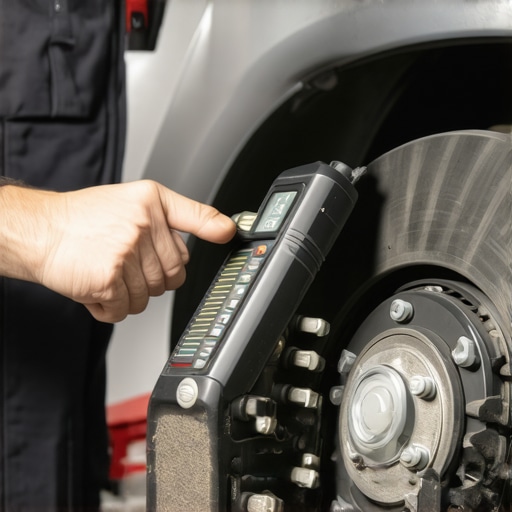 above depicts a typical brake inspection? It’s essential to visualize these critical processes, as they are integral to your vehicle’s safety.
Making informed decisions about auto repair often involves recognizing misconceptions and understanding the advanced nuances. If you’re like most drivers, you might fall into these traps without realizing the consequences. Remember, a proactive approach—regular inspections, diagnostics, and understanding the specifics of repairs—can save money and lives. Want to avoid common pitfalls? Stay curious and ask questions about your maintenance routine.
Have you ever fallen into this trap? Let me know in the comments.Maintaining your vehicle’s performance over the long term isn’t just about immediate repairs—it’s about establishing a routine with the right tools and knowledge. As someone deeply involved in auto repair, I rely on specific equipment and methods to ensure my car stays in top shape, preventing costly breakdowns and extending its lifespan. One of my go-to tools is an OBD-II scanner, like the BlueDriver Bluetooth Professional Diagnostic Scan Tool. I personally favor this model because it seamlessly connects to my smartphone, providing detailed diagnostic trouble codes and live data that help me identify issues early. This proactive approach allows me to address problems before they escalate, saving money and downtime.
Another crucial tool I use regularly is a high-quality digital multimeter. It’s invaluable for diagnosing electrical issues, testing battery voltage, and checking sensor outputs. I prefer the Fluke 115 model for its durability and precision, which I’ve found essential when troubleshooting complex systems like brake sensors or ignition coils. Consistently monitoring your vehicle’s electrical health can prevent unexpected failures and improve safety.
When it comes to routine maintenance, I emphasize the importance of quality fluids and genuine parts. Regularly changing your engine oil with synthetic variants, like Mobil 1, enhances engine longevity and performance. Using proper fluids for brake, transmission, and coolant systems, coupled with precise procedures—such as thorough bleeding of brake lines—ensures optimal function. Following a comprehensive service checklist, like the ones available on auto shop resources, helps keep your vehicle reliable.
Predicting future trends, the integration of smartphone apps with diagnostic tools is revolutionizing auto maintenance. Imagine real-time data logging, predictive analytics, and remote diagnostics becoming standard. Staying ahead involves adopting smart tools and embracing technology, which can revolutionize your maintenance routine.
**How do I maintain my brake system to prevent costly repairs?** Regular inspections are vital. I recommend checking brake pads for uneven wear, rotors for warping, and brake fluid levels—at least every six months. Using a scanner to monitor brake sensor data can alert you to early signs of issues, allowing preventive action before failure occurs.
If you haven’t incorporated these advanced diagnostic tools and routine checks into your maintenance, I highly encourage you to start today. For example, using an OBD-II scanner to predict potential engine or system failures can save you hundreds of dollars and prevent roadside emergencies. Remember, proactive care isn’t just about fixing problems; it’s about preventing them. For top-notch service and expert advice, visit our contact page and take control of your vehicle’s longevity.
Lessons That Changed My Approach to Brake and Auto Care
- I once believed that all warning lights could wait until the next scheduled service, only to learn the harsh truth that some signals demand immediate attention. Responding swiftly to a flashing check engine light has not only saved my engine but also taught me the importance of proactive maintenance.
- Proper diagnosis tools, like a reliable OBD-II scanner, are game-changers. They turn a confusing string of codes into actionable insights, empowering me to make informed decisions instead of guesswork—something I wish I had early on.
- I realized that quick checks, such as inspecting fluid levels or visual engine cues, can prevent expensive repairs. This simple habit keeps me ahead, especially during urgent situations like a flashing warning.
- Consistency in routine maintenance, including scheduled tune-ups and fluid changes, builds a safety net. Discovering hidden issues early, like worn spark plugs or leaking hoses, saves me money and stress, reinforcing that prevention is better than cure.
My Go-To Tools for Auto Safety and Longevity
- BlueDriver Bluetooth Professional Diagnostic Scanner: Trusted because it interfaces seamlessly with my smartphone, providing detailed trouble codes that guide precise repairs.
- Fluke 115 Multimeter: A staple for electrical diagnostics, ensuring components like sensors and batteries are in top shape—preventing breakdowns before they happen.
- High-Quality Engine Oil and Genuine Parts: Essential for maintaining optimal performance. I rely on premium fluids like Mobil 1 and authentic parts to extend the lifespan of my vehicle.
- Auto Maintenance Apps and Resources: Modern apps help me schedule regular checkups, track service history, and stay updated on best practices, aligning with the latest auto repair trends to stay ahead in vehicle care.
Step Into a Safer, Smarter Driving Future
Don’t let a flashing check engine light catch you off guard. Embracing timely diagnostics, proactive maintenance, and trusted tools can transform your auto care experience, saving you money and peace of mind. Remember, your vehicle’s health is an investment—prioritize it now and enjoy the journey ahead. Curious about how diagnostic tools can make a difference? Share your experiences or ask questions below—I love helping fellow drivers stay safe and savvy on the road.