
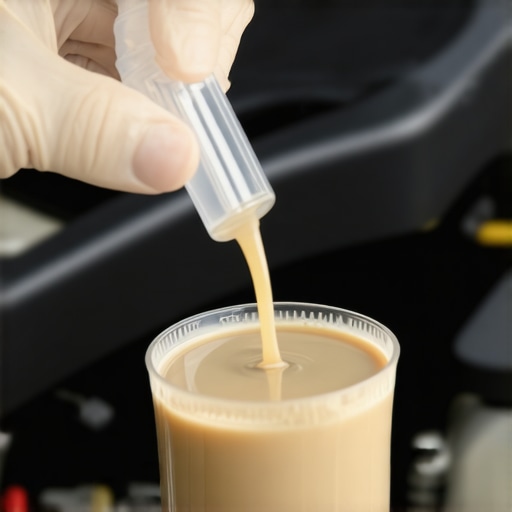
I will never forget the sinking feeling in my stomach when I popped the hood of my old ’94 pickup and saw a reservoir full of what looked like a lukewarm French Vanilla latte. I was younger then, and honestly, I thought it was just a cosmetic issue. I figured if the truck still stopped, the fluid was fine. That was a nearly fatal mistake. I learned the hard way on a rainy Tuesday afternoon when my pedal suddenly felt like it was stepping into a bucket of wet sand, nearly sending me through a red light. If you have noticed that your reservoir is no longer filled with that clear, amber liquid and instead looks thick and milky, we need to talk. Today, I am going to show you exactly why this happened and how we can get your stopping power back to factory fresh levels before you end up in a ditch. Dealing with brake system repairs can feel overwhelming, but ignoring the color of your fluid is a recipe for disaster. Have you ever opened your hood and been shocked by what was inside your master cylinder?
Your Brake Fluid is Secretly Drinking Water
Most people do not realize that brake fluid is hygroscopic, which is just a fancy way of saying it acts like a sponge for moisture. Even in a sealed system, microscopic amounts of water vapor find their way in through rubber hoses and the vent in the reservoir cap. When that water mixes with the glycol-based fluid, it creates that cloudy, cream-like appearance you are seeing right now. According to the Car Care Council, brake fluid can absorb as much as 3% of its weight in water in just twelve months of normal driving. This is why following a car service checklist is so vital. Early in my DIY days, I made the huge mistake of just sucking out the old fluid from the reservoir and pouring in new stuff without actually bleeding the lines. All that did was leave the nastiest, most contaminated fluid right at the brake calipers where the heat is the highest. It did absolutely nothing to fix the problem. You need a full flush to ensure your car service actually counts for something.
Is this a real safety hazard or just a mechanic’s upsell?
It is easy to be skeptical when a shop tells you that your fluid looks ‘dirty,’ but this is one of those rare times where they are likely telling the absolute truth. Water has a much lower boiling point than brake fluid. When you hit your brakes hard, that water turns into steam, and since steam is compressible, you get that terrifying sensation where the brake pedal goes all the way to the floor in traffic. Beyond the immediate danger of brake fade, that ‘creamy’ fluid is also highly acidic. It is literally eating your expensive anti-lock brake (ABS) modules and calipers from the inside out. Understanding the brake service myths out there is important, but the myth that fluid color does not matter is the most dangerous one of all.
Empty the Reservoir Before You Touch the Bleeder Valves
To get that milky sludge out, you have to start at the source. Think of your brake system like a long garden hose filled with stagnant water; there is no point in pumping fresh water through if the bucket feeding the hose is already full of mud. I use a simple automotive suction syringe—or a dedicated turkey baster if I am in a pinch—to draw out as much of that ‘French Vanilla’ fluid as possible from the master cylinder reservoir. Be careful not to drip any on your paint, as brake fluid is basically industrial-strength paint stripper. Once it is empty, wipe the inside of the reservoir with a lint-free cloth to remove any sediment. Following a car service checklist helps ensure you do not skip these small but vital cleaning steps. Refill the reservoir with fresh, clear fluid from a sealed container. Never use a bottle that has been sitting open on your shelf for six months, as it has likely already absorbed moisture from the air, defeating the entire purpose of this tune up effort.
The Longest Line Gets the Most Attention
Most people make the mistake of bleeding the wheel closest to the driver first because it is the easiest to reach. In reality, you need to start at the wheel furthest from the master cylinder—usually the passenger-side rear. This ensures you are pushing the most contaminated fluid out of the longest stretch of brake line first. I remember one humid Saturday afternoon when I was working on my brother’s old sedan; I tried to rush the job and skipped the rear lines entirely because the bleeder screws were rusted shut. I thought ‘good enough’ would work, but the pedal stayed spongy because the moisture was trapped in the longest runs of the system. I ended up having to soak those screws in penetrating oil for two days just to do the job right. If you are troubleshooting common auto repair issues like a soft pedal, you cannot take shortcuts with the sequence. 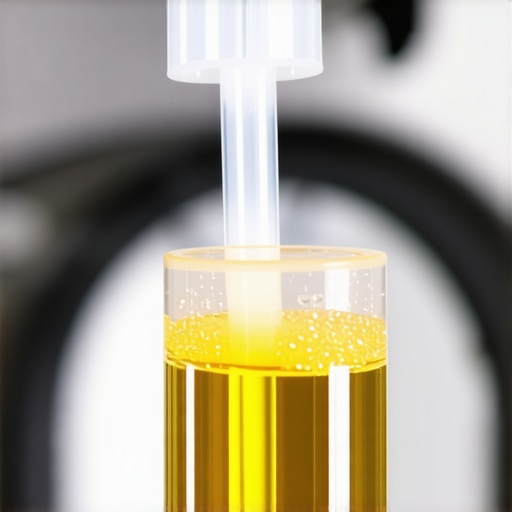
Keep the Reservoir Topped Off No Matter What
This is the golden rule of brake system repairs: never let the reservoir run dry while you are bleeding the lines. If the level drops too low, the master cylinder will suck in a huge gulp of air. Air is compressible, while fluid is not. If air gets into the system—especially into the complex valves of an ABS module—you will have to perform a much more difficult ‘bench bleed’ or use a scan tool to cycle the pump. While you are working to ensure your brake pads last twice as long, you should have a partner pump the pedal while you open and close the bleeder valve at each wheel. You want to see the fluid transition from that opaque, creamy mess to a crisp, translucent amber. Once you see a steady stream of clear fluid with no bubbles, move to the next wheel in the sequence: driver-side rear, then passenger-side front, and finally the driver-side front. This methodical approach is the only way to guarantee your new brake pads and rotors perform with the hydraulic pressure they were designed for.Most DIYers think that if their fluid hasn’t turned into that ‘French Vanilla’ latte I described earlier, they are in the clear. But here is a contrarian take: visual inspection is often the least reliable way to judge your stopping power. I have seen fluid that looked perfectly amber on the surface but failed a chemical test miserably. The real invisible killer isn’t just moisture—it is the depletion of anti-corrosive inhibitors. Once those chemicals are spent, the copper in your brake lines starts to leach into the fluid. According to the Motorist Assurance Program (MAP), once copper levels exceed 200 parts per million, your system is at high risk for internal corrosion, regardless of how ‘clean’ the fluid looks. This is one of the most overlooked brake service myths that leads to expensive master cylinder failures down the road.
Why does my pedal still feel soft after a full fluid flush?
If you have successfully replaced the milky sludge with fresh fluid and followed the correct sequence but the pedal is still spongy, you are likely dealing with ‘micro-bubbles’ trapped in the ABS hydraulic control unit. This is the ultimate ‘oops’ factor for home mechanics. Many modern ABS modules have tiny internal pockets that a traditional two-person pump-and-dump bleed won’t reach. I learned this the hard way on a late-model SUV where I spent three hours bleeding the lines only to find the pedal still went to the floor. The fix usually requires a specialized scan tool to cycle the ABS valves while bleeding, a nuance often missed in a basic car service checklist. 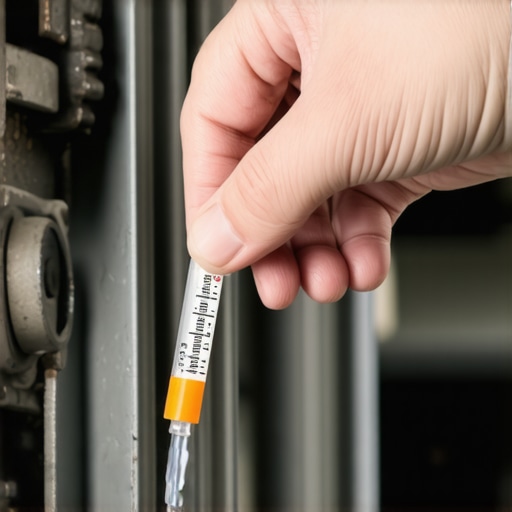
The Trap of Using the Wrong Fluid Specification
Another advanced mistake I see is the ‘upgrade’ trap. People think that moving from DOT 3 to DOT 5 is an upgrade because the number is higher. In reality, DOT 5 is silicone-based and completely incompatible with the glycol-based DOT 3 or DOT 4 used in most vehicles. Mixing them creates a gel-like substance that will destroy your seals and leave you troubleshooting common auto repair issues that could have been avoided with a simple glance at the reservoir cap. If you want to truly maximize your cars lifespan with expert tune-up strategies, stick to the manufacturer’s specific fluid rating. I once helped a neighbor who thought he was doing a favor for his car by using ‘racing’ fluid, only to find it was so hygroscopic it needed changing every six months. The secret to making your brake pads last twice as long isn’t just about your driving style; it is about ensuring the hydraulic system isn’t fighting internal friction caused by chemical breakdown. Have you ever fallen into this ‘visual check’ trap or used the wrong fluid? Let me know in the comments.
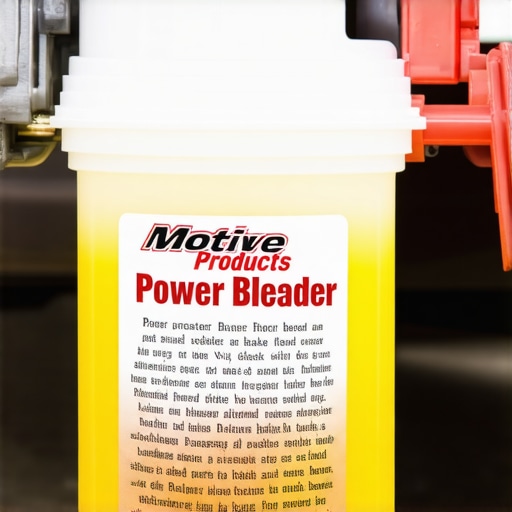
After fighting with rusty bleeder screws and spongy pedals for years, I finally invested in a pressure bleeder. If you are serious about brake system repairs, this is the one tool that changes everything. I use the Motive Products Power Bleeder because it creates a constant, regulated pressure at the reservoir, allowing you to flush the entire system solo without the risk of over-extending the master cylinder piston. When you have a partner pump the pedal, the piston often travels into sections of the cylinder bore it hasn’t touched in years, which are often covered in abrasive corrosion that can tear the seals. By using a pressurized tank, you keep the piston stationary and simply let the new fluid push the old ‘latte’ out. This is how you ensure your tune up stays professional-grade.
How do I maintain my brake system’s health over the long haul?
Maintenance isn’t a one-and-done event; it’s a habit. I recommend testing your fluid for copper content every 10,000 miles. You can buy inexpensive Brake-Strip packages that give you a digital-like reading of the internal corrosion levels. This is much more accurate than the old ‘eye-test’ which can lead to various brake service myths. Also, while you’re under there, take a second to tell if your brake squeak is serious by checking the thickness of the pads. According to SAE International standard J1703, the chemical stability of your fluid is what prevents vapor lock during heavy braking, so keeping those additives fresh is the only way to maximize your cars lifespan with expert tune-up strategies. If you notice the pedal feel changing even slightly, don’t wait for a warning light. Start troubleshooting common auto repair issues early to save yourself from a four-figure repair bill later.
Your Car Is Learning How to Brake for You
Looking toward the future, we are seeing a massive shift toward ‘Brake-by-Wire’ systems. In these setups, there is no physical connection between your foot and the master cylinder; it’s all sensors and actuators. This is one of the key auto repair trends to watch in 2025. These systems will require even more precise fluid maintenance because the electronic valves are incredibly sensitive to debris. If you think a milky reservoir is bad now, wait until it clogs a $3,000 electronic actuator. To stay ahead, grab a pack of those copper test strips this weekend and see what is actually happening inside your lines—you might be surprised by the results.
Hard Truths I Learned Under a Jack Stand
After years of wrenching, I have realized that the ‘eye test’ is the biggest of all brake service myths. You can have clear fluid in the reservoir while your calipers are literally rotting from the inside out due to heavy copper accumulation. Also, never underestimate the power of a humid day; I once saw a car’s fluid degrade in just six months because the owner left the reservoir cap loose in a coastal town. Finally, if your pedal still feels weird after a flush, do not just assume it needs to be broken in. It is always better to re-bleed the system than to wonder if you will stop at the next red light.
Gear I Trust for a Flawless Flush
When I am going through my car service checklist, there are three things I never skip. First, I always use a high-quality vacuum syringe to pull out the old contaminated fluid before I ever touch a bleeder screw. Second, I swear by Brake-Strip testing kits because they take the guesswork out of chemical degradation by measuring parts per million of copper. Third, I always keep a fresh, unopened bottle of manufacturer-spec fluid on hand. Even a bottle that has been open for a week has already started absorbing moisture from the air, which lowers its boiling point.
The Peace of Mind That Comes with a Solid Pedal
There is a specific kind of confidence that comes from knowing your hydraulic system is pristine. Performing brake system repairs correctly is not just about saving money at the shop; it is about ensuring that when you need to make an emergency stop, your car responds instantly. Do not let that milky fluid sit another day and eat away at your expensive ABS components. You have got the knowledge now, so go out there and get your stopping power back to where it belongs. While you are working on the wheels, take a second to tell if your brake squeak is serious by checking the pad thickness. Have you ever been surprised by what you found hidden at the bottom of your master cylinder? Let me know in the comments below!