
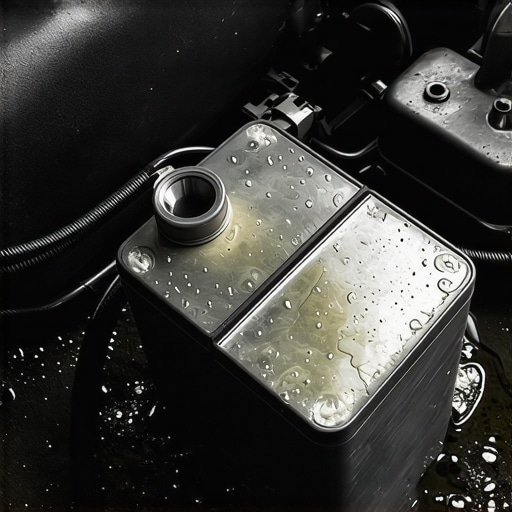
It happened to me on a chilly morning—my engine temperature warning light flickered on just as I was rushing to work. I checked under the hood, expecting to spot a puddle or a visible leak, but all I saw was a dry engine bay and a cold silence. That’s when it hit me—I was losing coolant, yet I couldn’t find any signs of a leak. Sound familiar? If you’ve ever experienced that sinking feeling when your coolant mysteriously disappears without a visible drip, you’re not alone.
Much like a sneaky ghost hiding in plain sight, coolant can vanish from your system without leaving obvious puddles or drips. This frustrates many car owners because the symptoms aren’t always straightforward, and misdiagnosing can lead to costly repairs down the line. The good news? Today, I promise to reveal the real reasons behind this puzzling phenomenon and help you understand what steps to take next.
Cracks and Hidden Leaks: Why the Pump and Hoses Might Be the Culprits
One of the most common reasons coolant disappears silently involves small cracks or leaks in your radiator hoses or the radiator itself. Over time, wear and tear, especially in older vehicles, can cause tiny pinholes or cracks that allow coolant to seep out slowly. The tricky part? These leaks often happen in places that are hard to spot, such as along the seams or in areas obscured by engine components.
Another sneaky culprit is the water pump gasket. If the gasket begins to fail, it can leak coolant inward or outward without obvious signs. Early on, you might notice a faint sweet smell or a slight loss of coolant levels, which indicates it’s time to investigate further. To prevent these small issues from snowballing into major problems, it’s wise to familiarize yourself with routine maintenance and inspections.
A good starting point is to consult a comprehensive car service checklist. Regular inspections can catch these tiny leaks before they escalate. I learned this early on when I overlooked a small crack in my radiator hose—initially, it seemed insignificant, but eventually, I was stranded with an overheating engine. Don’t be like me! For a detailed guide, check out [this helpful resource](https://glassfixauto.com/car-service-checklist-how-to-keep-your-vehicle-in-top-shape).
So, what’s next? If your coolant keeps disappearing but your driveway is dry, it’s time to look beyond visible puddles. The solution involves a mix of thorough inspection and understanding the often-overlooked parts of your cooling system. Before jumping to conclusions, let’s explore some common misconceptions that might be clouding your judgment.
Check the Radiator and Hoses Carefully
Start by inspecting the radiator and its hoses thoroughly. Look for any signs of cracks, bulges, or discoloration, especially in areas that are hard to see at a glance. Use a bright flashlight to illuminate tight spots and a mirror to peek behind hoses and fittings. Remember, small cracks can be almost invisible but still allow coolant to escape gradually. I once spent an hour examining my radiator hoses with a magnifying glass after noticing my coolant level dropped unexpectedly. That tiny crack I found led to a quick hose replacement, saving me from a costly engine repair.
Target the Water Pump Gasket
The water pump gasket is a common but often overlooked source of leaks. To check it, look for a faint white residue or dampness around the pump itself, especially near the pulley. If the gasket is failing, coolant might seep inward or drip externally without much splash. Since the pump is tucked away, gently remove surrounding components if necessary, and look for signs of seepage. During a routine inspection, I noticed a bit of coolant pooling around my water pump gasket, prompting a replacement that prevented an eventual overheating issue. If you’d like detailed steps, visit this troubleshooting guide.
Test for Hidden Leaks with Pressure
When visual inspection doesn’t reveal the leak, using a radiator pressure tester can be a game-changer. Attach the tester to the radiator cap opening, pump to the recommended pressure, and watch for drops over time. If the pressure drops without visible leaks, it indicates a hidden or internal leak. This method mimics engine heat cycles and helps pinpoint leaks in areas not accessible during a quick visual check. I borrowed a pressure tester from a friend and found a tiny crack in my radiator after several minutes of testing—an eye-opener that saved me a major headache. For a step-by-step approach, see this checklist.
Use Dye Tracers for Stealthy Leaks
If all else fails, adding a UV dye to your coolant can help locate elusive leaks. Fill the reservoir with the dye-enhanced coolant, run the engine to circulate, and then use a UV flashlight to scan around your radiator, hoses, water pump, and the engine block. Leaking dye will glow under UV light, making even tiny leaks visible. This method was a revelation for me: I identified a microscopic crack in a radiator seam I would have otherwise never spotted. Be cautious to use only recommended dye kits, and follow the manufacturer’s instructions. To ensure the system remains sealed during testing, always check for proper pressure and color compatibility.
Next Steps After Identifying the Leak
Once you’ve located the leak, decide whether a simple repair or replacement is needed. Small cracks in hoses generally require a quick patch or hose replacement, while more significant damage might demand a radiator or water pump repair. Never ignore small leaks; they tend to worsen over time, leading to coolant loss and potential engine damage. After fixing the leak, always verify your repair by performing another pressure test or observing the coolant levels over a few days. Regular maintenance, like scheduled inspections at recommended intervals, helps prevent silent leaks from catching you off guard. Proper diagnosis and timely repair are the best defenses against coolant loss mysteries.Many vehicle owners believe that car maintenance is a straightforward task, but in reality, there’s a lot of nuance that can trip even seasoned DIYers and professionals alike. One common myth is that all auto repairs and tune-ups are simply about replacing worn-out parts. However, modern vehicles require a comprehensive understanding of systems, diagnostics, and subtle signs that aren’t always obvious. For example, many overlook the importance of diagnosing underlying issues rather than just replacing parts, which can lead to recurring problems. This is especially true when it comes to brake service or engine tune-ups, where neglecting hidden faults can compromise safety and performance.
A frequent mistake is assuming that routine maintenance isn’t urgent or that delayed service won’t impact longevity. This misconception can cause drivers to ignore warning signs, only to face costly repairs later. Regular inspections, as outlined in [the ultimate car service guide](https://glassfixauto.com/the-ultimate-car-service-guide-when-and-why-to-schedule-maintenance), are essential for catching these subtle issues early.
The real challenge lies in recognizing the difference between a superficial fix and a thorough repair. For instance, a brake pad squeal might seem minor, but if the underlying rotor or caliper issues are ignored, it can escalate into major brake failure. Understanding the complex dynamics of braking systems, as detailed in [this guide](https://glassfixauto.com/understanding-brake-system-repairs-a-guide-for-vehicle-owners), can help prevent these pitfalls.
A critical misconception is that car repairs can always be made with simple tools or basic knowledge. In truth, many advanced problems—like internal engine misfires or subtle electrical faults—demand specialized diagnostic equipment and expertise. Overlooking this can cause misdiagnosis or delayed fixes, which might worsen damage or safety. For example, relying solely on visual inspection without using a diagnostic scanner might miss a failing sensor that subtlety impacts engine performance. Experts emphasize that integrating technology into diagnostics improves accuracy and longevity of repairs, as supported by recent industry studies.
Let’s not forget the potential
Mastering Your Car’s Maintenance with the Right Tools
Staying on top of your vehicle’s health requires more than just basic checks. I personally rely on a set of specialized equipment that makes diagnosing and fixing issues more efficient and accurate. One indispensable tool in my garage is a high-quality diagnostic scan tool. Unlike generic code readers, I use an OEM-level scanner that provides real-time data and deep system diagnostics, allowing me to spot issues like sensor faults or electrical glitches before they escalate.
In addition, I swear by a digital multimeter with auto-ranging capability. This device helps me verify electrical components such as the alternator, batteries, and wiring with precision. A reliable multimeter ensures I don’t just guess but know exactly where the problem lies—saving time and money during repairs.
For inspecting physical parts, nothing beats a good compression tester when assessing engine health. I use mine periodically to monitor the health of cylinders, especially if I suspect compression loss due to worn piston rings or valves. Regular checks with this tool can tell you a lot about your engine’s long-term viability.
Software that Keeps Me Ahead of Auto Repair Trends
Beyond physical tools, I leverage advanced software solutions. Fleet management or car maintenance apps like OBDLink combined with smartphone integration enable me to access diagnostic data on the go. These apps can even track maintenance schedules, alert me to pending service needs, and log performance data for future reference.
Looking ahead, I predict that AI-powered diagnostic platforms will become even more integral to vehicle upkeep, rapidly analyzing complex data streams to predict failures before symptoms appear. Staying updated with these trends ensures my car stays reliable and my repairs cost-effective.
How do I keep my tools and methods effective over time?
Consistent calibration and updating of diagnostic software are vital. I schedule regular checks for my equipment—calibrating multimeters, updating software firmware, and replacing worn-out test leads—so my diagnostics remain accurate. Additionally, I stay informed by following insights from reputable sources like industry trend reports. Investing in quality tools upfront prevents costly mistakes and extends your vehicle’s lifespan.
Now, I challenge you to try out a pressure test on your radiator, which I find invaluable for catching internal leaks that aren’t visible during quick visual inspections. With a decent pressure tester, you can avoid unexpected breakdowns and save on major repairs later. For detailed guidance, look into this comprehensive checklist.
The Unexpected Lessons From My Coolant Mystery
One of the hardest lessons I learned about car maintenance is that not all leaks are visible, and sometimes the most critical issues hide in plain sight. I used to ignore small coolant drops or faint smells, thinking they were minor inconveniences. However, these subtle signs can be the first warning of bigger problems, like cracks in radiator hoses or failing water pump gaskets. Dropping coolant without obvious leaks forced me to adopt a more investigative approach—using pressure tests and UV dyes—which not only saved me money but also extended my vehicle’s lifespan.
My Secret Weapons to Stay Ahead of Hidden Leaks
Over the years, I’ve trusted essential tools like a high-quality diagnostic scanner and a pressure tester for radiators. These tools have helped me catch internal leaks early, preventing engine overheating and costly repairs. I also rely on UV dye kits for hard-to-find leaks, allowing me to identify microscopic cracks before they cause real damage. These resources, combined with routine inspections recommended in regular vehicle checklists, form the backbone of my maintenance strategy.
Understanding What Truly Keeps My Car in Top Shape
Beyond handy tools, staying informed about auto repair trends through industry insights from these updates helps me anticipate issues before they arise. I also invest in ongoing education—reading trusted articles and attending workshops—so I can better understand my vehicle’s needs. This proactive approach has empowered me to perform simple fixes myself and know when to seek professional help, especially for complex problems like internal engine leaks or electrical faults.
Embracing the Journey Towards Vehicle Confidence
Discovering the causes of coolant loss reminded me that car maintenance is an ongoing process—not a one-time fix. It’s about building a relationship with your vehicle, learning its language, and equipping yourself with the right knowledge and tools. Whether you’re a seasoned DIYer or just starting out, remember that small signs matter. Regularly inspecting your radiator hoses, water pump gasket, and using pressure tests can make a significant difference. Your future self will thank you for taking these steps today—so keep learning, experimenting, and staying curious about your car’s health. How will you start implementing these tips to keep your vehicle leak-free and dependable? Share your plans below.