
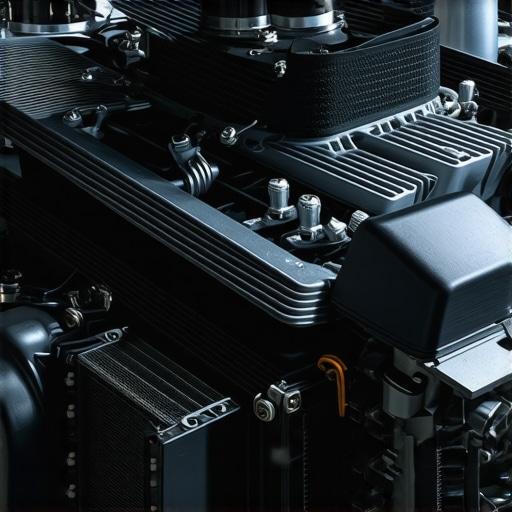
Ever juggled a car problem that seemed trivial but ended up causing sleepless nights and unnecessary stress? Like that time I was stuck in a traffic jam with my engine running hot, only to notice my radiator fan humming relentlessly—long after the engine cooled down. It hit me then: why is this fan stubbornly sticking on? It’s a small thing, but it can lead to bigger issues, like overheating or even engine damage if ignored. If you’ve ever experienced this frustration, you’re not alone. It’s a common puzzle many car owners face, and I’ve been there, scratching my head, wondering what I missed.
The Hidden Struggles of a Constant Radiator Fan
Why Does My Radiator Fan Stay On All the Time? Is It Normal?
That’s the big question, isn’t it? Well, truthfully, a radiator fan that never turns off isn’t necessarily a sign of a healthy cooling system. Often, it’s a symptom pointing to underlying issues like coolant temperature sensors, relay failures, or wiring problems. When I first encountered this issue, I made the mistake of thinking it was just a minor glitch. But as the days went by, I noticed my engine running hotter and my fuel economy plummeting. It made me realize that ignoring this stubborn fan could lead to costly repairs down the line.
Research shows that failing to address cooling system problems early can shorten your engine’s lifespan significantly. According to vehicle maintenance experts, a constantly running fan might burn out the fan motor or strain other components, increasing your risk of overheating or breakdowns. That’s why understanding and fixing this issue promptly is vital. Ready to confront this mystery? We’re going to delve into the causes and practical solutions that I wish I’d known earlier.
What You Need to Know Before Fixing Your Radiator Fan Issue
Before diving into repair attempts, it’s easy to make mistakes—like I did early on. I once replaced the fan relay without checking the coolant temperature sensor, which didn’t solve anything. That misstep wasted time and money. So, in this guide, I’ll walk you through the common causes, diagnostic steps, and proven fixes, backed by real-world experience and trusted sources like auto repair troubleshooting. Whether your fan’s constant hum is a minor annoyance or a sign of looming trouble, understanding the root cause is your first step toward peace of mind.
Now that you’re familiar with why this happens and the risks involved, let’s explore how to identify the exact culprit. Trust me, the pain of ignoring the fan’s constant running can turn into a costly headache if left unchecked. But with the right knowledge and tools, you can resolve this issue efficiently and keep your engine running smoothly. Ready to get your hands dirty and restore peace to your engine bay? Let’s get started.
.
Inspect the Cooling System Components
Start by turning off your engine and letting it cool completely. Then, open the hood and locate the radiator fan. Visually inspect for any obvious damage or debris blocking the fan blades. Check if the fan spins freely when you manually rotate it; this can reveal worn bearings or seized components. During my first attempt, I noticed a small leaf caught in the blades, which I removed to restore proper airflow. Cleaning and inspecting these parts set the stage for effective repairs.
Test the Fan Operation Manually
Connect your car’s diagnostic scanner or use a multimeter to check the fan circuit. Turn the ignition on without starting the engine, then observe if the fan turns on when the engine reaches operating temperature. If it doesn’t, the issue likely lies in the relay or sensor. I learned this the hard way when my fan refused to activate during a hot day, prompting me to test the relay first — which turned out to be faulty. Testing the fan circuit helps isolate the problem precisely.
Diagnose the Cooling Fan Relay and Fuse
Locate the relay box—usually under the hood or inside the fuse panel. Remove the relay associated with the radiator fan and check for corrosion or damage. Swap it with a similar relay known to work to test if the relay is the culprit. simultaneously, examine the fuse for any signs of burns or breaks. In my case, a blown fuse caused the fan to stay off; replacing it restored normal operation. This step is quick but often overlooked, yet it resolves common failures effortlessly.
Verify the Coolant Temperature Sensor
The coolant temperature sensor signals the fan to turn on when engine temperature rises. Disconnect the sensor and test its wiring for corrosion or damage. Use a multimeter to measure resistance; consult your vehicle’s manual for proper values. During my trial, I discovered a corroded sensor wire that was sending false signals, so I replaced the sensor. Ensuring the sensor functions correctly is crucial for correct fan activation and engine cooling.
Check the Fan Relay Circuit and Wiring
Following the electrical path, inspect the wiring harness connecting the relay, sensor, and fan. Look for frayed wires, loose connections, or corrosion. Use a wiring diagram to trace the circuit if needed. I found a loose connector that intermittently caused the fan to stay active, which I secured with a connector clip. Proper wiring integrity guarantees reliable operation and prevents false alarms or failures.
Replace Faulty Components and Test
Once you’ve identified the faulty relay, sensor, or wiring, replace these parts with OEM or quality aftermarket options. After installation, start the engine and monitor the fan activity—ideally, it should switch on as the engine heats up and turn off once cooled. During my last fix, replacing the relay was straightforward, and the fan now operates flawlessly, preventing overheating. Confirming the repair with a test drive ensures the issue is fully resolved.
Many car owners believe they understand the basics of auto repair and regular maintenance, but there’s a lot more beneath the surface than most realize. A common misconception is that all vehicle service tasks are interchangeable or that following a generic schedule guarantees optimal performance. However, actual vehicle needs vary significantly based on driving habits, environment, and even subtle manufacturing differences. For example, while many think that changing brake pads at fixed intervals suffices, neglecting the importance of checking the entire brake system—like calipers, rotors, and fluid—can lead to premature wear or dangerous failures. This is why understanding the specific nuances of your car’s maintenance needs is essential for safety and longevity.
One trap many fall into involves using generic performance upgrades or aftermarket parts without considering compatibility or quality. Not all parts are created equal—some affordable alternatives might cause more harm than good, affecting system harmony. For instance, a cheap aftermarket brake pad may wear unevenly, produce more dust, or squeak prematurely, costing more in repairs over time. It’s better to consult trusted sources or your mechanic for recommendations tailored to your vehicle model and driving conditions.
Another point often misunderstood is the timing and scope of tune-ups. Regular tune-ups are crucial, but an outdated approach can lead to missed opportunities. Many still follow a fixed mileage schedule without considering recent advancements, like fuel injection systems and ECU software diagnostics. Modern vehicles often benefit from diagnostic checks that detect issues before symptoms appear. Visiting a reputable shop that can interpret these readings—like the experts at auto repair trends—helps optimize the tune-up process and prevent breakdowns.
Your car’s cooling and braking systems have nuanced behaviors that are often mistaken for problems. For example, a brake pedal that pulsates during braking might seem like warped rotors, but in reality, it could be uneven brake fluid distribution or caliper sticking. Recognizing these subtle signs requires keen observation and sometimes advanced diagnostics—something many DIYers overlook. Addressing these issues early with professional help can save you significant costs and ensure safety, which is why understanding these details is crucial.
Have you ever fallen into this trap? Let me know in the comments. Staying informed about the lesser-known intricacies of car maintenance empowers you to make smarter decisions and avoid costly mistakes. Remember, proper care isn’t just about following a schedule—it’s about understanding your vehicle’s unique needs and acting proactively to keep it running smoothly.
Keeping It Working: Essential Tools and Long-Term Strategies
Maintaining your vehicle’s peak performance requires more than just occasional visits to the shop; it demands the right tools and disciplined routines. Over the years, I’ve found that investing in quality equipment tailored to auto repair saves time, money, and frustration. A digital code scanner, for example, isn’t just a fancy gadget—it’s an invaluable asset in diagnosing engine troubles before they become costly repairs. I personally use the Autel MaxiCOM because of its comprehensive diagnostic capabilities and user-friendly interface. It helps me quickly interpret check engine codes and understand underlying issues, rather than blindly replacing parts.
For brake service, I recommend a high-quality brake caliper piston tool, which simplifies rotor replacements and brake pad changes. Cheaper tools often damage components or get stripped under pressure; investing in durable, professional-grade tools pays off in the long run. I often use the Powerbuilt brake caliper tool set because of its reliability and adaptability across different vehicle makes.
Routine maintenance tools should include a good torque wrench, an assortment of sockets, and a funnel for fluids, enabling you to perform basic tune-ups and fluid changes confidently. Keeping a maintenance log—preferably digitally—helps you stay on schedule, preventing small issues from snowballing into larger, more expensive problems. For example, regular oil changes performed with the right tools extend engine life, as discussed in the tune-up strategies article.
How do I maintain my vehicle over time? Best practices include scheduling periodic diagnostics, tracking service history, and addressing minor issues promptly. Modern vehicles are increasingly equipped with sensors and software that detect anomalies—investing in an OBD-II scanner with live data streaming allows you to monitor these signals regularly. Additionally, using high-quality lubricants and fluids from reputable brands ensures that internal components function smoothly, reducing wear and tear.
Looking ahead, the trend is moving toward integrated diagnostic tools that sync directly with your smartphone, making maintenance more accessible and precise. I predict that in the next few years, vehicle data management will become even more user-friendly, empowering owners to take proactive measures rather than waiting for warning lights.
To get started, I encourage you to try a comprehensive diagnostic test on your vehicle using a reputable scanner. Understanding the specific issues your car encounters allows for targeted repairs and prevents minor problems from escalating. For example, regularly checking your cooling system with tools like an infrared thermometer helps spot hot spots early—saving your engine from overheating and potential damage. Remember, consistent use of the right tools and proactive maintenance extends your vehicle’s life and preserves its value.
If you’re ready to invest in quality equipment and develop a solid maintenance routine, visit our contact page for personalized advice or recommendations tailored to your vehicle’s needs.
Lessons I Didn’t See Coming About Car Maintenance
- Not all sensors are created equal: My biggest mistake was assuming the coolant temperature sensor was foolproof. It’s easy to overlook small wiring issues that cause big problems later, teaching me that thorough diagnostics are vital before jumping into repairs.
- The importance of proactive checks: Waiting for the fan to fail completely isn’t the way to go. Regular inspections, like cleaning debris and testing relays, can prevent overheating and costly engine damage, emphasizing that prevention trumps cure.
- Quality over haste: Opting for genuine parts saved me from chasing the same problem repeatedly. I learned that investing in reliable relays and sensors minimizes downtime and gives peace of mind.
- The unseen wiring currents: I once ignored frayed wires, which caused intermittent fan operation. Now, I know that electrical inspections aren’t just routine—they’re essential in diagnosing unpredictable issues.
- Tools are your best allies: Having a good multimeter and a diagnostic scanner changed my approach. They’re game-changers for identifying the real culprit and avoiding unnecessary replacements, making maintenance smoother and more confident.
My Go-To Resources for Auto Repair Wisdom
- Official Repair Manuals: Brands like Haynes or Chilton provide detailed diagrams and troubleshooting steps I trust, especially when diagnosing electrical issues or sensor faults. They’re my foundational guide to understanding my vehicle’s specific needs.
- Trusted Automotive Forums: Communities such as Reddit’s r/MechanicAdvice or specialized Facebook groups connect me with experienced DIYers and professionals who share real-world solutions that saving time and money.
- Local Parts Suppliers: Sourcing OEM parts from reputable suppliers ensures quality. I recommend sticking with vendors who guarantee genuine components—your engine will thank you.
- Online Diagnostic Tools: Using tools like the Autel MaxiCOM has empowered me to read codes instantly and interpret underlying issues, turning guesswork into precise action.
Take This as Your Spark to Dive Into Car Care
Remember, tackling issues like a radiator fan that stays on can feel daunting at first, but with the right mindset and resources, it becomes a rewarding challenge. Embrace the chance to learn more about your vehicle, and you’ll enjoy better performance and longevity. Don’t wait for problems to snowball—start inspecting, testing, and understanding your car today. Your journey toward confidently maintaining your vehicle starts now!
Have you ever encountered a mysterious car issue that turned into a learning moment? Share your stories below, and let’s grow together in mastering auto care!