
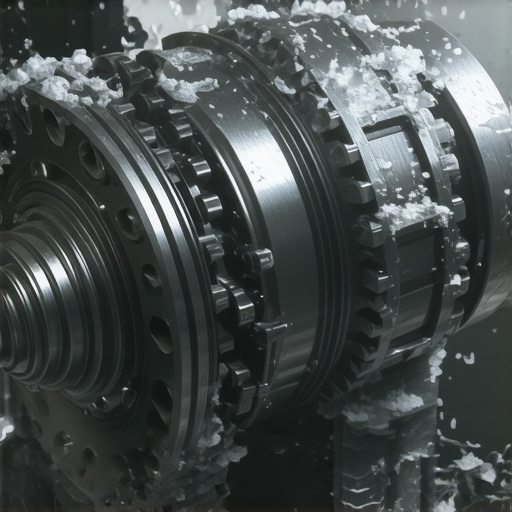
I remember the first chilly morning of winter when my car suddenly refused to shift smoothly. Instead, it sluggishly clunked into gear, and I felt that sinking feeling—nothing worse than expecting a smooth ride and getting a stubborn transmission instead. That lightbulb moment made me realize: just as our muscles stiffen in the cold, so does our car’s crucial transmission system.
Understanding Cold Weather and Transmission Performance
Winter brings more than just frosty mornings; it can reveal or even cause issues you never noticed in warmer months. When temperatures drop, your transmission fluid thickens, making it harder for the system to function smoothly. This isn’t just a minor inconvenience—it’s a sign that basic maintenance can help prevent costly repairs down the road.
While many drivers brush it off as normal winter quirks, these symptoms can escalate if ignored. Early action can save you money and avoid being stranded in the cold. But what exactly causes this sluggish shifting, and is it something you can fix yourself or should you seek professional help?
Have you ever experienced your transmission slipping only when the temperature drops? If so, you’re not alone, and understanding the ‘why’ behind it can empower you to act wisely.
Is Your Transmission Slipping Actually a Big Deal?
Personally, I once dismissed a slight delay in my gear shifts as just winter being tough on my car. I didn’t realize I was making a mistake early in my auto repair journey—that overlooking simple signs can lead to bigger, more expensive problems later. Trust me, if you ignore these symptoms, you might end up with a damaged transmission that requires a full rebuild.
Many auto experts agree that regular tune-ups, including checking your transmission fluid, can drastically improve performance. If you’re curious about how to keep your vehicle in top shape, I recommend visiting [this helpful guide on tune-up strategies](https://glassfixauto.com/maximize-your-cars-lifespan-with-expert-tune-up-strategies). Understanding the basics of maintenance will help you dodge winter transmission woes.
So, if your car’s shifting behavior in cold weather has ever made you nervous, stay tuned. We’ll explore practical steps to diagnose, prevent, and fix transmission slipping caused by winter weather, starting with simple checks you can do right now.
Check Your Transmission Fluid Level and Condition
First, locate your transmission dipstick, usually near the back of the engine bay. Ensure the car is on a level surface and the engine is warm but off. Pull out the dipstick, wipe it clean, then re-insert and pull it out again. If the fluid is low, add the recommended fluid type until it reaches the proper level. If the fluid appears dark, gritty, or smells burnt, it’s time for a fluid change. I once found my fluid nearly black and smell like burnt toast, prompting an immediate flush which improved shifting during winter.
Warm Up Your Vehicle Before Driving
Start your car and let it idle for at least 10 minutes. This warms the transmission fluid, reducing its viscosity and helping it flow smoothly. Think of it like warming up your muscles before exercise—your car needs time to prepare for optimal performance. I used to ignore warm-up times and noticed sluggish shifts until I started patiently letting my car heat up, which made a noticeable difference.
Use the Correct Transmission Fluid for Cold Weather
Verify in your owner’s manual that you’re using the right type of transmission fluid rated for low temperatures. Certain synthetic fluids perform better in cold conditions, maintaining proper flow when the mercury drops. I’ve upgraded to a synthetic blend recommended for winter, and it significantly reduced shifting delays.
Inspect and Replace Old or Damaged Transmission Components
Look for signs of wear like leaks, cracked hoses, or a burnt smell. If you notice any issues, replace the damaged parts promptly. For example, a cracked transmission hose I replaced myself using basic tools, which prevented further fluid loss and improved shift quality. If unsure, schedule a professional inspection through [this contact page](https://glassfixauto.com/contact-us).
Promote Proper Shifting with Maintenance
Regularly changing your transmission fluid, especially before winter, ensures everything works smoothly. Consider scheduling a full tune-up including transmission service, which involves fluid change and system check. I learned this the hard way when skipping routine maintenance led to costly repairs. A good practice is to follow guidelines from [this detailed guide on tune-up strategies](https://glassfixauto.com/maximize-your-cars-lifespan-with-expert-tune-up-strategies), which emphasizes proactive maintenance to prevent issues like slipping due to cold.
Monitor Driving Habits and Adjust Accordingly
Drive gently until your transmission warms up. Avoid rapid acceleration or shifting into overdrive immediately after starting the car in cold weather. My experience shows that gradual driving during the first few miles reduces strain on the transmission system. Remember, just like a cold muscle is more prone to injury, a stiff transmission requires gentle handling. Regular checkups can catch early signs of wear, so stay informed with advice from [this troubleshooting resource](https://glassfixauto.com/troubleshooting-common-auto-repair-issues-before-visiting-the-shop).When it comes to car maintenance, many drivers rely on common wisdom or outdated myths that can actually do more harm than good. One widespread misconception is that sticking to the basic oil change is enough for overall vehicle health, but in reality, comprehensive tune-ups involve much more, such as inspecting spark plugs, filters, and transmission fluid to prevent costly repairs and ensure peak performance. Many assume that choosing the cheapest service or ignoring manufacturer schedules won’t affect their car’s longevity, but neglecting proper maintenance can lead to premature wear and unexpected breakdowns.
Another hidden nuance involves brake service misconceptions. Unlike popular belief, not all squealing brakes are due to worn pads; sometimes, moisture or dust causes noise, leading many to replace parts unnecessarily. Regular inspections using advanced diagnostics can differentiate between minor issues and serious problems, saving money and preventing accidents.
Are your auto repairs truly thorough or just superficial? Many drivers are surprised to learn that skipping detailed diagnostics and only addressing visible symptoms often results in recurring issues. For example, a failing transmission might only be noticed when shifting feels delayed, but underlying causes like fluid degradation or sensor malfunctions need a professional eye. Proper diagnostics adopted from best practices can uncover hidden faults early, avoiding expensive rebuilds.
Let’s consider the advanced mistakes most car owners make: believing that DIY fixes are always better than professional service. While some routine tasks like replacing batteries or air filters are manageable, complex systems such as ABS or turbochargers require specialized knowledge and equipment. Relying on generic guides or shortcuts can jeopardize safety and vehicle integrity.
A critical but overlooked aspect is understanding the importance of custom maintenance schedules aligned with driving habits and climate conditions. Vehicles driven in harsh climates or frequently hauling loads demand tailored care, which standard intervals might not cover. For instance, frequent short trips in winter can cause oil and battery issues that require proactive attention.
What’s the biggest mistake drivers make when scheduling auto repairs?
Many delay maintenance until symptoms become severe, but early intervention can often prevent major failures. Consulting with a trusted technician and following maintenance checklists—such as those outlined in the car service checklist—ensures your vehicle remains reliable. Remember, regular tune-ups aren’t just about fixing problems—they’re about optimizing performance, safety, and fuel efficiency. Check out how tune-ups enhance your drive for more insights. Have you ever fallen into this trap? Let me know in the comments.
Keeping It Working: My Trusted Equipment and Methods
Maintaining a vehicle over time requires more than just knowing what to do; it demands reliable tools and a disciplined approach. I rely heavily on a few key pieces of equipment that have proven their worth, like a high-quality scan tool—specifically, the Autel MaxiCOM. This device allows me to read and clear diagnostic trouble codes and monitor live data, which is invaluable for diagnosing complex issues like transmission sensor malfunctions or brake system anomalies. Investing in a good scan tool has saved me numerous trips to the shop and given me confidence in performing intermediate repairs myself.
Additionally, I swear by a set of precision torque wrenches, like the GearWrench or Snap-On, for ensuring fasteners are tightened to manufacturer specifications. Using incorrect torque can lead to leaks, component failure, or unsafe driving conditions—especially when working on critical systems such as brakes or the suspension. Regular tune-ups have become part of my routine, focusing on fluid changes, filter replacements, and system inspections that prevent small problems from escalating.
In my experience, the right diagnostic software combined with quality hand tools forms the backbone of a reliable maintenance routine. For instance, tools like these can help identify failing sensors or solenoid issues early, before they impact long-term performance. This proactive approach aligns with industry best practices highlighted in automotive technical manuals, such as SAE J2534, which standardizes vehicle diagnostics to facilitate sustainable repairs.
Predicting Future Trends in Vehicle Maintenance
Moving forward, I predict a significant shift toward integrated diagnostic systems that connect directly with smartphones or cloud platforms, enabling even more precise diagnostics and maintenance reminders. This would make real-time data and predictive analytics accessible to both professionals and hobbyists, further democratizing vehicle care.
How do I maintain vehicle systems over time?
My secret lies in regular inspections paired with advanced diagnostic tools. Implement a monthly routine where you connect your scan tool to check for stored fault codes, monitor sensor readings, and verify system performances. This habit helps catch issues early, extending your vehicle’s lifespan and ensuring safety. To give your car a fresh start each season, consider scheduling comprehensive tune-ups—this includes fluid replacement, filter cleaning, and system calibration, as discussed in this detailed guide on tune-up strategies. Don’t wait for warning lights—be proactive.
If you’re unsure about how to get started with diagnostic tools or need professional assistance, reach out to a trusted auto repair specialist for personalized advice. Taking the time to invest in quality equipment and consistent maintenance practices is the smartest move for any vehicle owner committed to long-term reliability.
Try integrating a basic scan tool into your routine this month, and see how it transforms your understanding of your car’s health!
The Hardest Lesson I Learned About Car Service and Winter Maintenance
One chilly morning, I ignored the warning signs of sluggish shifting, thinking it was just the cold weather. That oversight nearly led me to a costly transmission overhaul. The lesson? Never dismiss early symptoms—what seems minor today can become a major repair tomorrow. Regularly checking your transmission fluid and giving your vehicle the right winter tune-up makes a world of difference.
Tools That Saved My Drive During Frosty Months
Investing in a quality diagnostic scan tool, like the Autel MaxiCOM, transformed how I approach car care. It helped me catch hidden issues before they worsened, especially during winter when problems can hide beneath the surface. Pairing it with precision torque wrenches and following expert maintenance tips ensures your transmission and other vital systems stay resilient against the cold.
Looking Ahead With Confidence and Knowledge
The future of auto maintenance will likely include smarter diagnostics and real-time monitoring. Until then, empowering yourself with thorough knowledge and the right equipment remains crucial. Regular tune-ups, proactive inspections, and understanding your vehicle’s needs—especially in winter—are your best strategies to keep your car performing at its peak.
My Insider Wisdom for Cold-Weather Car Care
- Don’t Wait for Warning Lights: Address symptoms early, like sluggish gear shifts, to prevent costly repairs.
- Use the Correct Transmission Fluid: Ensure it’s rated for low temperatures to maintain optimal flow.
- Warm Up Before Driving: Give your car time to heat up, reducing stress on transmission components.
- Regular Maintenance Matters: Schedule tune-ups and fluid changes before winter hits.
- Equip Yourself with Diagnostics Tools: A reliable scan tool can save you time and money by catching issues early.
Check Out These Resources for Deepening Your Knowledge
- Maximize Your Car’s Lifespan with Expert Tune-Up Strategies — A comprehensive guide I trust for maintaining vehicle health.
- The Ultimate Car Service Guide — Helps me plan regular maintenance that keeps my vehicle reliable year-round.
- Troubleshooting Common Auto Repair Issues — A helpful resource for diagnosing problems early and avoiding emergencies.
- Auto Repair Trends in 2025 — An insightful look into future innovations that will shape vehicle care.
Your Turn to Take Action
Understanding how winter affects your transmission and overall vehicle performance empowers you to act confidently. Don’t wait for major issues—start with simple checks like inspecting your transmission fluid and warming up your car properly. Your vehicle will thank you for your proactive care and dedication to safe driving in colder months.
Have you ever experienced transmission slipping only during winter? Share your story below and let’s learn from each other!
,