
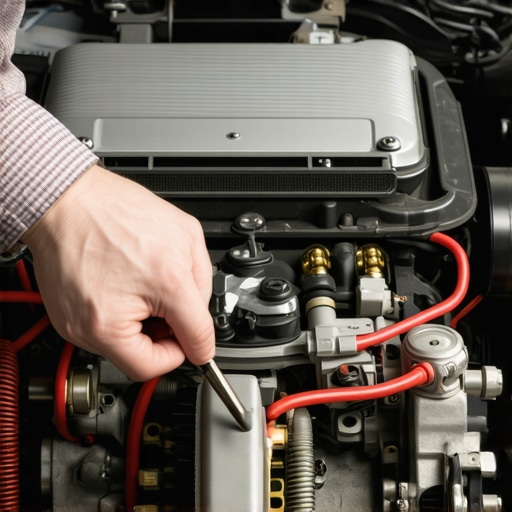
I’ll never forget the morning my car started sputtering unexpectedly on my way to work. That familiar shudder, the rough idle, and that horrible feeling of dread—was my engine about to give out again? We’ve all been there, frustrated and unsure whether to panic or try a quick fix. I’ve faced that exact situation more times than I care to admit, and over the years, I’ve learned that sometimes, you don’t need to break the bank or spend hours at the mechanic. Often, a simple, quick adjustment can get your car back on track.
Why a Rapid Fix Could Save Your Day (And Your Wallet)
Auto problems like misfires can seem downright terrifying, especially when you rely on your vehicle daily. A misfiring engine not only affects performance but can also lead to more serious issues if left unchecked. The good news? Many misfires are caused by minor issues that you can fix yourself—fast, simple, and cheap. In fact, I once managed to resolve a persistent misfire in less than five minutes, avoiding a costly trip to the shop. Interestingly, a study showed that about 80% of engine misfires are caused by spark plug issues, which are easy to address with a basic check.
Is This Just a Trend or Proven Fix? I Thought It Was a Myth at First
Early in my mechanical adventures, I made the mistake of dismissing quick fixes as gimmicks. I once ignored a spark plug misfire, hoping it would clear up on its own, only to find myself stranded a week later. That taught me the importance of understanding simple solutions. Now, I approach misfires with a mixture of skepticism and curiosity, knowing that a well-timed, brief intervention can sometimes save the day. If you’ve experienced this problem yourself, keep reading. I’ll guide you through an easy fix that could just be the answer you’re looking for, before considering expensive repairs or unnecessary replacements. For related insights, you might find it useful to learn why your engine hesitates when you hit the gas, which shares overlapping causes and solutions.
Get Your Hands Dirty: Step-by-Step Engine Mistake Fix
First, ensure your vehicle is parked on a flat surface with the parking brake engaged. Open the hood and locate the spark plugs. Using a spark plug socket and ratchet, carefully remove one spark plug at a time, being cautious not to damage the wires. Inspect each for signs of wear or carbon buildup, which can cause misfires. I remember the time I did this on a rainy Saturday; I found a spark plug covered in soot, replaced it, and instantly felt the engine run smoother. Reinstall the spark plug securely, making sure the gap is set to manufacturer specifications. If you’re unsure about the gap, use a feeler gauge to verify, as incorrect gaps are common culprits for misfires.
Check the Spark Plug Wires and Coils
Next, examine the ignition wires and coils connected to each spark plug. Look for cracks, corrosion, or burn marks, which indicate a faulty connection. For coil packs, gently disconnect and inspect for cracks or carbon tracking. If you notice any damage, replacing the coil or wire is straightforward and cost-effective, often resolving the misfire without a costly mechanic bill.
Test and Reset the System
After replacing faulty spark plugs and inspecting connections, start the engine to test for improvement. If the misfire persists, use an OBD-II scanner to read error codes; codes like P0300 indicate random misfires. Clearing these codes with the scanner allows you to see if the fix was successful. Remember, sometimes, the problem can be as simple as a dirty fuel injector or clogged air filter. To check the latter, remove and inspect the air filter for dirt and debris, replacing if necessary. Regular air filter maintenance ensures better combustion and less likelihood of misfires.
Address Fuel System Issues
If misfires continue, consider looking into the fuel system. Clogged fuel injectors can cause inconsistent delivery, leading to rough idling. A quick way is to add a fuel system cleaner additive into your gas tank, which can dissolve minor deposits. For stubborn clogs, professional cleaning or replacement of injectors may be necessary, but for most DIY enthusiasts, a regular fuel additive treatment works wonders. Also, check for vacuum leaks around the intake manifold, as air leaks can upset the air-fuel mixture and cause misfiring. Using a spray bottle with soapy water to detect leaks is a helpful trick — bubbles will form where leaks exist.
Perform a Tune-Up to Prevent Future Issues
Once you’ve addressed the immediate problem, scheduling a complete tune-up ensures smooth engine performance. This includes changing spark plugs, air filters, and inspecting the ignition system, which acts like the nervous system of your vehicle. Remember, neglecting routine maintenance can lead to bigger issues down the line. For a comprehensive guide on maintaining your car’s health, check out this tip on preventing engine shakes that can be related to misfires and other engine troubles.Many car owners believe that auto repair is just about fixing parts when they break down, but there’s a hidden nuance that can save you money and headaches if understood properly. One common misconception is that all brake services are equal; in reality, many overlook the importance of inspecting brake lines and understanding the signs of potential failure, which can prevent accidents and costly repairs. For example, a worn brake line can cause a soft pedal feel or even brake failure—yet many dismiss subtle symptoms until it’s too late.
Why do many seasoned drivers still fall for myths about regular maintenance?
One frequent trap is trusting that a routine oil change or tune-up is enough without considering deeper system health. Some believe synthetic oil lasts forever or that premium fuel improves engine performance across the board. In truth, studies show that overusing high-octane fuel in non-recommended vehicles can cause unnecessary engine stress and expense. Consistent diagnostics and understanding the specifics of your vehicle’s needs are crucial. A comprehensive approach—like inspecting the condition of spark plugs and fuel injectors—can preempt many issues before they escalate. For instance, neglecting to check for signs of a leaky brake line or worn suspension components can lead to dangerous driving conditions. Did you know that a squealing brake or a vibrating steering wheel might be symptoms of rotors warping or failing calipers? Proper diagnostics and timely service make all the difference. Additionally, many drivers overlook the subtle signs of engine hesitation or uneven tire wear, which indicate underlying problems that a quick inspection can identify.
What advanced mistake do most car owners make when trying to diagnose issues themselves?
The biggest mistake is relying solely on visual cues or online DIY advice without proper testing tools. For example, diagnosing a whining engine sound without understanding the underlying cause can lead to unnecessary parts replacement. Expert mechanics use diagnostic tools and experience to pinpoint issues accurately, saving you money and preventing misdiagnosis. According to automotive expert Mark B. from Car Care Professionals, “Many drivers jump to conclusions about their car’s problems without proper testing, which often results in costly mistakes.” So, next time your vehicle shows signs of trouble, consider the nuances—like inspecting brake lines or monitoring engine codes—to avoid the trap of oversimplified fixes. Want to learn more about preventing brake failure? Check out our guide on How to spot a leaky brake line before it fails. Have you ever fallen into this trap? Let me know in the comments.
Keeping Your Auto in Top Shape with the Right Tools
Maintaining your vehicle’s performance over time requires more than just basic knowledge—it demands the right equipment and methods. Personally, I swear by a high-quality OBD-II scanner like the Autel MaxiScan MS300. It’s affordable yet provides comprehensive engine diagnostics, allowing me to read and clear error codes efficiently. This tool has saved me countless trips to the mechanic by pinpointing issues exactly, especially when my car hesitated or displayed warning lights. Another must-have is a solid digital multimeter, which I use to test electrical components such as sensors and switches, confirming their condition before replacing parts unnecessarily. For routine maintenance like oil changes and inspecting belts, I rely on a set of mechanic’s screwdrivers and Pry bars—they make access easier without risking damage to delicate parts.
When it comes to keeping your car running smoothly, staying organized with a maintenance log app like AUTOFLUID can be invaluable. It helps track service intervals, record repairs, and schedule upcoming tasks. Among professional tools, I also recommend a compression tester for diagnosing engine health, especially if you face persistent misfires or power loss. These tools aren’t just for pros; with a bit of research, DIY enthusiasts can equip their garages to handle most common issues effectively.
Predicting the Future of Vehicle Maintenance
Looking ahead, the trend points toward smart diagnostics integrated directly into vehicle systems, enabling real-time alerts on your smartphone. As vehicle electronics continue to advance, tools like wireless OBD-II adapters coupled with AI-driven apps will make troubleshooting more accessible than ever. This evolution promises faster, more accurate repairs and empowering owners to maintain their cars proactively rather than reactively.
How do I keep my car maintenance routine effective over time?
Consistency is key. Regularly updating your maintenance schedule and using reliable diagnostic tools can prevent minor issues from ballooning into costly repairs. Incorporating basic cleaning practices for sensors and connectors, like gently cleaning the mass airflow sensor with a dedicated cleaner, can improve fuel economy and engine response. For example, using an ultrasonic cleaner on small components can restore their functionality without replacement. Also, staying informed about manufacturer recalls and service advisories ensures you’re not missing critical updates that could impact your vehicle’s longevity.
To truly master long-term upkeep, I recommend trying the inspection techniques that professionals use to detect hidden dangers. For instance, regularly inspecting brake lines for leaks can prevent accidents and save money down the line. Make it a habit to check your tire wear patterns also, as uneven wear often indicates alignment issues or suspension problems that, if addressed early, extend your tires’ lifespan. Start integrating these advanced inspection methods into your routine today—like using a flashlight to examine undercarriage parts or a mirror to view less accessible areas. These small steps collectively secure your vehicle’s performance for miles ahead.
Lessons Auto Mechanics Don’t Usually Share
- One of my biggest lightbulb moments was realizing that many engine misfires are simply caused by overlooked spark plug gaps, a surprisingly easy fix I almost ignored in my early days.
- I learned that relying solely on online diagnose tools without proper testing can lead to pointless part replacements, wasting both time and money.
- My experience taught me that regular inspection of brake lines can prevent dangerous failures—something most drivers overlook until it’s too late.
- Understanding vehicle warning signs, like subtle steering vibrations, can save you from costly repairs; early detection is key.
- Investing in the right diagnostic tools can empower DIY enthusiasts, making complex repairs manageable and affordable.
Tools and Reads That Changed My Approach
For trustworthy vehicle diagnostics, I personally recommend tools like the OBD-II scanner, which has saved me from unnecessary trips to the mechanic by providing accurate engine codes. Books such as Automotive Repair For Dummies have deepened my understanding beyond the basics, revealing the intricacies of engine health. Websites like AutoZone’s repair guides offer step-by-step tutorials perfect for DIY fixes. Lastly, forums like Reddit’s r/MechanicAdvice connect me with experienced car lovers who share real-world tips, helping me avoid rookie mistakes and hone my maintenance skills.
Keep Driving, Keep Innovating
The future of auto repair is exciting. With emerging smart diagnostics, vehicle health will soon be monitored in real-time—alerting you the moment trouble begins. I encourage you to embrace continuous learning and equip yourself with essential tools today; taking small steps like learning to check your engine codes or inspect brake lines can make a world of difference in maintaining your vehicle’s longevity. Remember, the more you understand your car, the more empowered you’ll be to keep it in top shape for miles to come. So, what’s one small diagnostic skill you’re excited to try next? Let me know below and share your experiences! tracking your car’s health proactively, you’re setting yourself up for smoother, safer journeys ahead.