
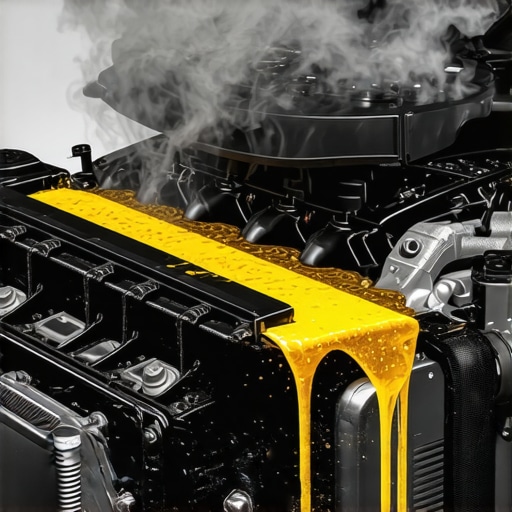
There’s been a moment in every car owner’s life when we’ve either accidentally overfilled the engine oil or wondered if it’s better to be cautious and just add a little extra. I remember the first time I jacked up my car, thinking more oil couldn’t hurt, only to find myself holding a socket wrench and realizing I might have just sealed my own trouble. That lightbulb moment—when I understood that too much oil isn’t just a harmless mistake but a potential disaster—shaped how I approach car maintenance today.
The Lightbulb Moment That Changed My Approach to Oil Levels
For years, I believed filling up my engine with a bit more oil would give it an extra layer of protection. After all, more lubricant sounded like a good idea, right? Wrong. One day, after a quick check under the hood, I noticed the engine oil was dangerously over the max line. A little research led me to discover that overfilling can cause foam in the oil, making it less effective at lubricating crucial parts and potentially leading to engine damage. My early mistake? I added oil without checking the level—assuming more couldn’t be bad, but in reality, it could be catastrophic.
So, What’s the Big Deal About Too Much Oil?
When I dug deeper, I found out that overfilling can lead to increased pressure in the crankcase, which might result in oil leaks, gaskets blowing out, or even seal damage. It can also cause aeration of the oil—think of it as trying to lubricate your engine with a frothy milkshake. This foam can’t properly lubricate engine parts, leading to increased wear and tear. Plus, if the oil gets into places it shouldn’t, like the timing chain or spark plugs, you’re staring at costly repairs. The good news? It’s often preventable, and understanding the nuances can save you a lot of trouble.
Will Regulating Oil Levels Save Your Engine?
Absolutely. Knowing how to maintain a proper oil level and recognizing the signs of overfilling can extend your engine’s lifespan. If you’ve ever experienced sluggish acceleration, engine knocking, or even a check engine light flickering on, improper oil levels might be to blame. To avoid mishaps like mine, I now make it a habit to consult my vehicle’s manual or visit a trusted shop. And hey, if you’re unsure about how to check your oil, I recommend following a reliable guide or reaching out to experts—like those at Glass Fix Auto. They can help you keep everything in check and avoid costly mistakes.
Have you accidentally overfilled your engine oil before? Or are you still unsure about the right level? That’s a common misstep, and it’s more manageable than you think. Next, I’ll walk you through the essential steps to ensure your engine oil is at the perfect level and how to handle overfilling if it happens. Stay tuned, because avoiding these pitfalls is simpler than you might think and could save you a lot of money in the long run.
,
Prepare Your Vehicle and Gather Tools
Before you start, park your car on a level surface, turn off the engine, and wait for at least 10 minutes to allow the oil to settle. Gather a clean rag or paper towel and a flashlight if needed. Having these items ready ensures accuracy and safety during the process.
Locate the Dipstick and Check Oil Level
Open your vehicle’s hood and find the oil dipstick—usually marked with a bright handle. Pull it out and wipe it clean with the rag to remove all oil residues. Insert the dipstick back fully, then pull it out again to check the oil level. The oil should be between the “MIN” and “MAX” marks. In my experience, this quick check revealed that my engine was slightly underfilled, prompting me to add just enough oil to reach the optimal level.
Adding Oil Correctly
If the oil is below the recommended range, add oil in small amounts—about half a quart at a time—using a funnel to prevent spills. Pour slowly and periodically recheck the level with the dipstick. Remember, overfilling can cause foaming and engine damage, so precision is key. Overfilling can be as damaging as not enough oil, so approach this step with care.
Ensuring Proper Oil Level and Quality
Once the oil is within the recommended range, securely replace the dipstick and close the hood. Confirm that there are no leaks or drips. If you notice the oil looks darker than usual or has a gritty texture, it might be time for an oil change. Regularly inspecting your oil helps maintain engine health and efficiency.
Understanding When to Seek Professional Help
If you’re unsure about your measurements or experience persistent issues like rough idling or sluggish acceleration, it’s wise to consult an expert. Visiting a trusted auto repair shop can prevent minor problems from becoming costly repairs. For comprehensive guidance, consider scheduling a professional maintenance check.
Prevent Future Overfills and Mistakes
Develop a routine to check your oil monthly, especially before long trips. Keep a record of oil levels and changes. Learning how to properly gauge and maintain your engine oil can extend your vehicle’s lifespan and ensure safety on the road. Remember, consistent maintenance is the best way to avoid the pitfalls of over or underfilling—saving you money and stress in the long run.
Many vehicle owners operate under common beliefs about auto repair and maintenance that, surprisingly, can lead to costly mistakes. Contrary to popular opinion, not every auto repair myth is harmless. For example, the idea that more frequent brake pad replacements always save money is nuanced; sometimes, proper system diagnosis can extend the lifespan of your components. Overlooking this can result in unnecessary expenses and safety risks.
Why do some professional mechanics advise neglecting certain repair procedures, and what are the risks involved?
This question targets advanced car owners who want to make informed decisions. Experts, including those at auto repair trend analyses, warn that DIY fixes or ignoring professional guidance on critical systems like the brake or suspension can escalate minor issues into major failures. A common trap is underestimating the complexity of brake hydraulics; many believe pad replacement is straightforward, but issues like contaminated fluid or master cylinder problems require expert diagnosis to prevent risking your safety.
Furthermore, the misconception that regular tune-ups are optional or only for older cars can be a costly oversight. Modern vehicles are complex, and neglecting scheduled services can impair fuel efficiency and cause engine damage. According to auto tune-up experts, proactive maintenance often prevents expensive repairs down the line.
Advanced vehicle owners should also be aware that certain parts wear out faster if overlooked—like timing belts or coolant systems—and that diagnosing these issues early can save hundreds of dollars. Be cautious of the belief that a visual inspection alone suffices; modern diagnostic tools provide insights that eyes and ears can’t detect. This is especially vital since some issues, like internal engine wear, are silent until they become critical. Troubleshooting guides can help you distinguish between simple and complex problems requiring professional intervention.
Have you ever fallen into this trap? Let me know in the comments. Recognizing these nuances can mean the difference between keeping your vehicle running smoothly and facing an unexpected breakdown. Stay curious and keep learning—your wallet and safety depend on it.
Investing in Quality Tools for Auto Maintenance
When it comes to maintaining your vehicle, having the right tools can make all the difference. Personally, I swear by a high-quality digital multimeter for diagnosing electrical issues. Its precision helps me identify faulty sensors or failing alternators without unnecessary guesswork. For fluid level checks, I rely on a magnetic oil dipstick that clings to metal components, making measurements more accurate and preventing spills. Investing in a reliable torque wrench ensures that I tighten bolts properly during brake or suspension work, avoiding over-tightening that can damage components or under-tightening that risks safety. These tools aren’t just for DIY enthusiasts—they’re essential for any car owner who wants to stay proactive and avoid costly repairs.
Utilizing Diagnostic Software for Better Insights
Modern vehicles are packed with sensors that generate valuable data about engine health and performance. I recommend using an OBD-II scanner compatible with smartphone apps like Torque or BlueDriver. These devices transmit real-time information about error codes, sensor readings, and emission statuses, empowering you to catch issues early. For example, if your check engine light flickers, a quick scan can reveal whether it’s related to a minor glitch or a sign of a more serious problem requiring professional attention. Keeping a log of these diagnostics over time helps track your car’s health trends, enabling timely interventions before problems escalate. In the future, I predict that integrated telematics and AI-driven diagnostics will become standard, further simplifying maintenance for everyday drivers.
How do I maintain my tools and diagnostic systems over time?
Proper maintenance of your equipment is crucial. Regularly calibrate your torque wrench and clean your digital multimeter’s contact points to ensure accurate readings. Keep your diagnostic cables organized and protected from dust and moisture. Updating your vehicle’s firmware and diagnostic app software also ensures compatibility with the latest sensor protocols. By investing a little time in caring for your tools, you extend their lifespan and reliability, making your maintenance routines more efficient and trustworthy. To delve deeper into maintaining vehicle systems, consider exploring our comprehensive car maintenance checklist that covers tools and routine inspections.
Balancing Long-Term Results with Scalable Practices
Achieving long-term vehicle performance isn’t just about repair; it’s about building scalable maintenance habits. I recommend scheduling regular tune-ups, including fluid replacements and system diagnostics, based on your vehicle manufacturer’s recommendations. Additionally, keeping up with scheduled maintenance intervals ensures your car remains reliable and efficient. When your vehicle reaches a certain mileage, consider upgrading components like brake pads or suspension parts proactively to prevent unexpected failures. For instance, upgrading brake pads to ceramic variants can offer longer life and quieter operation, saving money over time. As technology advances, integrating predictive maintenance tools—like wear sensors—will further optimize your car’s health and reduce downtime.
Scaling Up Your Auto Care Routine
If you own multiple vehicles or manage a fleet, scaling your maintenance strategy involves standardizing procedures and investing in advanced diagnostic systems that can handle higher workloads. Using cloud-based maintenance logs helps track service histories across all vehicles, simplifying scheduling and ensuring consistency. I personally utilize fleet management software that alerts me when service intervals are approaching, reducing the risk of overlooked maintenance. As the automotive landscape evolves with electric and hybrid vehicles, adapting tools and methods will be essential. Embracing these changes now prepares you for a more efficient and reliable future in auto care.
Want to get started with advanced diagnostic techniques? I recommend trying a professional-grade OBD-II scanner like the Autel MaxiCOM, which provides comprehensive insights beyond basic fault codes. This investment can significantly improve your ability to keep your vehicles in top shape. For expert guidance tailored to your specific car, don’t hesitate to reach out to professionals who can assist you in developing an effective maintenance plan. Building these habits now not only extends your vehicle’s lifespan but also offers peace of mind on every journey.
The Hardest Lesson I Learned About Auto Repair and Oil Management
- Initially, I believed that topping off my engine oil beyond the recommended level would bolster engine protection, but I quickly discovered it could cause foam formation, reducing lubrication effectiveness—and risking severe damage.
- My misconception that more oil always meant better was challenged when overfilling led to increased pressure and leaks, highlighting the importance of precise measurements over assumptions.
- Understanding the nuanced effects of overfilling—like aeration and gasket stress—helped me realize that patience and attention to detail are crucial in auto maintenance.
- One unexpected insight was that regular checks and respecting manufacturer guidelines can prevent costly repairs and extend engine lifespan far more than occasional guesswork.
- From that experience, I learned that honest, consistent maintenance practices turn ordinary car care into an empowering routine, saving money and boosting confidence on the road.
My Essential Toolkit for Smarter Car Care
- A high-quality digital multimeter has become my go-to for diagnosing electrical glitches, ensuring I don’t overlook subtle issues that could undermine engine performance.
- The magnetic oil dipstick simplifies level checks, preventing spills and providing accurate readings without frustration.
- Investing in a reliable torque wrench guarantees proper bolt tightness, avoiding damage that could lead to safety hazards or expensive repairs.
- Pairing these tools with excellent resources like the detailed guides on auto repair trends enhances my confidence and effectiveness during DIY maintenance.
Take Action and Keep Your Engine Healthy
Maintaining the perfect engine oil level isn’t just a routine task; it’s a commitment that pays off by protecting your vehicle and your wallet. By staying curious, investing in quality tools, and following expert advice, you can turn auto maintenance from a chore into a rewarding practice. Your engine—your car’s heart—deserves this investment, and so do you. Ready to implement these lessons and enjoy a smoother, safer ride? Share your experiences or ask questions below—let’s keep the conversation going and your engine humming for years to come.
Have you ever overfilled your engine oil before? What did you learn from that experience? Drop your story in the comments—I’d love to hear it!
,