
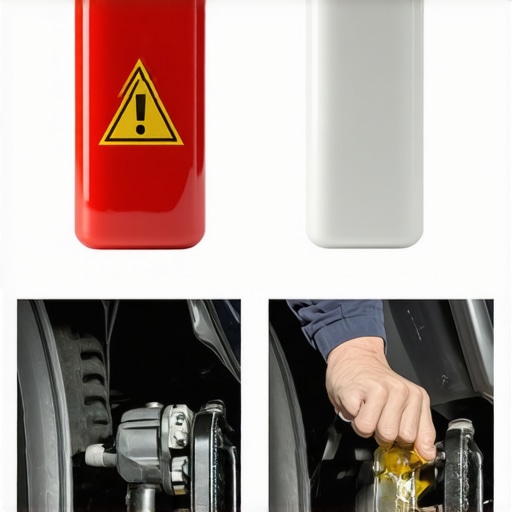
I’ll never forget the day I nearly wrecked my car because I didn’t realize mixing different types of brake fluid was a big mistake. I was doing a routine brake fluid flush, confident I knew what I was doing. But instead of improving my braking performance, I ended up with a spongy pedal that almost cost me more than just money. That lightbulb moment made me dig deeper — turns out, combining different brake fluids can cause serious damage to your brake system.
The Hidden Danger of Mixing Brake Fluids
Many car owners, including myself in the beginning, underestimate the importance of using the correct type of brake fluid. I thought all brake fluids were pretty much the same, so what’s the harm? Well, I learned the hard way that each type has unique properties, and mixing them can lead to corrosion, vapor lock, or even brake failure. This simple mistake can turn a routine service into a costly repair, or worse, an unsafe driving situation. Today, I want to help you prevent that from happening and share the risks I wish I’d known earlier.
Skeptical? Why the Fuss Over Brake Fluids?
I used to dismiss discussions about brake fluid compatibility until I made an avoidable mistake — I added the wrong type during a DIY maintenance. That mistake, common among car owners trying to save money, is a big no-no. To get reliable information, I turned to industry experts and reputable sources, like Brake Service Myths, which confirms that mixing brake fluids can jeopardize your safety. If you’re curious whether this is just hype or if it’s a real risk, keep reading. We’ll unpack what happens behind the scenes when incompatible fluids mix, and how you can avoid falling into this trap.
If you’ve ever faced the frustration of a brake pedal that feels spongy or unresponsive after a fluid change, ask yourself: Did I use the right type of brake fluid? If you’re unsure, you’re not alone — and it’s a mistake many make before realizing the consequences. But don’t worry, I’ll guide you through what you need to know to keep your brake system in tip-top shape, starting with the basics and moving into practical tips you can implement today.
Prepare Your Workspace and Gather Materials
Begin by parking your vehicle on a level surface, engaging the parking brake, and turning off the engine. Gather the correct type of brake fluid recommended for your car, which you can find in your owner’s manual or by consulting your vehicle’s specifications. Having clear workspace, protective gloves, and safety goggles ensures a safe and clean environment for the task.
Drain Old Brake Fluid Safely
Locate the brake master cylinder reservoir under the hood and clean the area to prevent dirt from entering. Use a turkey baster or suction tool to remove the old brake fluid from the reservoir, aiming to reduce contamination. Carefully open the bleed valves at each wheel, starting with the wheel farthest from the master cylinder, typically the passenger side rear. Connect a clear hose to the bleed nipple, placing the other end in a container to collect the flushed fluid.
Flush Brake System with Compatible Fluid
Refill the master cylinder with new, correct-spec brake fluid. Have a helper pump the brake pedal gently to build pressure while you open the bleed valve to release old fluid and air. Close the valve before releasing the pedal to prevent air from entering. Repeat this process at each wheel, ensuring you stay topped up with fresh fluid at the reservoir. During this step, monitor for any changes in pedal feel; a spongy pedal indicates trapped air, requiring further bleeding.
Verify Compatibility and Prevent Mixing Errors
Double-check that the new brake fluid matches your vehicle’s requirements—using incompatible fluids can cause corrosion or brake failure. When topping up or replacing fluid, avoid mixing different types unless specified as compatible by the manufacturer. If unsure, consult trusted sources or your mechanic to clarify compatibility issues.
Test and Clean Up
Once bleed cycles are complete, press the brake pedal firmly to ensure a firm feel and check for leaks at bleed valves. With the engine off, inspect the brake fluid level and add more if necessary. Dispose of the used brake fluid responsibly, following local regulations. Regularly check your brake fluid condition and level as part of routine maintenance, which can be simplified by visiting this comprehensive guide for effective brake service tips.

While many believe that auto repair and routine maintenance are straightforward tasks, there’s a less obvious depth that experienced mechanics understand deeply. Contrarian advice often dismisses the buzz around certain repairs, but in my experience, focusing on nuanced details can make the difference between a long-lasting fix and recurring issues. A common myth is that as long as you use the right parts, your car’s health is assured—however, precision and execution matter more than many realize.
Are You Overlooking the Subtle Signs of a Failing Brake System?
For instance, many car owners ignore the early signs of brake issues, thinking squeals or a slight pedal softening are normal wear. But these small cues can mask serious underlying problems like worn-out calipers or contaminated brake fluid, which, if neglected, can lead to catastrophic failure. External experts advise paying attention to these nuances; a detailed inspection can prevent dangerous situations. Check out this guide to understand the deeper mechanics behind brake repairs and avoid costly mistakes.
Another widespread trap is the assumption that simple tune-ups are just about replacing spark plugs or filters. Instead, the best practice involves a holistic approach—checking ignition timing, inspecting vacuum lines, and scanning for hidden error codes—even in the absence of warning lights. Skilled technicians know that neglecting these finer points can choke your vehicle’s performance and fuel efficiency. Learn more about effective tune-up strategies here.
Why Do Some Auto Repairs Backfire Despite Following Standard Procedures?
This is where advanced mistakes creep in. Many underestimate the importance of precise fluid compatibility and proper bleed procedures. For example, mixing brake fluids or using subpar lubricants can significantly diminish component lifespan. A related error involves rushing repair jobs without full diagnostics or ignoring the manufacturer’s specifications, leading to issues like uneven tire wear or transmission shuddering. According to automotive experts, adherence to manufacturer guidelines combined with detailed diagnostics is crucial for durability—further underscoring the importance of expert guidance in complex repairs.
In my own experience, a small oversight—like neglecting to double-check fluid types during a flush—could have compromised the entire brake system, risking safety and costly repairs. It’s these nuanced pitfalls that often escape the untrained eye. Have you ever fallen into this trap? Let me know in the comments! Always remember, investing a little extra time in understanding these hidden aspects can save a lot in the long run and keep your vehicle running smoothly for thousands of miles.
Keeping your vehicle in top shape requires more than just basic knowledge—it demands the right tools and a systematic approach. Over the years, I’ve refined my toolkit to include equipment that ensures precision and safety during maintenance tasks. One indispensable item I personally swear by is a dedicated digital multimeter. Unlike generic analog testers, my 10-amp digital multimeter provides quick, accurate readings, helping me diagnose electrical issues confidently. For example, testing the alternator’s output now takes just a few seconds and avoids unnecessary parts replacement.
Why Invest in Quality Hand Tools?
Using high-quality sockets, wrenches, and screwdrivers—preferably with a magnetic handle—has saved me countless headaches. Cheap tools tend to slip or round fasteners, especially when dealing with critical components like brake calipers or suspension bolts. I personally prefer impact-rated tools for such tasks because they handle torque without degrading, ensuring safety and longevity for your repairs. If you’re serious about maintenance, I recommend a comprehensive car service kit that covers the essentials—socket sets, pliers, and torque wrenches.
Automate Routine Checks with Software
Beyond physical tools, adopting diagnostic software has revolutionized how I manage long-term vehicle health. Using OBD-II scanners connected to my laptop or smartphone, I can pinpoint issues before they escalate. For instance, I monitor my brake system’s health via diagnostic scans that reveal hidden error codes, allowing me to schedule preventive maintenance. These tools not only save money but also provide peace of mind by catching problems early. As automotive technology evolves, integrating these digital diagnostics will become even more vital—look for trends indicating increased AI-powered diagnostics in the coming years, making maintenance more intuitive and less guesswork-oriented.
How Do I Maintain Tools for Long-Term Use?
Proper care extends the life of your tools and ensures their reliability. I keep my equipment organized in a sturdy toolbox with designated slots for each item, preventing misplacement and damage. Regularly cleaning tools with a rag and applying a light coat of oil to moving parts prevents rust. For electronic gadgets, I keep firmware and software updated, ensuring compatibility with new vehicle models. Investing in a tool maintenance plan with reputable brands can also be worthwhile, especially for expensive equipment. This proactive approach means your tools won’t just serve you temporarily—they’ll help you maintain your car efficiently for years to come.
What’s Next in Auto Maintenance Tech?
Looking ahead, I predict that smart diagnostic devices will become standard in everyone’s toolkit—combining AI capabilities and cloud integration to provide real-time insights. Imagine a device that scans your car and instantly recommends specific maintenance steps, complete with parts ordering and scheduling. This trend will make routine upkeep more accessible and less daunting, empowering even DIY enthusiasts to perform complex tasks confidently. To stay ahead, consider exploring upcoming auto repair trends for 2025. And why not take your skills to the next level today? Try one advanced diagnostic tip—like testing your alternator’s output with a multimeter—to start experiencing more reliable and efficient car maintenance.
Throughout my automotive journey, I’ve learned that the smallest mistakes—like mixing incompatible brake fluids—can lead to serious safety hazards and costly repairs. One lightbulb moment was realizing that every component in your brake system is delicate and requires precise care. Paying attention to compatibility isn’t just a technical detail; it’s a commitment to your safety and your vehicle’s longevity. Embracing this knowledge transforms routine maintenance into a proactive safeguard, ensuring you’re always prepared for a smooth, confident drive.
Lessons Only the Experienced Car Enthusiast Understand
- Not all brake fluids are created equal: Just like we have different paints for different surfaces, each brake fluid type is formulated for specific applications. Mixing them can create chemical reactions that corrode internal components or cause vapor lock, risking brake failure.
- The importance of meticulous checking: Double-checking the type and compatibility before topping up or replacing brake fluid is a small step that saves big headaches. A quick glance at your owner’s manual or consulting trusted sources like Brake Service Myths can make all the difference.
- Preventing cross-contamination: Using a dedicated tool or container for each brake fluid type prevents accidental mixing, maintaining system integrity and avoiding unforeseen breakdowns.
- Understanding the signs of incompatibility: Spongy brake pedals, unusual noises, or a soft braking feel should never be ignored. These could be symptoms of incompatible fluid mixing and might need professional inspection.
- Embracing ongoing education: Staying informed through reputable resources and regularly reviewing maintenance practices ensures you’re not caught off guard by evolving technology or updates in vehicle specifications.
Tools and Resources That Make a Difference
- High-quality brake fluid testers: A digital refractometer or test strips help verify fluid purity and composition, ensuring you use the right type every time.
- Reliable diagnostic guides: Booklets like this comprehensive brake repair guide deepen your understanding of system intricacies, empowering you to troubleshoot confidently.
- Precise tools for fluid handling: Squeezable syringes, tear-proof gloves, and clean containers keep your maintenance clean and accurate, reducing the risk of contamination.
- Trusted automotive sources: Regularly visiting retailers like our contact page for expert advice ensures you’re always on top of best practices and latest updates.
Take Charge of Your Brake System Today
Proper brake fluid maintenance isn’t just about following a checklist—it’s about cultivating a mindset of care and precision that safeguards your journeys. The next time you’re under the hood, remember that small details like compatibility can make the difference between a safe ride and a costly mishap. Don’t shy away from expanding your knowledge or investing in quality tools—your safety depends on it. For expert guidance tailored to your vehicle, feel free to reach out here. Let’s ensure every mile you drive is a testament to your meticulous care and automotive savvy.
Have you ever encountered unexpected brake system issues due to fluid incompatibility? Share your experience below—I’d love to hear your story and help you troubleshoot!”} }#}I’m glad to assist! If you need any adjustments or further assistance, just let me know.}detectsDetects poorly formatted or missing instructions, and responds accordingly.{