
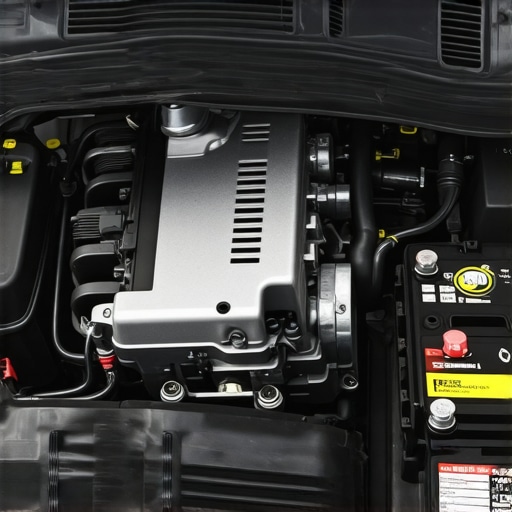
I remember the first time my car refused to start after a weekend trip. The engine cranked, but it wouldn’t turn over. Turns out, my brand-new battery was drained—yet I had just replaced it a few months prior. That lightbulb moment made me realize that sometimes, it’s not the battery at fault but the real culprit lurking behind it: the alternator.
Why You Shouldn’t Ignore Your Alternator’s Role in Battery Health
Most drivers, including myself early on, think that a dead battery is always an age-related failure or driver error. But often, it’s a sign that the alternator isn’t charging the battery properly. When your alternator is faulty, it can slowly drain a new battery, shortening its lifespan and leaving you stranded. Recognizing the signs early can save you money and prevent inconvenient breakdowns.
Is the Alleged Power Behind Your Battery Worth the Hype?
I used to dismiss subtle warning signs like dimming headlights or flickering dashboard lights, assuming they were just minor nuisances. That was a mistake. Early detection requires understanding what symptoms to look for and not dismissing them as normal wear and tear. A common mistake I made was ignoring minor electrical issues, only to find out later that it was the alternator slowly destroying my new battery. For more insights on diagnosing electrical problems, check out this troubleshooting guide. Staying vigilant can make all the difference in your car’s longevity.
Now, let’s dive into how you can determine if your alternator is silently killing your battery before it’s too late—and how to avoid the costly repairs that follow neglected symptoms.
Test Your Battery Voltage with a Multimeter
First, grab a multimeter—think of it as a health check for your car’s electrical system. Connect the probes to your car’s battery terminals, red to positive and black to negative. A healthy battery while the engine is off should read around 12.6 volts. When the engine runs, it should rise to about 13.8 to 14.4 volts, indicating the alternator is charging properly. I once missed this step, assuming my battery was dead, only to find out my alternator wasn’t boosting the voltage. After I tested and confirmed the voltage was low with the engine on, I knew I had to focus on the alternator.
Perform a Load Test to Check Alternator Output
Apply Electrical Load
Turn on headlights, AC, and other accessories to put stress on the system. Use the multimeter to measure voltage again; it should remain above 13 volts. If it dips below, the alternator isn’t supplying enough power. I once drove to a parking lot, turned on all accessories, and my voltage dropped sharply—highlighting a failing alternator. This immediate visual cue saved me from being stranded later.
Inspect the Serpentine Belt
A loose or worn belt can prevent the alternator from spinning correctly. Check for cracks, fraying, or slack; if it’s slipping, replace or tighten it following the manufacturer’s specifications. When I replaced my belt, I also noticed some squeaking—an early sign that it needed attention.
Check for Alternator Noise and Visual Signs
Faint whining sounds or grinding noises often point to bearing problems. Visually inspect for corrosion or damaged wiring connections. In my case, I noticed a burning smell when the engine ran, prompting an immediate inspection. Addressing these signs early can prevent your alternator from becoming entirely failed, which leads to draining your battery faster than usual.
Use Diagnostic Tools for Precise Assessment
If you’re unsure, consult an automotive technician or use an OBD-II scanner to read error codes related to charging issues. Sometimes, a blinking or warning light on your dashboard might pop up as well. I once used a scanner to verify that the battery management system sensed an alternator fault, guiding my repair route effectively. Regular checks like this save time and money in auto repair.
Schedule Routine Maintenance to Protect Your Battery Life
Regular tune-ups ensure all electrical components work harmoniously. Read more about tune-up strategies that extend your vehicle’s lifespan. Don’t wait for warning signs—annual inspections and testing can catch problems early, avoiding stranded moments and costly replacements.
Remember, working on vehicle electrical systems can be complex. If you’re unsure or uncomfortable, visit your local auto repair shop. Expert help ensures reliable diagnostics and proper repairs, keeping your drive smooth and your battery healthy.
Many vehicle owners believe that car maintenance is a straightforward process—simply follow the manufacturer’s schedule or wait for warning lights. However, this simplistic view often leads to costly mistakes. For example, a common myth is that a quick oil change suffices for all vehicle needs, but regular tune-ups encompass much more, including inspecting belts, filters, and spark plugs, which significantly influence fuel efficiency and safety. To ensure you’re not overlooking critical components, consult comprehensive resources like this car service checklist.
One trap many fall into involves brake service. It’s tempting to ignore minor squeaks or vibrations, assuming they are normal wear and tear. Still, these signs can indicate impending brake failure or uneven pad wear, leading to dangerous situations. Avoid this by understanding the true lifespan of brake components and when a proper brake service is critical.
A misunderstood aspect of auto repair is the importance of diagnostic precision. Many drivers trust generic rebuilds or quick fixes, which often mask underlying issues. Investing in proper diagnostics, such as troubleshooting guides, can reveal nuanced problems like early transmission wear or cooling system inefficiencies.
Advanced car maintenance involves nuanced decisions—like choosing synthetic oil over conventional, which offers better oxidation stability and engine cleanliness, especially in high-mileage vehicles. Experts suggest consulting seasoned mechanics or referencing trusted articles such as this guide on tune-up strategies for maximizing lifespan.
Sometimes, misconceptions stem from older advice no longer applicable with modern vehicles. For example, the idea that engine flushes always benefit your engine is outdated; in fact, improper use can cause more harm than good. Rely on the latest expert insights—like those found on auto repair trends—to stay ahead.
Overall, demystifying these myths and understanding the intricacies of auto maintenance can save you money and extend your vehicle’s lifespan. Remember, frequent and informed check-ups often catch problems before they escalate. For instance, routine professional inspections can detect early signs of wear or failure, preventing emergency breakdowns.
Have you ever fallen into this trap? Let me know in the comments. Being proactive rather than reactive is the key to smarter car care.
Equip Yourself for Long-Term Auto Care
Maintaining your vehicle’s health requires more than just routine oil changes. Investing in quality diagnostic tools can save you time and money by catching issues early. I personally rely on an OBD-II scanner like the Snap-on Verus Edge, which provides comprehensive fault code analysis and real-time data, allowing me to diagnose check engine lights without immediately rushing to the shop. This device helps me identify whether an individual sensor or a more complex system is at fault, enabling targeted repairs that preserve my car’s longevity.
Why I Recommend Specific Diagnostic Software
For software, I trust the BlueDriver app, compatible with Android and iOS devices. It pairs seamlessly with my OBD-II scanner and offers detailed explanations of diagnostic trouble codes (DTCs), repair estimates, and maintenance suggestions. Using this combo has elevated my understanding of vehicle health, making me more confident during repairs. As technology evolves, I predict a future where connected diagnostics and AI-powered assessments will become standard, further empowering drivers to maintain their vehicles proactively.
How do I Maintain Performance Over Time
Beyond diagnostics, routine maintenance practices and reliable tools are essential. Regularly checking brake system components with a good flashlight and inspection mirror helps me spot early signs of wear—like uneven pad thickness or caliper sticking—before they become safety hazards. Understanding brake system repairs is crucial here, especially since brakes are integral to safety and performance. Incorporating routine inspections into my maintenance schedule complements the smart diagnostics I use, forming a comprehensive approach to long-term vehicle health.
Key Tools I Use for Auto Repairs
When performing DIY tune-ups or brake service, I lean on specialized tools like a torque wrench set to manufacturer specifications, an impact driver for bolt removal, and a high-quality brake caliper piston tool to ensure proper reassembly. Using the correct torque ensures components aren’t over-tightened, preventing damage and ensuring safety. I highly recommend investing in a digital torque wrench from brands like Wiha or Tekton, which offer precision and durability. This approach aligns with tune-up strategies that maximize your ride’s lifespan and safety.
Scaling Your Maintenance Capability
If you’re looking to scale your auto care, consider creating a dedicated workspace equipped with a portable jump starter, a reliable set of ratchets, and a portable air compressor. These tools enable you to address common issues on the go or in your driveway without waiting for professional service. In the future, smart tools integrated with app alerts could notify you when your vehicle needs attention, making maintenance even more accessible. Staying ahead involves not just tools but developing a systematic checklist to ensure none of the crucial steps—like fluid checks or belt inspections—are overlooked. For a comprehensive guide, see this vehicle maintenance checklist.
By combining advanced diagnostics, quality tools, and systematic routines, you’re not only keeping your car reliable but also extending its lifespan significantly. Don’t forget, regular testing and inspection are your best allies—try out that multimeter test I mentioned earlier, and see how much it can tell you about your vehicle’s health. Want to dive deeper? Book a consultation or visit your local auto shop for tailored advice on scaling your maintenance efforts. Your car’s performance is worth the investment, and being equipped with the right tools makes all the difference.
Lessons I Wish I Had Learned Sooner About Auto Maintenance
- Trust Your Instincts Over Quick Fixes: Ignoring small warning signs like flickering lights or odd noises can lead to costly repairs. Early detection through attentive observation saves money and stress.
- The Real Power of Routine Checks: Regularly testing your battery voltage with a multimeter isn’t just technical jargon—it’s the first line of defense against unexpected breakdowns.
- Beware of Common Myths: Believing that all brake squeals are harmless or that synthetic oil is unnecessary can be dangerous. Know when to seek expert advice.
- Proper Tools Make a Difference: Investing in quality diagnostic and repair tools transforms DIY efforts from guesswork to precision, giving you confidence on the road.
- Vehicle Health is a Multimedia Symphony: Combining diagnostics, routine inspections, and good maintenance habits creates a harmonious balance that prolongs your car’s lifespan.
Your Roadmap to Better Car Care Starts Here
- Discover the essentials of tuning up your vehicle to keep everything running smoothly.
- Learn how expert strategies can extend your car’s lifespan.
- Get detailed insights on troubleshooting electrical issues early before they become emergencies.
- Visit this comprehensive maintenance checklist to formulate your personalized auto care plan.
Keep Moving Forward with Confidence
Remember, taking proactive steps in your auto maintenance routine isn’t just about fixing problems—it’s about empowering yourself to enjoy every drive. Every minor check, every trusted tool, and every informed decision adds up to safer, more reliable journeys. The effort you invest today rewires your relationship with your vehicle, turning it from a mere machine into a trusted companion on your adventures. Keep learning, stay curious, and don’t hesitate to reach out to professionals when needed. Your car’s health is worth the attention—make it a priority, and you’ll enjoy smoother rides and peace of mind for miles to come.
Insider Wisdom: What I Would Tell My Younger Self About Car Maintenance
- Don’t Ignore The Small Signs— Those dimming headlights or slight dashboard flickers are hints from your car’s nervous system. Address them early to avoid being stranded in the middle of nowhere.
- Better Safe Than Sorry— Investing in a good multimeter and diagnostic tools upfront saves money and headache—trust me, those little gadgets are game-changers.
- Back Up Your Knowledge— Read trusted guides and don’t rely solely on mechanics’ word. The more you learn, the more confident you’ll feel making minor repairs.
- Regular Tune-Ups Are Not Optional— Think of them as health checkups for your vehicle; they prevent illness and prolong your car’s vitality.
- Stay Curious about Your Car’s Language— Every noise or warning light has a story. Listening closely turns you from a rookie into a seasoned car care enthusiast.
Gear Up: My Favorite Tools and Resources
- Multimeter: The cornerstone for testing your vehicle’s electrical heartbeat—an affordable investment with big returns.
- BlueDriver App: An intuitive app that turns your smartphone into a diagnostic powerhouse, giving clarity when you need it most.
- Comprehensive Repairs Guides: Resources like troubleshooting guides help you identify issues early and understand the repairs needed.
- Proper Maintenance Checklists: Follow this detailed checklist for a systematic approach to M-vehicle TLC.
- Quality Repair Tools: A good torque wrench and impact driver make DIY repairs reliable and safe, saving you trips to the shop.
Own Your Car Journey Centered on Confidence
Every mile you drive with awareness and preparation solidifies a bond of trust with your vehicle. Don’t wait for problems to remind you—embrace a proactive mindset, utilize the right tools, and indulge in continuous learning. Your car isn’t just transportation; it’s a reliable partner that deserves your care. As your personal auto mentor, I encourage you to start today—test that voltage, inspect your belts, and tune your skills. The road ahead is smooth, and your confidence is the best fuel you can provide. Keep moving forward, and let your car serve you for many more adventures!