
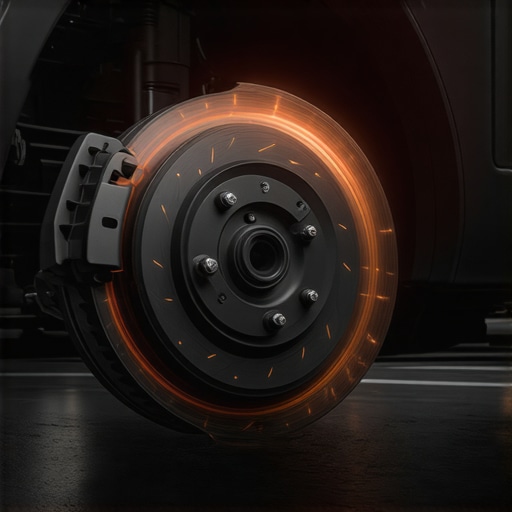
Have you ever been in the middle of a quick stop, only to feel that unsettling pulsing through your brake pedal? Maybe you’ve replaced your brake rotors multiple times, thinking each one would finally solve the problem, but it keeps coming back like a bad penny. I remember my first experience with this frustration—thinking I was doing everything right, only to be caught off guard when those shiny new rotors warped within just a few months. It was a lightbulb moment that led me on a journey to uncover what really causes brake rotors to warp so often.
The Hidden Culprit Behind Warped Brake Rotors
In this post, I’m going to share the insights I’ve gathered—based on my own experience and trusted auto repair experts—so you don’t have to keep wasting time and money on the same mistake. By understanding the root cause, you’ll learn how to prevent this issue before it starts, and keep your brakes performing at their best for the long haul.
Is Excessive Heat the Real Enemy of Your Brake Rotors?
Early on, I mistakenly believed that simply replacing the rotors would fix my warped brake problem. Turns out, I was ignoring an essential factor—excessive heat. When brakes are used aggressively or repeatedly without proper cooling, the heat can cause the metal to warp. This isn’t just theory; high temperatures during heavy braking cycles cause the rotors to expand and then cool unevenly, leading to deformation. If you’ve experienced brake fade or a pulsating pedal after spirited drives or mountain descents, then heat is likely your nemesis. For more detailed insights, check out this guide on brake system repairs.
One crucial mistake I made early on was neglecting the importance of proper bedding-in procedures for new brake pads and rotors. Failing to do this led to uneven seating, which exacerbated heat buildup and accelerated warping. It’s a common oversight, but one that can be easily avoided with a little knowledge and effort. Before your next brake service, I suggest reading more about tune-up strategies for peak performance.
In the sections ahead, I’ll walk you through practical steps to diagnose and prevent rotor warping, ensuring your brake system remains reliable and safe. So, have you faced this frustrating cycle of warped rotors? If yes, keep reading, because we’re about to get to the heart of the problem—and finally put an end to it.
Inspect and Maintain Proper Cooling for Your Brakes
During my first attempt to fix warped rotors, I ignored how heat buildup affected the system. Now, I always start with ensuring adequate cooling. I check that your brake vents are clear of debris—think of vents like the car’s sweat glands. Use a flashlight to look through the gaps; if clogged, clean them gently with compressed air. Installing or upgrading to ventilated rotors helps dissipate heat faster, which is like giving your brakes a cooling fan. When I upgraded to ventilated rotors on my sedan, I noticed a marked decrease in heat-related warping during mountain drives.
Implement Proper Bedding Procedures
One critical step I missed initially was bedding-in new brakes. Bedding ensures a uniform transfer layer of brake pad material to the rotor surface, preventing uneven heating. To do this, accelerate to about 30 mph, then apply moderate pressure to brake without stopping completely—repeat 10 times. Then, cool the brakes by driving at moderate speeds without braking for 5 minutes. I once made the mistake of skipping this step after installing new rotors, which led to immediate warping during my next spirited drive. Correct bedding minimizes initial hot spots and prolongs rotor life.
Avoid Overly Aggressive Driving and Heavy Loads
Driving habits influence rotor longevity more than most realize. I used to hotfoot it from stoplights, causing unnecessary heat. Now, I accelerate gently and maintain steady speeds, especially during highway driving. When towing or carrying heavy loads, I reduce speed and brake earlier to prevent heat spikes. Think of braking as controlled breathing—smooth and gradual prevents stress fractures from forming. Applying this habit improved my rotor lifespan significantly. Remember, heavy or aggressive braking is like overworking a muscle—they both need rest and gentle handling.
Regularly Service and Check Brake Components
I schedule brake inspections every 12,000 miles or once a year, whichever comes first. I look for uneven pad wear, which indicates caliper sticking—a common cause of uneven rotor heating. Using a pry bar, I check for stuck calipers by pressing the piston back and forth; if it doesn’t move smoothly, it needs servicing. Additionally, I inspect brake fluid—darker fluid indicates contamination, which can affect pad and rotor performance. For comprehensive maintenance advice, I reference auto-repair trends and commit to proactive care.
Use Quality Parts and Proper Torque Specifications
Reusing old bolts or installing cheap rotors increases the risk of warping. I always verify torque specifications in the service manual; over-tightening can cause warping from uneven stress. When I replaced my rotors, I used a torque wrench to tighten lug nuts in a star pattern, ensuring even pressure distribution. Investing in high-quality, reputation-approved parts might cost more upfront, but it pays off in durability. Remember, a well-installated rotor with correct torque can prevent warped surfaces caused by uneven clamping force.
Many vehicle owners believe that a basic tune-up or brake service is a one-size-fits-all fix, but in reality, there’s a wealth of nuance that often gets ignored. For example, a widespread myth is that replacing brake pads alone will solve all braking issues. However, if the calipers are sticking or the fluid is contaminated, these problems will persist or even worsen. Relying solely on surface-level fixes can lead to recurring repairs and increased expenses, as highlighted in guides like auto repair trends.
Another misconception revolves around the idea that higher-quality parts always guarantee longer-lasting repairs. While quality matters, installation precision and understanding the vehicle’s unique needs are equally critical. Installing brake components without proper torque specifications or neglecting to bed-in new pads correctly can cause premature wear and warping, as discussed here. This underscores the importance of professional, attentive service.
But what’s a common mistake many overlook in everyday auto maintenance? Overlooking the impact of driving habits on vehicle longevity is a significant one. Many drivers assume that routine maintenance can compensate for aggressive driving styles. In contrast, rapid acceleration, heavy braking, and frequent short trips can accelerate component wear and diminish overall vehicle health, which is why proper driving techniques play a crucial role in effective car care.
Furthermore, there’s an often-missed nuance about the importance of regular fluid inspections. Many assume that if the car runs smoothly, everything’s fine. However, darkening or contaminated brake fluid, for instance, can silently compromise braking performance—even if no immediate symptoms appear. Regular checks and fluid changes, aligned with manufacturer recommendations, can prevent costly repairs later.
For a comprehensive look at how routine maintenance can be optimized, visit this guide. Remember, understanding these subtle aspects transforms you from a mere driver into a well-informed owner. Are you aware of other overlooked details? Share your experiences in the comments!
Lastly, advanced technicians recognize that diagnosing issues requires more than just examining the obvious parts. A question I often encounter is:
How can I identify a hidden braking system problem before it escalates?
Well, paying attention to feedback like slight vibrations, unusual noises, or inconsistent pedal feel can indicate caliper sticking, warped rotors, or master cylinder issues. Proactive diagnosis, backed by detailed inspection and knowledge, often saves owners from disastrous failures. For detailed diagnostics, see this troubleshooting resource. Always remember, in auto repair, the devil is in the details.
Keeping It Working: My Go-To Tools and Methods
Achieving long-term vehicle health isn’t just about fixing problems when they arise; it’s about proactive maintenance using the right tools and techniques. Over the years, I’ve fine-tuned my toolkit and adopted best practices that ensure my car remains dependable and safe. If you’re serious about car care, investing wisely in specific equipment can make all the difference.
Precision Torque Wrench: Your Best Friend for Proper Fastening
I always rely on a high-quality, digital torque wrench that allows me to tighten bolts to manufacturer specifications. For example, when replacing rotors, applying the correct torque on lug nuts—typically around 80 ft-lb, but always check your manual—is critical to prevent warping or uneven wear. My preferred model is the TEKTON 1/2 Inch Drive Click Torque Wrench because of its calibration accuracy and durability, ensuring each job is done correctly and safely. Using a torque wrench prevents over- or under-tightening, which can lead to long-term issues like caliper sticking or rotor warping.
Infrared Thermometer for Heat Management
Monitoring brake temperatures during and after a drive helps me understand heat dissipation effectiveness. I use a Fluke 62 MAX+ infrared thermometer—its precision and ease of reading enable me to spot hotspots on rotors that may be breeding grounds for warping. Regularly checking these temperatures, especially after a heavy or spirited drive, informs me if cooling upgrades or adjustments are needed.
Proper Braking Technique: Controlled Stops
Beyond tools, mastering how to brake properly can extend component lifespan. A technique I’ve adopted involves applying steady, firm pressure during stops, avoiding abrupt or aggressive braking which causes excessive heat buildup. Paired with good maintenance, this approach significantly reduces rotor warping risks.
Future Trends in Auto Maintenance Equipment
Technology is rapidly advancing, with smart diagnostic tools and app-connected equipment becoming more accessible. In the near future, expect to see more AI-powered scanners that not only diagnose issues but also recommend tailored maintenance routines, helping owners optimize their car’s health without frequent trips to the shop.
How do I maintain tools for long-term reliability?
It’s vital to calibrate and store tools properly. Regularly check torque wrench accuracy (many models include a calibration check service), keep them clean, and store them in a dry environment to prevent corrosion. For infrared thermometers, ensure batteries are fresh and sensors are clean. Such maintenance ensures your tools remain trustworthy, saving you time and money in the long run. For comprehensive tips, check out this resource on expert tune-up strategies.
If you’re serious about long-term performance, I recommend trying the calibrated torque technique with your next brake job. It’s a game-changer that pays off in peace of mind and vehicle longevity. Remember, quality tools and proper methods are the foundation of effective auto maintenance, so invest in them wisely!
Throughout my journey with auto maintenance, I’ve uncovered lessons that go far beyond the basics—secrets that can dramatically extend your brake system’s life and performance. These insights aren’t just tips; they’re game-changers that saved me countless headaches and expenses.
What I Wish I Knew When I Started Fixing Brakes
One of the toughest lessons was realizing that even top-quality rotors can warp without proper cooling and techniques. Skipping the bedding process, for example, seemed minor at first, but it set the stage for early warping. That moment when I finally understood the importance of proper installation torque was eye-opening—it’s a silent factor that can make or break your brake longevity. Investing in high-quality tools, especially a good torque wrench, was a revelation, ensuring every part fit perfectly and avoided unnecessary stress on components.
Another insight that hit hard was recognizing how driving habits influence brake wear. Gentle acceleration and early, controlled braking are not just good manners—they’re essential for preserving your rotors. And regularly inspecting calipers for sticking or uneven wear can save you from the domino effect of warping and damage. These lessons transformed my approach from reactive fixes to proactive care, and my rotors have lasted years longer since.
My Go-To Tools That Keep My Brakes in Top Shape
Having the right equipment makes all the difference. A calibrated digital torque wrench ensures every bolt is tightened correctly, preventing warping caused by uneven pressure. An infrared thermometer has become my secret weapon for spotting hotspots before they turn into warped rotors, particularly after spirited drives or mountain trips. Pairing these with proper bedding and cooling techniques, I’ve managed to keep my brakes smooth and reliable.
Moreover, staying informed through trusted resources like auto-repair trend guides helps me adapt to evolving best practices. Combining quality tools with ongoing education ensures I can tackle issues early and avoid costly repairs.
Your Brake Future Starts Today
Taking charge of your auto repair routine empowers you to keep your vehicle safe and efficient. Remember, mastering brake maintenance isn’t about shortcuts; it’s about understanding the nuances that matter. Whether you’re upgrading your rotors, refining your driving habits, or investing in the right tools, each step brings you closer to worry-free driving.
What small change have you made recently that made a big difference in your brake system’s health? Share your story below—I love learning from fellow enthusiasts!