
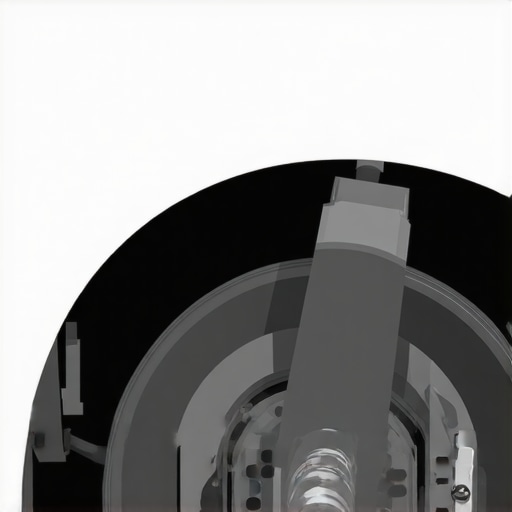
One hectic Saturday, I found myself halfway under my car, trying to diagnose a brake issue that just didn’t add up. No matter how many times I looked, the problem remained a mystery—until I realized I didn’t have to jerry-rig my way through removing wheels and crawling under the car in the driveway. That lightbulb moment changed everything for me, and I’ve been sharing that knowledge ever since.
Why Ignoring Brake Line Problems Can Cost You Dearly
If you’ve ever experienced a sudden spongy brake pedal or noticed your brake warning light flickering, you’re likely concerned about safety. Brake lines are vital arteries of your vehicle’s braking system; a pinched or compromised line can lead to diminished braking power or, worse, complete failure at a critical moment. Early detection, especially without the hassle of wheel removal, can save you lots of stress and money down the line. Trust me, neglecting these signs can turn a manageable problem into an emergency.
Is Checking for a Pinched Brake Line Actually Worth the Hype?
Honestly, I used to dismiss it as a
Start With Visual Inspection From Under the Hood
Pull your vehicle into a well-lit area and open the hood. Look for any visible damage or leaks around the brake master cylinder and along the brake lines running through the engine bay. Use a flashlight to spot any cracks, corrosion, or wet spots which could indicate a leak or pinched line. During my own inspection last summer, I noticed a small wet patch near the firewall—turns out, a tiny crack was causing a slow leak, which I could spot without crawling underneath.
Check Brake Fluid Level and Condition
Locate the brake fluid reservoir under the hood and observe the fluid level. It should be between the “MIN” and “MAX” marks. If it’s low, top it off with the recommended brake fluid type but never overfill. Also, examine the fluid’s color; if it looks dark or muddy—like coffee—that’s a sign it’s overdue for a flush, which can prevent issues before they escalate. This simple step often saves a trip to the shop and ensures your brake system has proper hydraulic pressure.
Listen and Feel for Anomalies During Braking
Drive slowly and softly press the brake pedal, paying attention to any abnormal pedal feel—like sponginess or pulling to one side. An uneven pedal can suggest a compromised brake line or air in the system. I recall a time when my pedal became slightly soft, which I diagnosed as a potential brake line issue after testing, preventing a future emergency and saving me cash.
Utilize Test Drives to Detect Subtle Problems
Taking short, controlled drives allows you to feel for pulling, vibrations, or unusual noises when braking, which often point to line issues. While driving, test your brakes gradually from higher speeds and note if the steering wheel vibrates or if the vehicle drifts. These vibrations might mean warped rotors, but often, they’re linked to compromised brake lines affecting uneven pressure distribution.
Employ a Simple DIY Pressure Test (If You’re Comfortable)
For those willing to go a step further, you can use a shop-grade pressure tester borrowed or rented to check hydraulic pressure in the brake lines. Connect the tester at the master cylinder reservoir and pump it to observe if pressure holds steady. If it drops rapidly, the line could be compromised. Remember, this method requires caution and appropriate tools, but it’s a more definitive check without removing wheels.
Know When to Consult Professionals
While these steps can identify many minor issues, complex problems demand expert attention. If you notice fluid leaks, persistent soft pedals, or suspect a damaged line, it’s wise to schedule maintenance sooner rather than later. Regular checkups, including brake system inspections, can be scheduled via car maintenance guides and keep your safety at the forefront.
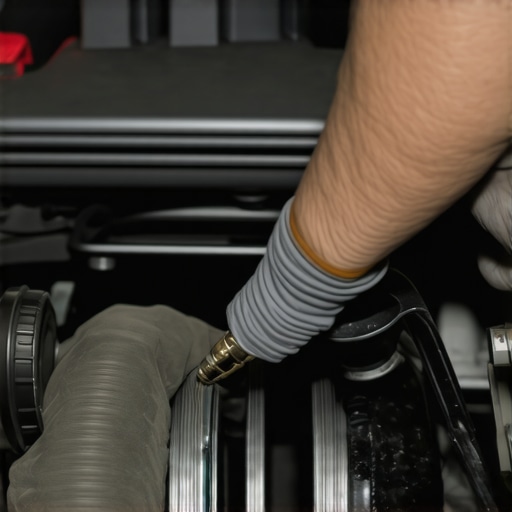 Many vehicle owners operate under assumptions about tune-ups, brake services, and repairs that can lead to costly mistakes. Contrary to popular belief, not all maintenance tasks are created equal; some are overemphasized while others are overlooked, risking damage and safety. For example, the myth that frequent oil changes are necessary every 3,000 miles persists, but modern synthetic oils and engine designs allow for much longer intervals, as supported by recent industry studies. Rushing into unnecessary repairs can also trap owners into spending more than needed, especially when they don’t understand the nuanced differences between a simple tune-up and a more complex engine overhaul.
Another common trap is the tendency to ignore subtle signs of brake issues, such as slight vibrations or unusual noises, assuming they’ll resolve on their own. In reality, these symptoms often indicate critical problems like warped rotors or caliper malfunctions, which, if left unchecked, can compromise safety. Recognizing the importance of early detection and understanding when to seek professional assistance is vital. Consulting trusted guides like this comprehensive brake system repair guide can prevent small issues from escalating.
Why Do DIY Repairs Sometimes Backfire, Even for Experienced Car Owners?
Many seasoned DIY enthusiasts might think they can handle brake pad replacements or minor engine diagnostics at home. However, errors like improper torqueing of bolts, inadequate bleeding of brake fluid, or misdiagnosing the root cause can worsen the problem or introduce new hazards. A 2023 automotive safety study emphasizes that improper repairs are a leading cause of vehicle breakdowns and accidents. The key is recognizing one’s limits and knowing when professional intervention is necessary. For more advanced insights on auto repair pitfalls and how to avoid them, visit this troubleshooting resource.
In the realm of vehicle maintenance, appreciating the subtleties can make a difference between safe, efficient driving and costly setbacks. From understanding the correct frequency of tune-ups to recognizing the importance of precise brake service, ongoing education is crucial. Remember, what many consider routine might hide more complex issues that warrant expert attention. Always prioritize safety and proper diagnostics, leveraging trusted information and professional help when needed. Have you ever fallen into this trap? Let me know in the comments.
Maintaining your vehicle’s optimal performance requires the right tools and a consistent routine. Over the years, I’ve found that investing in quality equipment and honing specific techniques can significantly extend your car’s lifespan and ensure safety on the road. Let’s dive into the tools I personally recommend and how you can incorporate them into your regular maintenance regime to keep your vehicle in top shape.
Why Investing in Precision Tools Matters for Auto Care
When it comes to car maintenance, having the right tools isn’t just about convenience—it’s about precision and safety. For instance, I rely on a digital torque wrench like the ClickStik Digital Torque Wrench. This device allows me to apply exactly the right amount of torque on wheel lug nuts or critical engine components, preventing over-tightening that can cause damage or under-tightening that leads to failures. Accurate torque application is essential, especially when working on brake systems or suspension parts, where improper tightening can compromise safety.
The Power of Diagnostic Software in Modern Auto Maintenance
Beyond physical tools, diagnostic software like Autel scanners has revolutionized how we approach auto repairs. These tools connect directly to your car’s OBD-II port, providing real-time data and fault code readings. I use my Autel device regularly to identify issues early—things like pending ABS sensor faults or transmission irregularities—before they turn into costly repairs. The ability to analyze sensor data and clear trouble codes gives me confidence knowing my vehicle’s health is monitored proactively, which is crucial for long-term reliability.
Routine Maintenance Techniques to Extend Your Car’s Life
Adopting a disciplined maintenance schedule is vital. Regularly checking and replacing fluids—such as engine oil, brake fluid, and coolant—can prevent most major engine and brake problems. For example, I follow the guidelines outlined in this comprehensive checklist that emphasizes fluid levels and quality. Additionally, inspecting belts and hoses for cracks or wear, as advised by inspection tips, helps avoid breakdowns unexpectedly.
Looking Ahead: The Future of Auto Maintenance Tools and Methods
Emerging trends like AI-driven diagnostics and smart wearables are set to make maintenance even more intuitive. Imagine receiving proactive alerts about potential issues directly on your smartphone or smartwatch, guided by predictive analytics. The integration of such technologies could reduce guesswork and enable even DIY enthusiasts to perform more complex repairs confidently. Staying ahead in auto care means embracing these innovations, ensuring your vehicle remains reliable and safe for the long haul.
How do I keep my car’s performance consistent over time?
The key lies in routine checks combined with strategic use of advanced tools. Scheduling regular tune-ups through reputable guides like this resource ensures that components are properly calibrated and fluids are fresh. Additionally, I recommend using diagnostic tools periodically to catch insidious issues early. By doing so, you’ll prevent minor problems from escalating, saving both time and money while maintaining peak performance. Want to try one of these tips? Start by investing in a quality torque wrench and applying correct specifications when tightening critical components—that small step can make a big difference in your car’s longevity.
What I Didn’t Know About Brake Lines Until It Was Near Disaster
One of the most eye-opening lessons I learned was realizing the importance of visual inspections before diving into complex repairs. I used to believe that fixing brakes involved heavy tools and a trip to the shop, but a simple look underneath my hood revealed warning signs I’d never noticed—cracks, leaks, and corrosion that could have turned into emergencies. This experience taught me to trust my eyes first, saving time and stress.
Why Relying Solely on DIY Fixes Can Backfire
While I love working on my car, I discovered that some issues require professional expertise. For instance, over-tightening brake components or misdiagnosing soft pedals can lead to dangerous situations. Knowing when to pause and seek help has kept me safe and my car on the road longer. Genuine diagnostic tools and guides, like those found at this comprehensive brake repair guide, are invaluable for making informed decisions.
How Embracing New Tools Transformed My Maintenance Habits
Investing in quality tools and modern technology made a big difference. A digital torque wrench ensures bolts are tightened precisely, preventing damage and ensuring safety, as explained at this resource. Additionally, diagnostic scanners like Autel give real-time insights into my vehicle’s health, enabling me to catch issues early, saving money and keeping me confident on the road.
Choosing the Right Resources for a Safer Drive
Over time, I realized that trusted information sources are key to effective maintenance. I recommend tools and guides such as the ultimate car maintenance guide and trusted parts suppliers. These resources help you understand your car better, make smarter decisions, and avoid costly mistakes, especially when tackling tricky problems like brake line issues or fluid replacements.
Step Into Confidence and Take Charge of Your Car’s Future
The more I learn and apply the right techniques, the more confident I feel about maintaining my vehicle. Regular checks, smart tool investments, and learning from reputable guides empower you to stay ahead of problems. If you’ve ever hesitated to dive into repairs or felt unsure about your skills, remember that every small step builds your knowledge and safety. Your car’s health, and your peace of mind, are worth the effort—so why not start today?
Have you ever caught a potential brake problem early because of a simple visual inspection? Share your experience below—I’d love to hear your stories!