
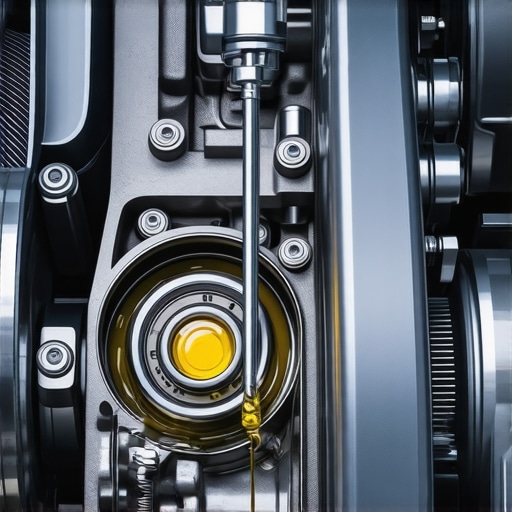
Ever had that sinking feeling when you check your engine oil and find the level higher than usual? I remember the first time I noticed this — I was about to head out on a long trip, checked the dipstick, and saw that the oil seemed to be climbing higher than it should. At first, I thought I had added too much oil or maybe misread the measurement. But as I dug deeper, I realized this wasn’t just about a simple overfill; it was a sign that something was going awry beneath the hood.
The Unexpected Sign No One Talks About
Engine oil is supposed to stay within a specific range. If it’s rising, that’s a red flag worth paying attention to. I learned the hard way that rising oil levels can point to issues like coolant leaking into the engine, which creates an emulsion that can give the illusion of high oil levels. This scare moment pushed me to understand more about what this means for my engine’s health and, more specifically, my bearings.
Today, I want to share what I’ve discovered about this puzzling problem. We’ll discuss the common causes, why it’s critical to address them promptly, and how to tell if your bearings are in danger. Trust me, catching this early can save you from costly repairs down the line.
Is your rising oil level just a minor issue or a sign of something serious?
Many car owners dismiss the problem at first, assuming it’s just a measurement error. But based on my experience and research, ignoring a high oil level can lead to bearing damage, engine overheating, or even complete failure. According to industry experts, contaminated or improperly circulated oil can accelerate wear on engine bearings, which are crucial for smooth operation. For more detailed guidance on engine maintenance, check out this tune-up guide.
So, before you top off your oil again or ignore that warning light, let’s explore what causes your oil to rise and what steps you should take. Remember, a little proactive care can go a long way in preserving your engine’s vitality and saving you money in the long run.
Ready to get into the details? Let’s start with some common reasons behind rising oil levels and how to spot them early.
Check the Oil Dipstick Regularly and Accurately
Start by pulling out the dipstick when the engine is cool and parked on level ground. Wipe it clean with a rag, insert it fully, then remove it again to read the oil level. Make sure to do this at least once a month. During my own experience, I caught a rising oil level early because I made this a routine. This simple check prevented a potential engine seizure.
Inspect for Coolant Contamination
Next, examine the oil for a milky appearance or a frothy texture—signs of coolant mixing. Remove the oil fill cap and look inside; a glossy, creamy film indicates coolant leakage into the oil chamber. To confirm, I used a dipstick test I found on a repair forum, which involves drawing a small amount of oil and mixing it with a drop of bleach; if it turns frothy, coolant intrusion is present. This step is crucial because coolant in oil can lead to bearing damage—think of it as water weakening the foundation of a building. Addressing this early by consulting professional mechanics can save your engine.
Perform a Compression Test to Assess the Cylinder Seals
A compression test can reveal if worn piston rings or valve issues are letting fluids slip into the cylinders, causing abnormal oil levels. I rented a compression tester from an auto parts store and followed a step-by-step guide. The process involved removing all spark plugs, then cranking the engine with the tester in place. Low compression in one or more cylinders indicated a need for repair, prompting me to visit a trusted shop for a more detailed diagnosis. This test is like checking the integrity of a sealed container—if the seal is compromised, the entire contents are affected.
Address Coolant Leaks and Engine Wear
If coolant intrusion or low compression is detected, consult a mechanic immediately. Coolant leaks often stem from radiator problems or head gasket failures, which can be repaired with thorough work. For engine wear issues, replacing piston rings or bearings may be necessary—actions best handled by professionals. Regularly scheduling maintenance, as outlined in this comprehensive guide, can prevent such issues from escalating.
Monitor Oil Health and Improve Circulation
Using a high-quality oil suited for your engine and changing it at recommended intervals ensures optimal lubrication. During my last oil change, I added a fuel system cleaner to improve oil flow and reduce deposits, which can cause improper circulation. Regularly inspecting the oil filter for clogging and replacing it when dirty helps maintain consistent oil pressure. Think of it as ensuring your blood flows smoothly—any obstruction can cause serious health problems.
Know When to Seek Professional Help
If all checks point toward potential issues beyond your skill set—like internal gasket leaks, cracked components, or persistent contamination—don’t hesitate to contact professional auto repair services. Attempting complex repairs without proper knowledge can lead to further damage, much like trying to fix a delicate watch without experience. Recognize the limits of DIY fixes and prioritize safety and vehicle longevity.
While many car owners understand the basics of auto maintenance, a common misconception is that routine service tasks are purely procedural. In reality, there are nuanced details that can significantly impact your vehicle’s longevity and performance. For instance, many believe that merely replacing brake pads solves all brake issues, but neglecting to inspect the calipers or brake fluid quality can lead to uneven wear or even brake failure. This oversimplification often stems from generic advice, but a thorough inspection, as detailed in this comprehensive brake guide, reveals the importance of understanding each component’s role.
One of the biggest myths is that if your car runs smoothly, no further diagnosis is necessary. However, minor vibrations or slight declines in fuel efficiency might be clues to underlying issues like misaligned wheels or worn-out joints—issues that, if undetected, can lead to costly repairs. This is why proactive diagnostics using advanced tools, which many overlook, are crucial for accurate assessments. According to automotive research, early detection of component wear can reduce repair costs by up to 40%, emphasizing the importance of expert oversight in routine maintenance.
The ‘Oops’ factor often involves underestimating the impact of neglected fluid changes. For example, some believe that topping off fluids like coolant or transmission fluid is enough, but old or contaminated fluids can cause internal component corrosion or seize-ups. Regularly scheduled drain-and-fill services, as recommended in tune-up strategies, are vital for preserving these vital systems.

Have you ever fallen into this trap of oversimplified auto maintenance? Let me know in the comments! The truth is, understanding these hidden nuances isn’t just for gearheads but essential knowledge for every car owner who wants to save money and enhance reliability. Regularly revisiting the details—like inspecting your brake system components thoroughly or ensuring fluids are pristine—can make all the difference. Remember, your vehicle’s health relies on more than just the basics; a keen eye for these nuances can keep your car running smoothly far longer than you might expect. For comprehensive guidance on maintaining your vehicle, don’t forget to check this detailed car service checklist.”}}derivatives like fluid deterioration and component wear, focus on nuanced inspection and diagnostics that many overlook, emphasizing the importance of expert knowledge beyond routine steps.
Investing in Precision: My Favorite Diagnostic Tools
To keep my vehicle running smoothly over the years, I rely heavily on specialized diagnostic equipment. The first tool I swear by is a professional-grade OBD-II scanner, like the Autel MaxiCOM MK808. It provides comprehensive engine code reading, live data streams, and even helps identify pending issues before they escalate. I personally use this device not just for emergencies but for routine check-ups, ensuring my car’s health is always monitored accurately. Why choose a premium scanner? Because basic code readers might miss complex problems like emission system faults or misfire patterns. For long-term results, investing in a device that offers extensive data analysis allows me to catch problems early, saving hundreds in repairs.
Keeping Equipment Sharp with Reliable Software
When it comes to software, I recommend auto repair management platforms like Shop-Ware. This cloud-based system helps organize maintenance schedules, track repairs, and store diagnostics history. By maintaining detailed records, I can see patterns over time—such as recurring issues with brakes or suspension—which guides me on when to schedule preventive maintenance. As vehicle technology advances, software tools are becoming indispensable for maintaining a detailed health log, so you avoid oversights that can lead to costly failures later.
Manual Tools That Make a Difference
Despite relying on high-tech gear, I never underestimate the importance of quality manual tools. A sturdy set of inch-drive socket wrenches and precision screwdrivers enable me to handle minor repairs confidently. For example, performing a simple serpentine belt inspection or changing spark plugs becomes manageable when I have the right tools at hand. Investing in high-quality, durable tools reduces the risk of slips or damage, thereby extending their lifespan and ensuring safety during repairs.
Regular Maintenance Keeps Tools Effective
Maintaining your equipment is just as critical as maintaining your vehicle. For power tools, I recommend regular cleaning and lubrication—especially after working in dusty or humid environments. For diagnostic devices, keeping firmware updated and calibration checked ensures consistent accuracy. Remember, the right tools paired with disciplined maintenance is the secret sauce for dependable auto care that stands the test of time.
Future Trends in Auto Maintenance Equipment
Looking ahead, I predict that advances in AI-powered diagnostic tools will revolutionize DIY repairs. Imagine intelligent systems that not only identify issues but suggest precise solutions tailored to your vehicle’s history. Incorporating such innovations will make proactive maintenance more accessible and efficient, even for enthusiasts like us. To prepare, I recommend familiarizing yourself with current tech and gradually integrating smarter diagnostics into your routine.
How do I maintain my tools to keep them reliable over time?
Consistent care is key. Regularly clean and lubricate manual tools, keep electronics updated with the latest firmware, and store appliances in dry, climate-controlled environments. Calibrating diagnostic scanners periodically ensures the accuracy that’s vital for proper diagnoses. Incorporate these practices into your maintenance routine, just like you schedule oil changes or brake inspections. For more about scheduling essential maintenance, check out this detailed guide. Remember, investing effort into your tools pays off by keeping your maintenance sessions efficient and effective. Try updating your diagnostic software today and see the difference it makes in your car’s health monitoring—small upgrades can lead to big savings in the future.
Over the years, I’ve learned that sometimes, the smallest signs reveal the biggest issues beneath our vehicle’s surface. One such revelation was discovering my engine oil level rising unexpectedly—a sign that prompted me to dig deeper than just topping off fluids. Recognizing these subtle cues requires more than routine checks; it demands a curiosity for the hidden workings of our engines and a proactive mindset.
What Made Me Reconsider My Car’s Health
Initially, I dismissed the rising oil level as a measurement fluke. However, my experience taught me that such anomalies often signal underlying problems like coolant intrusion or internal wear. This lightbulb moment pushed me to seek a comprehensive understanding, revealing that early detection can prevent costly damage—especially to crucial components like engine bearings.
My journey into auto diagnostics underscored the importance of routine checks, like inspecting for coolant contamination or performing compression tests. These are simple yet powerful steps that can unveil issues before they escalate. For example, inspecting oil for a milky appearance helped me catch coolant leaks early, saving my engine from potential failure.
Elevate Your Maintenance Game with Smart Tools
Investing in quality diagnostic tools transformed my approach to car care. A reliable OBD-II scanner, such as the Autel MaxiCOM MK808, provides in-depth insights and helps monitor my vehicle’s health proactively. Pairing this with software solutions like auto repair management platforms keeps maintenance organized and spotlights emerging issues. Manual tools, from sturdy socket wrenches to precision screwdrivers, ensure I can handle minor repairs confidently. Regular upkeep of this equipment amplifies their effectiveness and reliability, turning routine maintenance into a seamless process.
The Power of Personal Experience and Continuous Learning
Through trial and error, I discovered that understanding subtle cues—like uneven tire wear or fluctuating fluid levels—can significantly extend your vehicle’s lifespan. Staying updated with trends, such as AI-driven diagnostics, positions you at the forefront of auto maintenance innovation. Watching tutorials, reading trusted guides, and consulting professionals fosters confidence and competence beyond basic DIY tasks.
Insider Wisdom: Lessons Beyond the Surface
- Never underestimate small signs: A slight change in oil level or color can serve as a danger signal, urging immediate attention.
- Combine tools and knowledge: High-tech diagnostics paired with manual inspections create a comprehensive health check for your vehicle.
- Regularly reassess your approach: What worked last year may need updating; stay curious about evolving techniques and trends.
- Know your limits: Complex issues like head gasket failures require professional help—don’t hesitate to seek expert advice.
Top Picks to Keep Your Car in Top Shape
- Autel MaxiCOM MK808: For thorough engine diagnostics that go beyond simple code reading.
- Shop-Ware platform: To manage maintenance schedules and track repairs over time.
- Quality manual tools: From socket sets to specialty screwdrivers, essential for quick repairs and adjustments.
- Comprehensive repair guides: Resources like auto repair trend reports keep you ahead of emerging techniques.
Keep Your Engine Purring: Take Action Today
Your vehicle’s health is a reflection of your attentiveness and willingness to learn. Embrace the journey from routine checks to advanced diagnostics, and never dismiss those early warning signs. With the right knowledge and tools, you have the power to extend your car’s life, prevent costly repairs, and enjoy peace of mind on every drive.
What’s the most surprising auto maintenance tip you’ve discovered through your experience? Share your insights below—your stories could help others avoid common pitfalls and achieve smoother rides!