
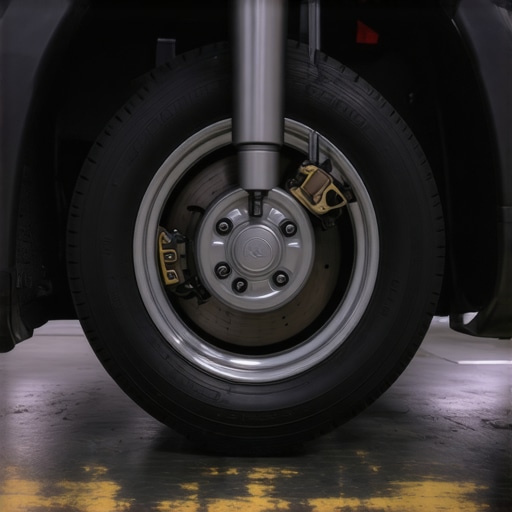
I remember pulling my old sedan out of the shop on a Tuesday afternoon. I had just dropped a significant chunk of my monthly budget on a set of high-end tires, expecting the car to feel like a brand-new machine. Instead, the first time I hit a red light, the brake pedal felt like I was stepping on a loaf of sourdough bread. It was soft, mushy, and totally unnerving. I actually circled the block twice, convinced that my [brake pedal was going to the floor](https://glassfixauto.com/why-your-brake-pedal-goes-all-the-way-to-the-floor) because of some catastrophic mistake by the mechanic. I felt that familiar prickle of heat in my neck—the kind you get when you think you are being taken for a ride. I went back inside, ready to complain, only to have the lead technician kindly explain that my old, vibrating tires had been masking the true state of my hydraulic system for months. I felt like a total amateur, but that is how we learn, right?
That weird sensation in your foot after leaving the tire shop
It is a jarring experience. One minute your car is predictable, and the next, the feedback through your right foot has changed its entire language. We are going to solve this mystery today so you do not have to do the ‘circle of shame’ around the block like I did. Often, the reason stems from how the vehicle was handled while it was up on the lift. If a technician pushed those caliper pistons back even a fraction of a millimeter to inspect your pads—which is a standard part of any [car service checklist](https://glassfixauto.com/car-service-checklist-how-to-keep-your-vehicle-in-top-shape)—it can take several pumps of the pedal to get them seated perfectly against the rotor again. [image-placeholder]
Is this all just in my head or is the car actually unsafe?
Skepticism is your best friend when it comes to [auto repair](https://glassfixauto.com/troubleshooting-common-auto-repair-issues-before-visiting-the-shop). You are not crazy for noticing a change the second you leave the bay. In fact, many drivers fail to realize that new tires have a literal break-in period. According to the experts at Tire Rack, brand-new tires are often covered in a mold-release lubricant from the factory that can temporarily reduce the initial ‘bite’ of your brakes against the road surface. It is not always that your brakes are failing; sometimes it is just that the tires are not grabbing the asphalt with 100% efficiency yet. Have you ever experienced that heart-stopping second where the car did not stop exactly where you expected after a service? I would love to hear if this has happened to you. We are about to look at the mechanical reasons your pedal feels high, low, or just plain weird after a fresh install, and why [understanding brake system repairs](https://glassfixauto.com/understanding-brake-system-repairs-a-guide-for-vehicle-owners) is the best way to regain your confidence on the road.
Pump the pedal to reset those calipers
Think of your brake pads like the hands of a clock. When the car is on the lift for a routine check, as mentioned in these brake service myths, the technician often moves the calipers to inspect wear. This action pushes the pistons back. If they do not pump the pedal several times before handing you the keys, your first press is simply pushing the pads back into place. I remember a time I did a quick tire rotation on my own truck and forgot this step. I rolled backward out of my driveway and nearly took out my neighbor’s brick mailbox because the first pump did absolutely nothing. It is a heart-pounding way to realize you skipped a critical safety step in your expert tune-up strategies.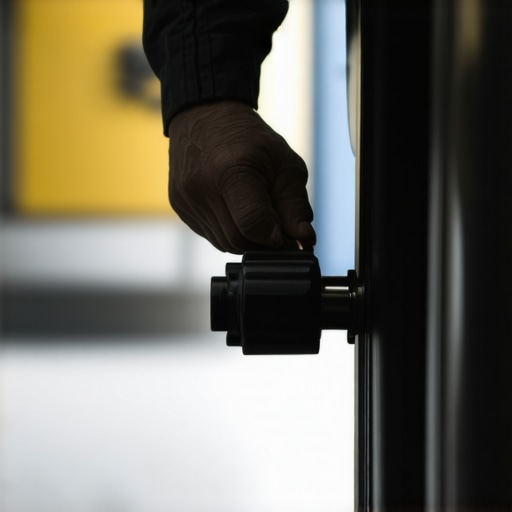
New tires need to lose their factory shine
Brand-new rubber is surprisingly slick. During manufacturing, tires are coated in a chemical release agent so they do not stick to the metal molds. This substance acts like a thin layer of grease for the first 50 miles of driving. When you hit the brakes, your pads might be clamping the rotors perfectly, but the tires are sliding just enough to make the pedal feel numb or unresponsive. You are feeling a lack of friction between the road and the tire, not a failure in the hydraulics. This sensation is frequently confused with the terrifying moment why your brake pedal goes all the way to the floor even though the system is technically sealed and full of fluid.
Watch for air bubbles in the hydraulic line
In a perfectly functioning system, your brake fluid acts like a solid steel rod; when you push one end, the other end moves immediately. However, if air enters the system, it acts like a coil spring. Air is compressible; fluid is not. If your shop performed a diagnostic to tell if your car needs a simple tune-up or a major repair and opened a bleeder valve, even a tiny bubble can cause that mushy sensation. You should also check why your brake fluid is green because old, contaminated fluid absorbs moisture from the air. This moisture boils under the high heat of braking, creating air pockets right when you need stopping power most.
Seat those pads with a proper bedding procedure
If you got new tires and the shop performed brake system repairs while the wheels were off, you might have fresh pads installed. These require bedding-in, a process involving controlled stops to transfer a layer of friction material onto the rotor. Without this, the brakes will feel weak. I once saw a customer return to the shop three times complaining about a soft pedal, only to realize he was braking so gently that the pads never actually mated to the rotor surface. Sometimes, you have to be firm with your machinery to make it behave. Also, keep an eye on your dash, as the reason your brake warning light comes on during hard turns is often a slight fluid level drop after new components have settled into place.
Don’t Blame the Fluid Until You Check Your Sidewalls
Most drivers assume that a mushy pedal is a sign of a hydraulic failure, but here is a contrarian take: it might just be the rubber. If you switched from a high-performance tire with stiff sidewalls to a comfort-oriented touring tire, you are going to feel more ‘squish’ during initial braking. This isn’t a mechanical fault; it is the physical deflection of the tire carcass. You are feeling the rubber compress before the car actually slows down. I have seen countless people spend hundreds troubleshooting common auto repair issues only to realize their new tires just have a softer personality. 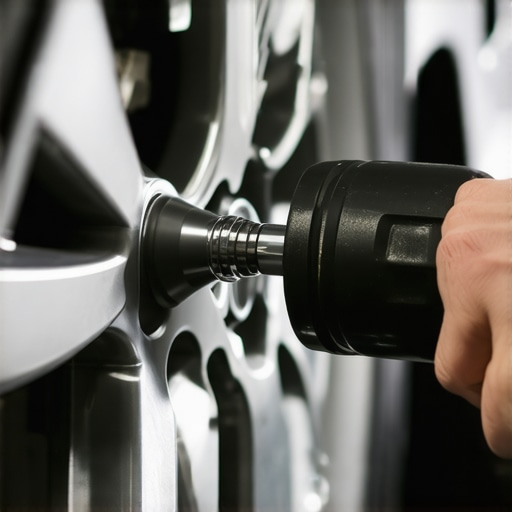
The Hidden Danger of the ‘Zip-Gun’ at the Tire Shop
There is a specific trap you need to watch out for called ‘rotor distortion.’ If a rushed technician uses an impact wrench (the ‘zip-gun’) to tighten your lug nuts without a torque stick, they can apply uneven pressure to the brake rotor. This creates a tiny, microscopic warp. You won’t feel it immediately, but within 500 miles, you’ll notice a rhythmic pulsation or a weird drop in the pedal height. It is a classic mistake in the world of brake service myths. Always ask if they hand-torque the lugs to your vehicle’s specific foot-pound rating.
Can a Simple Tire Change Actually Confuse Your Car’s Computer?
For owners of modern vehicles, the answer is a resounding yes. Sophisticated Advanced Driver Assistance Systems (ADAS) rely on precise data from wheel speed sensors. Experts at the Car Care Council note that even a slight change in the overall diameter of a tire compared to the old, worn-out set can slightly alter the timing of your ABS and traction control engagement. This is why proper ADAS calibration is becoming a standard part of auto repair trends to watch in 2025. If the computer thinks the wheels are spinning at a different rate than they actually are, the brake assist might feel ‘touchy’ or unusually heavy.
Why Your Master Cylinder Might Finally Be Showing Its Age
Sometimes, the act of pushing the brake pistons back to fit new tires or pads is the ‘final straw’ for an old master cylinder. If the technician pushed the fluid backward through the valves, it can flip an internal seal that was already brittle. This leads to that sinking feeling where the brake pedal goes all the way to the floor in traffic. It’s not that the shop ‘broke’ it; it’s that the maintenance procedure exposed a component that was already on the verge of failure. Before you go in, it is wise to check these three alignment signs to ensure your car is ready for the stress of new parts. Have you ever left a shop feeling like the car was worse than when you dropped it off? Let me know in the comments below.I have learned the hard way that you simply cannot manage what you do not measure. If you want to stop being at the mercy of every blinking dashboard light, you need to invest in a high-quality diagnostic tool. I personally keep an Autel MaxiCOM in my garage because while the cheap $20 scanners can read a basic code, a professional-level tool allows for bidirectional testing. This means I can manually trigger the ABS pump to cycle during a bleed, ensuring every last air bubble is purged. It is a game-changer when you are trying to figure out if you need understanding brake system repairs or just a simple solenoid replacement. Beyond the fancy electronics, a basic multimeter is the most underrated tool in any DIY arsenal. I use mine to test your alternator with a simple multimeter at home whenever I suspect a phantom battery drain. It has saved me from buying three expensive batteries that I did not actually need.
Stop guessing and start using a real torque wrench
If there is one tool I insist every driver owns, it is a 1/2-inch drive click-style torque wrench. Most people tighten their lug nuts until they grunt, which leads directly to the rotor distortion I mentioned earlier. I always follow the specific torque specifications found in my vehicle’s factory service manual—for my truck, that is exactly 140 lb-ft. This level of precision is what separates a backyard hack job from a car service checklist that actually protects your mechanical investment. I personally trust the Tekton line because they are calibrated to +/- 4% accuracy, giving me peace of mind when I am torquing down critical suspension components or brake calipers. 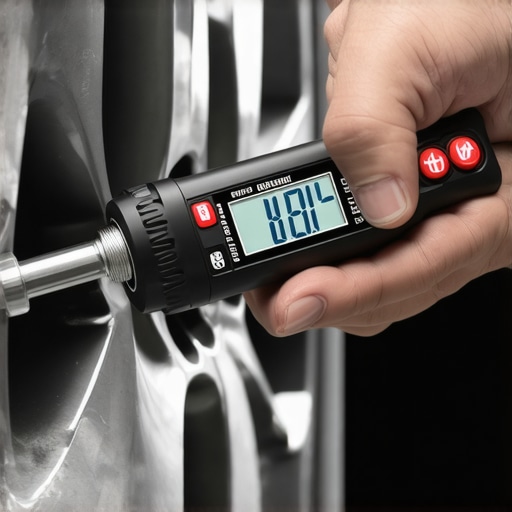
How do I maintain my vehicle health over time?
The secret to a 300,000-mile car is not just fixing what breaks; it is meticulous chemical management. I follow the ultimate car service guide religiously, specifically regarding fluid oxidation levels. Technical documentation from SAE International (Standard J1703) emphasizes that brake fluid is hygroscopic, meaning it absorbs moisture from the atmosphere. Within just 12 months, the water content can lower the fluid’s boiling point significantly, leading to that mushy pedal feel. I use copper-strip test kits to check for contamination every six months. This kind of proactive tune-up for peak performance is how I have kept my daily driver humming perfectly long after the factory warranty expired.
Predictive tech will change how we fix cars by 2025
We are rapidly moving toward an era of predictive maintenance where sensors will predict a failure before it happens. Soon, your onboard computer will alert you to a failing water pump by monitoring minute changes in bearing vibration frequencies. We are already seeing these auto repair trends to watch in 2025 taking over the industry. However, this high-tech shift means you must ensure your shop has the specialized equipment for proper ADAS calibration because even a simple tire size change can potentially throw off your lane-keep assist or emergency braking sensors. I want you to try one thing this weekend: grab a digital multimeter and check your battery’s resting voltage across the terminals. It is the easiest first step to maximize your cars lifespan. If you see anything below 12.4 volts, you have just caught a problem before it left you stranded in a parking lot.I remember pulling my old sedan out of the shop on a Tuesday afternoon. I had just dropped a significant chunk of my monthly budget on a set of high-end tires, expecting the car to feel like a brand-new machine. Instead, the first time I hit a red light, the brake pedal felt like I was stepping on a loaf of sourdough bread. It was soft, mushy, and totally unnerving. I actually circled the block twice, convinced that my brake pedal was going to the floor because of some catastrophic mistake by the mechanic. I felt that familiar prickle of heat in my neck—the kind you get when you think you are being taken for a ride. I went back inside, ready to complain, only to have the lead technician kindly explain that my old, vibrating tires had been masking the true state of my hydraulic system for months. I felt like a total amateur, but that is how we learn, right?
That weird sensation in your foot after leaving the tire shop
It is a jarring experience. One minute your car is predictable, and the next, the feedback through your right foot has changed its entire language. We are going to solve this mystery today so you do not have to do the ‘circle of shame’ around the block like I did. Often, the reason stems from how the vehicle was handled while it was up on the lift. If a technician pushed those caliper pistons back even a fraction of a millimeter to inspect your pads—which is a standard part of any car service checklist—it can take several pumps of the pedal to get them seated perfectly against the rotor again. [image-placeholder]
Is this all just in my head or is the car actually unsafe?
Skepticism is your best friend when it comes to auto repair. You are not crazy for noticing a change the second you leave the bay. In fact, many drivers fail to realize that new tires have a literal break-in period. According to the experts at Tire Rack, brand-new tires are often covered in a mold-release lubricant from the factory that can temporarily reduce the initial ‘bite’ of your brakes against the road surface. It is not always that your brakes are failing; sometimes it is just that the tires are not grabbing the asphalt with 100% efficiency yet. Have you ever experienced that heart-stopping second where the car did not stop exactly where you expected after a service? I would love to hear if this has happened to you. We are about to look at the mechanical reasons your pedal feels high, low, or just plain weird after a fresh install, and why understanding brake system repairs is the best way to regain your confidence on the road.
Pump the pedal to reset those calipers
Think of your brake pads like the hands of a clock. When the car is on the lift for a routine check, as mentioned in these brake service myths, the technician often moves the calipers to inspect wear. This action pushes the pistons back. If they do not pump the pedal several times before handing you the keys, your first press is simply pushing the pads back into place. I remember a time I did a quick tire rotation on my own truck and forgot this step. I rolled backward out of my driveway and nearly took out my neighbor’s brick mailbox because the first pump did absolutely nothing. It is a heart-pounding way to realize you skipped a critical safety step in your expert tune-up strategies.
New tires need to lose their factory shine
Brand-new rubber is surprisingly slick. During manufacturing, tires are coated in a chemical release agent so they do not stick to the metal molds. This substance acts like a thin layer of grease for the first 50 miles of driving. When you hit the brakes, your pads might be clamping the rotors perfectly, but the tires are sliding just enough to make the pedal feel numb or unresponsive. You are feeling a lack of friction between the road and the tire, not a failure in the hydraulics. This sensation is frequently confused with the terrifying moment why your brake pedal goes all the way to the floor even though the system is technically sealed and full of fluid.
Watch for air bubbles in the hydraulic line
In a perfectly functioning system, your brake fluid acts like a solid steel rod; when you push one end, the other end moves immediately. However, if air enters the system, it acts like a coil spring. Air is compressible; fluid is not. If your shop performed a diagnostic to tell if your car needs a simple tune-up or a major repair and opened a bleeder valve, even a tiny bubble can cause that mushy sensation. You should also check why your brake fluid is green because old, contaminated fluid absorbs moisture from the air. This moisture boils under the high heat of braking, creating air pockets right when you need stopping power most.
Seat those pads with a proper bedding procedure
If you got new tires and the shop performed brake system repairs while the wheels were off, you might have fresh pads installed. These require bedding-in, a process involving controlled stops to transfer a layer of friction material onto the rotor. Without this, the brakes will feel weak. I once saw a customer return to the shop three times complaining about a soft pedal, only to realize he was braking so gently that the pads never actually mated to the rotor surface. Sometimes, you have to be firm with your machinery to make it behave. Also, keep an eye on your dash, as the reason your brake warning light comes on during hard turns is often a slight fluid level drop after new components have settled into place.
Don’t Blame the Fluid Until You Check Your Sidewalls
Most drivers assume that a mushy pedal is a sign of a hydraulic failure, but here is a contrarian take: it might just be the rubber. If you switched from a high-performance tire with stiff sidewalls to a comfort-oriented touring tire, you are going to feel more ‘squish’ during initial braking. This isn’t a mechanical fault; it is the physical deflection of the tire carcass. You are feeling the rubber compress before the car actually slows down. I have seen countless people spend hundreds troubleshooting common auto repair issues only to realize their new tires just have a softer personality.
The Hidden Danger of the ‘Zip-Gun’ at the Tire Shop
There is a specific trap you need to watch out for called ‘rotor distortion.’ If a rushed technician uses an impact wrench (the ‘zip-gun’) to tighten your lug nuts without a torque stick, they can apply uneven pressure to the brake rotor. This creates a tiny, microscopic warp. You won’t feel it immediately, but within 500 miles, you’ll notice a rhythmic pulsation or a weird drop in the pedal height. It is a classic mistake in the world of brake service myths. Always ask if they hand-torque the lugs to your vehicle’s specific foot-pound rating.
Can a Simple Tire change Actually Confuse Your Car’s Computer?
For owners of modern vehicles, the answer is a resounding yes. Sophisticated Advanced Driver Assistance Systems (ADAS) rely on precise data from wheel speed sensors. Experts at the Car Care Council note that even a slight change in the overall diameter of a tire compared to the old, worn-out set can slightly alter the timing of your ABS and traction control engagement. This is why proper ADAS calibration is becoming a standard part of auto repair trends to watch in 2025. If the computer thinks the wheels are spinning at a different rate than they actually are, the brake assist might feel ‘touchy’ or unusually heavy.
Why Your Master Cylinder Might Finally Be Showing Its Age
Sometimes, the act of pushing the brake pistons back to fit new tires or pads is the ‘final straw’ for an old master cylinder. If the technician pushed the fluid backward through the valves, it can flip an internal seal that was already brittle. This leads to that sinking feeling where the brake pedal goes all the way to the floor in traffic. It’s not that the shop ‘broke’ it; it’s that the maintenance procedure exposed a component that was already on the verge of failure. Before you go in, it is wise to check these three alignment signs to ensure your car is ready for the stress of new parts. Have you ever left a shop feeling like the car was worse than when you dropped it off? Let me know in the comments below.I have learned the hard way that you simply cannot manage what you do not measure. If you want to stop being at the mercy of every blinking dashboard light, you need to invest in a high-quality diagnostic tool. I personally keep an Autel MaxiCOM in my garage because while the cheap $20 scanners can read a basic code, a professional-level tool allows for bidirectional testing. This means I can manually trigger the ABS pump to cycle during a bleed, ensuring every last air bubble is purged. It is a game-changer when you are trying to figure out if you need understanding brake system repairs or just a simple solenoid replacement. Beyond the fancy electronics, a basic multimeter is the most underrated tool in any DIY arsenal. I use mine to test your alternator with a simple multimeter at home whenever I suspect a phantom battery drain. It has saved me from buying three expensive batteries that I did not actually need.
Stop guessing and start using a real torque wrench
If there is one tool I insist every driver owns, it is a 1/2-inch drive click-style torque wrench. Most people tighten their lug nuts until they grunt, which leads directly to the rotor distortion I mentioned earlier. I always follow the specific torque specifications found in my vehicle’s factory service manual—for my truck, that is exactly 140 lb-ft. This level of precision is what separates a backyard hack job from a car service checklist that actually protects your mechanical investment. I personally trust the Tekton line because they are calibrated to +/- 4% accuracy, giving me peace of mind when I am torquing down critical suspension components or brake calipers.
How do I maintain my vehicle health over time?
The secret to a 300,000-mile car is not just fixing what breaks; it is meticulous chemical management. I follow the ultimate car service guide religiously, specifically regarding fluid oxidation levels. Technical documentation from SAE International (Standard J1703) emphasizes that brake fluid is hygroscopic, meaning it absorbs moisture from the atmosphere. Within just 12 months, the water content can lower the fluid’s boiling point significantly, leading to that mushy pedal feel. I use copper-strip test kits to check for contamination every six months. This kind of proactive tune-up for peak performance is how I have kept my daily driver humming perfectly long after the factory warranty expired.
Predictive tech will change how we fix cars by 2025
We are rapidly moving toward an era of predictive maintenance where sensors will predict a failure before it happens. Soon, your onboard computer will alert you to a failing water pump by monitoring minute changes in bearing vibration frequencies. We are already seeing these auto repair trends to watch in 2025 taking over the industry. However, this high-tech shift means you must ensure your shop has the specialized equipment for proper ADAS calibration because even a simple tire size change can potentially throw off your lane-keep assist or emergency braking sensors. I want you to try one thing this weekend: grab a digital multimeter and check your battery’s resting voltage across the terminals. It is the easiest first step to maximize your cars lifespan. If you see anything below 12.4 volts, you have just caught a problem before it left you stranded in a parking lot.
The Hardest Lessons My First Soft Brake Pedal Taught Me
After years of turning wrenches, I have realized that the most alarming car issues are often the simplest to explain once you know where to look. Here are the lightbulb moments that changed how I approach every tire change. First, the ‘First Pump’ rule: Never put a car in gear until you have pumped the brake pedal at least five times. This reseats the pistons and ensures you have hydraulic pressure. It is the most basic part of any car service checklist that most DIYers skip. Second, remember that new rubber is oily. Those fresh tires have a chemical film that needs to wear off. Your brakes aren’t failing; your tires just haven’t met the road properly yet. Finally, trust your gut but verify. If the pedal stays soft after 50 miles, stop guessing. Use a guide for troubleshooting common auto repair issues to rule out a failing master cylinder before you start throwing parts at the problem.
The Gear I Trust to Keep My Pedal Firm
You don’t need a professional shop to maintain a firm pedal, but you do need the right tools. I personally swear by the Motive Products Power Bleeder; it allows for a one-man brake bleed that is more effective than the old ‘pump and hold’ method. I also keep a digital brake fluid tester in my glovebox to check for moisture levels—water is the enemy of a firm pedal. To ensure your investment stays safe, I always recommend learning the secret to making your brake pads last twice as long through proper heat cycling and bedding. Finally, for those who want a schedule that actually works, I suggest following the ultimate car service guide to stay ahead of hydraulic degradation.
Don’t Let a Mushy Pedal Steal Your Confidence
Mechanical anxiety is real, especially when it involves your car’s ability to stop. But by understanding brake system repairs and the physics of new tires, you move from being a victim of your vehicle to being its master. Car ownership should be empowering, not terrifying. The next time you leave the tire shop, you will know exactly what that squish means and how to handle it like a pro. Have you ever felt that heart-stopping moment where the brake pedal went further than expected after a service? Let me know your story in the comments below!