
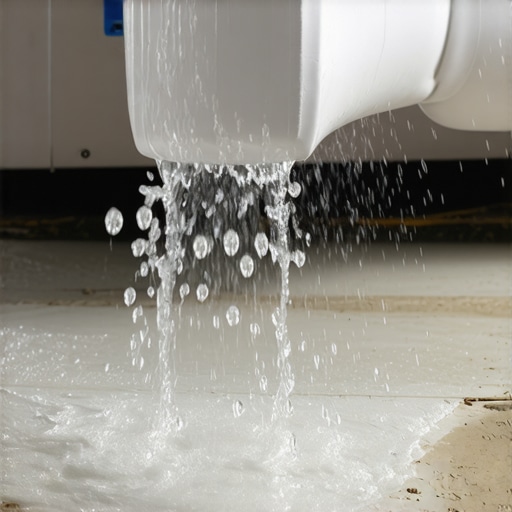
There I was, cruising down the I-77 on a sweltering July afternoon, feeling pretty good about my life. Then, it happened. A cold, steady drip-drip-drip hit my right foot. At first, I thought I’d spilled my water bottle. But the floor mat was soaked, and the air coming out of the vents suddenly smelled like a high school locker room. I’d spent years keeping up with a meticulous car service checklist, yet here I was, potentially facing a moldy disaster. I made the classic rookie mistake of thinking I needed a whole new evaporator core, when in reality, my drain line was just plugged with gunk. Don’t be like me and panic. We’re going to get this sorted out in less time than it takes to brew a pot of coffee.
Your Floorboards Shouldn’t Feel Like a Swamp
The culprit is almost always the AC condensate drain line. When your air conditioner runs, it pulls moisture out of the air—moisture that’s supposed to drip harmlessly onto the pavement. When that little rubber tube gets clogged with dust, debris, or even tiny spiders, that water has nowhere to go but inside your cabin. If you’ve ever wondered why your air conditioning smells like old gym socks, you’re likely smelling the stagnant water trapped in your HVAC box. It’s one of those common auto repair issues that look terrifying but are actually incredibly simple to resolve. According to the Environmental Protection Agency (EPA), mold can begin growing on damp surfaces in as little as 24 to 48 hours, so waiting around isn’t an option. Have you ever stepped into your car only to realize your shoes were squelching in the carpet?
Can a Beginner Actually Handle This Without Flooding the Car?
I know what you’re thinking: “I’m going to poke a hole in something expensive.” I had that same fear. Early on, I actually tried to shove a metal coat hanger up the drain line and nearly punctured the heater core. Trust me, we aren’t doing that today. You don’t need a lift or a thousand dollars in tools to fix this. Usually, a little bit of compressed air or a wet-dry vac is all it takes to clear the blockage and get that water flowing where it belongs. It’s about working smarter, not harder, to keep your interior from turning into a petri dish. Now that we know why your feet are wet, let’s look at the actual tools and the ‘neighborly’ way to get that line cleared out.First, you need to locate the exit point of the system. Most of the time, that drain line is a small, unremarkable rubber hose poking through the firewall on the passenger side. If you crawl under the car (safety first—always use jack stands if you’re lifting it), look for a tube that looks like a little snorkel coming out of the metal wall. I remember one humid morning in Charlotte, I spent twenty minutes looking for mine only to realize it was hidden behind a heat shield. If you’re tackling troubleshooting common auto repair issues before visiting the shop, finding this little tube is half the battle. This simple check can save you hundreds in labor costs. 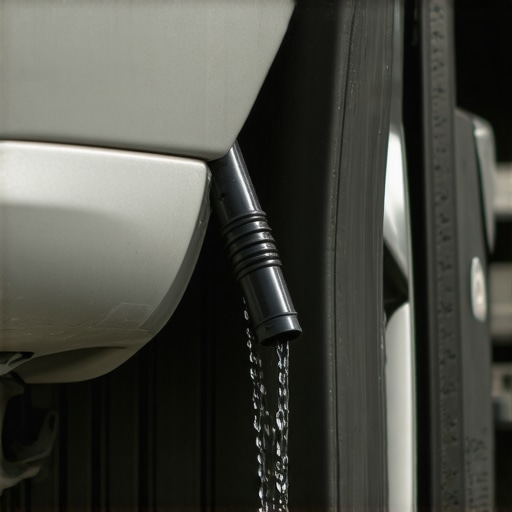
Locate the Rubber Snorkel Under the Firewall
Instead of shoving metal tools into the tube, try sucking the gunk out from the outside. Grab your shop vac—the more suction power, the better. Wrap a wet rag around the end of the vacuum hose and hold it tight against the drain line to create an airtight seal. Turn it on for about 30 seconds. The first time I did this, I heard a satisfying ‘thwack’ sound. Suddenly, nearly a quart of grey, slimy water surged into my vacuum. It was disgusting, smelled like a swamp, and even splashed a bit on my driveway, but the relief was instant. This is a much safer bet than the ‘poking’ method that usually leads to a major repair if you puncture the delicate internal components of the evaporator core.
Use a Shop Vac to Pull Out the Slime
Sometimes the clog is stubborn, like a piece of insulation or a literal spider web that has solidified over time. If the vacuum doesn’t work, a gentle puff of compressed air can help. But don’t go full blast with high PSI from a commercial compressor. You aren’t trying to launch the clog into orbit; you just want to nudge it back into the tray so it can drain naturally. If you overdo it, you might blow a seal inside the heater box, turning a ten-minute fix into a weekend-long nightmare. This kind of attention to detail is what separates a DIYer from someone who just follows a meticulous car service checklist. It’s about precision over power. I once saw a guy at a car meet try this with a high-pressure CO2 tank; he ended up blowing his evaporator drain right off the plastic box, and he had to pull the entire dashboard to fix it.
Why Gentle Air Pressure is Safer for Your HVAC
Once the line is clear and you see water dripping properly onto the driveway, you still have a swamp in your floorboards to deal with. This is the part people skip because they think the sun will do the work, but it’s critical for your health. Pull up the edge of the carpet and the plastic trim if you can. If you leave that moisture trapped in the thick jute padding, you’re inviting mold to move in permanently. Use that same shop vac to pull as much water as possible out of the foam. It’s just as important as following the ultimate car service guide because a rotted floorboard is a structural disaster waiting to happen. While the carpet dries, check your cabin air filter too. If it’s damp or moldy, it’ll keep that funky smell alive even after the leak is fixed. This is part of the essential maintenance tips that keep your cabin breathable and your resale value high.
Now that your floorboards are dry, don’t make the mistake of thinking your maintenance journey is over. Most drivers assume that if the car is running and the AC is cold, everything is fine. But after years under the hood, I’ve realized that the standard approach to a tune-up is often fundamentally flawed. Everyone says you just need to swap out spark plugs every 100,000 miles, but in my experience, waiting that long is a recipe for internal carbon buildup that no bottle of fuel injector cleaner can fix. If you really want to maximize your car’s lifespan with expert tune-up strategies, you have to look beyond the owner’s manual.
Stop Chasing the Spark Plug Myth
The biggest nuance most people miss is the health of the sensors. You can put the most expensive iridium plugs in your engine, but if your Mass Airflow Sensor (MAF) is coated in a microscopic layer of dust, your fuel trims will be off, and you’ll be burning through gas. This is often how to tell if your car needs a simple tune-up or a major repair; if a plug swap doesn’t fix a rough idle, it’s rarely the mechanical parts—it’s the electronic ones ‘lying’ to the computer. I once spent three days chasing a misfire on a customer’s SUV only to find a tiny spider web inside the MAF housing. It’s about the precision of the air-fuel ratio, not just the strength of the spark.
The Brake Fluid Trap That Ruins Rotors
Another area where ‘common knowledge’ fails is brake maintenance. Most people wait until they hear a squeal to check their pads, but the real silent killer is moisture in the brake fluid. The National Institute for Automotive Service Excellence (ASE) notes that brake fluid is hygroscopic, meaning it actively absorbs water from the air. Over time, this water settles in your calipers, causing internal corrosion that you won’t see until your piston seizes. When you’re understanding brake system repairs, remember that changing the fluid is just as vital as changing the pads. If you skip this, you’re basically allowing your brake lines to rot from the inside out.
Why Does the Brake Pedal Sink Even After a Fresh Service?
This is a question I get from DIYers constantly. They’ve replaced the pads and rotors, but the pedal still feels like stepping on a marshmallow. Usually, this happens because they didn’t follow the proper way to break in new brake pads and rotors, or they’ve introduced air into the ABS module—a mistake that requires a specialized scan tool to fix. If your brake pedal goes all the way to the floor, it’s a sign that the hydraulic integrity is compromised, often by a bypass leak in the master cylinder. Don’t just keep bleeding the lines; check the seals. Have you ever fallen into this ‘parts cannon’ trap where you keep replacing things without a diagnosis? Let me know in the comments. It’s easy to get frustrated, but staying ahead of auto repair trends to watch in 2025 means moving toward data-driven maintenance rather than just ‘guess and check.’ Check your fluids, clean your sensors, and don’t let a simple clog turn into a scrap heap.
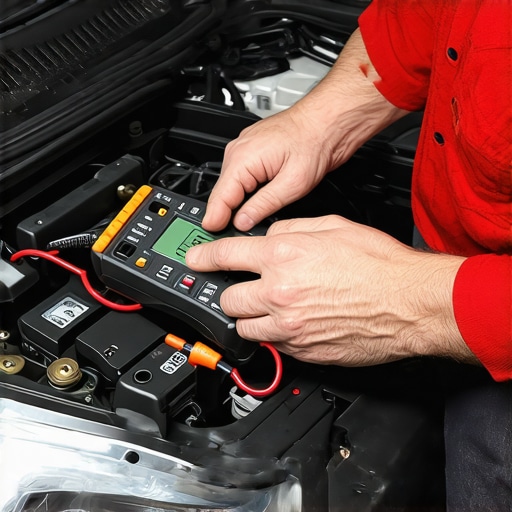
If you want to move beyond the weekend warrior stage and start scaling your garage game, you need to stop relying on those $20 Bluetooth code readers that only give you generic P-codes. To truly maximize your car’s lifespan with expert tune-up strategies, I personally use a bi-directional scan tool. The difference is night and day. A standard reader only listens to what the car tells it; a bi-directional tool talks back. I can command the cooling fans to turn on, reset a throttle body position, or perform a manual ABS bleed. If you’ve been understanding brake system repairs solely through manual pumping, you’re missing the modern precision that these tools offer. According to the Society of Automotive Engineers (SAE) J2534 standard, which establishes the framework for pass-thru programming, having the right hardware is the only way to ensure your car’s modules are actually running the latest software updates.
#IMAGE_PLACE_HOLDER_D#
Stop Guessing with a High-End Scan Tool
Using a tool like the Autel MP808 allows me to see live data streams that reveal why a car might be hesitating before the Check Engine light even blinks. This is essential when you’re trying to figure out how to tell if your car needs a simple tune-up or a major repair. You can watch the fuel trims in real-time; if they’re adding 20% more fuel at idle, you know you have a vacuum leak, not a bad fuel pump. This level of diagnosis saves you from the ‘parts cannon’ I mentioned earlier and is a key part of tune-up your car for peak performance. In my years under the hood, I’ve found that the data doesn’t lie, but owners’ manuals often leave out these granular diagnostic steps.
The Secret Blood Test for Your Engine
Beyond the electronics, the most underutilized tool in my arsenal is fluid analysis. I don’t just change my oil; I send a sample to a lab once a year. It’s like a blood test for your engine. They can tell you if there’s a trace amount of coolant in the oil—meaning a head gasket is about to fail—or if high copper levels suggest your bearings are wearing down. It’s the ultimate way to avoid the real cost of skipping your 100000-mile major service by catching catastrophic failures while they’re still just tiny anomalies. I started doing this after a ‘reliable’ truck threw a rod because I missed a silent bearing wear issue that a $30 test would have spotted.
How do I keep my car running like new for 300,000 miles?
The answer isn’t just about changing oil; it’s about ‘predictive maintenance.’ As we look toward auto repair trends to watch in 2025, we’re seeing vehicles become increasingly software-defined. This means your maintenance will eventually involve as many firmware updates as oil changes. To stay ahead, you need to ensure you or your shop knows how to tell if your local mechanic actually has the tools for a proper ADAS calibration. If they don’t have the targets and the software to realign your lane-keep sensors after a simple alignment, your car isn’t truly serviced. My advice? Grab an oil analysis kit this week. It’s the single most authoritative way to know what’s actually happening inside your engine block without taking a single bolt out.
Lessons I Learned While Chasing Ghost Noises Under the Hood
After decades of turning wrenches, I’ve realized that the biggest mistakes don’t happen because of a lack of skill; they happen because of a lack of patience. I used to think a warning light was just a suggestion, but ignoring the subtle signs is how a simple fix turns into a driveway disaster. Here are the core truths that changed my approach to maintenance:
- The ‘Parts Cannon’ is a trap. Never replace a part until you’ve tested the circuit or the sensor. Modern vehicles are complex, and a vibration might be coming from your engine mounts rather than the engine itself, which is often the reason your engine vibrates while you are stopped at a red light.
- Software is as important as hardware. You can’t just mechanical your way out of a digital problem. If you don’t have the tools to reset a throttle body or calibrate a sensor, you’re only doing half the job.
- Cleanliness is a diagnostic tool. A clean engine bay makes leaks obvious. I’ve found $500 ‘major oil leaks’ that were actually just a loose valve cover bolt hidden under a layer of grime.
- Trust your senses, not just the dash. If you feel a vibration or smell something sweet, investigate it immediately. I’ve learned the hard way why I never trust the oil life monitor on my dashboard alone; your eyes and ears are the best sensors you have.
The Survival Kit for Your Driveway Garage
If you want to stop being a ‘parts swapper’ and start being a technician, you need more than just a socket set. These are the resources that changed the way I look at every vehicle that pulls into my driveway. First, I highly recommend Blackstone Laboratories for oil analysis. This is the ‘blood test’ I mentioned earlier; it removes the guesswork and tells you exactly how much life is left in your bearings. Second, the Autel MP808 or a similar bi-directional scan tool is no longer optional for 21st-century cars. It allows you to actually talk to your car’s brain rather than just listening to its complaints. Lastly, for the simple stuff that drives you crazy—like a buzzing noise at highway speeds—knowing how to fix a rattling heat shield for under ten dollars will save you more frustration than a thousand-dollar tool ever could.
#IMAGE_PLACEHOLDER_E#
Stop Fearing the Machine and Start Driving It
Maintenance shouldn’t feel like a chore or a looming financial threat. It’s about taking control of the machine that carries your family and powers your life. When you take the time to learn how the systems work—from the AC drain line to the brake fluid’s chemistry—you aren’t just saving money; you’re building a relationship with your vehicle. Every time you perform a successful auto repair, you gain a level of confidence that no dealership receipt can provide. Remember that how regular tune-ups improve fuel efficiency and safety isn’t just marketing talk; it’s the reality of a machine running in perfect harmony. So, grab your gloves, crawl under that dash, and clear those drains. Your floorboards (and your wallet) will thank you. What’s the one weird noise or leak your car makes that has been keeping you up at night? Let me know in the comments below!