
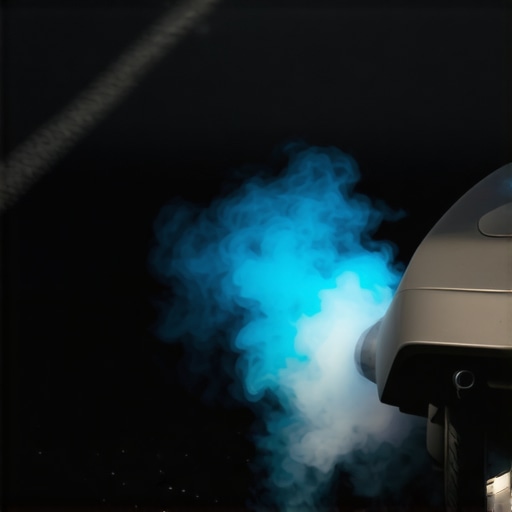
I still remember my first ’94 Chevy Silverado. It was a tank, or so I thought, until I pulled away from a red light in heavy traffic and the car behind me literally disappeared in a thick, blue-tinted fog. I felt the heat rise in my neck as the driver behind me started honking and waving their arms. I was that guy. You know, the one driving the mosquito fogger on four wheels. It is embarrassing, sure, but more than that, it is visceral. The smell of burning oil is heavy, acrid, and sticks to the back of your throat. Your brain immediately jumps to a blown engine and the prospect of a five-figure repair bill. But here is the thing: I have spent years under hoods now, and I have realized that blue smoke isn’t always a death sentence for your ride. Sometimes it’s just a cry for help that you can answer with a few basic tools and a bit of patience.
That Sinking Feeling When You See Blue in the Rearview Mirror
It is a very specific shade of blue, isn’t it? It’s not the clean white of steam on a cold morning or the soot-heavy black of a diesel working hard. It is a sickly, wispy cerulean that smells like a mix of fried grease and regret. When that smoke starts puffing, your car is telling you a story about oil getting into the combustion chamber where it absolutely does not belong. Most people panic and immediately start troubleshooting common auto repair issues before visiting the shop, but they often focus on the wrong symptoms. I know I did. Years ago, I made the classic mistake of thinking I could just “thicken” the oil to stop a leak. I dumped in the heaviest gear-style oil I could find, thinking I was a genius. Spoiler alert: I wasn’t. I ended up starving the top end of the engine of lubrication because the oil was too thick to flow through the narrow passages. I turned a minor valve seal issue into a major internal disaster. We are going to make sure you don’t repeat my stupidity. Today, we are going to walk through the real culprits, from the simple PCV fixes to the more involved internal seals.
Is my engine actually toast or is this a cheap fix?
This is the skepticism every car owner carries when they see that exhaust cloud. Is it worth the money to fix an aging car? The truth is, it depends entirely on when the smoke happens. If it’s just a puff on startup after the car has sat overnight, you might be looking at worn valve guide seals—a nuisance, but not a total engine failure. If it is a constant cloud while you are cruising, your piston rings might be tired. However, before you assume the worst, you should check how a clogged PCV valve leads to expensive oil leaks and blue smoke, which is often a twenty-dollar fix. Even a failing forced induction system can be the culprit; you need to know if your turbo is failing before you go blaming the internal hardware. According to technical data from Consumer Reports, burning oil is a leading cause of premature catalytic converter failure, which can cost thousands to replace. Have you ever seen that blue puff and just turned up the radio hoping it would go away? Tell me your story below. If you are feeling overwhelmed by the smoke, starting with the ultimate car service guide can help you determine if your maintenance schedule is to blame. We’re going to figure this out together, one step at a time, so you can stop being the neighborhood fog machine.
Check the PCV Valve Before You Panic
The absolute first thing you need to do is look at the Positive Crankcase Ventilation (PCV) valve. Think of this little plastic piece as the ‘lungs’ of your engine. It is designed to vent pressure and gases back into the intake manifold to be burned off. When it gets stuck open, it acts like a giant straw, sucking engine oil straight into the combustion chamber. I once spent three hours helping a neighbor who was convinced his minivan needed a full rebuild because of the blue clouds trailing him. We pulled the PCV valve, gave it a shake—it didn’t rattle, meaning it was gummed up solid—and replaced it for fifteen bucks. The smoke cleared within ten minutes of driving. It is the most overlooked component in a standard tune up, yet it causes the most dramatic visual symptoms.
Use a Compression Test to Pinpoint the Leak
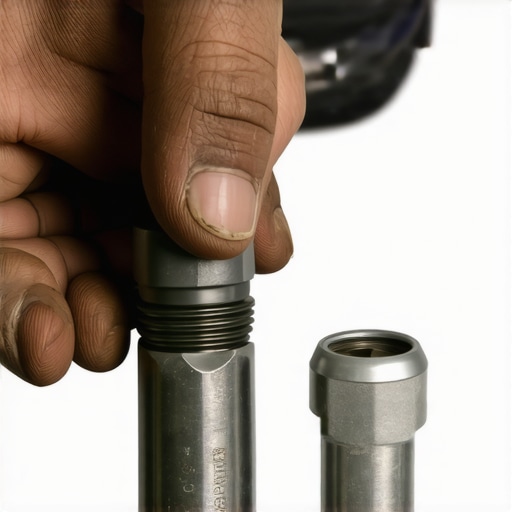
If the PCV valve is fine, you have to dig deeper into the internal hardware. This is where you determine if your oil leak is coming from the top (valve seals) or the bottom (piston rings). You need to perform a compression test, which is essentially a health check for your engine’s cylinders. A ‘dry’ test tells you how much pressure each cylinder is holding. If the numbers are low, you pour a capful of oil into the spark plug hole and run it again—this is the ‘wet’ test. If the compression jumps up significantly, your piston rings are worn out because the oil temporarily sealed the gap. If the numbers stay the same, your leak is likely at the valves. Learning troubleshooting common auto repair issues before visiting the shop can save you from a mechanic’s ‘best guess’ that costs you a fortune.
Inspect the Turbo for Oil Contamination
If your car is turbocharged, the smoke might not be coming from the engine block at all. Turbos rely on a constant flow of oil to lubricate their bearings at incredible speeds. If the internal seals fail, oil will leak directly into the exhaust or the intake charge. I remember a customer with a turbocharged hatchback who was terrified of a blown head gasket. We pulled the intake hose off the turbo and found it coated in a thick film of fresh oil. It wasn’t the engine dying; it was just a tired turbo seal. Before you assume the worst, you should know if your turbo is failing or if you just need a simple component replacement. Keeping a strict car service checklist helps you catch these oily residues early before they bake onto your sensors and catalytic converter. If you’re doing a DIY tune up for peak performance, always pull a spark plug and look for ‘ashy’ deposits, which are a dead giveaway that oil is being burned in that specific cylinder.
The Dangerous Trap of ‘Stop-Leak’ Additives
Everyone tells you that once your car hits 100,000 miles, you should switch to ‘high-mileage’ formulas and start adding conditioners to stop the smoke. In my experience, this is where most DIYers actually shorten their engine’s life. These ‘stop-leak’ products work by using chemical esters to swell your rubber seals. While that might temporarily stop a puff of blue smoke, it’s a double-edged sword. If you over-use these additives or use them when the seal is physically torn rather than just dry, you can end up with seals that are too soft, eventually disintegrating and causing a catastrophic leak. Furthermore, these thickeners can gum up the tiny oil passages in your Variable Valve Timing (VVT) solenoids. You should understand the truth about high-mileage oil filters and if they actually work before you start dumping chemicals into your crankcase. Sometimes, the issue isn’t the oil’s thickness, but the filtration efficiency under higher pressures.
How Your Spark Plugs Reveal the Source of the Leak
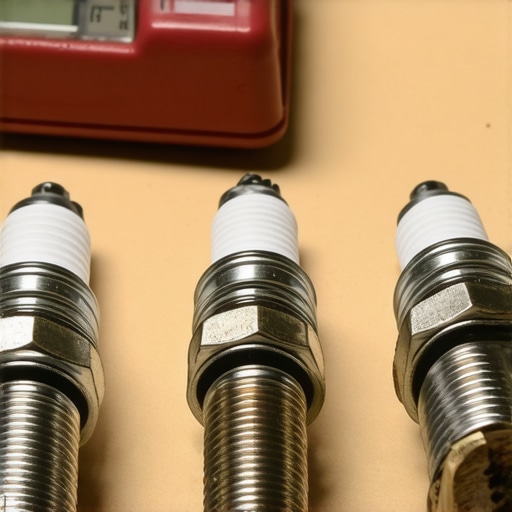
If you want to move beyond the ‘maybe’ phase of diagnosis, you have to look at the spark plugs. This is the nuance that separates a parts-changer from a technician. An engine burning oil through worn valve guide seals will often show ‘ashy’ white deposits on the spark plug electrode, whereas oil getting past the piston rings typically leaves a wet, oily residue on the threads. This is a critical distinction because it determines if you are doing a top-end refresh or a full bottom-end rebuild. According to a technical study by SAE International (Paper 2015-01-2015), oil-derived deposits are a primary driver of Low-Speed Pre-Ignition (LSPI) in modern turbocharged engines. If you ignore that blue smoke, you aren’t just losing oil; you are literally changing the chemistry of your combustion, which can lead to cracked pistons. This is why why I never trust the oil life monitor on my dashboard; those sensors can’t ‘see’ the physical contamination building up on your plugs.
Don’t Confuse Burning Oil with a Failing Brake Booster
Here is a hidden nuance that catches even experienced mechanics off guard: the ‘false’ blue smoke. If your brake master cylinder’s rear seal fails, it can leak brake fluid into the brake booster. Because the booster is connected to the engine’s intake manifold via a vacuum line, the engine can actually suck brake fluid into the combustion chamber. The resulting smoke is remarkably similar to oil smoke—a thick, acrid, bluish-white cloud. I’ve seen people pull entire engines apart for a rebuild only to find out they just needed a new master cylinder. Before you commit to heavy engine work, check your brake fluid level. If it’s low and you don’t see a leak at the wheels, you might be dealing with a safety issue rather than an engine one. Reviewing brake service myths can help you spot these weird overlaps between systems. At the end of the day, determining how to tell if your car needs a simple tune-up or a major repair comes down to the details. Have you ever fallen into the trap of fixing the wrong part because the symptoms were misleading? Let me know in the comments.
Stop Guessing and Start Seeing with a Borescope
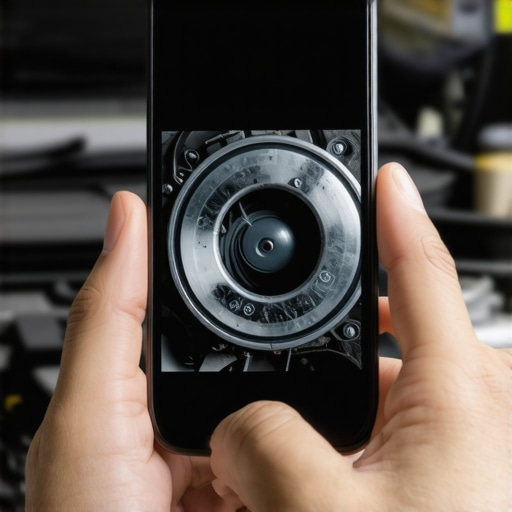
If you’re tired of playing ‘parts roulette,’ you need to stop guessing and start seeing. I personally never diagnose blue smoke without my borescope. You don’t need a professional-grade tool; a simple USB-connected camera that links to your smartphone will do the trick. By sliding it through the spark plug hole, you can see if the cylinder walls still have their ‘cross-hatched’ pattern or if they have become ‘mirrored,’ which means the rings aren’t sealing anymore. This kind of visibility is the gold standard for troubleshooting common auto repair issues before visiting the shop. I once used this method to prove a suspected ‘blown head gasket’ was actually just a leaking intake manifold gasket—saving a friend over two thousand dollars in unnecessary labor. Pair this with a digital multimeter, and you are basically unstoppable. Knowing how to test your alternator with a simple multimeter at home is just the beginning of taking full control over your machine.
How do I keep an old engine from smoking for another 100k?
The secret isn’t found in a ‘magic’ additive bottle; it’s a relentless commitment to high-quality synthetic fluids and shortened change intervals. While the manufacturer might claim 10,000 miles is fine, I stick to a strict 5,000-mile limit once a car passes the six-figure mark. Why? Because as engines age, blow-by increases, which contaminates the oil with fuel and moisture much faster than it did when the car was new. I also highly recommend an oil analysis service like Blackstone Laboratories. For about thirty dollars, they will send you a report showing exactly what trace metals are wearing inside your engine. It is the most authoritative way to maximize your cars lifespan with expert tune-up strategies. According to the American Petroleum Institute (API), using oils that meet the latest ‘SP’ or ‘SN Plus’ standards is now mandatory for preventing premature piston failure in modern, small-displacement turbocharged engines. If you aren’t checking the API rating on the back of the bottle, you are playing with fire.
The Data-Driven Way to Choose Your Next Oil Filter
Most people grab whatever filter is on sale at the big-box store, but that is a major mistake when you are dealing with oil consumption issues. You need a filter with a high ‘BETA ratio’—a measure of its efficiency at catching microscopic particles. Cheap filters often have a bypass valve that stays open too long, allowing dirty oil to circulate freely. You should really dig into the truth about high-mileage oil filters and if they actually work for your specific engine type. When you combine a high-efficiency filter with a proper car service checklist, you can often slow down or even stop the progression of ring wear by keeping the oil cleaner for longer. Looking at auto repair trends to watch in 2025, we are already seeing the rise of smart filters and integrated oil quality sensors that will talk directly to your phone. For now, just stick to the heavy-duty brands. My advanced tip for the weekend? Pull your spark plugs and check for that ashy residue I mentioned earlier. If you catch it early, a simple intake cleaning might save your engine’s life.
I Spent Thousands Chasing the Wrong Leak
The most painful lesson I ever learned was that a dirty engine bay is your worst enemy during auto repair. If the block is covered in old grease, you will misdiagnose an external leak as an internal one every single time. Clean the engine first, then look for the blue. Also, remember that blue smoke often looks white in direct sunlight; always check your exhaust in the shade or at dusk to get the true color. Lastly, do not ignore the ‘ghost’ smoke that only happens on deceleration—that is a classic sign of high manifold vacuum pulling oil through valve guides, a nuance many miss when they only check for smoke while accelerating.
Tools That Saved My Silverado and My Wallet
If you are serious about fixing this yourself, stop by the parts store and pick up a dedicated vacuum gauge. It is an old-school tool that tells you more about your engine’s internal health than most expensive scanners. I also swear by a comprehensive car-service-checklist to ensure I am not skipping the small stuff like air filters or breather elements. For deeper issues, I always consult the specific factory service manual rather than generic forums. If you are still unsure if the issue is terminal, check how to tell if your car needs a simple tune-up or a major repair before you start buying expensive internal components.
#IMAGE_PLACEHOLDER_E#
Turn That Smoke Back Into Steam
Seeing that cerulean cloud is stressful, but taking the first step toward a diagnosis is where the anxiety ends. Whether it is a twenty-dollar PCV valve or a weekend spent on valve seals, you are capable of handling this auto repair. By being proactive, you can maximize your cars lifespan with expert tune-up strategies and keep your classic or daily driver on the road for another decade. Have you ever been surprised by how simple a ‘scary’ engine fix turned out to be? Tell me about your biggest ‘aha’ moment in the comments below.