

I used to think I was being the most responsible car owner on the block. Every winter morning, I would trudge out to the driveway, fire up my truck, and let it sit there humming for twenty minutes while I finished my breakfast and checked my emails. I honestly thought I was protecting the engine internals, letting the oil get nice and thin before I dared to put it in gear. Boy, was I wrong. One morning, after months of this routine, I noticed my fuel efficiency had plummeted. When I finally took it in, my mechanic just shook his head at the carbon buildup. I had been basically drowning my engine in unburned fuel. Today, I want to pull back the curtain on why leaving your car to idle is one of the worst things you can do for its longevity. We are going to look at the mechanical reality of what happens when your car sits still, and I will show you why a quick 30-second start is all you actually need.
The Day I Realized Idling Was a Silent Killer
I will admit it: I fell for the old-school advice that you need to warm up a car for a long time. It is a habit passed down from the days of carburetors, but in the world of modern fuel-injected engines, it is often a recipe for disaster. When you let a car idle for long periods, the engine does not operate at its peak temperature. This means fuel does not combust completely. Some of that raw gasoline can actually wash away the lubricating oil on your cylinder walls—oil that is supposed to keep things moving smoothly. This is exactly why your engine oil level is increasing on the dipstick sometimes; it is not more oil, it is fuel contamination. I learned this the hard way when my oil started smelling like a gas station pump. It is a common mistake, but it leads to premature wear that even the most thorough car service cannot fully reverse if the damage is deep enough. According to the Environmental Protection Agency (EPA), idling for more than 30 seconds uses more fuel than restarting your engine, and it contributes significantly to unnecessary emissions without providing any real mechanical benefit.
Is Idling Really That Bad for Modern Engines?
You might be thinking that your engine needs to get hot to prevent damage. I get the skepticism because we all want our vehicles to last forever. But the truth is that the fastest way to warm up your engine is to actually drive it gently. When you idle, you are only warming the engine block, while the transmission, bearings, and tires stay stone-cold. By the time you think you are ready to fly down the highway, half your car is still waking up. If you are worried about your vehicle’s performance, focus on how regular tune-ups improve fuel efficiency rather than letting it sit in the driveway for half an hour. Have you ever been told that you must let your car run for ten minutes before driving in the winter? I would love to hear if you still swear by that routine!
Modern Engines Don’t Need a Morning Nap
The biggest hurdle to overcome is the muscle memory of the ‘warm-up.’ We think of our cars like athletes who need to stretch for twenty minutes before a sprint, but a modern fuel-injected engine is more like a professional ready to work the second they wake up. The reality is that your engine reaches its most efficient operating temperature much faster when it is under load—meaning, when you are actually driving it. If you are serious about car care, you need to swap the idling habit for a more proactive approach to tune up your car for peak performance. When you sit in the driveway, you are essentially letting the engine run rich, which can lead to carbon deposits on your valves and spark plugs.
The Golden Thirty Second Rule
Here is the exact sequence I follow now, even on the coldest mornings in the Carolinas. Get in, start the engine, and then perform your safety checks. Buckle your seatbelt, adjust your mirrors, and make sure your infotainment is set to your favorite station. By the time you have done those basic tasks, roughly 30 seconds have passed. That is all the time the oil needs to circulate from the pan to the top of the cylinder head. After that, the best thing you can do for your vehicle’s health is to shift into gear and move. 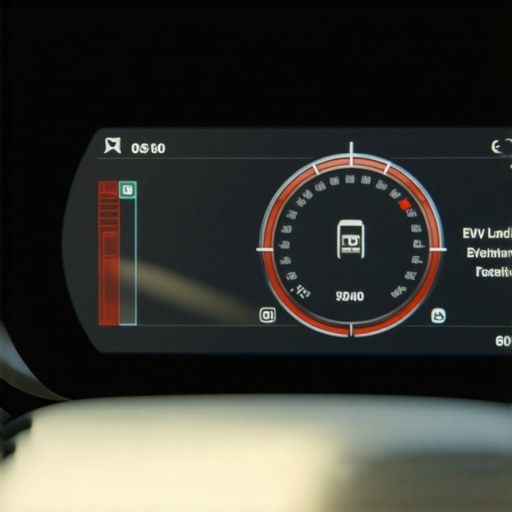 I remember the first time I tried this after years of idling; I felt like I was committing a crime against my engine. But the car actually felt more responsive by the time I hit the main road than it ever did after 15 minutes of sitting still.
Drive Gently to Heat the Whole Drivetrain
Think of your car like a team. When you idle, only the engine (the captain) is getting warm. The transmission, the differential, and the wheel bearings are all still sitting there in the cold, frozen solid. If you idle for ten minutes and then immediately jump on the highway at 70 mph, you are putting massive stress on those cold components. The proper method is to drive at a moderate pace for the first few miles. This allows every moving part to reach operating temperature in sync. This holistic approach is the secret to getting 200,000 miles out of your original engine and transmission. You want everything expanding and lubricating at the same rate to prevent uneven wear on seals and gaskets.
Restore Response Instead of Burning Fuel
If your car feels sluggish or ‘cold’ for a long time, the solution isn’t more idling; it is likely a maintenance issue that needs addressing. I once dealt with a car that took forever to smooth out in the morning, and it turned out to be a filthy intake system. Learning how to clean your throttle body to restore throttle response made a night-and-day difference. Similarly, you might find the hidden benefit of cleaning your mass air flow sensor is a much steadier idle and better fuel atomization right from the start. These small DIY tasks ensure that when you do that 30-second start, the computer is getting the right data to manage the fuel-to-air ratio perfectly, preventing that ‘drowning’ effect I experienced years ago.
Beyond just the morning warm-up, there is a whole world of routine maintenance where common wisdom is actually wrong. Take brake service, for example. Most DIYers and even some chain shops think that once you bolt on new rotors and pads, the job is done. This is one of the biggest brake service myths that leads to premature warping and annoying squeaks. If you do not take the time to learn the simple way to bed in new brake pads, you are essentially leaving performance and safety on the table. According to the Society of Automotive Engineers (SAE), the transfer layer of friction material must be evenly distributed across the rotor surface through a series of controlled stops to prevent hot spots that cause vibrations later on.
Bedding In Your Brakes is Not Optional
The oops factor usually happens when someone replaces everything but still feels a spongy response. It is easy to assume there is just air in the lines, but the trap is ignoring the internal seals. You might be struggling with how to tell if your master cylinder is failing internally. It is a nuance that separates a basic oil-changer from someone who truly understands the ultimate car service guide principles. 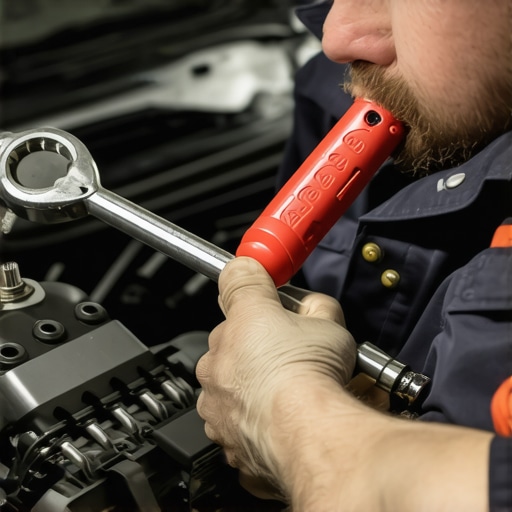 When you ignore these deeper mechanical links, you end up throwing parts at a problem rather than fixing the root cause.
Why Does Your Brake Pedal Sink Even With New Pads?
It is incredibly frustrating to spend a Saturday afternoon under the car only to find the pedal still lacks that firm bite. If you have bled the lines and the fluid is fresh, the culprit is often a bypass leak inside the master cylinder. The fluid is not leaking onto the ground; it is simply moving past worn internal seals when you apply pressure. This is a sophisticated diagnostic step that most people miss because they are only looking for external drips. This is why understanding how regular tune-ups improve fuel efficiency and safety is vital; it is about the entire hydraulic ecosystem, not just the engine bay.
Stop Cranking Your Spark Plugs Like a Bodybuilder
Then there is the classic tune-up blunder: the spark plug death grip. I have seen so many enthusiasts strip the threads in an aluminum head because they thought tighter meant a better seal. Learning the trick to replacing a spark plug without stripping threads—which usually involves a piece of vacuum hose and a very light touch—can save you a massive cylinder head repair bill. Have you ever fallen into this trap or over-tightened a bolt until it snapped? Let me know in the comments! Digging into these nuances is what keeps your car on the road for decades.
The Gear That Actually Makes a Difference
After years of skinning my knuckles with a cheap $20 toolkit, I finally invested in a decent OBD-II Bluetooth scanner. If you aren’t using one, you are basically flying blind. I personally swear by professional-grade scanners because they don’t just give you a generic code; they provide live data streams that help in troubleshooting common auto repair issues before visiting the shop. Another non-negotiable for me is a high-quality digital torque wrench. When I am working through a car service checklist, knowing that I haven’t over-tightened a valve cover bolt is what lets me sleep at night. 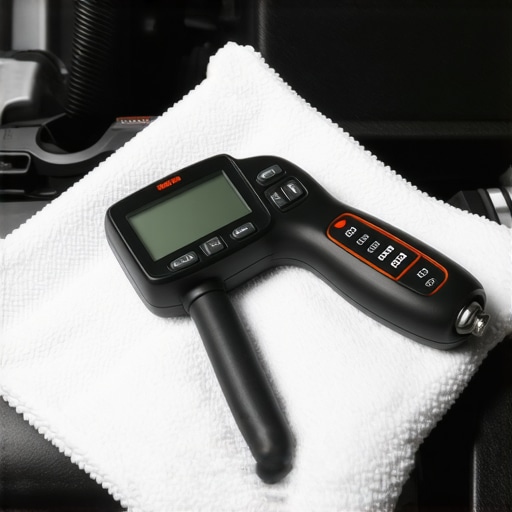 These tools turn a guessing game into a precise science, ensuring you are executing expert tune-up strategies instead of just winging it and hoping for the best.
How do I maintain my car’s precision over the long haul?
The secret isn’t a magic chemical or a miracle additive; it is the data you collect and the consistency of your records. I keep a physical logbook in the glovebox alongside my digital apps. There is something about physically writing down the date and mileage of a brake system repair that keeps me accountable. To truly maximize your cars lifespan, you need to stay ahead of the chemical breakdown of fluids. Technical documentation from Robert Bosch GmbH notes that modern high-pressure fuel injectors are incredibly sensitive to microscopic debris and varnish, which is why I never skip a fuel system cleaning during my comprehensive ultimate car service guide routine. It is all about maintaining the microscopic tolerances the factory intended.
The Shift Toward Software-First Repairs
I predict that in the very near future, our mechanical skills will matter less than our digital proficiency. We are already seeing auto repair trends to watch in 2025 that focus heavily on over-the-air updates and sensor calibrations rather than just iron and oil. Even a routine brake service on many European models now requires a computer interface just to retract the electronic parking brake calipers. If you want to keep your vehicle on the road for the next decade, you need to be as comfortable with a diagnostic tablet as you are with a lug wrench. I challenge you to go out this weekend, plug in a basic scanner, and see what your car is actually trying to tell you—you might be surprised what hidden codes are lurking in the computer’s memory.
Lessons My Garage Floor Taught Me the Hard Way
Over the years, I have realized that being a ‘responsible’ owner is about more than just washing the salt off every week. One of my biggest lightbulb moments was realizing that a clean engine bay does not always equal a healthy engine; true health is found in the chemistry of your fluids. I also learned that ignoring a new noise—no matter how faint—is essentially choosing to pay a higher repair bill later. But the most important lesson? Torque specifications are not optional suggestions. I spent years guessing until a snapped bolt taught me the proper way to torque wheel bolts without a manual and changed my entire approach to DIY work.
The Gear That Saved My Sanity and My Wallet
If you want to move beyond basic maintenance, you need a few specific items in your corner. First, invest in a quality OBD-II scanner; it is the only way to effectively handle troubleshooting common auto repair issues before visiting the shop. Second, I cannot recommend a physical maintenance logbook enough. While apps are convenient, having a paper trail in the glovebox is a fail-safe way to stay on top of your car service checklist. #IMAGE_PLACEHOLDER_E# Lastly, always keep a set of feeler gauges handy; verifying your gap is the only way to avoid the truth about budget spark plugs and engine performance issues that can cripple your fuel economy.
Take Control of Your Commute Again
You do not need to be a master technician to make a massive impact on your vehicle’s lifespan. By ditching the long idle and paying attention to the small details like fluid levels and brake response, you are already ahead of most drivers. Every time you perform a proactive car service, you are investing in another 50,000 miles of reliability. Do not be afraid to get your hands dirty—your car will thank you for it with every smooth mile. Have you ever accidentally stripped a bolt or ignored a weird noise only to regret it later? Share your most ‘expensive’ lesson in the comments below!