

Ever stood in your driveway, staring at your aging car, feeling overwhelmed by the thought of thousands in repairs? I’ve been there—frustrated, wondering if I was about to throw money at something that might break down again tomorrow. The moment that really hit me was a morning when my brakes squealed louder than my alarm clock, and I knew I couldn’t ignore it anymore. That lightbulb moment made me realize: I was ignoring simple maintenance that could save me hundreds—or even thousands—in the long run.
Why Neglecting Your Car’s Health Could Cost You Dearly
Here’s the deal: small issues, if left unchecked, spiral into big—and expensive—problems. According to CarMD’s 2023 vehicle health reports, neglecting basic tune-ups can lead to repairs costing up to $400 more than necessary. It’s tempting to postpone that quick check, especially when your car seems to run fine. But let me tell you, the real danger is in the surprises lurking under the hood, ready to burst at the worst moments—like right before a road trip or during rush hour. I learned this the hard way when a simple oil change turned into a complete engine overhaul because I ignored that sluggish start and strange noises.
Will a DIY Tune Up Really Save Me Money—or Just Waste My Time?
This was my biggest skepticism early on. I thought, “Sure, I can top off my oil, but fixing my brakes? Not a chance.” I also made the mistake of trusting every YouTube tutorial without considering my car’s specific needs. That’s why I want to emphasize: with a few essential tips and a bit of your time, you can tackle some of the most common issues without draining your wallet. Trust me, preventing problems before they escalate is the smartest move. Curious about the exact steps? We’ll cover them soon. And if you’ve ever faced a sudden brake squeal or a stalled engine that left you stranded, you’re not alone. These quick fixes might be closer than you think and could save you hundreds—yes, up to $400—on costly repairs in 2026. Ready to discover how a tiny investment of time now can save you big later? Let’s dive into the secrets that saved me—and can do the same for you.
Inspect Your Brake System Regularly for Safety
Start by checking your brakes at least twice a year—think of it as giving your car a health check-up. Listen for squealing sounds, feeling of pulling to one side, or spongy pedal feel. These are clear signs that your brake pads or fluid might need attention. I remember one time, noticing my brakes felt softer than usual, which led me to a quick inspection. Turns out, the brake fluid was dark and contaminated, risking a failure during an emergency. By replacing the brake fluid early, I avoided costly repairs and boosted my safety. For a detailed guide, consider visiting this resource on brake service secrets. Regular brake inspections are like oil changes for your life — they prevent major breakdowns and keep you safe.
Perform a Simple Tune-Up to Boost Engine Power
Think of your engine as the heart of your car. When it starts lagging or consuming more fuel than usual, a basic tune-up might be all it needs. Replace spark plugs, clean or replace air filters, and check the ignition wires. I once fixed a sluggish engine with a quick tune-up, following a step-by-step process outlined in this article on tune-up fixes. The result? Better acceleration, improved fuel economy, and fewer worries on my daily commute. Performing this routine act is like giving your engine a shot of adrenaline — simple, affordable, and effective.
Check and Replace Brake Pads Before They Worn Out
Over time, brake pads wear down and lose their ability to stop efficiently — comparable to a worn-out shoe losing grip. To avoid sudden brake failure, inspect your pads for thinning or uneven wear. I discovered my front pads were nearly metal-on-metal during a routine check, and replacing them saved me from a dangerous skid. For step-by-step guidance, see this comprehensive tune-up advice. Think of brake pads as your car’s shoes; changing them timely keeps your vehicle secure and provides peace of mind on busy roads.
Keep Your Fluids Fresh for Optimal Performance
Fluids are like blood for your car — they keep everything flowing smoothly. Regularly check your engine oil, brake fluid, coolant, and transmission fluid. During a recent service, I replaced old coolant and found it had rust particles—evidence it was time for a flush. Fresh fluids prevent overheating and corrosion, extending your parts’ lifespan. For clues on proper fluid maintenance, visit this guide on tune-up tactics. Staying on top of fluid changes is akin to maintaining your health; it keeps the engine running at peak performance and avoids costly repairs.
Monitor Warning Signs and Address Them Quickly
Your car communicates issues through blinking lights, odd noises, or erratic behaviors. When my car started vibrating upon braking, I didn’t ignore it. A quick check revealed warped rotors, which I replaced. Catching these small signals early prevents larger failures, saving time and money. For more details on warning signs, see this warning flag checklist. Think of early detection as catching a cold; addressing symptoms prevents the illness from worsening and keeps your journey smooth.Many car owners believe they know the basics of maintenance, but several common myths can lead to costly mistakes. One widespread misconception is that if your car runs smoothly, no immediate service is needed. In reality, certain issues develop silently beneath the surface, and neglecting regular inspections can cause unexpected breakdowns. For example, assuming brake pads last forever ignores the nuances of wear patterns; a seemingly fine pad may still be dangerously thin, leading to brake failure. Relying solely on visible performance can be misleading, and tools like dashboard warning lights or detailed inspection are essential.
Another mistake many make is postponing tune-ups, thinking they only benefit new cars. However, engines naturally degrade over time; neglecting simple tune-up steps like replacing spark plugs or cleaning filters can reduce efficiency and accelerate wear. Performing regular tune-ups isn’t just for new vehicles—it’s a vital habit for reliable performance.
A hidden nuance that catches many off guard is the importance of fluid quality. Some believe that checking fluids once a year suffices, but in reality, fluids degrade faster than you think. Contaminated brake fluid or coolant can cause corrosion, overheating, or brake fade, often unnoticed until a serious issue arises. Remember, maintaining clean, fresh fluids prolongs your car’s lifespan and ensures safety.
Let’s address an often-ignored myth: that all mechanic shops offer similar quality. This false belief can lead to trusting the cheapest or most accessible service, risking subpar repairs. Instead, seek out professionals who back their work with strategies like trustworthy repair strategies and proper diagnostic processes.
From my own experience and research, I can tell you that a nuanced understanding of these elements can save hundreds, if not thousands, of dollars. Recognizing that small, seemingly insignificant issues can escalate helps you stay proactive. For instance, catching a minor brake squeal early by inspecting brake components at early signs can prevent costly rotor replacements later.
In conclusion, debunking prevalent myths around car service isn’t just about saving money; it’s about ensuring your safety and prolonging your vehicle’s functional life. It’s essential to understand that regular, nuanced attention to your car’s condition makes all the difference.
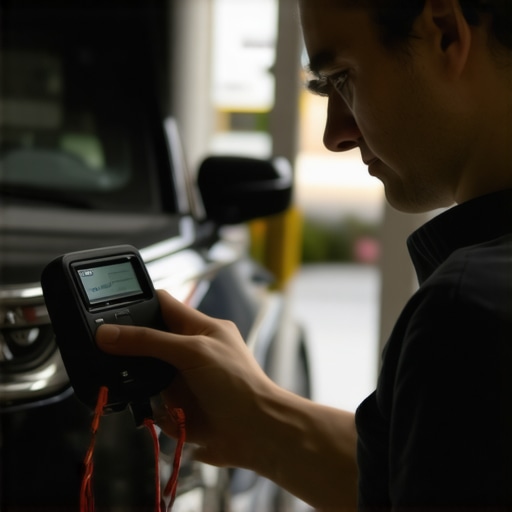
Have you ever fallen into this trap? Let me know in the comments, and share your experiences or questions about what surprised you during your own maintenance journey.Maintaining your car’s performance over time requires the right tools and a strategic approach. One essential device I swear by is a high-quality code scanner like the OBD-II reader. I use it regularly to check for hidden trouble codes that can flag issues long before they become costly repairs. This proactive approach helps me identify problems with engine performance or emissions systems early, saving me money and downtime. Additionally, I rely on a good set of hydraulic jack stands and a torque wrench to perform be**t maintenance tasks safely and accurately. These tools ensure that I can inspect and replace components like brake pads or ignition wires without risking injury or improper installation.
For more detailed diagnostics, I prefer software like AutoEnginuity or those compatible with my OBD-II scanner, which allow me to access live data and sensor readings. This real-time insight helps me monitor fluid temperatures, oxygen sensor outputs, and other vital parameters, ensuring everything runs smoothly. As technology advances, I predict that integrated vehicle health monitoring systems will become more prevalent, providing continuous diagnostics and alerts right on our smartphones.
When it comes to routine maintenance, I follow a strict schedule using digital reminders. Apps like Drivetribe or simple calendar alerts help me stay on top of oil changes, fluid replacements, and inspections. For example, I set monthly checks for fluid levels and tire pressure, which are critical for safety and fuel efficiency. I also document repairs and inspections with photos, creating a digital record that helps me track when certain parts were replaced and plan future maintenance.
<--- —>
—>
One question I often ask myself is: ‘How do I keep up with my car over the long haul without overspending or missing critical issues?’ The answer lies in combining the right tools with disciplined routine checks. Regular inspections of brake pads, using resources like dash warning signs, along with software diagnostics, create a comprehensive safety net. For example, inspecting brake pads for uneven wear and using a code scanner helps me catch problems early.
If you want to start with a bang, try investing in a reliable OBD-II scanner and set up routine software checks. This small step can dramatically extend your vehicle’s lifespan and improve safety. Keep experimenting with your tools and routines until you find a maintenance rhythm that works best for your driving habits. Remember, consistency is the real secret behind long-term automotive success.
Over the years, I’ve realized that the real secret to maintaining a reliable vehicle isn’t just about expensive repairs but about mastering the subtle art of proactive care. The biggest lightbulb moment came when I understood that regular, seemingly minor checks could prevent those dreaded, costly breakdowns. Though it may seem simple, these small habits cultivate a sense of confidence and control, transforming car ownership from a source of stress into a rewarding journey.
Lessons from the Trenches: Small Checks, Big Savings
One of the most valuable lessons I learned was to trust my intuition about my car’s behavior. That squealing brake was a warning sign, not just an annoyance. Catching issues early—like warped rotors or worn brake pads—when they’re still manageable has saved me hundreds of dollars. Sometimes, the smallest sign, such as a slight vibration or a dashboard warning, can foretell big challenges down the road. Embracing routine inspections created a safety net, giving me peace of mind and extending my vehicle’s lifespan.
Tools and Tips That Transformed My Routine
Investing in a quality OBD-II scanner was a game changer. It allowed me to spot engine trouble codes before they triggered warning lights, helping me address problems early. I also rely on a sturdy set of jack stands and a torque wrench for safe DIY projects. These tools, paired with smart routines like monthly fluid checks and tire inspections, keep my vehicle in top shape. With knowledge and the right instruments, I found that much of the maintenance I once thought was costly and complicated became manageable—and even enjoyable. For trustworthy advice, I often refer to resources like reliable repair strategies or tune-up tips tailored for longevity.
Share Your Maintenance Wins and Lessons
If you’ve ever caught a small issue before it turned into a crisis, you know the power of attentive maintenance. Did you catch a warning sign early? Or maybe a simple tune-up saved you from a large expense? I’d love to hear your stories or questions—your experiences could be the tip that helps someone else avoid a costly mistake. Remember, the key to long-lasting performance is not just reacting to problems but actively preventing them. Keep learning, stay proactive, and enjoy the ride ahead. What’s one small maintenance habit that made a big difference for you? Share below and let’s support each other on this journey to better car care.
This post really hits home for me because I’ve learned that regular, small maintenance tasks can truly save a ton of money in the long run. I recall a time when I ignored a minor squealing noise from my brakes, thinking it was nothing. Turns out, that tiny sound was warning me about worn brake pads—by catching it early, I avoided the costly rotor replacement that some of my friends faced. Now, I make it a point to inspect my brakes monthly, especially before long trips. My experience just confirms how crucial routine checks are, even if your car seems to be running fine.
I’m curious, what are some subtle signs indicating that I might need more than just a basic tune-up? Do others rely more on performance feel or visual cues like fluid levels and wear patterns? I’ve started using a simple car maintenance app to track my inspections, which makes the process much less overwhelming. For anyone hesitant about DIY maintenance, do you have tips on how to get started safely? I believe small, consistent efforts can really extend the life of your vehicle and keep repairs minimal.