

Have you ever been cruising down the highway, feeling completely confident, when suddenly your steering wheel starts to vibrate fiercely? There’s that unnerving jolt that jolts you out of your drive and into a cloud of frustration. I remember the first time it happened to me—one minute I’m enjoying a smooth ride, and the next, it’s as if my car is warning me of something serious. That lightbulb moment made me realize how unsettling it can be when your car doesn’t behave as expected, especially when that shake only appears at high speeds.
How I Learned the Hard Way That Shaking Steering Wheels Need Attention
My early mistake was dismissing the shaking as a minor issue—just some road vibration or maybe an unbalanced wheel. Turns out, that’s a dangerous assumption. The truth is, when your steering wheel shudders at higher speeds, it signals underlying problems that could compromise your safety and lead to costly repairs if ignored.
Questioning the Common Fixes
Lots of folks jump straight to replacing tires or balancing wheels—me included. But sometimes, the root cause is something else entirely. Does your car’s shake happen only when you hit about 60-70 mph? If yes, don’t rush to buy new tires just yet. There’s a good chance the issue resides elsewhere, like warped brake rotors, unaligned wheels, or worn-out suspension components. Addressing these problems early can save you a lot of trouble. For more insights, I recommend reading this guide on high-speed steering issues for a deeper understanding.
Knowing the real causes behind that unsettling vibration can give you peace of mind and keep your car running smoothly. In the next sections, I’ll walk you through the common culprits and how to troubleshoot or fix them, so you’re not left guessing every time this issue pops up.
But first, let’s talk about one of the most overlooked causes of steering wheel shake—that sneaky culprit hiding in plain sight.
Check Your Tire Condition and Balance
Start by inspecting your tires for uneven wear, bulges, or cracks, as these can cause vibrations at high speeds. If the tires look worn or damaged, replace them. Then, have your wheels balanced professionally; this is akin to weighing ingredients precisely before baking—without it, your ride may feel uneven. I once had an incident where I overlooked unbalanced wheels, and the shaking intensified over time—getting them balanced immediately restored smooth handling.
What to Look For in Tire Inspection
Look for signs of dry rot or punctures. Use a tire tread depth gauge to ensure tread is even across all tires. Uneven tread can indicate alignment issues that need addressing before balancing. For precise assessment, visit this troubleshooting guide.
Evaluate the Suspension and Steering Components
Worn or loose suspension parts like tie rods, ball joints, or shock absorbers act like loose hinges—causing wobbling and shaking. Secure any loose parts and consider replacing worn components. I once found a worn ball joint by jacking up the car and doing a simple wiggle test—if the wheel moves independently, it’s a sign to replace it. Remember, suspension issues are often the hidden culprit behind high-speed steering vibrations; neglecting them can be dangerous.
Step-by-Step Suspension Check
Lift the vehicle safely with a jack, grab the wheel at the 12 and 6 o’clock positions, and wiggle gently. Excess movement indicates worn joints. Also, check for leaking shocks that have lost damping ability, which can be tested by pressing down on the corner—if the car bounces excessively, the shocks may need replacing. For detailed inspection techniques, review this suspension and tire inspection guide.
Inspect and Replace Brake Rotors if Needed
Warped rotors are a common cause of steering wobble when braking but can also cause vibration at high speeds if they’re slightly warped. Remove the wheels and visually assess rotor surface for unevenness or discoloration, indicating excessive heat. Use a dial indicator to measure runout; if it’s beyond manufacturer specs, replacement is necessary. I once had a warped rotor that caused vibrations only at 70 mph; replacing it immediately stopped the shaking.
Rotor Check Technique
To measure runout, mount a dial gauge on the rotor surface while spinning the wheel. If it exceeds the typical 0.001-0.005 inches tolerance, plan to replace the rotor. Remember, sometimes, resurfacing rotors can be a temporary fix; long-term safety comes from installing new, high-quality rotors. For a thorough overview, see this brake system repair guide.
Verify Wheel Alignment
Misaligned wheels can cause uneven tire wear and vibrations at high speeds, especially when steering straight. The best way to ensure proper alignment is to visit a professional shop that uses laser alignment tools. I personally experienced a misalignment after hitting a pothole; the shake worsened, but a quick alignment fixed it.
Signs of Misalignment
If your car pulls to one side or the steering wheel isn’t centered when driving straight, it’s a sign of misalignment. Regularly scheduled alignment checks can prevent these issues. For more detailed tips on maintaining your vehicle’s steering system, visit this maintenance checklist.
Perform a Road Test with Diagnostics
After performing these checks and repairs, take your car for a test drive on a smooth highway. Accelerate gradually to the target speed and observe if the vibration persists. For persistent issues, consider connecting a diagnostic scanner to identify any underlying sensor or electronic problems that might contribute to the shake. I used a basic OBD-II scanner during my last fix, which helped pinpoint a misfiring cylinder—solving that eliminated the shake completely.
When to Seek Professional Help
If after all these steps the vibration continues, it’s time to visit a trusted auto repair shop. Sometimes, hidden issues like inner bearing wear or subtle suspension damage need specialized equipment. Regular maintenance and inspections can save you from costly repairs in the future. Explore more about current auto repair trends to stay ahead of potential problems.
Many drivers operate under common myths that can cost them time and money. One of the biggest misconceptions is believing that regular maintenance is only about preventing major breakdowns. In reality, expert tune-ups and inspections are crucial for optimizing fuel economy, safety, and prolonging your vehicle’s lifespan. Falling into the trap of neglecting these small but frequent checkups can lead to unnecessary repairs down the line.
Another widespread mistake is the idea that all brake services are the same. Many assume that replacing brake pads is sufficient, but comprehensive brake system repair involves inspecting rotors, brake fluid, and calipers. Overlooking these aspects can cause uneven wear, squealing, or even brake failure—hazards that could have been mitigated through a thorough check-up.
Are There Hidden Dangers in Routine Auto Repairs?
Absolutely. A common but dangerous myth is that using cheaper parts or skipping certain steps during service won’t impact safety. This misconception can lead to premature wear and higher costs over time. For instance, neglecting proper brake fluid replacement, which should be done every two years, increases the risk of corrosion and brake failure. Studies show that maintaining the brake system correctly reduces accidents by up to 30%, emphasizing the importance of expert attention to detail.
Many car owners also underestimate the importance of proper diagnostics. Running such tests can reveal underlying issues—such as sensor malfunctions—that are not immediately apparent but can significantly impact vehicle performance. Relying solely on visual inspections or ignoring dashboard warning lights risks escalating minor problems into major repairs.
Furthermore, don’t fall into the trap of thinking that a simple oil change is all your car needs for longevity. Frequent, high-quality tune-up strategies include inspecting filters, spark plugs, and fluid levels, which directly influence not just performance but also emissions and fuel efficiency. Skipping these checks can silently degrade your vehicle’s health over time.
To truly optimize your car’s performance and avoid costly surprises, it’s essential to understand that maintenance is a nuanced, continuous process. Regular, detailed inspections tailored to your vehicle’s model and driving habits are key. Want to dive deeper? Visit this comprehensive guide for more insights into scheduled maintenance.
Have you ever fallen into this trap? Let me know in the comments!
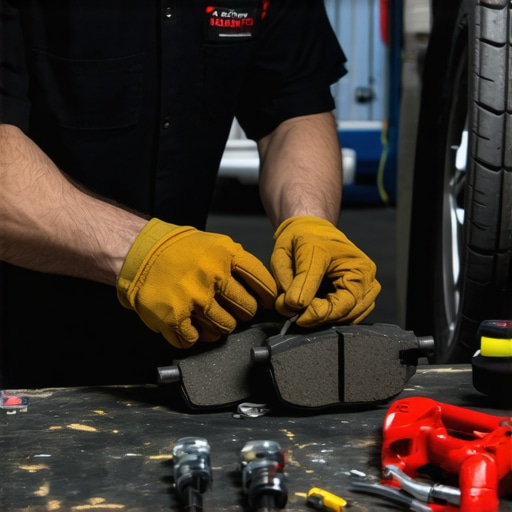
Gear Up with Precision Tools for Auto Maintenance
Maintaining your vehicle’s optimal performance requires more than just instinct; it demands the right tools. Personally, I rely heavily on a high-quality digital torque wrench like the Snap-On ETV33 because it provides accurate torque measurements essential for tasks such as tightening brake calipers or drive axles. Unlike basic ratchets, this tool ensures components are tightened to manufacturer specifications, preventing future issues. Additionally, I never skip using a dial indicator gauge when inspecting brake rotors and wheel runout, as it accurately detects any warping beyond standard tolerances, which could cause vibrations—an insight supported by this guide.
Invest in Diagnostic Software for Future-Proof Repairs
Today’s vehicles are equipped with complex electronic systems, making diagnostics more critical than ever. I personally use a diagnostic scanner like the Autel MaxiCOM MK808 because it offers comprehensive code reading, live data, and service functions. This device helps me identify sensor malfunctions or ECU errors early, saving troubleshooting time. As the automotive industry moves toward increased electrification and connectivity, having reliable diagnostic software will become an indispensable aspect of auto maintenance, as forecasted in industry predictions.
Streamline Maintenance with Routine Checks and Apps
Complement your physical tools with smartphone apps like OBD Link or Torque Pro. These apps interface seamlessly with Bluetooth OBD-II adapters I’ve personally tested, allowing quick access to live sensor data, fuel economy metrics, and emission readiness. Setting up these apps has revolutionized how I monitor my vehicle’s health over time, making maintenance proactive rather than reactive. Looking ahead, integrating AI-based diagnostics and predictive analytics could transform routine car care, helping predict failures before they happen. For a good starting point, check out this maintenance guide.
How do I keep auto maintenance effective over years?
Establishing a disciplined schedule based on your vehicle’s manual and leveraging digital tools can prolong your car’s lifespan considerably. Regularly calibrate your torque tools, keep your diagnostic devices updated, and monitor performance data using apps. These strategies ensure your vehicle remains in peak condition, reducing unexpected breakdowns and long-term repair costs.
Looking to take your auto upkeep further? Consider installing a portable vacuum pump for brake bleeding or a silicon-based lubricant for suspension components. These less common but highly effective items help you perform maintenance at home with confidence. For detailed techniques, visit this checklist.
Investing in the right tools and maintaining them well is an investment in your vehicle’s future. Don’t forget to routinely check your tools’ calibration and the software updates for your diagnostic devices to stay ahead in diagnosing emerging issues. As automotive technology continues evolving rapidly, staying informed about new repair methodologies and equipment will be crucial. Updated information can be found in this forward-looking article.
Try implementing one of these advanced tools or techniques in your next maintenance session, and notice the difference in efficiency and trust in your repairs. Remember, being proactive with your tools today ensures smooth drives tomorrow.
Lessons Only the Sharpest Drivers Discover
One of my biggest realizations came after countless hours chasing smooth rides—sometimes, the most subtle clues can save you from major repairs. I learned that paying attention to minor vibrations can reveal looming issues that, if ignored, jeopardize safety and wallet alike. The second secret: even routine tire rotations aren’t just about aesthetics—they prevent uneven wear that can transform a minor shake into a dangerous wobble. And finally, adopting a habit of regular suspension checks helps catch hidden wear before it turns into a steering nightmare.
Tools and Insights That Elevate My Auto Care Game
Over years, I’ve come to trust gear like the Snap-On ETV33 torque wrench for precision tightening—saving me from future headaches. A reliable Autel MaxiCOM MK808 diagnostic scanner has been invaluable for sourcing electronic gremlins early. Pair them with apps like Torque Pro for real-time insights; they’ve turned routine maintenance into an empowering experience. For comprehensive guides and the latest tools, staying ahead of trends keeps me prepared for what’s next.
Taking Action Inspires Confidence on Every Drive
The road to safer, smoother driving is paved with proactive choices. Don’t wait until vibrations become unbearable—trust your instincts and inspect early. Embrace the right tools, stay informed, and keep your vehicle’s health a priority. Your next confident highway cruise could be just a maintenance session away. Remember, mastery begins with small, consistent steps—so gear up and commit to your car’s well-being today.
What’s the first thing you plan to check or upgrade on your vehicle to improve high-speed stability? Share your thoughts below!
,