
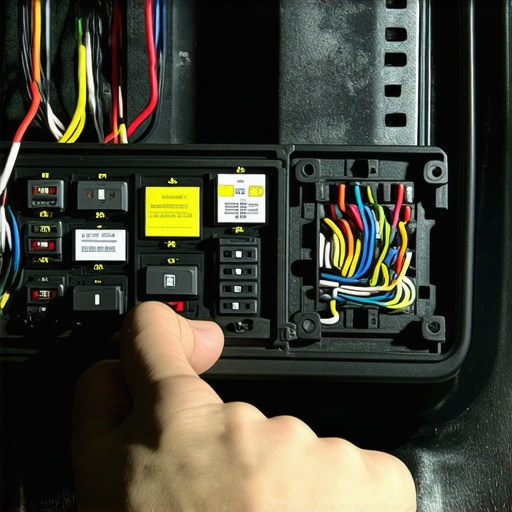
You turn the key, bracing for the morning commute, but instead of the upbeat rhythm of your favorite station, you’re greeted by the cold, biting hiss of static at 88.1 FM. Every single preset you spent twenty minutes perfecting yesterday is gone. It’s like your car has a case of total amnesia every time you turn the engine off. I’ve been there, staring at the dash of my old pickup, wondering if I was cursed or if the ghost of a previous owner was messing with my volume levels. In my early days of tinkering, I made the classic mistake of assuming the radio itself was ‘dead’ and replaced the whole unit, only to have the new one do the exact same thing. It was a humbling lesson in troubleshooting common auto repair issues before visiting the shop. Today, I’m going to help you skip that expensive mistake and find the real reason your settings won’t stick. Have you ever found yourself screaming at your dashboard because the clock reset for the third time in a week? [IMAGE_PLACEHOLDER]
The Frustrating Truth About Why Your Radio Forgets Everything
This isn’t just about losing your favorite classic rock station; it’s a symptom of a deeper electrical hiccup. Usually, this happens because the ‘constant power’ wire—the one responsible for keeping the radio’s tiny internal memory alive while the car is off—is either disconnected, blown, or losing voltage. It’s a very similar culprit to why your car’s dash clock resets every time you start the car. If that memory wire doesn’t get its tiny sip of electricity, the radio effectively ‘dies’ every time you pull the key out. According to experts at Popular Mechanics, a parasitic drain or a wiring fault can often be traced back to these constant-on circuits that fail to maintain their connection.
Is It Finally Time to Trash Your Head Unit?
You might be worried that the internal hardware of your stereo has fried, but in ninety percent of the cases I’ve handled, the radio itself is perfectly fine. The skepticism is real—why would it work while I’m driving but fail while I’m sleeping? It comes down to two different power sources. One tells the radio to turn on when you’re driving, and the other keeps the memory ‘warm’ while you’re gone. If you’ve been dealing with a hidden drain that kills your battery while the car is parked, your car might actually be cutting power to the radio to save enough juice to crank the engine in the morning.
Get Your Presets to Stick Once and For All
To fix this, we have to look at the health of your electrical system. Often, the issue is as simple as a corroded terminal or a fuse that is just loose enough to vibrate out of contact. I spent hours once digging through a dashboard only to realize I had a blown ‘Room’ or ‘Backup’ fuse in the engine bay that I completely ignored because I was focused on the radio’s harness. Learning how to tell if your electrical problem is a blown fuse or a bad ground wire is the absolute first step before you start buying new parts. We aren’t just looking for a fix; we’re looking for the right fix so you never have to hear that 6:00 AM static ever again.
The Constant Power Wire Must Stay Alive
Most car stereos use two separate power wires to function correctly. The red wire usually handles the ‘switched’ power, telling the radio to wake up when you turn the key. The yellow wire, however, is the one we care about right now; it’s the constant 12V source that maintains your presets. If these two get swapped during an installation—which happens more often than you’d think—your radio will play fine, but it will lose its memory the second you cut the engine. I once spent an entire Saturday helping a friend fix a ‘broken’ head unit in his old sedan, only to find the previous owner had crimped the constant and switched wires together. It’s these small details that make tune up your car for peak performance essential maintenance tips so vital for DIYers.
Test Your Voltage Without Professional Help
To see if that yellow wire is actually doing its job, you’ll need a basic multimeter. With the car completely off, touch the probes to the yellow wire and a solid metal ground point. You should see a steady 12 volts. If you see zero, the problem isn’t the radio; it’s the supply line. This kind of electrical poking around is very similar to how to test your alternator with a simple multimeter at home. If you aren’t getting power, you likely have a break in the wire or a parasitic drain that is dropping the voltage too low for the memory chip to function. 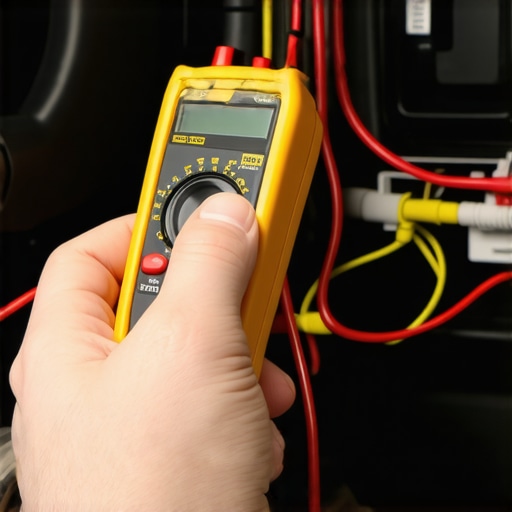
Find the Secret Backup Fuse Under the Hood
Many people check the fuse on the back of the radio and the one in the interior fuse box, but they forget about the ‘Back Up’ or ‘Dome’ fuse located in the engine bay. This fuse is the gatekeeper for the constant power circuit. If it’s slightly oxidized or partially blown, it might pass enough current to look okay but fail under the slight load needed to hold memory. It is a common troubleshooting step mentioned in the ultimate car service guide when and why to schedule maintenance. I remember working on a customer’s truck where the radio reset only when it rained. It turned out the under-hood fuse box had a tiny crack, letting in just enough moisture to create a temporary short on that specific circuit.
Why Your Ground Connection Ruins Everything
Electricity is a loop, and if the ‘return’ path—the ground wire—is loose, the memory circuit can’t complete its cycle. A bad ground can cause all sorts of gremlins, from flickering lights to a radio that wipes its settings. If your dashboard lights dim when you use other electronics, you might need to look at how to tell if your electrical problem is a blown fuse or a bad ground wire. Use a wire brush to clean the point where the radio’s black wire meets the car’s metal chassis. A clean, bare-metal connection is often the difference between a radio that works and one that acts like it’s brand new every morning. This is one of those simple fixes that determines how to tell if your car needs a simple tune up or a major repair without spending a dime at a shop.
Don’t Fall for the Old School Tune-Up Trap
Most people walk into a shop asking for a ‘tune-up’ because they think it is a magic cure-all for every stutter and stall. In my experience, the classic tune-up is a relic of the past. Back in the day, you were adjusting carburetors and points, but today, your car is a rolling computer. If a mechanic tells you that you need a tune-up without even plugging in an OBD-II scanner, walk away. Modern maintenance is about data and specific sensor health, not just blindly swapping parts. I have seen folks spend hundreds on new plugs when the real issue was a tiny vacuum leak or a dirty mass airflow sensor triggering a lean code. Real expertise means knowing how to tell if your car needs a simple tune up or a major repair based on actual diagnostics, not just a feeling in your gut.
Why Your New Brake Pads Might Still Squeak Like Crazy
It is a common myth that noise always equals worn-out pads. I have had readers tell me they replaced their entire braking system because of a high-pitched squeal, only to find the noise persisted. Often, the culprit is not the pad itself but ‘glazing’ on the rotor or a lack of anti-seize lubricant on the back of the pads. This is a classic case of brake service myths that you need to know before your next stop. If you do not properly ‘bed’ your brakes—a process of controlled stops to transfer a layer of pad material to the rotor—you will likely end up with vibrations or noise. Have you ever fallen into this trap of replacing perfectly good parts only to have the symptoms remain? Let me know in the comments. 
Can a Dirty Sensor Really Kill My Gas Mileage Without a Check Engine Light?
Absolutely. Many advanced DIYers miss the fact that sensors like the O2 or MAF can ‘drift’ out of calibration without fully failing. They are still sending signals, so the computer thinks they are fine, but they are providing ‘lazy’ data that forces your engine to burn more fuel than necessary. This is precisely how regular tune ups improve fuel efficiency and safety by catching these subtle drifts before they become expensive failures. According to a study by AAA, Americans often overlook these minor maintenance items, leading to billions in unnecessary repair costs later.
The Dangerous Mistake of Over-Cleaning Your Engine
Here is an ‘oops’ factor I see too often: the weekend warrior who wants a showroom-clean engine bay and reaches for the high-pressure wand at the car wash. This is a recipe for disaster. You might think you are doing your car a favor, but you are likely forcing water into weather-sealed electrical connectors or even the air intake. This is why you should never use a pressure washer on your car engine. Use a damp rag and a dedicated degreaser instead. It takes longer, but it prevents the kind of ‘electrical ghosts’ that make your radio reset or your dashboard light up like a Christmas tree. Keeping a car service checklist helps you stay focused on what actually matters—mechanical health—rather than just cosmetic cleanliness that could cause a short circuit.Moving beyond the surface cleaning, I want to talk about the ‘black magic’ of my garage: the tools that actually tell you what is going on under the hood. For years, I relied on my ears and a cheap set of wrenches, but that only gets you so far when you are trying to maximize your car’s lifespan with expert tune-up strategies. If you are serious about DIY, you need a high-quality OBD-II scanner. I personally use an Autel unit because it doesn’t just read the code; it shows me ‘Live Data’ like fuel trim and oxygen sensor voltage in real-time. This is how I catch a failing sensor before it ruins my catalytic converter. It’s the difference between a guess and a surgical strike, and it’s a huge part of the ultimate car service guide when and why to schedule maintenance.
Stop Guessing and Start Measuring with a Multimeter
Beside my scanner, a digital multimeter is my most-used tool. Whether you are tracking down why a radio forgets its presets or learning how to test your alternator with a simple multimeter at home, you cannot see electricity—you can only measure it. I’ve seen enthusiasts spend hundreds on new batteries when the real problem was a 50-cent fuse or a loose ground. According to the Bosch Automotive Handbook, even a minor voltage drop of 0.5V in a ground circuit can lead to erratic sensor behavior and ghost codes that drive mechanics crazy. 
How do I maintain my car’s performance over several years?
The secret to longevity isn’t a single big repair; it’s the cumulative effect of small, consistent checks. I keep a physical car service checklist in my glovebox to track things like brake fluid moisture content and transmission fluid color. Most people wait for a light on the dash, but by then, the wear has already started. This proactive approach is exactly how regular tune ups improve fuel efficiency and safety over the long haul. You should also be wary of the real cost of skipping your 100,000-mile major service, as that is the milestone where timing belts and water pumps usually decide to retire.
The Future of Auto Repair is Lines of Code
As we look toward the next few years, the ‘mechanical’ side of auto repair is shrinking. We are entering an era of software-defined vehicles where a simple brake job might require a computer to retract the electronic parking brake. This is a major part of auto repair trends to watch in 2025. You will need to know how to tell if your local mechanic actually has the tools for a proper ADAS calibration, because even a slightly misaligned camera can affect your emergency braking. My advice? Don’t wait for a breakdown. Grab a multimeter tonight and check your battery’s resting voltage—it should be at least 12.6V. If it’s lower, you’ve just found your first project.
The Hardest Lessons I Learned Chasing Electrical Gremlins
Over the years, I’ve realized that a radio losing its memory is almost never about the music; it is the car’s way of screaming that its electrical “life support” is failing. One of the biggest lightbulb moments for me was realizing that most “broken” stereos are just victims of a cheap harness or a tiny fuse. I’ve seen people spend hundreds on new units when all they needed was to understand how to tell if your electrical problem is a blown fuse or a bad ground wire. [IMAGE_PLACEHOLDER] Another hard-won truth? A “tune-up” isn’t a specific part you buy; it’s a philosophy of proactive care. Before you start swapping spark plugs, you have to know how to tell if your car needs a simple tune up or a major repair to avoid throwing money at a symptom rather than the cause.
My Personal Roadmap for Mastering Modern Maintenance
If you want to move from being a “parts swapper” to a real troubleshooter, you need the right guide. I always recommend keeping a physical car service checklist in your glovebox to track the health of your vehicle over time. My toolkit always starts with a digital multimeter; I use it for everything from checking parasitic drains to how to test your alternator with a simple multimeter at home. Beyond tools, rely on specific service manuals for your vehicle rather than generic YouTube videos, as wiring colors and fuse locations change drastically between models.
Take the First Step Toward a Healthier Ride
Don’t let the complexity of modern dashboards or the mystery of understanding brake system repairs keep you from popping the hood. Every master mechanic started by fixing a small annoyance—like a clock that wouldn’t stay set. By taking these small steps, you effectively maximize your car’s lifespan with expert tune-up strategies. You have the power to keep your car running smoothly and your favorite stations locked in. What was the most frustrating “ghost” in your car’s machine that you finally managed to fix? Let me know in the comments below!