

I remember the smell first—burnt toast mixed with metallic anxiety—as I sat in my driveway staring at a dipstick that looked like it had been dipped in stale espresso. My old sedan was shifting like a mule with a grudge, and I honestly thought a quick drain-and-fill would be the magic cure. I was wrong. I spent twenty minutes under the car, changed about four quarts of fluid, and felt like a hero until two days later when the shuddering came back with a vengeance. That was the moment I realized that just swapping a bit of old oil for new isn’t always the fix we think it is. Today, I want to pull back the curtain on the real difference between a transmission flush and a simple fluid change so you don’t end up wasting money on a half-measure like I did. We are going to figure out which one your car actually needs to keep it on the road for another 100,000 miles.
The Day I Realized a Change Was Not Enough
My big blunder early on was assuming that new fluid would magically clean the old parts. In reality, mixing fresh, detergent-rich fluid with years of accumulated sludge can sometimes dislodge debris that clogs tiny internal passages. This is exactly why learning how to avoid major transmission repairs later starts with choosing the right maintenance method at the right time. A fluid change is a gentle refresh, while a flush uses a specialized machine to push out virtually every drop of the old stuff. If you have ever seen why your brake fluid looks like coffee, you know that dark, contaminated liquid is a sign of trouble, and transmission fluid is no different. According to the Car Care Council, neglected transmission fluid is a leading cause of transmission failure because it loses its ability to protect against heat, which accounts for nearly 90% of all automatic transmission failures.
Is a full flush actually worth the extra cash?
I get the skepticism because when a shop tells you a flush costs twice as much as a change, it feels like a total upsell. But here is the thing: a standard change only replaces about 30% to 40% of the total fluid in most vehicles. The rest of that gritty, degraded gunk stays trapped inside the torque converter and the cooling lines. It is like taking a bath in a tub full of muddy water and only adding one bucket of fresh water; you are still coming out dirty. Knowing how to check transmission fluid levels without a dipstick is a great start for any owner, but understanding the volume of fluid involved is the real game-changer for longevity. Have you ever noticed your car struggling to shift or heard a strange whining noise when you accelerate? I want to hear about it because I have probably made the same mistake you are worried about. Following the ultimate car service guide will help you time these interventions, but first, let’s break down exactly what happens inside that metal box when the machines hook up.
Refresh Your Gears with a Standard Change
A standard transmission fluid change is the most common procedure you will encounter at a local shop. Think of it like a routine oil change but slightly more invasive. You or your mechanic pulls the drain plug, lets the old fluid pour out into a catch pan, and then replaces it with fresh fluid. The catch is that a significant amount of the old, burnt fluid stays trapped inside the torque converter and cooler lines. This method is essentially a dilution process; you are mixing clean fluid with the remaining dirty stuff to improve the overall quality without shocking the system. It is a vital part of your car service checklist because it allows for a visual inspection of the fluid and the bottom of the pan.
The Messy Reality of the Magnet Check
I remember the first time I attempted a pan-drop on my own. I didn’t realize that even after draining the plug, the pan still holds about a quart of fluid. As I loosened the last bolt, the pan tilted, and I ended up wearing two liters of Type-F ATF. It was a disaster, but it taught me something crucial. Once the pan was off, I saw the ‘sludge’ on the internal magnets. These magnets are there to catch tiny metal shavings from the gears. If you see a fine grey fuzz, you are doing great. If you see actual chunks of metal, you are likely troubleshooting common auto repair issues that a simple fluid change cannot fix. Cleaning those magnets and replacing the filter is a step a machine flush often skips, which is why I often prefer the manual method for older vehicles. 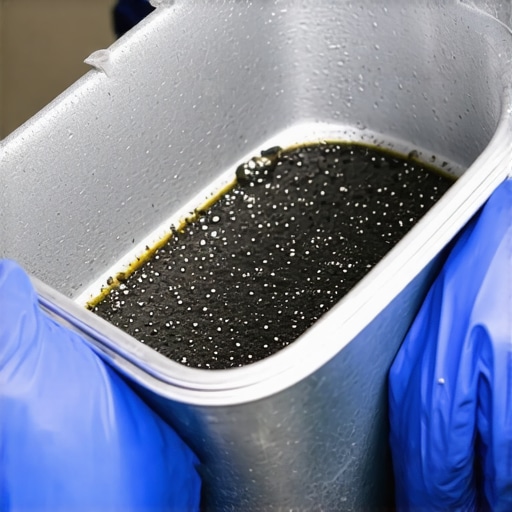
Hook Up the Machine for a Total Exchange
If a fluid change is a partial refresh, a transmission flush is a total transfusion. This process involves connecting a specialized machine to your transmission’s cooler lines. As the engine runs, the machine uses the transmission’s own pump (or its own internal pump) to push all the old fluid out while simultaneously pumping in equal amounts of new fluid. This is how you achieve 100% fluid replacement. For high-performance vehicles or those that tow heavy loads, this is how you maximize your cars lifespan with expert tune-up strategies. It ensures that every nook and cranny of the valve body and the torque converter is filled with fresh, thermally stable fluid.
Avoid These Common Transmission Flush Mistakes
The biggest risk with a flush is the ‘pressure’ myth. Many people fear that a flush will blow out seals. While modern machines are designed to match the car’s operating pressure, the real danger is dislodging debris. If your car already struggles to shift into second, a high-intensity flush might push existing gunk into the tiny valves of the transmission, causing it to fail shortly after. This is why I always recommend a thorough inspection first. Just like understanding brake system repairs requires knowing the state of your rotors, you need to know the state of your clutches before deciding on a flush. If the fluid smells like a campfire and looks like obsidian, a gentle drain-and-fill is your safest bet to avoid a total rebuild. However, if your fluid is just slightly discolored and you want to restore your gas mileage and shift quality, the flush is a superior way to ensure longevity.
There is a persistent myth in the automotive world that if you have gone 150,000 miles without a service, you should just let the transmission die in peace. The logic suggests that the accumulated debris is the only thing providing enough friction to keep the clutches from slipping. I used to believe this too, until a veteran transmission builder showed me that neglect is never a viable strategy. While a high-pressure flush on a neglected unit is indeed risky, a series of gradual drain-and-fills can actually salvage a ‘doomed’ gearbox. It is about managing the fluid chemistry rather than shocking the system. Much like the brake service myths you might encounter, the ‘do not touch it’ rule is often just a way to avoid liability rather than a sound mechanical recommendation.
The Hidden Trap of Universal Fluids
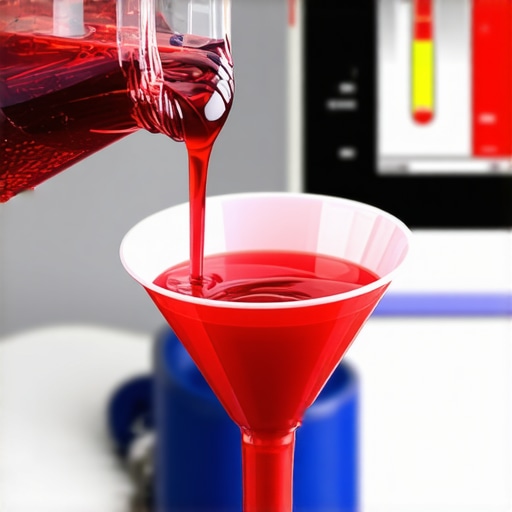
The real ‘oops’ factor that ruins modern transmissions isn’t usually the service method, but the ‘universal’ fluid shortcut. Many shops stock one type of bulk fluid and add a bottle of ‘friction modifiers’ to make it mimic various OEM specifications. This is a recipe for a catastrophic failure. Modern transmissions are incredibly sensitive to specific viscosity index improvers. According to research by the Society of Automotive Engineers (SAE), even a slight deviation in fluid friction characteristics can lead to torque converter shudder or premature clutch plate wear. If you want to tune up your car for peak performance, you must insist on the exact fluid specified in your owner’s manual, not a ‘one size fits all’ chemical cocktail.
Does synthetic fluid actually make older clutches slip?
This is a high-level question I get from enthusiasts all the time. They worry that the superior lubricity of synthetic will cause an aged transmission to fail. In reality, the truth about synthetic vs. conventional oil applies to transmissions as well: synthetic fluid handles extreme heat significantly better and resists the thermal breakdown that leads to sludge. If a transmission slips after a change, it is usually because the fresh detergents cleaned off a layer of glaze that was masking existing mechanical wear. It did not ’cause’ the failure; it simply revealed a pre-existing condition. To truly maximize your cars lifespan with expert tune-up strategies, you need to accept that clean fluid is always better than liquid sandpaper, regardless of the mileage.
I have seen drivers spend thousands on a total rebuild when they could have saved the unit with better troubleshooting common auto repair issues early on. One advanced nuance many miss is the condition of the transmission cooler. If your radiator is partially clogged, your brand-new fluid will overheat and oxidize within weeks. Have you ever fallen into this trap where a ‘simple’ fix revealed a much bigger cooling problem? Let me know in the comments. By strictly following a car service checklist, you can identify these secondary failures before they destroy your new investment. Just as how regular tune-ups improve fuel efficiency, keeping your transmission temperature in the sweet spot is the ultimate secret to hitting that 200,000-mile milestone.
The Gadgets That Stop a $4,000 Rebuild
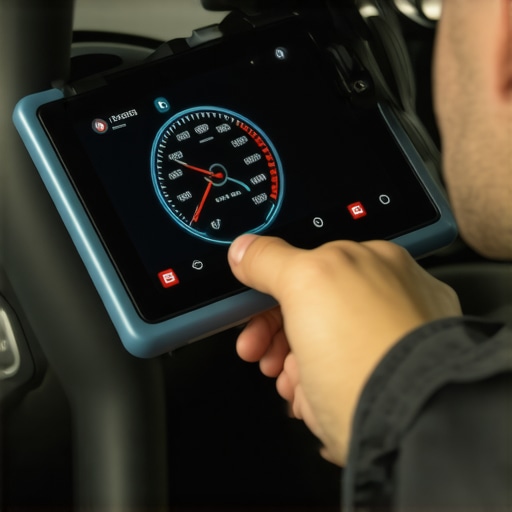
I learned the hard way that my eyes weren’t enough to judge transmission health. Now, I never touch a gearbox without a high-quality OBDII scan tool that provides live data. While most basic readers only show engine codes, I use an Autel unit because it allows me to monitor the ‘Transmission Fluid Temperature’ in real-time. If you are towing or driving in heavy traffic, you can see exactly when your fluid begins to break down. This is much more effective than guessing how to know if your transmission is overheating without a gauge. Another tool I swear by is a simple infrared thermometer. By pointing it at the transmission cooler lines, I can verify if the fluid is actually flowing through the radiator or if a blockage is slowly cooking the internal clutches. These two tools alone have saved me from the dreaded ‘limp mode’ more times than I can count.
Stop Believing the Lifetime Fluid Lie
You will often see ‘filled for life’ stamped on modern transmission pans, but this is a dangerous marketing tactic rather than a mechanical reality. According to technical documentation from ZF Friedrichshafen AG—one of the world’s largest transmission manufacturers—even their ‘maintenance-free’ units require a fluid and filter change every 100,000 kilometers (about 62,000 miles) to maintain peak performance. Ignoring this is the fastest way to experience why your car struggles to shift into second. I have found that by following a stricter schedule than the manufacturer suggests, I can maximize your cars lifespan with expert tune-up strategies that most dealerships won’t tell you about. It is all about proactive chemistry management.
How do I keep my transmission healthy for the next decade?
Consistency is more important than the method you choose. If you start a service regimen at 50,000 miles, a simple fluid change every 30,000 miles thereafter is plenty. However, if you are just starting at 100,000 miles, you might need a more aggressive approach to how to avoid major transmission repairs later. I personally recommend performing three consecutive drain-and-fills over a month rather than a single high-pressure flush on a high-mileage car. This slowly introduces new detergents without dislodging a mountain of sludge all at once. By the third cycle, your fluid will be bright red and your shifting will feel like the day you drove it off the lot. It is a patient man’s way to hit 200,000 miles without a hitch.
Precision Maintenance in the Age of High-Tech Sensors
As we look toward auto repair trends to watch in 2025, the focus is shifting toward ultra-low viscosity fluids designed for fuel efficiency. These fluids are even more sensitive to heat and contamination than the old Dexron-III we grew up with. To stay ahead, you need to be meticulous about cleanliness. Even a small grain of sand introduced through the dipstick tube can wreck a solenoid. This is why I always clean the area around the fill port with brake cleaner before opening it. If you want to save 500 on your next major service, buy the OEM fluid yourself and bring it to a trusted shop. This ensures you aren’t getting a generic substitute that could lead to torque converter shudder. My advanced tip for the week? Next time you do a fluid change, use a neodymium magnet on the outside of the pan to help trap even smaller metallic particles that the internal filter might miss.
What I Finally Learned After Three Blown Gearboxes
Through years of trial and error, I have discovered that the most expensive maintenance is the one you skip. First, if your fluid smells like burnt hair, skip the flush and stick to a gentle drain-and-fill to avoid dislodging sludge that could kill the unit. Second, always verify how to know if your transmission is overheating without a gauge because heat is the silent killer of clutches. Lastly, never ignore the ‘fine grey fuzz’ on the pan magnets; it is normal wear, but actual shards mean it is time for a professional rebuild. Being proactive with your car service checklist is the only way to stay ahead of the tow truck.
The Gear That Keeps My Garage Running Smooth
I do not believe in guessing when it comes to a $4,000 component. My go-to kit includes a Bluetooth OBDII scanner to monitor live fluid temperatures and a set of high-strength neodymium magnets to catch internal wear particles before they reach the filter. If you want to save 500 on your next major service, investing in a quality fluid extraction pump allows you to do a ‘clean’ drain-and-fill without even crawling under the car. These small investments in tools pay for themselves the first time you catch a temperature spike before it warps your valve body.
#IMAGE_PLACEHOLDER_E#
Take Control of Your Commute Before the Shudder Starts
Deciding between a transmission flush and a fluid change doesn’t have to be a guessing game. It is about matching the service to the current health of your vehicle. Whether you are driving a brand-new SUV or trying to coax another decade out of a high-mileage work truck, clean fluid is the lifeblood of your drivetrain. By staying consistent and avoiding the ‘lifetime fluid’ trap, you can join the club of drivers who actually hit 200,000 miles with the original gearbox intact. Your car takes care of you every morning; it is time to return the favor with some fresh ATF.
Have you noticed your transmission behaving differently after a long road trip or while towing? Let me know in the comments below!