
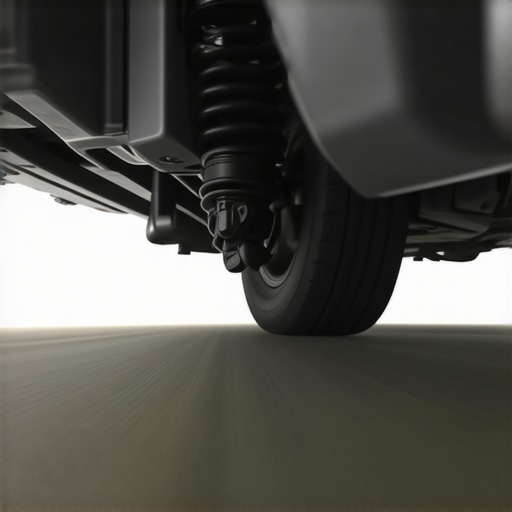
Ever been cruising along, hit a speed bump just a little too enthusiastically, and felt that unmistakable jolt? But then — surprisingly — your car bounces not once, not twice, but three times before settling down. The first time it happened to me, I thought I’d damaged something serious. It’s a gut-wrenching moment that makes you question if your vehicle is about to give out on you. I remember pulling over, inspecting everything, only to realize that the issue wasn’t as dire as I feared. That lightbulb moment sparked my personal quest to understand why some cars bounce so unpredictably after speed bumps. If this sounds familiar, you’re not alone — many drivers face this exact puzzle, and frankly, it’s more common than you think.
The Surprising Truth Behind That Bouncing Battle Dance
Is it really worth worrying about the bounce? Or just a quirky quirk of my vehicle?
Early on, I made the mistake of assuming that a bounce like this was an indication of a severe suspension failure. Turns out, it’s often a benign issue rooted in the way your car’s suspension system handles sudden jolts. The bouncing occurs because of a mismatch in how the shock absorbers and springs absorb and dampen impacts. When these components aren’t functioning perfectly, your vehicle may overshoot the dampening, leading to a series of rebounds. Interestingly, a study on vehicle dynamics reveals that worn-out shocks or struts can cause this very behavior, making your car feel like it’s doing a little dance after each bump (learn more about tune-up strategies here). This isn’t an automatic sign to replace everything, but it’s a hint that your suspension could use some attention.
One common mistake I made early on was ignoring these bouncing episodes and assuming they would resolve on their own. Spoiler alert: they won’t. The good news is, with proper inspection and some routine maintenance, this issue can be resolved, restoring your ride’s smoothness and reliability. In the next sections, I’ll walk you through the practical step-by-step methods to diagnose and fix your bouncing problem. Trust me, taking action now saves you a lot of headaches and money down the road. And, who knows — maybe after a quick tune-up, you’ll enjoy a bounceless drive that feels just like new.
}#}mLet’s explore why your car might be bouncing so enthusiastically after bumping into those pesky speed bumps. Have you experienced this yourself? If so, stay tuned — I’ll show you exactly what’s happening under the hood and how you can fix it easily and affordably.
Start with a Visual Inspection
First, safely park your vehicle on a level surface and check your tires for uneven wear or damage. Look for any visible leaks from shocks or struts, like oil spots on parts of your suspension system. During my last fix, I noticed a leaking shock absorber which was causing that unsettling rebound after bumps. Replacing worn shocks is akin to replacing faulty springs in a trampoline — it restores the bounce control and smoothness of your ride. For detailed steps on inspection, visit our troubleshooting guide.
Lift Your Car Properly
Use a hydraulic jack and secure it with jack stands for safety. Always consult your vehicle’s owner manual for proper jacking points. This step is crucial to access suspension components safely. When I lifted my car, I was able to slide under and see that one of my shocks had lost its moisture seal, leading to reduced damping capacity. Think of this like a door hinge: if it’s rusty or loose, the door swings unpredictably. Carefully inspecting and tightening or replacing these parts restores stability. Consider a comprehensive vehicle check to avoid missing hidden issues.
Check and Replace Worn Components
Remove the damaged shocks or struts by unbolting them from their mounts. Keep track of the order in which you remove parts to ensure proper reinstallation. During my fix, I found that a pair of worn shocks caused excessive bouncing. Replacing them was straightforward: unbolt, slide out, and install the new units. When replacing shocks, consider upgrading to performance shocks if you regularly drive on rough roads. This isn’t just maintenance — it’s tuning your vehicle for smoother terrain and better ride comfort. For detailed instructions, visit repair guidance.
Align and Test Your Suspension
After installation, check your wheel alignment to prevent uneven tire wear and further suspension issues. Driving with misaligned wheels replicates trying to balance a book on your head — uncomfortable and bound to cause imbalance. I took my car for a quick alignment at a trusted shop, which felt noticeably better. Proper alignment ensures your shocks work as intended, absorbing impacts efficiently. Use a level surface to perform a test drive, hitting a few familiar speed bumps to confirm the bounce has been controlled. Remember, regular maintenance is key to longevity — find out more about maximizing longevity.
Maintain and Prevent Future Issues
Keep an eye on your suspension components periodically, especially after rough roads or heavy loads. Routine inspections, such as checking for fluid leaks or damaged bushings, can prevent your car from bouncing unexpectedly. Scheduling regular maintenance appointments ensures all parts are in good shape. Remember, suspension problems aren’t always obvious until they worsen, so proactive care saves money and discomfort down the line.While most drivers understand that regular tune-ups and repairs are essential for vehicle longevity, many pitfalls stem from widespread misconceptions. One common myth is that ignoring minor engine noises or dashboard warnings doesn’t impact long-term performance. In reality, these small signs often precede costly breakdowns, as detailed in our guide on how regular tune-ups boost safety and fuel economy.
Contrary to popular belief, more frequent repairs aren’t always better. Excessive servicing can sometimes lead to unnecessary component replacements, which might introduce new issues rather than solving existing ones. The key lies in understanding the nuances of your vehicle’s condition through proper diagnostics, rather than relying on routine schedules alone. This is why a trend-aware approach is vital.
Beware of the trap of ‘one-size-fits-all’ maintenance plans, which often overlook specific usage patterns and driving conditions. For example, a vehicle driven mainly in urban stop-and-go traffic requires different maintenance than one used predominantly for highway trips. An advanced mistake many make is neglecting the importance of customized tune-up strategies tailored to individual needs.
For those interested in more sophisticated engine care, consider the significance of brake system nuances. Many overlook that brake issues can influence more than stopping power—it can affect steering and vehicle balance over time. Recognizing subtle symptoms early can prevent extensive repairs.
In addition, a common oops is neglecting the impact of environmental factors like road salt or extreme temperatures on vehicle parts, which accelerate wear and corrosion. Implementing protective measures and timely inspections can save you from costly replacements later.
Have you ever fallen into this trap of overlooking small yet critical signs? Let me know in the comments, and remember that understanding these nuanced aspects of auto maintenance can truly extend your vehicle’s lifespan and performance.
Maintaining your vehicle over the long haul requires more than just periodic visits to the mechanic. Equipping yourself with the right tools and knowing the best techniques can save you time, money, and a lot of frustration. As someone deeply invested in auto care, I can attest that having a reliable set of equipment and software not only makes routine maintenance easier but also empowers you to catch issues early before they escalate into costly repairs.
Why I Trust a Quality Multimeter
A high-precision multimeter has become my go-to tool for diagnosing electrical issues. I personally use a digital clamp meter because it allows me to measure alternator output, battery voltage, and even check the voltage drop across various sensors without disconnecting components. For ongoing diagnostics, I rely on multimeters that offer auto-ranging features, which simplify testing and increase accuracy. Proper electrical diagnostics can prevent a host of problems, from mysterious engine stalls to battery drain, and this tool is indispensable for proactive maintenance. To deepen your understanding, check out this guide on testing your vehicle’s components.
Premium Jump Starters and Battery Analyzers
In my toolkit, a portable jump starter is critical. I prefer models with integrated USB ports and LED flashlights because they come in handy during roadside emergencies. Analyzing your battery’s health regularly helps you avoid unexpected breakdowns; I use a digital battery tester that provides instant health reports, including surface charge and capacity. These tools are especially important in extreme weather, where batteries tend to weaken faster. Reliable testing can inform you when it’s time to replace an aging battery, saving you from future push-starts or worse, being stranded. Visit this article on battery upkeep for more nuances.
Automotive Software for Diagnostics and Scheduling
Beyond physical tools, I heavily rely on automotive diagnostic software to decode check engine lights and monitor real-time sensor data. Using an OBD-II scanner paired with a smartphone app enables me to read fault codes and clear them after repairs. I also schedule maintenance proactively by setting reminders based on actual vehicle data, rather than arbitrary intervals. This approach ensures my car gets attention exactly when needed, rather than wasting resources on unnecessary service. As the industry shifts toward connected car solutions, gadgets like Bluetooth OBD readers will soon be standard equipment for conscientious owners. For a comprehensive look at online maintenance planning, see this guide on regular tune-up benefits.
Scaling Your Auto Care Routine for Longevity
Looking ahead, I predict that integrating these tools with AI-driven diagnostics and predictive analytics will revolutionize vehicle maintenance. Imagine receiving alerts about component wear before symptoms even manifest, all thanks to data collected and analyzed by smart software. To stay ahead of the curve, I recommend investing in comprehensive programs that combine physical tools with digital solutions. This fusion not only extends your vehicle’s lifespan but also maintains peak performance, offering peace of mind on every journey. Curious? Try calibrating your multimeter tomorrow and see how early detection can make a difference in your auto care routine. For more insights into future trends, explore this forward-looking article.
How do I maintain my tools over time
Proper tool maintenance is crucial for ensuring accuracy and longevity. For electrical testers and multimeters, always keep the probes clean and store the device in a dry, dust-free environment. Regularly calibrate digital equipment using manufacturer-recommended procedures or professional calibration services—many laboratories can perform precision adjustments. Mechanical tools like wrenches and jack stands should be inspected for rust or deformation and lubricated periodically with manufacturer-approved oils. Remember, a well-maintained toolkit is a dependable companion for countless repairs and diagnostics. Want to get the most out of your gear? Regularly test your multimeter with a known voltage source every few months, following techniques outlined in this troubleshooting guide. Start incorporating this simple routine today, and watch your auto maintenance skills flourish.
Lessons That Changed My Auto Care Perspective
One of the hardest truths I learned is that not every bouncing or unusual ride quality signals a catastrophic failure; sometimes, it’s just a sign that your suspension needs a gentle touch of attention. I once ignored a subtle bounce after a pothole, dismissing it as minor, only to discover later that a worn shock had been silently causing uneven tire wear and compromised safety. That moment taught me to trust my instincts but verify with proper inspection—it’s a lesson that’s saved me from costly repairs and dangerous situations. Additionally, I realized that routine maintenance, like simple checks on shocks and struts, can reveal hidden issues before they escalate, emphasizing the importance of proactive care over reactive fixes. Lastly, I understood that investing in quality tools, such as a reliable multimeter, empowers me to diagnose electrical glitches that might otherwise be overlooked, ensuring my vehicle runs smoothly and safely for years to come. These insights reshaped my approach to auto maintenance, highlighting patience, education, and consistency.”
Tools and Knowledge That Keep My Car in Top Shape
Over the years, I’ve come to rely on a few trusted resources that have transformed how I care for my vehicle. First, this essential guide to tune-up essentials offers practical advice rooted in real-world experience, helping me prioritize what needs attention and when. For electrical diagnostics, a high-quality digital multimeter has been indispensable—especially models with auto-ranging capabilities and durable leads—allowing me to troubleshoot issues like battery drains or sensor faults confidently. When it comes to battery health, I trust battery testers that provide quick, accurate readings. Additionally, a portable jump starter with integrated USB ports is a game-changer during roadside emergencies, offering peace of mind. These tools, complemented by educational sources like industry trend articles, keep my auto care routine sharp and effective. Trusting these resources means I can address issues before they grow and keep my vehicle performing at its best.”
Your Path to Confidence Behind the Wheel
Remember, mastering basic maintenance steps like inspecting suspension, replacing worn shocks, and understanding your vehicle’s specific needs isn’t just about saving money—it’s about reclaiming control over your driving experience. Don’t let the fear of complexity hold you back; with the right knowledge, tools, and a proactive mindset, you can tackle many issues with confidence. Each step you take toward understanding your car’s behavior makes your journeys safer and more enjoyable. So, why not start today? Grab that multimeter, check your shocks, and get familiar with your vehicle’s condition. The more you learn, the more empowered you’ll feel every time you turn the key. Your vehicle is an extension of you—treat it with the care and attention it deserves, and it will reward you with reliable, smooth rides for miles to come.