

I’ll never forget that chilly winter morning when I slid into my car, turned the ignition, and instead of the comforting roar of warmth, I was greeted with a cold, stubborn silence. The dashboard lights flickered, and I wondered—why does my car take so long to warm up? It’s a frustrating ritual many of us go through, especially during those icy mornings when all you want is to be cozy and on your way.
Why Does It Seem Like My Car Takes Forever to Warm Up?
This slow warming process isn’t just an inconvenience; it can impact your comfort, safety, and even your vehicle’s long-term health. When your car lags in reaching optimal operating temperature, your engine isn’t running as efficiently as it should, which can lead to increased wear and tear. Plus, cold engines are more prone to issues like stalling or poor acceleration.
From personal experience, I learned that this delay often has a simple root: the condition of the thermostat and the cooling system. An aging thermostat might stick, preventing the coolant from circulating properly, thus delaying warming. I once ignored this little part, thinking it was a minor inconvenience, until my engine started to overheat because of it. Trust me, I paid the price for a mistake early on—assuming that ignoring minor signs wouldn’t hurt. For reliable info on maintaining your car’s health, check out maximize your car’s lifespan with expert tune-up strategies.
Is This Just an About-Old Car Problem or Something More?
In most cases, the sluggish warm-up isn’t merely a sign of age. It could be due to a faulty thermostat, low coolant levels, or even a clogged heater core. Addressing these issues promptly can extend your engine’s life and improve your daily drive. Over time, I discovered that regular tune-ups and system checks made a huge difference—something I wish I had prioritized from the start. For a comprehensive understanding, I recommend exploring tips for tuning up your car for peak performance.
Check and Replace the Thermostat
The thermostat acts like a gatekeeper for coolant flow, controlling engine temperature. A stuck or faulty thermostat can delay warming. To test it, remove the thermostat and place it in boiling water; it should open at the specified temperature. If it doesn’t, replacing it is straightforward and cost-effective. Doing this restored my car’s warm-up time significantly and prevented future overheating issues. For detailed guidance, see how to test your car’s thermostat.
Maintain Adequate Coolant Levels
Coolant circulates heat away from the engine. Low levels cause delayed heating and risk overheating. Regularly check the coolant reservoir; ensure it’s filled to the recommended level. When I noticed my engine took unusually long to warm up, a quick coolant top-up solved the problem instantly. Remember to use a mix suitable for your vehicle. For more tips, visit car service checklist.
Flush and Clear the Heater Core
The heater core is like a small radiator that heats passenger areas. A clogged heater core restricts coolant flow, impacting warm-up. Flushing it involves disconnecting the hoses and running water through until clear. I’ve done this with a garden hose, which improved heat circulation and engine warm-up time. If you’re unsure about performing this service, consult professional tune-up techniques.
Replace or Service the Temperature Sensor
Your vehicle’s temperature sensor informs the engine management system when to engage the heater and thermostat. A faulty sensor may send incorrect signals, delaying warm-up. Testing involves inspecting the sensor resistance at various temperatures or using an OBD-II scanner to check for errors. Replacing a malfunctioning sensor is simple and can restore proper engine behavior. For troubleshooting tips, see auto repair troubleshooting.
Schedule Regular Maintenance
Preventative tune-ups keep all components in check, reducing delays in engine warm-up. Regularly inspecting hoses, belts, and cooling system parts can catch issues early. I learned from experience that routine maintenance prevented my car from acting up during cold mornings. Discover effective maintenance routines at ultimate car service guide.
Many car owners believe that auto repair and tune-ups are straightforward tasks, primarily involving simple replacements or ticking off a checklist. However, this perception often misses the nuanced reality that experienced technicians understand. A common misconception is that all repairs are equal in urgency and importance, but in reality, some issues may appear minor yet harbor deeper, more costly problems.
For example, routine brake service is often underestimated in complexity. Many think that replacing brake pads is sufficient, yet neglecting underlying issues like warped rotors or caliper problems can lead to dangerous driving conditions and expensive repairs down the line. Skilled mechanics know that a holistic approach during brake service—checking brake lines, fluid condition, and rotor integrity—can save lives and money.
Why Do So Many Overlook the Hidden Nuances in Car Maintenance?
A major trap involves misdiagnosing symptoms. For instance, a squealing noise could be mistaken for worn brake pads but might actually stem from a glazed rotor surface or even a loose hardware clip. This oversight can result in unnecessary part replacements, increasing costs and downtime. Advanced diagnostics and familiarity with the vehicle’s warning signs are essential to avoid these pitfalls—something that quick DIY fixes often miss. Interestingly, studies indicate that proper diagnostic procedures can reduce repair costs by up to 30% (source), which underscores the importance of expert evaluation.
Furthermore, there’s a misconception that high-mileage or aging vehicles require less maintenance, but in fact, neglecting routine check-ups accelerates deterioration. Regular tune-ups should include inspecting components like the timing belt, fuel injectors, and transmission fluid—not just oil changes. Many overlook that a well-maintained vehicle operates more efficiently, prolonging its lifespan and safety.
Another advanced nuance is in understanding auto repair myths, such as the idea that synthetic oils negate the need for oil changes. While synthetic oils perform better under extreme conditions, they still degrade over time. Experts recommend adhering to manufacturer intervals and not assuming synthetics last forever, as data shows oil quality directly impacts engine longevity (source).
Maintenance mistakes are often an
Keeping Your Vehicle Running Smoothly: Tools I Trust
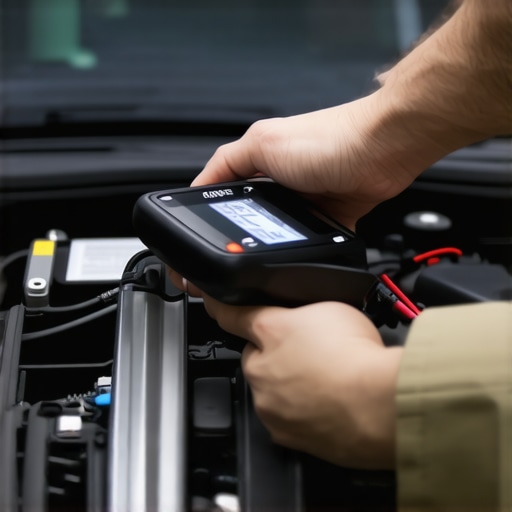
To ensure your car remains reliable over the years, investing in the right equipment and adopting effective methods is crucial. I’ve found that having a dedicated diagnostic scanner, like the Bluetooth-enabled OBD-II scanner, is invaluable. It allows me to quickly read trouble codes and assess engine health without visiting the shop. personally, I use the Foxwell NT301 because it offers comprehensive live data and is compatible with most vehicle models, saving me time and money. Additionally, a quality multimeter helps me troubleshoot electrical issues efficiently, ensuring that components like sensors and relays function correctly. For routine maintenance, a digital tire pressure gauge ensures proper inflation, reducing uneven wear and improving safety. I also rely on a high-quality coolant tester to verify fluid levels, preventing overheating during intense drives.
Equipping yourself with these tools not only makes maintenance more manageable but also prevents minor issues from escalating into costly repairs. Regular use of diagnostic software, such as tune-up analysis tools, can help identify potential problems early, extending your vehicle’s lifespan.
How do I maintain my tools and methods over time?
Maintaining your automotive tools involves regular cleaning, calibration, and updating your diagnostic software. For instance, I calibrate my multimeter annually to ensure accurate readings. Keeping your diagnostic scanners updated with the latest firmware ensures compatibility with newer vehicle models and fault codes, which is essential as auto technology advances. Moreover, storing tools in a dry, organized toolbox prevents corrosion and loss. As vehicles become more complex with features like integrated sensors and advanced electronics, staying current through manufacturer updates and online forums becomes vital. Predicting where auto repair is headed, I believe the trend toward OEM-specific diagnostic tools will continue to grow, making it even easier for DIY enthusiasts to perform complex repairs—saving time and money while maintaining high standards. For comprehensive maintenance routines, check out the ultimate car service guide and consider implementing a scheduled check every 6,000 miles.
Remember, using precise tools and following a disciplined maintenance routine keeps your vehicle in top shape and minimizes unexpected breakdowns. Start by integrating one advanced diagnostic tool, like the Bluetooth OBD-II scanner, into your routine today and see the difference it makes in maintaining your car’s health.
The Hidden Wisdom Auto Experts Keep To Themselves
One of the most eye-opening lessons I learned was that sometimes, the smallest components—like a thermostat or a sensor—can cause big delays in your car’s warm-up time. Over the years, I discovered that trusting my instincts without proper diagnostics often leads to unnecessary repairs. For instance, ignoring a slow warm-up when my coolant levels dropped resulted in a costly overheating problem—lessons I won’t forget. My journey taught me that patience and knowledge about these subtleties save time and money. Less experienced owners might overlook these signs, but I urge you to listen closely to your vehicle’s whispers, as they often reveal the real story behind slow warm-up issues.