
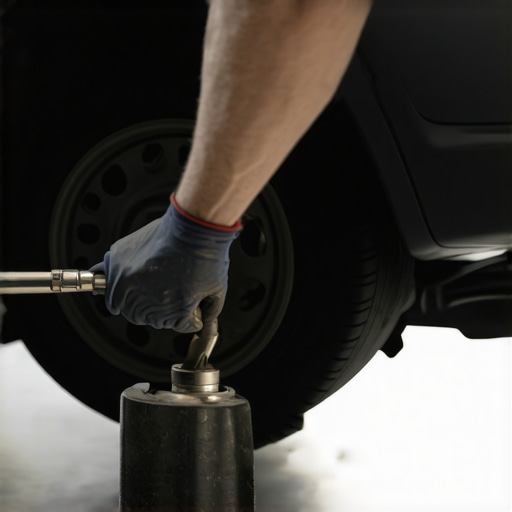
Ever stood in front of your car, pedal down, hoping for that reassuring firmness, only to be met with a spongy, unreliable sensation? I’ve been there. I remember my first attempt at bleeding brakes — a confusing mess that left me questioning my skills and my vehicle’s safety. It was a frustrating moment that made me realize I was doing it all wrong, and that small mistake could have had big consequences.
Why Getting the Sequence Right Matters When Bleeding Your Brakes
After countless trials and errors, I discovered that the order in which you bleed your brakes makes all the difference. A proper sequence ensures that air is expelled efficiently, preventing future sponginess and giving you that solid, confident pedal feel we all want. Skipping steps or rushing the process can leave air trapped, which diminishes braking performance and compromises safety. Believe me, I learned this the hard way — early on, I thought I could save time by skipping the recommended sequence, but it only led to more bleeding and frustration.
Got Your Heart Set on a Firm Brake Pedal? Here’s What We’ll Cover
Today, I’ll walk you through the proven best order to bleed your brakes, based on experience and trusted mechanics. We’ll look at the typical brake system layout, discuss common pitfalls, and ensure you’re armed with knowledge to do it confidently right at home. Whether you’re a DIY enthusiast or just want to understand your car better, mastering this order is a game-changer.
Let’s make sure your brakes work as safely and effectively as they should. Ready to get that pedal feeling firm and reliable? Great! If you’ve ever faced trouble bleeding your brakes or fear you might make a mistake, know you’re not alone. Many car owners make common errors early on — one mistake I made was ignoring the proper sequence, which led to more issues. To learn more about common pitfalls that could cost you time and money, check out this troubleshooting guide.
Now, let’s get started on the step-by-step process that will transform your brake bleeding experience from a headache into a straightforward task.
Begin with the Master Cylinder
Start by ensuring your master cylinder reservoir is filled with fresh brake fluid. This is like priming a pump; if it’s empty or old, bleeding becomes ineffective. I once skipped this step, thinking I could top off later, but it led to air pockets lingering in the system, prolonging the process. Always double-check the fluid level before proceeding to avoid this mistake.
Work Through Each Brake Wheel
Follow the Manufacturer’s Recommended Order
Typically, the sequence goes from the wheel furthest from the master cylinder to the closest: right rear, left rear, right front, then left front. This order minimizes the chance of air trapped in the high points of the system. I remember doing it randomly, leading to persistent spongy brakes, but once I switched to the correct sequence, the pedal firmed up noticeably, saving me time and effort.
Loosen and Tighten Bleeder Valves Correctly
Attach a clear hose to the bleeder screw, submerging the other end in a container of clean brake fluid or isopropyl alcohol to prevent contamination. Open the valve slightly—don’t force it—while pressing the brake pedal. When releasing, close the valve before lifting your foot off the pedal. This practice prevents air getting sucked back into the system. During my first attempt, I kept the valve open too long, causing air to re-enter, but after learning this, my bleeding time halved.
Maintain Fluid Levels Throughout
Keep an eye on the master cylinder reservoir—running low during bleeding pulls air back into the system, undoing your work. I once forgot to top off and had to redo the process. To avoid this, set a reminder to check fluid levels every few minutes. Clear visibility and steady pressure ensure air is expelled effectively, leading to a pedal that feels solid.
Use the Power of Gravity When Needed
If you have a one-person setup, elevating the vehicle allows gravity to assist air escape. Loosen the bleed screw slightly, then pump the brake or let gravity do its job. This method reduces manual effort and speeds up bleeding. I found it particularly useful when working on hard-to-reach brakes or when dealing with stubborn air pockets.
Check for Consistent Firmness
Once all wheels are bled, pump the brake pedal multiple times until it feels firm and consistent. If it remains spongy, repeat the bleeding process, focusing on any wheel where the pedal softens first. Remember, air can hide in small crevices or residual dead zones, so patience and attention to detail are key.
Final Steps and Safety
After bleeding, test drive cautiously to verify braking performance. If the pedal feels soft or sinks to the floor, recheck your work. Always dispose of old brake fluid responsibly, as it is toxic. Incorporate routine checks by referencing guides like car maintenance checklists to keep your brakes in top condition.
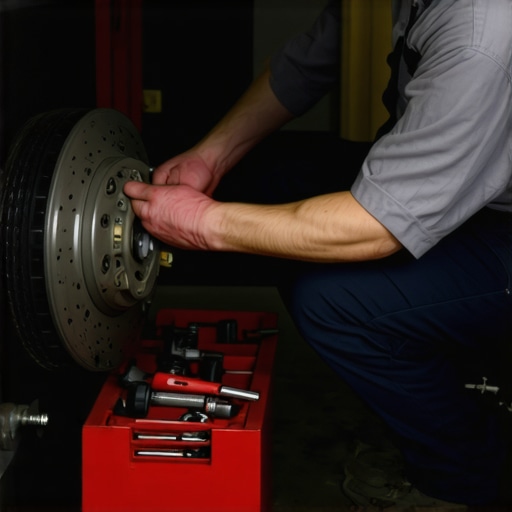 When it comes to car maintenance, many believe they have the basics down but often miss the nuances that can make a significant difference in performance and safety. A prevalent misconception is that a simple tune-up is just changing spark plugs and a few fluids. In reality, expert car care involves understanding the systems’ interdependencies, like how a neglected timing belt can lead to engine failure, or how faulty sensors might not trigger a warning but still impair fuel efficiency. Relying solely on dashboard lights doesn’t guarantee optimal performance; a thorough diagnostic check often uncovers hidden issues. \nAnother common myth is that all brake pads are created equal. However, premium brake pads with proper bedding improve stopping power and reduce noise, especially vital in emergency situations. One trap to avoid is delaying repairs for symptoms like squealing brakes, which often indicates more severe problems like rotor warping or caliper sticking — issues that require prompt attention to prevent more costly damage. \n**Advanced tip**: Many assume that fluid flushes are unnecessary unless there’s an obvious leak or malfunction. Yet, regular hydraulic system maintenance, including brake fluid replacement, prevents moisture buildup, reduces corrosion, and extends component life. Studies, such as those reviewed by automotive experts at Glass Fix Auto, demonstrate how proactive maintenance enhances safety and fuel economy. \nSo, next time you think a quick fix will do, consider the broader picture. Are you neglecting subtle signs of wear? Have you ever fallen into this trap? Let me know in the comments. Knowing these nuances can save you money and keep your vehicle in top shape longer.
Gear Up with Proven Equipment for Auto Maintenance
Maintaining your vehicle’s performance over time demands the right set of tools and methods. I personally swear by a high-quality digital multimeter; it helps me diagnose electrical issues quickly without guesswork. An auto-dimming inspection mirror is another game-changer, allowing me to see into tight spots like behind the engine or beneath the vehicle—saving me from unnecessary disassembly. When it comes to brake systems, I rely on a professional-grade brake bleeder kit, like the Mityvac EV-100, which makes bleeding brakes a breeze even solo, as detailed in this comprehensive guide.
Why I Trust Specific Tools for Long-Term Results
Having a reliable torque wrench, such as the Tekton 1/2-inch drive, ensures fasteners are tightened to manufacturer specs, preventing issues like bolt loosening or damage. I also include a portable scan tool—my choice is the BlueDriver Bluetooth adapter connected to my smartphone—which provides real-time diagnostics and helps me catch potential problems early, aligning with future automotive trends discussed in this article. Regularly updating my toolkit keeps me ahead in maintenance, reducing costly repairs down the line.
How do I maintain my tools and systems over time?
Proactive maintenance of your tools is as crucial as caring for your vehicle. Keep electrical tools like multimeters and scanners recalibrated as recommended by the manufacturer to ensure accurate readings. Store mechanical tools in a dry, organized space to prevent rust and damage. Periodically check and replace consumables—like brake fluid in the bleeder kit—to maintain their efficacy. Investing in quality tools might seem costly initially, but it pays off through durability and precision, leading to better long-term results. For comprehensive maintenance checklists, be sure to review this guide.
The Future of Auto Maintenance Tools
Emerging technologies such as AI-powered diagnostic systems and advanced sensor integration promise to make car care more intuitive and efficient. As these tools become more accessible, even DIY enthusiasts can perform complex repairs with confidence. Staying informed about these trends through trusted resources will help you choose the best equipment and techniques for the long haul.
Ready to elevate your maintenance game? Try out an advanced diagnostic scan with your smartphone-connected tools. It’s a simple step that can reveal hidden issues before they escalate, saving time and money. For detailed guidance on using diagnostic tools, consult this article.
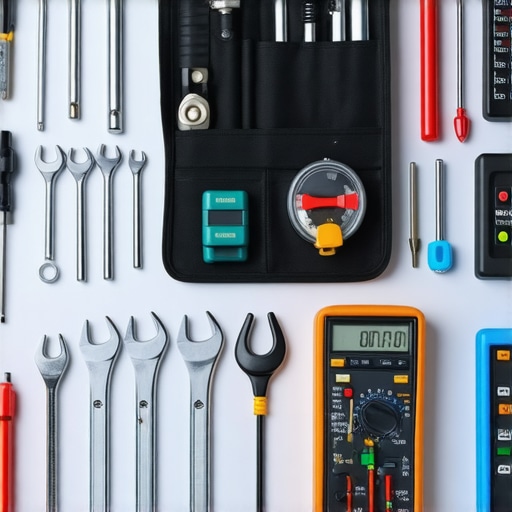
Proper maintenance is a blend of the right tools, consistent care, and staying updated on the latest tech. By investing in quality equipment and following proven methods, you can keep your vehicle in top shape for years to come. Want to dive deeper into routine checks and maintenance routines? Explore future-ready repair trends to stay ahead.
The Hard-Earned Wisdom Behind Proper Brake Bleeding Techniques
Over the years, I’ve learned that one of the most critical yet often overlooked aspects of vehicle maintenance is the sequence in which you bleed your brakes. Rushing through or skipping steps can leave you with a pedal that feels less than confident, compromising safety and driving enjoyment. My lightbulb moment was realizing that patience and attention to detail in this process transform a frustrating chore into a straightforward task. Embracing the correct sequence not only expedites the job but also ensures long-lasting, reliable braking performance.
My Secret Weapons for Effective Auto Repair
For those looking to elevate their car maintenance game, I recommend tools like the Mityvac EV-100 brake bleeder kit, which simplifies the process, especially solo. A high-quality digital multimeter helps diagnose electrical issues that might cause brake light warnings or sensor delays, allowing for comprehensive care beyond just bleeding. And don’t forget a sturdy torque wrench to ensure fasteners are tightened to spec, preventing future leaks and failures. These tools have become my trusted allies in maintaining a safe and reliable vehicle.
Keep Your Drive Safe and Sound with Thoughtful Regular Care
Safety isn’t a one-time check; it’s an ongoing commitment. Regularly inspecting your brake system, fluid levels, and equipment helps prevent small issues from escalating. Incorporate diagnostic scans, use quality replacement parts, and follow maintenance schedules outlined in trusted guides like the car maintenance checklist. Staying proactive and not waiting for warning lights to flash will save you money and, most importantly, lives. Make it a habit—your future self will thank you for it.
Insider Truths from My Brake-Bleeding Journey
- Skipping the recommended sequence seemed like saving time, but it often doubled my efforts later when trapped air kept returning. Lesson learned: respect the process.
- For stubborn air pockets, elevating the vehicle or gravity bleeding can significantly cut down on manual pumping, making the job less tiresome and more effective.
- Consistently checking the fluid level—a simple step—prevents the need to redo the entire bleed cycle. Small details matter more than most realize.
- Filing the reservoir with fresh, clean brake fluid before starting ensures a smooth, effective bleed, preventing recontamination and additional work.
- Patience pays off; multiple pumps and careful tightening prevent air re-entry, leading to a pedal that feels firm and safe.
Secure Your Peace of Mind with Proven Maintenance Tools
Having reliable gear makes all the difference. I rely on a professional-grade brake bleeder kit to streamline the process, especially when working solo. A smart scan tool like BlueDriver keeps my diagnostics sharp, catching issues early. For mechanical work, I trust my torque wrench to tighten components correctly. Maintaining these tools properly prolongs their lifespan and keeps my vehicle running safely—an investment worth making.
Keep Moving Forward with Confidence and Curiosity
Innovation in auto repair continues apace, with AI diagnostics and sensor-driven insights just around the corner. Staying informed about these advancements allows you to enhance your DIY capabilities and avoid costly repairs. Embrace the journey—use your diagnostic tools for peace of mind, and don’t hesitate to explore new methods. Every step you take builds your skills and secures your vehicle’s future. Ready to take your brake maintenance to the next level? Share your challenges or successes below—your experience might just inspire someone else to get it right the first time.