
I remember driving my first ‘fancy’ car—a used 2012 sedan with a massive glass roof. I felt like a king until I hit 40 mph. Then, the tapping started. Tap. Tap-tap. Squeak. It sounded like a woodpecker was trying to break into my cabin. I turned the radio up, but the vibration felt like it was inside my skull. I tried stuffing a folded napkin into the seal. It didn’t work. It just looked tacky and eventually flew out the window on the interstate. That was the moment I realized luxury is worthless if it sounds like a bag of loose bolts. If you are dealing with that persistent rhythmic chatter above your head, I feel your pain. But here is the good news: you do not have to replace the whole assembly. We are going to silence that noise today with a fix so simple you will wonder why you waited six months to do it. Have you ever found yourself shoving cardboard into your roof tracks just to get some peace on the highway?
The Real Reason Your Sunroof Won’t Stay Quiet
Most people assume a rattle means something is broken, but in my experience, it is usually just a case of ‘dry-out.’ Your sunroof is a heavy piece of glass sitting in a metal frame, held in place by rubber seals and plastic guides. Over time, those seals lose their moisture and the lubricants on the tracks turn into a sticky, dust-filled mess. When I first started working on my own cars, I made the classic mistake of spraying WD-40 into the tracks. Do not do that. It is a solvent, not a long-term lubricant, and it actually stripped away the remaining factory grease, making the rattle ten times worse. To get things right, you need to think about this as part of your regular car service routine rather than a major emergency. According to data from the National Highway Traffic Safety Administration (NHTSA), many sunroof complaints actually stem from debris in the drainage tubes or loose mounting hardware caused by road vibrations. It is a common annoyance, but it is one you can often handle while troubleshooting common auto repair issues in your own driveway.
Can a five-dollar bottle of lubricant actually solve this?
It sounds too good to be true, but most rattles are just ‘micro-vibrations’ where the glass meets the seal. When the rubber gets dry, it grips and releases the glass instead of letting it sit snugly. This creates that chattering sound. Much like how you might fix a sticky gear shifter with a little bit of targeted lubrication, a sunroof often just needs the right kind of silicone grease to behave again. If you have been ignoring it because you are afraid of a massive bill, take a breath. We are going to look at the tracks, the seals, and those tiny little screws that love to vibrate loose over time as part of a proper car service checklist. Setting the stage for a quiet cabin starts with understanding that your car is a moving puzzle, and sometimes the pieces just need a little help fitting back together tightly.First, you need to open that roof all the way and grab a microfiber cloth. Think of the tracks like the gutters on your house; if they are full of grit, nothing moves smoothly. Wipe out the old, blackened grease until you see bare metal. It is messy, but essential. Once, I skipped this and just added new grease on top of the old dirt. It turned into a grinding paste that sounded like sandpaper on glass. Don’t be like past-me. Check your car service checklist to ensure you are not missing other debris-prone areas.
Find the Tiny Screws Causing Big Noises
Next, grab a set of Torx bits. In most cars, the sunroof glass is held to the lifting mechanism by four to six small screws. I spent three hours on a customer’s SUV once, convinced the motor was dying, only to realize a single T20 screw had backed out half a thread. It was vibrating against the bracket like a tuning fork. When you are troubleshooting common auto repair issues, the simplest mechanical connection is usually the culprit. Snug them down, but do not go Hulk on them—you are dealing with glass and thin aluminum. 
Apply the Right Lubricant to the Right Spots
Now, we get to the actual ‘silencing’ part. You need high-quality silicone grease, not the liquid stuff that drips everywhere. Apply a thin bead to the rubber seals where they contact the car body. This is a similar technique to how you would fix a sticking power window with a can of silicone spray, but for the sunroof, the paste lasts much longer. It creates a ‘sliding’ surface so that when the body of the car flexes—like when you pull into a steep driveway—the glass can move slightly against the seal without squeaking or popping.
Don’t Forget the Drainage Tubes
While you are up there, look for the small holes in the front corners of the assembly. These are your drains. If they clog, water sits in the track, rusts the hardware, and creates a swampy smell. You can use a piece of weed-whacker line to gently poke through any blockages. Maintaining these small details is just as important as a tune up your car for peak performance because a leaky sunroof can lead to electrical nightmares. If you are unsure if the noise is mechanical or just a lack of maintenance, learning how to tell if your car needs a simple tune-up or a major repair will save you hundreds in diagnostic fees. Think of this as the final touch to your cabin’s comfort. Just as a maximize your cars lifespan with expert tune-up strategies approach keeps the engine quiet, this keeps your nerves calm.This mindset of focusing on the ‘friction points’—whether it’s a sunroof seal or a brake slide pin—is where most DIYers and even some shops fail. Everyone wants to talk about the big-ticket items, but the real magic happens in the nuances. For instance, when it comes to understanding brake system repairs, there is a common myth that buying the most expensive ceramic pads guarantees a silent ride. In my experience, the brand of the pad matters far less than the preparation of the caliper. I have seen high-end pads scream like banshees simply because the technician failed to wire-brush the rust off the mounting brackets or skipped the secret to making your brake pads last twice as long by properly lubricating the contact points.
Why New Brake Pads Often Fail to Stop the Squealing
Most people assume a squeal means the pads are worn out, but often it is just ‘harmonic vibration.’ If you do not apply a high-temp brake paste to the back of the pads, they vibrate against the piston at a frequency that sounds like a whistle. This is the same logic we used for the sunroof: if you do not manage the surface-to-surface contact, you get noise. One massive ‘trap’ to avoid is using petroleum-based grease on rubber components like slide pin boots. It will cause the rubber to swell and seize the caliper, eventually leading to a situation where your car pulls to one side only when you hit the brakes. Always stick to silicone-based lubricants for anything involving rubber seals or boots. 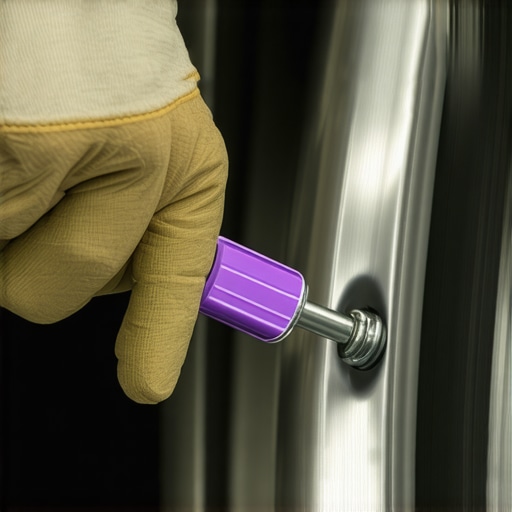
The Hidden Nuance of the Modern ‘Tune-Up’
When I hear someone say they need a ‘tune-up,’ they usually mean spark plugs. But on modern fuel-injected engines, the computer is doing most of the ‘tuning’ for you. A real pro knows that a dirty mass airflow sensor can trigger a lean code error long before your spark plugs actually fail. If your car feels sluggish, don’t just throw parts at it. This is where troubleshooting common auto repair issues becomes an art form. According to a study by the Car Care Council, roughly 80 percent of vehicles on the road are in need of at least one service or repair, often because owners overlook these ‘invisible’ maintenance items like sensor cleaning or fluid pH testing.
Does your car need a digital ‘handshake’ after a basic service?
This is a question I get from more advanced DIYers. With auto repair trends to watch in 2025, almost every mechanical fix now requires a software reset. If you replace a battery or a throttle body without ‘re-learning’ the idle through the computer, the car might run worse than before you fixed it. It is no longer just about turning wrenches; it is about knowing when to use a scan tool to tune up your car for peak performance. Whether you are chasing a rattle in the roof or a shimmy in the pedal, remember that the smallest details—the grease, the cleaning, and the calibrations—are what separate a ‘fixed’ car from a truly restored driving experience. Have you ever fallen into the trap of replacing a perfectly good part only to find the noise was still there? Let me know in the comments below, and let’s figure out that ‘ghost’ in your machine together.To really stay ahead of the game, you need to stop thinking about your car as a collection of parts and start seeing it as a living system that needs specialized care. If you want to avoid that heart-sinking rattle returning in six months, you have to invest in the right gear. I personally stopped using those generic $20 code readers years ago. They are fine for clearing a gas cap light, but if you want to perform a proper tune up your car for peak performance, you need a bi-directional scan tool like the Autel MS906 or a Launch X431. Why? Because these tools allow you to actually talk to the sunroof motor or the brake ABS module. You can command the sunroof to ‘re-learn’ its stop positions or cycle the ABS pump to purge old, moisture-heavy fluid that a manual bleed might miss. This level of precision is why I always tell people to how to tell if your local mechanic actually has the tools for a proper ADAS calibration before handing over the keys. If they aren’t using professional-grade electronics, they are just guessing. 
The Secret Weapons in My Professional Toolbox
Aside from electronics, the ‘magic’ in my garage comes from specific chemistry. For those sunroof seals, I swear by Krytox GPL 205. It is an aerospace-grade fluorinated grease that does not react with rubber and will not wash away in the rain. It is the same stuff recommended in BMW Technical Service Bulletin (TSB) SI B54 04 05 to solve persistent creaking in panoramic roofs. Using the wrong grease is one of the most troubleshooting common auto repair issues people create for themselves. When you apply the right lubricant to the right surface, you aren’t just fixing a noise; you are maximize your cars lifespan with expert tune-up strategies that prevent mechanical wear on the motors and cables.
How do I maintain my car’s silence and performance over time?
Maintenance is not a one-time event; it is a seasonal rhythm. Every spring, I spend twenty minutes cleaning out the debris from the cowl and the sunroof drains using a flexible nylon brush. This prevents the swamp-smell and the electrical shorts that occur when water backs up into the A-pillars. For the brakes, I pull the wheels every 10,000 miles just to inspect the slide pins. If the grease is starting to look like chocolate milk, I wipe it clean and apply fresh silicone paste. This simple habit helps you avoid the real cost of skipping your 100000 mile major service later on. By the time that big milestone hits, most cars are falling apart, but yours will feel like it just rolled off the lot because you handled the micro-repairs along the way. Looking toward the horizon, I see auto repair trends to watch in 2025 shifting heavily toward predictive maintenance apps that sync directly with your car’s ECU. We are moving toward a world where your car will tell you it needs a specific lubricant before you ever hear a squeak. For now, take my advice: grab a tube of high-quality silicone grease and a decent scan tool. Your car—and your sanity—will thank you.
Everything I Wish Someone Told Me Before I Picked Up a Wrench
Over the years, I have learned that the loudest noise in a car usually comes from the smallest oversight. One of the biggest myths is that a rattle always requires a parts cannon; in reality, a simple cleaning and a dab of the right lubricant often do more than a $500 replacement. It is also vital to recognize when the DIY approach needs a professional touch, which is why knowing if your car needs a simple tune-up or a major repair can save your weekend and your wallet. Lastly, never underestimate the power of documentation. Keeping a log of your maintenance helps you spot patterns, like why your car battery dies every two years, before you are stranded in a parking lot.
The Short List of Gear That Actually Saves You Money
You do not need a shop full of industrial equipment, but a few specific items are non-negotiable for a smooth-running vehicle. First, get a high-quality multimeter; it is the only way to truly know what is going on with your electrical system, and you can easily learn how to test your alternator with a simple multimeter at home. Second, invest in the silicone-based grease I mentioned earlier; it is a lifesaver for everything from sunroofs to making your brake pads last twice as long. Finally, keep a basic set of trim removal tools and Torx bits handy. These allow you to access hidden screws without scarring your interior plastics, which is essential when you are hunting down those elusive dashboard squeaks.
Your Journey Toward a Perfectly Running Machine Starts Now
Maintenance is a conversation between you and your vehicle. When you take the time to listen and provide the care it needs, you are doing more than just fixing a noise; you are choosing to maximize your car’s lifespan with expert tune-up strategies. Don’t let a small rattle or a soft brake pedal discourage you from the joy of driving. Every time you perform your own car service, you gain a deeper understanding of the machine that carries your life every day. You have the tools, the knowledge, and now the plan—get out there and make that cabin silent again.
Have you ever spent hours chasing a rattle only to find it was something as simple as a loose coin or a single screw? Let me know in the comments below!