
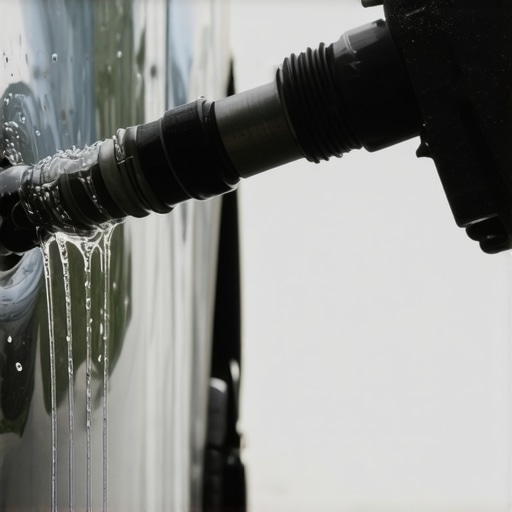
I stood there at the pump, squinting against the morning sun, determined to hit an even forty dollars. Click. The nozzle snapped shut. I nudged it again. Click. One more time, just to be sure it was topped off. I didn’t realize that in those few seconds of stubbornness, I was basically pouring money down the drain—literally. A few days later, my dashboard lit up like a Christmas tree, and my car started idling like it was gasping for air. It was a classic case of user error that I see neighbors making every single day. We are going to fix that habit today. I am going to show you why that one more click is a trap and how keeping your fuel system clear is just as important as knowing how to tell if your car needs a simple tune-up or a major repair.
The Expensive Reason to Stop at the First Click
Your car needs to breathe. It sounds simple, but most drivers treat their gas tank like a bucket rather than a pressurized system. I learned this the hard way when I flooded my charcoal canister, a part of the EVAP system that is strictly meant for vapors. When you overfill, liquid gas enters the lines meant for air. It is like trying to inhale a glass of water; it just does not work. This leads to a cascade of problems that can mimic troubleshooting common auto repair issues before visiting the shop, but with a much higher price tag. According to the Environmental Protection Agency, a damaged EVAP system can significantly increase your vehicle’s emissions and trigger an immediate inspection failure. This is not just about the environment, though—it is about your engine’s performance. If you have noticed why your car shudders when you accelerate from a dead stop, a compromised fuel recovery system might be the secret culprit.
Is that extra fifty cents really going to break my car?
It is the skepticism I hear every time I bring this up at a backyard BBQ. It is just a little extra gas, what is the harm? The harm is that the damage is cumulative. Every time you top off, you are wearing down sensors and saturating filters that were never meant to be wet. This eventually leads to poor gas mileage and a car that struggles to start after refueling. Following a proper car service checklist means respecting the design of your fuel system. You might think you are getting more miles out of a tank, but you are actually risking a visit to the mechanic for expensive sensor replacements. If you want to maximize your cars lifespan, you have to stop at the click. Have you ever noticed a weird hiss or a lingering smell of gas after you leave the station? Let’s dive into what that actually means for your wallet and your engine’s health.
Trust the Nozzle and Walk Away
The first and most important step to protecting your fuel system is learning to trust the automatic shut-off. That click isn’t a suggestion; it’s a mechanical signal from a tiny venturi tube inside the nozzle. When the fuel level reaches the tip of the nozzle, it creates a change in pressure that snaps the valve shut. By forcing those extra three or four clicks, you are overriding a safety feature designed to keep liquid fuel out of your car’s lungs—the charcoal canister. I remember doing exactly this with my old 2005 F-150 before a long haul. I thought I was squeezing out an extra five miles of range. Instead, I saturated my vapor recovery system so badly that the truck started stumbling on the highway. I couldn’t tell the difference between a transmission slip and a fuel system hiccup until the Check Engine light confirmed my mistake. To avoid this, simply stop the very first time the pump stops itself.
Identify a Drowned Vapor System Before it Quits
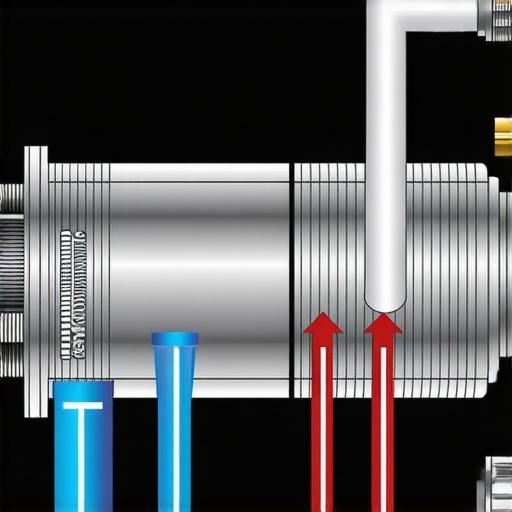
If you have already spent years topping off your tank, you need to know how to spot the damage before it leaves you stranded. The most common symptom is a car that struggles to start immediately after you finish fueling. This happens because the liquid gas that shouldn’t be there is flooding the engine’s intake through the purge valve. Think of it like trying to run a marathon while someone is pouring water down your snorkel. You might also notice a drop in power or a rough idle that feels like you need a tune-up for peak performance. When liquid gas ruins the charcoal canister, it can no longer filter the fumes, often resulting in a strong smell of raw gasoline around the rear of the vehicle. If you ignore these signs, the costs escalate quickly, far exceeding the real cost of skipping your 100000-mile major service.
Stop Using the Rounding Up Habit to Save Your Sensors
We all have that urge to see a round number on the pump screen, but that extra fifty cents is a gamble with your car’s computer. Modern vehicles use highly sensitive pressure sensors to monitor the fuel tank’s integrity. When you overfill, you put those sensors under a liquid load they weren’t built to handle. Over time, the internal diaphragms in these sensors can fail, leading to confusing diagnostic codes. This often triggers a search for a bad ground wire or how to tell if your electrical problem is a blown fuse, when the reality is much simpler: you just put too much gas in the tank. If you want to how to spot a failing fuel pump before it actually dies, pay attention to the noises your car makes right after a fill-up. A whining fuel pump or a sputtering engine are your car’s way of begging you to leave that air pocket at the top of the tank alone. The goal is to keep the liquid in the tank and the vapors in the lines, exactly as the engineers intended.
Most drivers think a tune-up is a static list of parts to replace, but that is a bit of a relic from the 1980s. In my years under the hood, I’ve seen people throw money at new spark plugs when the real issue was a dirty mass airflow sensor or a slow-reacting O2 sensor. If you want to tune up your car for peak performance, you have to look past the physical hardware. Modern engines use adaptive learning; if your sensors are sending lazy data, your fuel economy tanks regardless of how shiny your new plugs are. According to SAE International, sensor degradation can lead to a 10-15% drop in efficiency long before a Check Engine light even blinks. This is why following a generic car service checklist isn’t enough; you need someone who understands the data stream. Let’s talk about the oops factor that catches even the DIY pros: brake fluid. Most people wait until they hear a grinding sound to think about their brakes, but by then, the damage is physical. I often see owners ignore the condition of the fluid itself. If you’ve ever wondered why your brake fluid is green, it’s not some special additive—it’s copper leaching from your brake lines. It’s an internal chemical breakdown that can rot your ABS modulator from the inside out. This is one of the biggest brake service myths out there: the idea that if the pedal feels firm, the system is fine. In reality, moisture-contaminated fluid can boil during a hard stop, leading to a terrifying moment where your brake pedal goes all the way to the floor.
Why does my car still feel sluggish after a fresh service?
The answer usually lies in the things you can’t see. For example, a clogged PCV valve or a tiny vacuum leak can mimic major engine trouble. But the biggest trap in modern auto repair is ignoring ADAS (Advanced Driver Assistance Systems). If you get an alignment at a shop that doesn’t understand how to tell if your local mechanic actually has the tools for a proper ADAS calibration, your car might see the road incorrectly. Suddenly, your lane-keep assist is fighting you. This is the new frontier of auto repair trends to watch in 2025. Have you ever fallen into the trap of thinking a simple mechanical fix wouldn’t affect your car’s electronics? Let me know in the comments below.
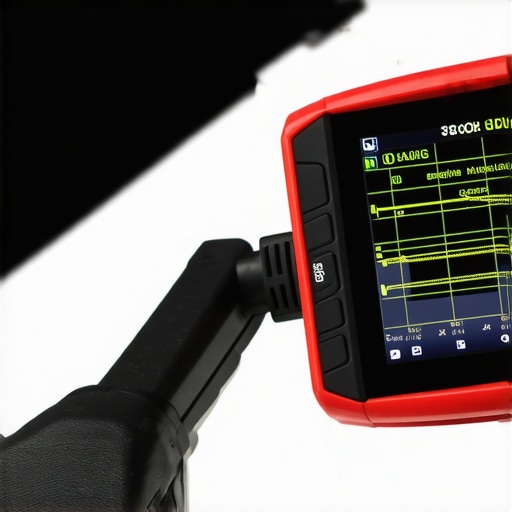
To move past basic repairs, you have to stop guessing and start reading the data your car is already trying to give you. I used to spend hours chasing ghosts until I invested in a bi-directional scan tool. Unlike the cheap readers that just clear codes, a bi-directional tool lets me command the car to do things—like cycling the ABS pump to purge air or testing a fuel injector’s pulse. If you really want to maximize your cars lifespan, you need to see what the computer sees. I personally rely on AllData repair subscriptions because they provide the exact wiring diagrams and torque specs used by the factory. Following the ultimate car service guide becomes a lot easier when you aren’t fighting the hardware.
Can I actually keep my engine alive for 300,000 miles?
The secret to extreme longevity isn’t a magic additive; it’s consistency and precision. I’ve seen engines reach incredible milestones simply because the owners didn’t wait for a failure to act. This means performing a tune-up for peak performance every 30,000 miles rather than 100,000. You should also consider oil analysis services like Blackstone Labs, which can tell you if there’s trace metal in your oil before a bearing actually spins. It’s the difference between how to tell if your car needs a simple tune-up or a major repair and being blindsided by a blown motor. If you want to know how to get another 50,000 miles out of your high-mileage engine, you have to treat every fluid change as an inspection, not just a chore.
Invest in a Pressure Bleeder to Save Your Sanity
When it comes to your brakes, the old ‘pump-and-hold’ method with a friend is prone to error and often leaves micro-bubbles in the lines. I switched to a Motive Products pressure bleeder years ago, and I’ll never go back. It creates a constant, pressurized flow of fresh fluid that pushes every bit of air out, ensuring a rock-solid pedal. This is a crucial part of understanding brake system repairs. People often fall for brake service myths, like thinking you only need to change pads, but keeping the hydraulics pristine is what prevents your calipers from seizing. According to the Car Care Council, neglecting these small maintenance items is the primary reason vehicles are retired early. By checking your car service checklist and focusing on the hydraulic health, you’re preventing thousands in future repairs. Looking ahead, I predict that auto repair trends to watch in 2025 will shift toward predictive telematics, where your car alerts your phone to a failing sensor before the engine even stumbles. For now, take control yourself: grab a multimeter and test your alternator at home this weekend to see if your charging system is truly healthy.
Three Fuel System Habits That Quietly Kill Modern Engines
Over the years, I’ve realized that most “accidental” repairs start with a simple habit. First, that extra click at the pump isn’t just about fifty cents; it’s about the air gap your car needs to manage pressure. If you fill that space with liquid, your car can’t vent properly. Second, many drivers ignore a loud “whoosh” when opening the gas cap, which is often the first sign of a failing vent valve that needs attention during a tune-up for peak performance. Third, a proper expert tune-up strategy should always include a visual check of the EVAP lines for cracking, especially if you live in a dry climate where rubber perishes quickly. These small observations save you from the massive headache of troubleshooting common auto repair issues that appear out of nowhere.
The Essential Gear I Use to Keep My Daily Driver at 200k Miles
I don’t believe in magic bottles of “engine restorer,” but I do believe in data. I always keep a bi-directional scan tool in my trunk to see how my fuel trims are reacting in real-time. For my weekend maintenance, I rely on a dedicated pressure bleeder to ensure my brake service is professional-grade without needing an assistant to pump the pedal. I also recommend checking out the ultimate car service guide to stay organized with your intervals. Using high-quality resources like factory service manuals ensures you aren’t just guessing at torque specs or fluid capacities.
Take Control of Your Car’s Longevity Today
Maintenance shouldn’t feel like a burden; it should feel like an investment in your freedom and safety. When you stop at the first click and follow a consistent car service checklist, you aren’t just saving money—you’re ensuring your vehicle is ready for any road trip at a moment’s notice. As we look toward auto repair trends to watch in 2025, staying proactive with your tune-up for peak performance remains the most effective way to stay out of the repair shop. Have you ever been guilty of the “one last click” at the gas pump only to have your check engine light pop on shortly after? Let me know your experience in the comments below!