
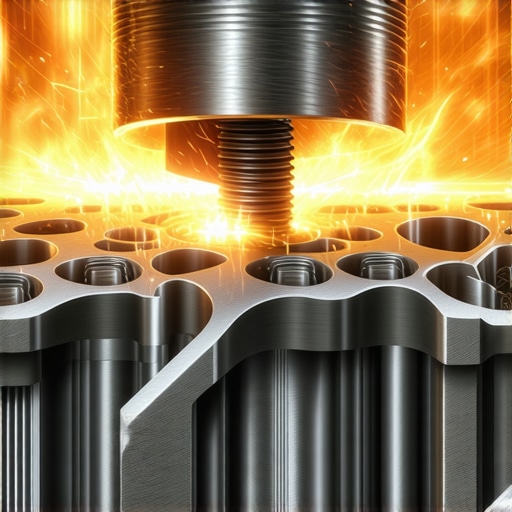
The sun was beating down on the asphalt as I pushed my old truck up the steep incline near my house last July. Windows down, I was feeling good until I heard it—that sharp, metallic tink-tink-tink. It sounded like someone had tossed a handful of gravel into my cylinders. My heart sank. I thought my engine was toast. I’d just tried to save five bucks by hitting the cheapest gas station in the county, and my engine was screaming its protest. It wasn’t the first time I’d made a rookie mistake, like that time I ignored the truth about budget spark plugs and engine performance and ended up stranded on the shoulder of the highway. Today, I want to show you exactly why that deal at the pump is actually making your engine struggle and how you can fix it without getting ripped off by high-octane marketing.
Why Your Engine Sounds Like a Tin Can Full of Marbles
That noise is what we call pinging or detonation, and it’s basically your engine’s way of having a temper tantrum. Inside your engine, there’s a very specific dance happening: air and fuel mix, the piston moves up, and the spark plug fires at the perfect millisecond. When you use gas that’s too low-grade for what your engine needs, that fuel-air mixture decides to explode before the spark plug even tells it to. It’s a literal collision of forces inside your combustion chamber. If you’re already hearing weird noises, you might want to start troubleshooting common auto repair issues before visiting the shop to make sure it’s just the fuel and not something more serious. I once spent a whole weekend thinking I had a rod knock, only to realize I’d just bought a bad batch of 87-octane. It’s an easy trap to fall into when you’re trying to save money on car service.
Can I Just Ignore the Pinging for a Few Months?
Look, I get it. Everything is expensive right now. But ignoring that pinging is like ignoring a toothache—it’s only going to get more painful for your bank account later. According to the U.S. Department of Energy, using a lower-than-recommended octane level can significantly decrease your fuel economy and, over time, lead to engine damage that makes a simple fill-up look cheap. Have you ever noticed that rhythmic tapping under your hood right after a cheap fill-up? That’s the sound of your engine’s internal components taking a beating. To keep things running smooth, you really need to tune up your car for peak performance and understand that octane isn’t about cleaning your engine; it’s about stability. We’re going to dive into how regular tune-ups improve fuel efficiency and safety so you can stop the noise and keep your car on the road longer.
Stop the Pinging Before it Breaks Your Bank
The first thing you need to do is stop guessing. Most people think “Premium” gas is just a marketing scam to get an extra fifty cents a gallon, but it is actually about chemical stability. Think of octane as a security guard for your fuel; it prevents the gasoline from throwing an unorganized party and exploding whenever it feels like it. In a high-compression engine, lower-grade fuel is like a nervous runner who starts the race before the starting gun—the spark plug—even fires. I learned this the hard way with an old turbocharged sedan that sounded like a bag of hammers every time I hit the freeway. Check your owner’s manual—if it says “Required,” do not cheap out. If it says “Recommended,” you might get away with 87-octane, but your computer will retard the timing to protect itself, which kills your power. You should also look at a car service checklist to see if you have missed other fuel-related maintenance that could be making the situation worse.
Clear Out the Gunk with a Proper Intake Cleaning
Carbon buildup is the silent killer of engine timing. Over time, little crusty deposits form on your valves and piston heads. These spots get red-hot and act like a secondary spark plug, igniting the fuel too early. One summer, I tried to fix a rough idle on my truck by dumping three bottles of cheap injector cleaner into the tank. It did absolutely nothing. It was not until I manually cleaned the throttle body and realized how a dirty mass airflow sensor can trigger a lean code error that the pinging finally stopped. The MAF sensor is like your engine’s nose; if it is stuffed up or dirty, the car has no idea how much air it is breathing. This causes the computer to lean out the mix, making the combustion chamber run way too hot and causing that dreaded rattle under load.
Identify if Your Car Needs a Tune-Up or a Major Repair
Not every noise means your engine is ready for the scrap yard, but you need to know how to tell if your car needs a simple tune-up or a major repair. If the pinging only happens when you are climbing a hill or merging onto the highway, it is likely a fuel or ignition timing issue. I once spent an entire Saturday helping a neighbor who was convinced his engine was shot. We pulled the plugs and found that his budget spark plugs had literally started to melt because the heat range was completely wrong for his commute. Using expert tune-up strategies, like verifying your spark plug gap and ensuring your cooling system is actually pulling heat away from the heads, is the secret to getting 200,000 miles out of your original engine without needing a total rebuild. If the noise persists even after a tank of high-quality fuel and a sensor cleaning, you may be looking at an EGR valve failure, which recirculates exhaust to lower temperatures.
Test the Knock Sensor Functionality
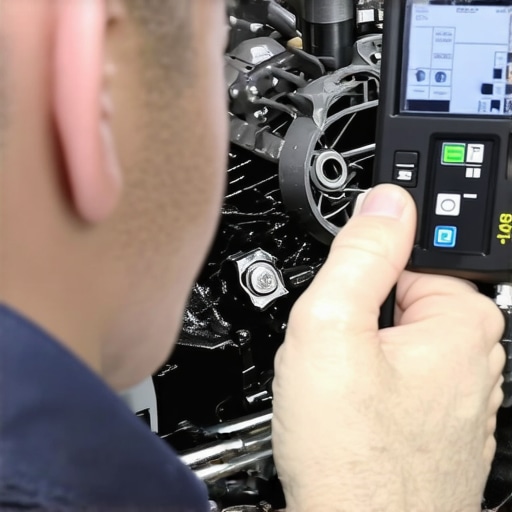
Your car actually has a built-in microphone called a knock sensor that listens specifically for these metallic pings. When it hears them, it tells the computer to adjust the timing instantly. If this sensor fails, your engine loses its primary defense mechanism. You can often test this with a simple OBD-II scanner. If you see a code for a knock sensor circuit, your engine might be pinging simply because it has lost its “ears.” I once saw a car where a mouse had chewed through the knock sensor wire, leaving the engine to rattle itself to pieces because the computer thought everything was fine. Checking these small electrical connections can save you from a three-thousand-dollar engine replacement.
The most common advice I hear for a pinging engine is the ‘Italian Tune-Up’—just take it on the highway and floor it to ‘blow the gunk out.’ In my experience, that is a one-way ticket to a broken piston on modern cars. If you have a Gasoline Direct Injection (GDI) engine, that fuel never even touches the intake valves. This is the hidden nuance: you can’t clean what you can’t reach. While most people believe fuel additives are a cure-all, they only clean the injectors and the combustion chamber, leaving the valve stems caked in carbon. This crust acts like a sponge, soaking up fuel and causing the lean conditions that lead to pinging. It is why you need to look closer at how to tell if your car needs a simple tune-up or a major repair rather than just dumping a bottle of ‘magic’ fluid in the tank.
Does High-Octane Fuel Actually Scrub Your Valves?
The short answer is no, and the long answer involves some expensive chemistry. A study by the AAA (American Automobile Association) found that Americans waste over $2.1 billion a year on premium gas for cars that don’t need it. High-octane fuel is simply more resistant to ignition; it is not ‘stronger’ or ‘cleaner’ in a way that compensates for mechanical neglect. If your engine is designed for 87-octane and you’re using 93 to stop a noise, you’re just masking a symptom—likely a cooling issue or a carbon deposit problem—instead of fixing the source. I’ve seen enthusiasts fall into this trap for years, thinking they’re pampering their engine when they’re actually just ignoring a failing thermostat or a clogged radiator.
Stop Blaming the Rotors for That Pedal Pulse
This same logic applies to your brakes. When a customer tells me their ‘rotors are warped,’ 90% of the time, the metal isn’t bent at all. It is actually uneven pad transfer. If you don’t follow the proper way to break in new brake pads and rotors, you end up with ‘hot spots’ that feel like vibration. I once had a client who replaced his rotors three times in a year because he kept ignoring brake service myths and held his foot on the brake pedal at red lights after high-speed stops. That heat cooks the pad material onto the rotor surface. If you’re feeling that shake, you should check out our guide on understanding brake system repairs before you let a shop sell you a whole new front end. Have you ever fallen into this trap? Let me know in the comments.
The Danger of the Parts Cannon
The biggest mistake advanced DIYers make is what I call ‘firing the parts cannon.’ They hear a noise, read a forum post, and buy a new MAF sensor, new plugs, and a new O2 sensor all at once. Not only is this expensive, but it can actually introduce new problems if those parts are defective out of the box. Always change one thing at a time. If you suspect your noise is brake-related, see if your new brake pads are smoking before assuming the calipers are seized. Precision beats guesswork every single time.
Instead of firing that parts cannon, I want you to pick up the most underrated tool in your garage: the digital multimeter. Most pinging issues or rough idles that lead people to search for tune up your car tips are actually electrical ghosts. If your voltage is sagging, your ignition coils can’t produce a strong enough spark, which makes the engine struggle. I’ve personally used a Fluke 88V for a decade because it’s fast enough to catch millisecond drops in voltage. You can learn how to test your alternator with a simple multimeter at home and rule out a charging system failure in about five minutes. According to the ASE (Automotive Service Excellence) diagnostic standards, electrical integrity is the foundation of every sensor reading—if your ground is bad, your sensor data is garbage. 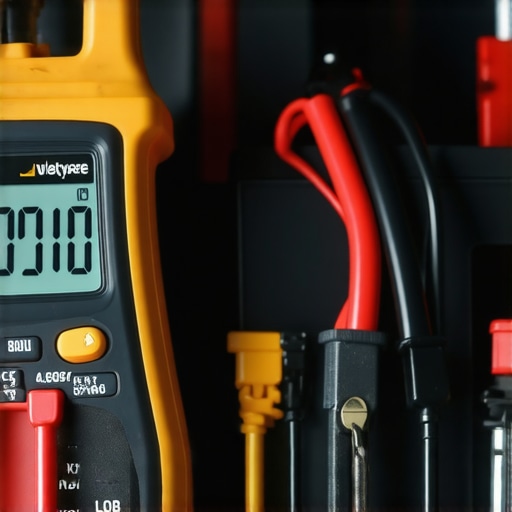
How do I maintain engine health over the long haul?
The secret isn’t a magic additive; it’s consistency. You need to stop looking at car service as an emergency and start seeing it as an investment. You should be calculating the real cost of skipping your 100000-mile major service, because that is where the 200,000-mile club is won or lost. In my own fleet, I track every fluid change on a spreadsheet. This allows me to use expert tune-up strategies like oil analysis, which tells me if my bearings are wearing down before the engine starts knocking. If you want the secret to getting 200,000 miles out of your original engine, you have to be proactive about things like timing belts and cooling system flushes before they fail.
Software is Becoming the New Primary Wrench
Looking ahead, the physical tools we use are shifting. By 2025, knowing how to turn a wrench won’t be enough. We are seeing auto repair trends to watch in 2025 that lean heavily on ADAS and software calibration. If you do a simple brake service on a modern car, you might need to put the electronic calipers into service mode just to change the pads. This is why you need to know how to tell if your local mechanic actually has the tools for a proper ADAS calibration. If they don’t have the software to talk to your car’s computer, they are just guessing. My advice? Grab a basic OBD-II scanner and run a health report once a month. It’s the easiest way to catch a small issue before it leaves you stranded. Go grab your multimeter this weekend and check your battery’s resting voltage—it is the first step to mastering your own machine.
The Hardest Lesson I Learned While Trying to Outsmart My Engine
After years of turning wrenches, the one truth I’ve embraced is that your car is always talking to you; we just have to learn the language. I used to think I could out-think the engineers by using tricks to avoid a proper car service, but the engine always wins in the end. Here are a few lightbulb moments from my time in the grease:
- Noise is just data: That pinging isn’t just an annoyance; it’s a diagnostic signal. Treating the symptom with higher octane without finding the cause is just delaying the inevitable.
- Cleanliness over chemistry: A bottle of fuel cleaner is rarely a match for a physically clean intake. If you are troubleshooting common auto repair issues, look at the physical components first.
- The Good Enough trap: Cheap parts or skipped intervals are a debt you are taking out against your car’s future. Pay the maintenance premium now, or pay the repair tax later.
The Gear That Actually Belongs in Your Toolbox
You don’t need a professional shop to keep your car healthy, but you do need a few high-quality basics. I personally rely on a Bluetooth OBD-II Adapter because it lets me see live data while I drive. I also swear by a digital multimeter; once you test your alternator at home, you will realize how many sensor problems are actually just battery issues. Finally, never work on your wheels without a click-type torque wrench. Using the proper way to torque wheel bolts is the only way to prevent warped-feeling rotors and ensure your safety on the highway.
#IMAGE_PLACEHOLDER_E#
Your Journey to a 200,000-Mile Odometer Starts Now
Taking care of your car doesn’t have to be a source of anxiety. It is about building a relationship with the machine that gets you to work, takes you on vacations, and keeps your family safe. When you finally tune up your car for peak performance, you aren’t just fixing a machine—you are gaining peace of mind and reliability. Don’t be afraid to get your hands dirty this weekend; the more you know about what’s under the hood, the less power a repair shop has over your wallet. Have you ever had a mystery engine noise that turned out to be something incredibly simple? Let me know in the comments below!