
I was backing out of my driveway last winter when it happened—that bone-chilling, high-pitched screech every time I nudged the steering wheel. It sounded like a choir of angry banshees living under my hood. I tried to ignore it, thinking it was just the cold, but within two days, my car felt like I was trying to steer a literal tank through wet concrete. That was the morning I realized I’d been neglecting the simplest piece of car service checklist maintenance there is. I felt like a total amateur, but I learned a valuable lesson: your car is always talking to you, and that whine was a scream for help. Today, I’m going to make sure you never have to muscle your way through a parking lot or listen to that embarrassing squeal again. [image placeholder]
Why Your Steering Shouldn’t Sound Like a Haunted House
Most of us don’t think about our steering until the car starts fighting back. We focus on brake service myths or oil changes, but the power steering system is the unsung hero that keeps you from having arms like a bodybuilder just to make a U-turn. This system relies on hydraulic pressure, which means the fluid is its lifeblood. When that blood runs low or gets dirty, things get expensive fast. I’m going to show you exactly how to check that fluid so you can avoid the headache of a total system failure. We aren’t just looking at the level; we are looking at the health of the whole system. Whether you’re performing a tune up for peak performance or you’ve noticed a strange scrubbing noise when you turn sharply, this check is your first line of defense.
Is power steering fluid really that picky?
You might be thinking that a little low fluid isn’t a big deal, or that you can just pour some more in and call it a day. I used to think so too. Years ago, I made the classic rookie mistake of topping off my reservoir with whatever bottle was on the clearance shelf without checking the manual. I ended up with a mess because the reason your power steering fluid is foaming is often because you’ve mixed incompatible types. It turned into a bubbly, useless soup that almost fried my pump. According to experts at Car and Driver, using the wrong hydraulic fluid can lead to seal failure and expensive rack-and-pinion repairs, which can easily climb north of $1,000. Have you ever noticed your steering wheel vibrating or getting “stiff” when you’re trying to park? Drop a comment and let me know—I bet I can tell you exactly what’s going on with your car.
Stop Guessing and Start Looking at Your Reservoir
The first step is actually finding the thing. Most modern reservoirs are clear plastic with “Min” and “Max” lines on the side, but some older cars still use a metal canister with a little dipstick attached to the cap. Before you even unscrew it, take a look at the outside. Is it caked in grime? Clean it off first. You don’t want a single speck of dirt falling into that fluid. It’s a closed hydraulic system, and even a tiny grain of sand can act like sandpaper on your internal seals. When you are troubleshooting common auto repair issues, the best approach is always the cleanest one. Now, let’s get into the actual process of reading that level and, more importantly, reading the color.
Read the Dipstick Like a Pro
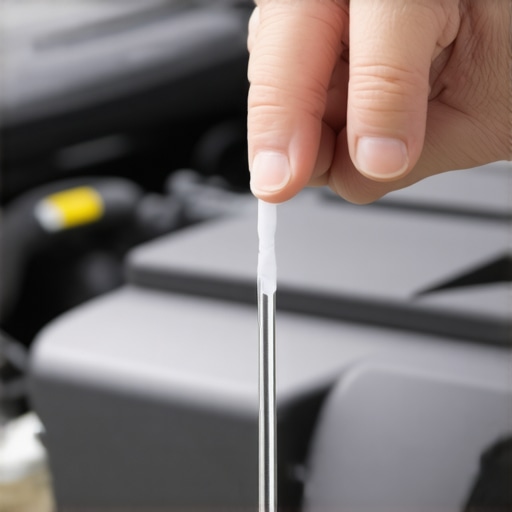
Checking your fluid level isn’t just about glancing at a tank. If your reservoir isn’t translucent, you’ll need to unscrew the cap and pull out the dipstick. You’ll notice two sets of marks: ‘Cold’ and ‘Hot.’ This is where most people trip up. Think of your power steering fluid like a steak on a grill; it expands as it heats up. If you just finished a long drive, read the ‘Hot’ side. If the car has been sitting overnight, use the ‘Cold’ side. I remember the first time I checked my old truck after a 2-hour commute; I saw the fluid was way above the ‘Cold’ mark and panicked, thinking I had a major blockage. In reality, I was just reading the wrong side of the stick. When you are troubleshooting common auto repair issues, knowing these small nuances prevents unnecessary stress. Wipe the stick clean with a lint-free rag, dip it back in, and pull it out for a definitive reading.
What the Fluid Color is Secretly Telling You
Don’t just look at the level—look at the health of the liquid itself. Fresh power steering fluid is usually a clear, bright red or pink. If yours looks like a muddy puddle, it’s oxidized and full of microscopic metal shavings. If it looks milky or frothy, you’ve got a serious problem. Much like how the real reason your transmission fluid smells like fish indicates internal damage, steering fluid that smells burnt or looks like black coffee means your pump is working way too hard. I once ignored ‘coffee-colored’ fluid for a month, thinking I could stretch my car service checklist items. Two weeks later, the pump seized while I was turning into a tight parking spot, and I nearly took out a row of shopping carts.
The Right Way to Fill Your Reservoir
If you find the level is low, don’t just dump a generic bottle in. Check your owner’s manual for the specific type of fluid your car requires—some use ATF (Automatic Transmission Fluid), while others need specific synthetic hydraulic oils. Grab a clean funnel; this is non-negotiable. I once tried to ‘free-hand’ it on a windy day and ended up coating my serpentine belt in oily slick. It squealed for three weeks straight until I finally had to perform a tune up for peak performance just to get the grime off. Pour the fluid in small increments. Overfilling is just as bad as underfilling because it creates excessive pressure that can blow out your seals.
Watch Out for Bubbles and Foam
After you’ve topped it off, start the engine and turn the steering wheel from lock to lock—all the way left, then all the way right—about five times. This bleeds any trapped air out of the lines. If you see bubbles in the reservoir afterward, the reason your power steering fluid is foaming is usually an air leak in the suction hose. Air is compressible, fluid is not; when air gets in, your steering feels ‘spongy’ or inconsistent. This is often the culprit when you are trying to figure out how to tell if your car needs an alignment or new tires but the car still feels ‘darty’ on the road. If the fluid remains foamy after several turns, you likely have a pinhole leak in a hose that is sucking air in like a straw.There is a dangerous myth circulating in modern car manuals: the ‘lifetime’ power steering fluid. Manufacturers love to claim you never need to change it, but anyone who has cracked open a rack-and-pinion assembly after 100,000 miles knows that is a lie. Over time, heat breaks down the chemical stabilizers in the fluid, turning it into an acidic sludge that eats your seals from the inside out. Much like the truth about 10000 mile oil change intervals, these long-service claims are often more about lowering the ‘cost of ownership’ statistics for new buyers than actually preserving your vehicle for the long haul.
Why ‘Lifetime Fluid’ is Actually a Marketing Gimmick
According to research from the Car Care Council, neglected fluids are the primary driver of premature component failure in hydraulic systems. If you want to maximize your cars lifespan with expert tune up strategies, you need to treat power steering fluid as a 50,000-mile maintenance item, regardless of what the glossy brochure says. When fluid oxidizes, it loses its ability to lubricate the pump’s internal vanes. This leads to that ‘scrubbing’ or ‘whining’ noise you might hear during tight maneuvers. If you ignore it, the pump eventually sends metal shards into the steering rack, turning a $200 maintenance job into a $1,500 nightmare.
Is a complete system flush actually worth the money?
Here is where the advanced nuance comes in: a high-pressure machine flush can sometimes do more harm than good on an older, neglected system. It can dislodge heavy debris that was safely settled in a corner and send it straight into the pump’s delicate valves or the steering rack’s seals. For cars with high mileage, I usually recommend a ‘drain and fill’ approach over multiple days. This mirrors the logic behind other major systems; knowing the real difference between a transmission flush and a drain and fill can save you from a catastrophic repair bill that catches you off guard.
Avoid the destructive Stop Leak trap
The biggest ‘oops’ factor I see DIYers fall into is reaching for a bottle of ‘Stop Leak’ when they spot a small drip. These products work by using chemicals to swell the rubber seals. The problem is that they swell every rubber component in the system, including the healthy ones. Eventually, the rubber becomes too soft and fails entirely. It is a temporary fix that leads to a total system heart attack. It is very similar to how the real reason your new brake pads are smoking is often due to improper chemical treatment or installation—there are simply no shortcuts to a proper mechanical fix. If you are troubleshooting common auto repair issues, always opt for replacing the hose or seal rather than pouring a ‘magic’ solution into the reservoir. Have you ever fallen into the ‘lifetime fluid’ trap only to have a pump fail on you later? Let me know in the comments below—I want to hear your horror stories.
Don’t Settle for a Messy Turkey Baster
If you want to keep your hands clean and your driveway free of red stains, you need to stop using the ‘kitchen tool’ method. I spent years struggling with messy syringes until I invested in a dedicated hand-operated vacuum pump. I personally use the Mityvac MV8000 because it allows me to pull old fluid out of the reservoir in seconds without spilling a drop. This tool is also a lifesaver when you need to check if your master cylinder is failing internally by testing vacuum pressure. When you have the right gear, troubleshooting common auto repair issues becomes a hobby rather than a chore.
How do I keep my steering system healthy for years?
Consistency is the secret sauce. Most drivers wait for a noise before they pop the hood, but the pros include a fluid check in every car service checklist. According to technical documentation from ZF Friedrichshafen AG, a global leader in steering systems, even microscopic particles as small as 5 to 10 microns can cause significant wear on steering control valves. To combat this, I recommend doing a simple ‘drain and fill’ of the reservoir every 30,000 miles. It only takes ten minutes and ensures that the additive package in your fluid never fully depletes. This proactive approach is exactly how you maximize your cars lifespan with expert tune up strategies.
The $20 Filter That Prevents a $1,000 Bill
If you really want to go the extra mile, install an inline magnetic filter on the return hose. I started doing this on my high-mileage trucks, and the results are incredible. These filters catch the fine metallic ‘glitter’ that the pump naturally produces before it can cycle back through the delicate rack-and-pinion seals. It’s a similar logic to how regular tune ups improve fuel efficiency and safety—by removing the friction and contaminants that slow the system down, you prevent a total mechanical meltdown. If you’ve never cut open an old power steering filter, you’d be shocked at the sludge it captures. This is a level of care that most dealerships won’t even mention in the ultimate car service guide because they’d rather sell you a new rack in five years.
Where the Industry is Heading in 2025
As we look toward the future, the hydraulic systems we’ve been discussing are slowly being phased out. We are seeing a massive shift toward Electric Power Steering (EPS), which eliminates the fluid and pump entirely. Staying aware of auto repair trends to watch in 2025 is vital because maintaining an EPS system requires specialized diagnostic software rather than a wrench and a funnel. However, for those of us still driving classic hydraulic setups, these maintenance habits are the only thing standing between a smooth ride and a costly failure. My challenge for you this weekend: check your fluid color against a white paper towel. If it isn’t bright pink or clear, grab a vacuum pump and swap out what’s in the reservoir. Your steering rack will thank you.
What Years Under the Hood Taught Me About Steering Gremlins
After decades of working on everything from rusty farm trucks to precision European sedans, I’ve realized that power steering is often the most ignored system in the entire vehicle. Here are the lightbulb moments that changed how I approach maintenance:
- The grit test never lies: If you rub the fluid between your fingers and feel even the slightest texture, your pump is already beginning to shave off internal metal.
- Heat is the hidden enemy: Most people don’t realize that aggressive parallel parking in a hot city generates more thermal stress on your steering fluid than a three-hour highway cruise.
- Silence is your goal: If you can hear the pump, you’ve already lost the battle for prevention; you’re now in the damage control phase of auto repair.
My Go-To Gear for a Smooth Steering System
If you want to move beyond the messy turkey baster method and get professional results at home, these are the tools I trust. First, the Mityvac MV8000 is my absolute favorite for a clean fluid exchange without spilling a drop on the driveway. I also highly recommend keeping a Haynes Repair Manual for your specific model, as they provide the exact fluid capacities and bleed procedures that generic manuals miss. For high-mileage vehicles, the Magnefine Inline Magnetic Filter is the single best twenty-dollar investment you can make to protect your rack-and-pinion seals. Following the ultimate car service guide is a great start, but these specific tools are what help you master the craft.
[image placeholder]
Take the Wheel and Protect Your Ride
You don’t need to be a master mechanic to keep your car from sounding like a haunted house. It all starts with opening the hood and actually looking at what your car is trying to tell you. By adding a simple fluid check to your car service checklist, you are taking a massive step toward avoiding a four-figure repair bill. The goal is always to maximize your cars lifespan with expert tune up strategies that prioritize simple prevention over expensive cures. If you’re ever unsure about a new vibration or a strange leak, take the time to begin troubleshooting common auto repair issues before they leave you stranded. Your car works hard for you every day; a little fresh fluid is the least you can do in return. Have you ever had your steering wheel get stiff or start screaming at the worst possible moment? Let me know in the comments below—I’d love to help you troubleshoot it!