
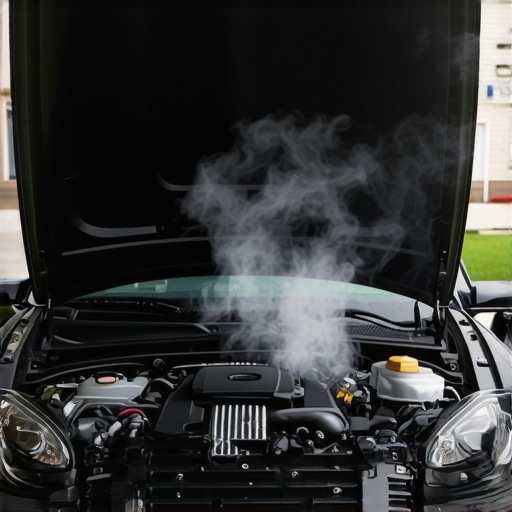
I’ll never forget the Tuesday I pulled my old sedan into the driveway after a five-minute coffee run. The smell was unmistakable: something was definitely on fire, or at least thinking about it. I stood there, keys in hand, staring at the hood like it was a ticking time bomb. My first instinct was to call a flatbed and start mourning my savings account. But here’s the thing—I’ve spent enough time under hoods now to know that a “short drive” burning smell is often a very chatty symptom, not a death sentence for your vehicle.
Stop Panicking and Follow Your Nose
If you’ve just noticed that acrid, “hot plastic” or “burning hair” scent after a quick trip to the store, you aren’t alone. I once made the mistake of ignoring a faint metallic smell, thinking I’d just driven over some fresh asphalt. Two days later, my wheel was too hot to touch because a brake caliper had seized tight. It was an expensive lesson in brake service myths that I don’t want you to repeat. Today, I’m going to walk you through exactly how to sniff out the problem—literally—and decide if you need a pro or just a pair of pliers.
Is this just an excuse for a mechanic to overcharge me?
I get it. You hear “burning smell” and you see dollar signs. But most of the time, the fix is simpler than a full engine overhaul. Sometimes it’s just a rogue plastic bag that melted onto your exhaust pipe, or perhaps your new brake pads are smoking because they haven’t been properly bedded in yet. My goal is to keep you out of the shop unless it’s absolutely necessary, because I believe most car owners can handle the basics of auto repair troubleshooting with a little guidance.
Sniffing Out the Source of the Stench
The “flavor” of the smell is your biggest clue. Does it smell like gym socks? Probably mold in the A/C. Does it smell like a sweet syrup? That’s coolant. But if it’s a sharp, acrid burning, we’re likely looking at oil, rubber, or brakes. According to the National Highway Traffic Safety Administration, mechanical failures involving brakes and tires are among the most common precursors to roadside breakdowns, and they often give off these heat-related warnings long before they fail completely. Whether you need a quick car service check or a deeper dive into essential maintenance tips, catching it now saves your wallet later. Have you ever pulled into your garage and felt that wave of “hot car” smell hit you? Tell me—I want to know if it was a false alarm or a real fire drill for you!
Pop the Hood and Play Detective
Once you’ve safely pulled over, your first job isn’t to start turning bolts—it’s to observe. Keep your engine running for a minute while you look for visible wisps of smoke, then shut it off. I learned this the hard way when I ignored a faint puff of smoke on my old truck, only to find out later that my oil pressure sensor was weeping fluid onto the hot manifold. Pop the hood but don’t stick your face in there immediately; give the heat a second to dissipate. Look for any ‘wet’ spots on the engine block. If you see something sizzling, you’ve likely found your culprit.
Look for the Blue Smoke of Burning Oil
If the smell is thick and reminds you of a backyard grill gone wrong, it’s almost certainly oil. This happens when a gasket fails and lets oil drip onto the exhaust system. It’s a common part of understanding brake system repairs and general engine health to know that oil doesn’t just disappear; it either burns or leaks. If you notice that your engine oil level is increasing or decreasing unexpectedly, you have a fluid management issue that needs an immediate car service checklist review. 
The Finger-Heat Test for Your Brakes
Sometimes the smell isn’t coming from the engine at all, but from your wheel wells. If you smell burning hair or a sharp metallic scent, walk around the car and get your hand near—but do not touch—the center of each wheel. If one feels like a furnace while the others are cool, you have a seized brake caliper. I remember a road trip where I swore I smelled a forest fire, only to realize my rear left brake was practically glowing red. This is why I always tell people to check their brake fluid levels; if the fluid is low, your pads might be worn so thin they are overheating the whole system.
Sniff Out the Electrical Gremlins
An acrid, ‘plastic’ smell usually points to melting wire insulation. This is the most dangerous scent because it can lead to a fire. If your low tire light blinks or your dashboard flickers while you smell this, you likely have a short circuit. It could be as simple as a bad ground wire causing electrical issues or a more serious problem with the alternator. In my early DIY days, I once spent hours chasing a ‘burning’ smell only to find a loose wire was rubbing against a pulley, melting its casing every time I accelerated.
Check for Trapped Road Debris
Before you assume the worst and start looking into expert tune-up strategies, look under the car with a flashlight. Road debris, especially plastic shopping bags, loves to wrap around the exhaust pipe. They melt instantly and smell like a chemical factory for days. If you find a melted mass, wait for the exhaust to cool completely before trying to scrape it off with a wooden spatula. It’s a messy job, but it’s a lot cheaper than a trip to the shop.
The Short-Trip Paradox and Your Engine
Most drivers assume that a five-minute crawl to the corner store is ‘gentle’ on their vehicle. In my experience, the opposite is true. Short trips are often the hardest because your engine never reaches its optimal operating temperature. This leads to moisture buildup in the oil, which can create a confusing ‘toasty’ scent as that condensation finally burns off. While you might be looking for a catastrophic leak, the nuance is often found in how you drive. I’ve seen countless owners rush into a full brake service because of a smell, only to realize their driving habits were the real culprit. This is why I always suggest a car service checklist that accounts for your specific daily commute before you start replacing parts.
Is Your Computer Giving You a False Reality?
Advanced DIYers often rely too heavily on the OBD-II scanner. If the ‘Check Engine’ light isn’t on, they assume the burning smell is just a ghost. However, knowing how to tell if your computer is giving you a false error code is vital expertise. Sometimes, the computer doesn’t register a slow-burning electrical short or a minor mechanical drag until the damage is done. According to the Car Care Council, nearly 80 percent of vehicles on the road require at least one service or part replacement, yet many of these issues don’t trigger a dashboard light immediately. You have to trust your tactile senses—your nose and your ears—over the digital readout. Have you ever fallen into this trap of trusting the screen over your own senses? Let me know in the comments!
The New Part Smoke Screen
One of the biggest ‘traps’ for the unsuspecting owner happens right after a repair. You just paid for a premium brake service, you pull out of the shop, and five minutes later, your wheel wells are smoking. Most people panic and turn right back around, thinking the mechanic botched the job. But here is the secret: your new brake pads are smoking because they are ‘curing’ or you didn’t follow the simple way to bed in new brake pads. Manufacturers often apply a protective coating to rotors to prevent rust during shipping; if that isn’t cleaned off perfectly, it will smell like a chemical fire for the first few miles. 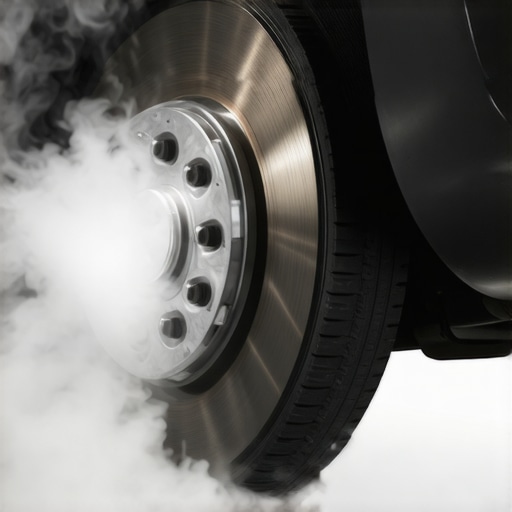
Don’t Over-Maintain Your Way into a Breakdown
I often see enthusiasts get too aggressive with expert tune-up strategies. They’ll add every chemical on the shelf, hoping for a miracle. But there is a fine line between care and clutter. For instance, the truth about using high-mileage oil additives is that some can actually degrade your gaskets if they aren’t necessary for your specific engine type. Similarly, blindly following the truth about 10,000-mile oil change intervals without checking your fluid color is a recipe for a sludgy, burning engine. Real expertise means knowing when to leave the car alone just as much as knowing when to pick up a wrench. If you’re seeing your engine oil level is increasing despite no recent changes, you have a fuel dilution problem that no ‘tune-up’ in a bottle can fix. Staying ahead means understanding auto repair trends to watch in 2025, where predictive maintenance is replacing the old ‘replace it every year’ mentality.
Equip Your Garage with Tools That Actually Talk Back
While many people rush to buy the biggest wrench set they can find, the real secret to mastering auto repair is in diagnostics. If I could go back and tell my younger self one thing, it would be to stop guessing and start measuring. I’ve seen enthusiasts spend hundreds on a full brake service only to find out the issue was a fifty-cent electrical clip. To avoid that, you need a high-quality OBD-II scanner that supports live data streaming, not just code reading. I personally use a scanner that allows me to monitor fuel trims in real-time, which is the only way to catch a ‘ghost’ lean condition that might be causing your engine to run hot and produce that faint, singed scent. If you’re serious about your car service checklist, skip the cheap plastic scanners and look for something that interfaces with your smartphone for deeper analysis.
How do I keep my car in peak condition for the long haul?
Maintenance isn’t a one-time event; it’s a rhythm. The key to expert tune-up strategies is consistency over intensity. Instead of waiting for a smell to appear, I perform a ‘walk-around’ every Sunday morning. I check for fluid spots on the driveway and use an infrared thermometer to check the temperature of my rotors after a drive. If one rotor is 50 degrees hotter than the others, I know I have a brake system repair on the horizon before it ever turns into a smoke show on the highway. This proactive approach is how you get to 200,000 miles on your original engine without a major breakdown. 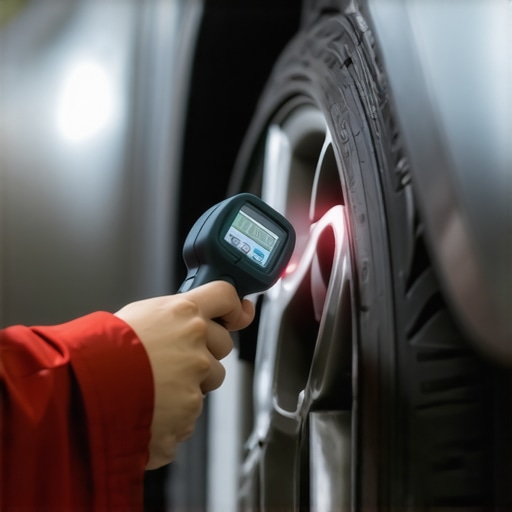
The Infrared Thermometer is My Secret Weapon
I cannot stress this enough: buy a $20 non-contact infrared thermometer. It is the most underrated tool in my kit. When you smell that acrid ‘burning hair’ scent, you can’t exactly go touching hot metal parts to find the source. With a laser-guided thermometer, you can pinpoint exactly which component is overheating from a safe distance. According to ASE (Automotive Service Excellence), identifying thermal imbalances is one of the fastest ways to diagnose a failing bearing or a dragging brake caliper. This tool turns troubleshooting common auto repair issues from a guessing game into a scientific process. I’ve used mine to find everything from a clogged catalytic converter to a failing water pump just by comparing inlet and outlet temperatures.
Why the Future of Repair is Predictive
We are moving into an era where your car will tell you it’s sick before you even smell the symptoms. One of the major auto repair trends to watch in 2025 is the rise of telematics and AI-driven predictive maintenance. Soon, your onboard computer won’t just throw a code when something breaks; it will analyze vibration patterns to tell you a U-joint is 500 miles away from snapping. But until that tech is standard in every used sedan, you have to be the computer. Start by learning how regular tune-ups improve fuel efficiency so you have a baseline for what ‘normal’ feels and smells like. My challenge to you this week: grab a flashlight and a thermometer, and check your wheel temperatures after your next commute. You might just catch a small problem before it becomes a big bill.
Three Hard Truths About Engine Heat and Hidden Leaks
First, never assume a smell will ‘just go away.’ In my early years, I thought a slight rubber scent was just the car ‘settling in,’ only to find a serpentine belt shredded miles later. You can avoid this by learning how to replace your own serpentine belt in under 20 minutes before it snaps. Second, silence is expensive. If you hear a noise and smell something hot, check the small stuff first. I’ve seen owners pay for a new transmission when the 5-minute check to prevent transmission failure would have saved them thousands. Third, your senses are often better than any light on the dashboard. By the time a warning light illuminates, the mechanical stress has already reached a critical point and your wallet is likely already in the line of fire.
Gear That Actually Lives in My Trunk
I always keep a dedicated physical notebook in the glovebox. Documenting exactly when a smell starts—and whether it happens during idling or acceleration—is the first step in troubleshooting common auto repair issues before visiting the shop. I also trust a high-quality service manual for your specific make and model; generic advice is fine, but factory torque specs are non-negotiable for safety. #IMAGE_PLACEHOLDER_E# Finally, don’t overlook your tires. A dragging brake often manifests as a ‘burning’ smell, but it can also ruin your rubber. Regularly check your tread and know how to tell if your car needs an alignment or new tires to keep your vehicle balanced and prevent excess friction from creating unwanted heat.
Empower Your Drive Through Consistent Care
Maintaining a vehicle isn’t about being a master mechanic; it’s about being an observant owner. When you stay on top of your ultimate car service guide, you gain a level of confidence that transforms driving from a stressful chore into a reliable pleasure. You don’t have to fear the occasional scent if you have the knowledge to decode it. Keep your tools sharp and your nose sharper. Have you ever caught a major mechanical issue just by noticing a weird smell before a warning light even flickered? Let me know in the comments!