

The first time it happened to me, I was merging onto a tight cloverleaf on-ramp. Just as the centrifugal force pulled my coffee toward the passenger door, a flash of red caught my eye. The brake warning light. It winked at me for half a second and then vanished. My heart did a little somersault. I immediately pulled over, imagining my brake lines disintegrating or a master cylinder failing internally while I was mid-turn. It’s a terrifying sensation because brakes aren’t a “maybe” part of your car—they are the most vital safety feature you own.
The Red Light That Only Dances on On-Ramps
If you’re seeing that light flicker specifically when you take a corner or hit the brakes hard, you aren’t seeing ghosts. This is one of those classic mystery car issues that actually has a very logical, and often simple, explanation. Most people assume the worst and start looking into understanding brake system repairs from a place of pure fear. I’ve been there. In my early DIY days, I once spent a whole weekend and $200 replacing parts I didn’t need just because I didn’t understand how a simple float sensor works. Today, I’m going to save you that headache and show you why that light is actually your car’s way of being helpful, even if it feels like it’s trying to scare you.
Is my car actually dangerous to drive right now?
It depends, but usually, it’s a yellow flag warning rather than a stop right now emergency. That flickering light is usually tied to your fluid reservoir. According to the National Highway Traffic Safety Administration (NHTSA), brake fluid is the lifeblood of your stopping power, and even a small drop in level can trigger sensors during high-G maneuvers. When you turn sharply, the fluid sloshes to one side. If your level is already a bit low, the sensor goes dry for a split second, triggering the light. Often, this happens because your pads are wearing down and the calipers are extending further, which naturally draws fluid out of the reservoir. It’s a sign you need a tune up strategy that includes a deep dive into your friction materials.
Don’t Ignore the Slosh in Your Reservoir
The real danger isn’t the light itself; it’s why the level is low enough to slosh in the first place. Are you dealing with brake fluid levels dropping without a leak? Or is this the first sign of a soft brake pedal that mechanics keep missing? We are going to look at the fluid level, the sensor itself, and why your brake pads might be the hidden culprits behind that annoying dashboard flicker. Have you ever had your dashboard scream at you only to have the problem disappear five seconds later? It’s frustrating, right? Let me know in the comments if this happened to you on a specific turn you take every day.
Crack the Hood and Check Your Levels First
The very first thing you need to do is pop the hood and find that plastic reservoir sitting on top of your master cylinder. Think of your brake fluid reservoir like a bowl of soup on a moving tray; if the bowl is full, you can tilt the tray quite a bit before anything spills or exposes the bottom. If the bowl is half-empty, a slight tilt reveals the ceramic. Your brake fluid sensor is a simple float that sits inside that reservoir. When you take a sharp turn, gravity pulls the fluid to the side. If your level is already sitting at the ‘Minimum’ line, that float drops for a heartbeat, completes the circuit, and screams at your dashboard. If you’ve ever learned how to check your power steering fluid the right way, the process here is almost identical—visual confirmation is your best friend. 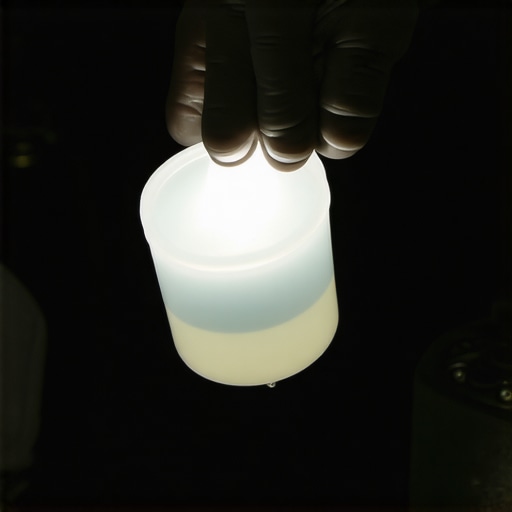
Why Your Brake Pads Are Actually Fluid Thieves
I remember a specific Saturday afternoon working on my old 2005 sedan. The red brake light would wink at me every time I took a spiraling highway off-ramp. I was convinced I had a massive leak. I kept topping off the fluid, but the light would return two weeks later. It wasn’t until I pulled the wheels off that I realized my brake pads were almost paper-thin. As your pads wear down, the calipers have to stay extended further out to bridge the gap to the rotor. This creates a larger ‘void’ in the system that must be filled with fluid. That fluid comes directly from your reservoir. Before you go troubleshooting common auto repair issues before visiting the shop, check your pad thickness. If your pads are low, your reservoir will be low—it’s a closed-loop system doing exactly what it was designed to do.
Hunting for Hidden Leaks Near the Wheels
If your pads look thick and healthy but your fluid is still disappearing, you have to find where it’s escaping. Brake fluid doesn’t evaporate. If it’s gone, it’s leaking. Start by looking at the inner barrel of your wheels. A failing seal in the caliper will often spray a fine mist of oil onto the inside of the rim, which then attracts road dust and turns into a thick, black grime. Knowing how to spot a leaking brake caliper before it fails can save you from a complete loss of pressure at a stoplight. While you are down there, check the rubber hoses connecting the hard lines to the calipers. If they look ‘wet’ or have cracks, they are sweating under pressure.
The Final Check for Master Cylinder Integrity
If the reservoir is full and the pads are new, but the light still flickers, you might be dealing with a sensor failure or a deeper hydraulic issue. Sometimes the float inside the reservoir gets saturated and sinks even when the fluid is high. A quick way to test this is to unplug the sensor wire on the side of the reservoir. If the light stays off while the sensor is unplugged (even during a hard turn), you’ve found your culprit. However, if the light is accompanied by a change in pedal feel, you need to revisit understanding brake system repairs because a failing master cylinder can bypass fluid internally without showing a single drop on the ground. Catching this early is the only way to fix grinding brakes without replacing rotors or worse, losing your stopping power entirely.
Stop Topping Off Your Brake Fluid Like It’s Engine Oil
Most drivers see a low reservoir and immediately reach for a bottle of fluid. This is actually one of the most common brake service myths that can lead to a messy disaster later. In my experience, if your fluid is low but there isn’t a visible puddle under the car, you shouldn’t top it off. Why? Because that fluid hasn’t vanished; it’s simply moved into the calipers to compensate for worn-out pads. When you eventually go to push those caliper pistons back in to fit new pads, all that extra fluid you added will erupt out of the reservoir like a volcano, stripping the paint off your engine bay. This is the ‘oops’ factor most DIYers learn the hard way. Instead of just adding fluid, use that flickering light as a prompt to check your pad thickness as part of your car service guide routine.
The Invisible Thief Hiding Inside Your Lines
Even if your level is perfect, that light might be a precursor to a deeper hydraulic failure. Many people assume that if the pedal isn’t hit-the-floor soft, the fluid is fine. However, brake fluid is hygroscopic, meaning it greedily absorbs moisture from the air. According to the Society of Automotive Engineers (SAE), glycol-based brake fluid can absorb up to 2% of its volume in water in just twelve months. This water lowers the boiling point of the fluid, which can lead to vapor lock during heavy braking. If you’ve been maximizing your car’s lifespan, you know that dark, tea-colored fluid is a red flag. This internal contamination is often the hidden culprit behind a spongy brake pedal that doesn’t show up during a simple visual inspection. 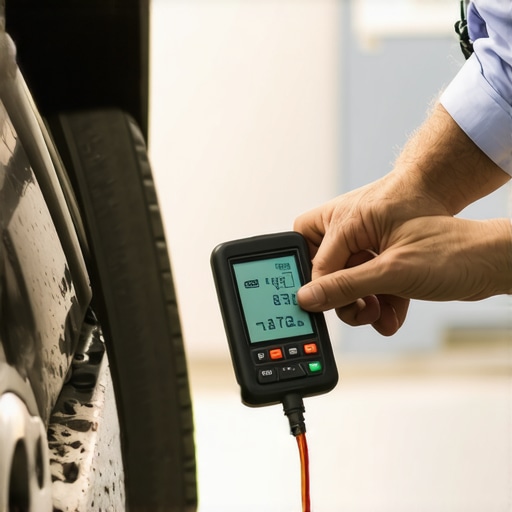
Why Does the Pedal Feel Solid While the Dashboard is Panicking?
If your reservoir is full and the pads are fresh, but the light still winks at you during a cloverleaf exit, you might be dealing with a collapsed internal liner. I’ve seen cases where a brake hose looks perfect on the outside but is literally strangling the fluid flow on the inside. Knowing how to spot a collapsed brake hose in seconds is a skill that separates the pros from the parts-changers. Sometimes, the pressure differential switch—a component designed to detect a leak in one half of your braking system—gets stuck after a previous repair or a hard stop. It requires a specific reset procedure that many shops skip. Have you ever fallen into the trap of topping off your fluid only to have it overflow later during a brake job? Let me know in the comments if you’ve ever had a ‘mystery’ light that turned out to be something as simple as a stuck sensor float.
Throw Away Your Old Turkey Baster
If you’re still using a turkey baster to suck old fluid out of the reservoir, we need to talk. To truly maximize your car’s lifespan with expert tune up strategies, you have to flush the entire system, not just the top inch. I personally swear by the Motive Power Bleeder. Unlike the old-school method where you yell ‘Down!’ and ‘Up!’ to a frustrated friend sitting in the driver’s seat, this tool uses a pressurized tank to push fresh fluid through the lines. It’s the only way I’ve found to guarantee there isn’t a single microscopic bubble of air trapped in the ABS module. This level of precision is exactly what’s needed when you’re troubleshooting common auto repair issues before visiting the shop.
How do I keep my braking system crisp for another 100,000 miles?
Consistency is your best friend here. According to the Brembo B-Quiet technical documentation, the secret to longevity isn’t just the fluid; it’s the lubrication of the movement points. Every time I do a brake job, I use high-temp copper anti-seize on the back of the pads and a dedicated silicone-based lube on the slide pins. If those pins seize up, your calipers won’t retract properly, leading to that dreaded low fluid level and the flickering light we discussed earlier. Following a detailed car service checklist to keep your vehicle in top shape means checking these pins every year, even if you aren’t changing the pads. This prevents the heat-cycling that causes the fluid to degrade and turn into that nasty, tea-colored liquid that eats your seals from the inside out. 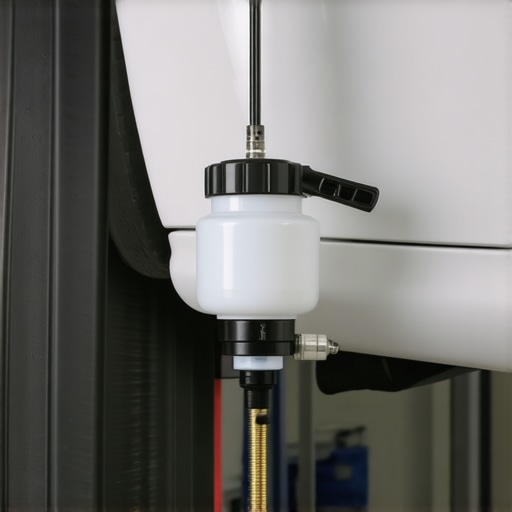
Bed Your New Pads Like a Professional
Most people drive away from a brake job and assume they’re good to go. This is a mistake. You need to follow the simple way to bed in new brake pads to transfer a thin, even layer of friction material onto the rotors. I usually do five moderate stops from 40 mph down to 10 mph, followed by two hard stops from 60 mph down to 10 mph—never coming to a complete stop until the brakes have had a few minutes to cool down while driving. This prevents high-speed vibration and ensures your stopping power is linear and predictable. When you maximize your car’s lifespan with expert tune up strategies, this bedding process is the ‘finish line’ that makes your brakes feel like they belong on a performance machine rather than a grocery getter.
Why Software is the Future of Your Brake Pedal
Looking ahead, we are seeing a massive shift in how cars stop. As we look at auto repair trends to watch in 2025, ‘brake-by-wire’ systems are becoming the standard. These systems replace the physical connection between your foot and the master cylinder with sensors and actuators. This means the flickering light caused by a low-float sensor will eventually be replaced by a software diagnostic code that can tell you exactly which wheel is having an issue. While this makes the car smarter, it makes our DIY jobs a bit more complex, often requiring a bidirectional scan tool to even bleed the lines. How regular tune-ups improve fuel efficiency and safety is evolving to include software updates and sensor calibrations along with physical inspections.
My advanced tip for you today? Go out to your car, pop the hood, and gently wiggle the electrical connector on the side of your brake fluid reservoir while the engine is running. If the light on your dash flickers while you’re doing it, you don’t have a fluid problem—you have a loose ground or a corroded pin. It’s a five-minute fix that can save you a $500 trip to the mechanic for a repair you don’t actually need.
The Expensive Mistakes I Made So You Don’t Have To
One of the biggest eye-openers for me was realizing that the brake light isn’t just a ‘broken’ light—it is a sophisticated communication tool. I used to think every dashboard flicker meant a thousand-dollar repair, but often it’s just physics at work. I’ve learned that ignoring these signs is how you turn a simple pad replacement into a full-blown system failure. Before you let anxiety take over, check out these brake service myths to clear up common misconceptions. Remember, a low reservoir is usually a symptom of wear, not necessarily a leak. It’s your car’s way of asking for a check-up before things get expensive.
A Few Tools Every Driveway Mechanic Needs
If you want to move beyond just staring at your engine bay, you need the right gear. I personally rely on a high-quality pressure bleeder and a digital caliper for measuring pad thickness—guessing with your eyes is never enough. I also suggest keeping a physical car service checklist in your glovebox so you never miss a fluid interval. Trusting your own data over a generic ‘service soon’ light is how you truly master your vehicle’s maintenance. #IMAGE_PLACEHOLDER_E#
Stop Fearing the Dashboard and Start Driving with Confidence
Fixing that flickering light isn’t just about making the red glow go away; it’s about reclaiming the peace of mind you deserve every time you merge onto the highway. When you take the time to maximize your car’s lifespan with expert tune up strategies, you aren’t just saving money—you’re ensuring your safety and the safety of everyone on the road with you. You’ve got the knowledge now, so go pop that hood and take a look. Have you ever had a dashboard light turn out to be something incredibly simple like a loose sensor? Let me know your stories in the comments below!