
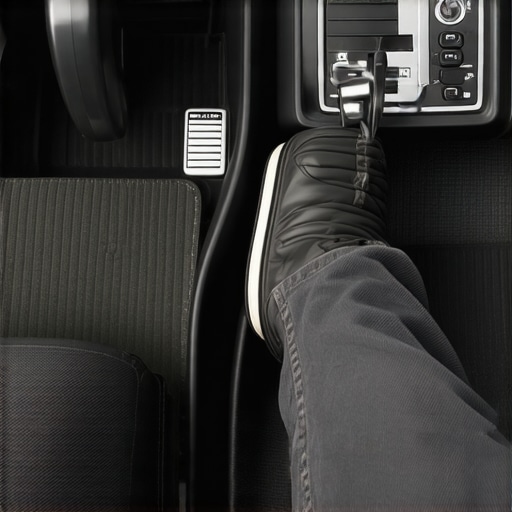
I’ll never forget the rainy Tuesday I was sitting at the corner of 5th and Main. I had my foot firmly on the brake pedal, waiting for the light to turn green, when I felt it—a slow, agonizing creep. My foot was slowly descending toward the carpet, even though I hadn’t changed my pressure. My heart did a little somersault as I wondered if my car was about to roll into the intersection. I pumped the brakes, and they felt okay for a second, but then it happened again at the next light. I tried to convince myself it was just a quirk of an aging vehicle, but deep down, I knew my daily driver was trying to tell me something urgent. I was honestly scared to even pull into my own driveway that afternoon. [IMAGE_PLACEHOLDER]
Your brake pedal shouldn’t feel like a wet sponge
Having a pedal that slowly sinks while you are stationary is one of the most unnerving feelings a driver can experience. It usually points to a slow loss of hydraulic pressure or a failure within the master cylinder itself. I used to think I could just keep ‘pumping’ the brakes to get by, which was probably the most dangerous mistake I ever made behind the wheel. Early in my DIY journey, I once replaced my brake pads thinking it would fix a soft pedal, but I completely ignored the internal pressure loss because I couldn’t see a puddle on the ground. I eventually learned that ignoring the early signs of understanding brake system repairs only leads to more expensive—and scarier—problems down the road. Today, I want to walk you through exactly why this happens and how we can pin down the culprit before you end up overshooting a stop sign.
Is a soft pedal actually a safety emergency?
It’s easy to be skeptical when a car still stops ‘mostly’ fine. We’ve all heard those brake service myths about mechanics upselling parts you don’t need just because a pedal feels a little ‘off.’ But when it comes to a sinking pedal, it’s rarely a ‘nice-to-fix’ situation; it’s a mechanical red flag. According to the National Highway Traffic Safety Administration (NHTSA), brake-related issues are a factor in roughly 22% of crashes caused by vehicle failure. This isn’t just about keeping up with auto repair trends; it’s about basic physics and your ability to stop when it counts. We are going to dig into the hidden culprit behind a spongy brake pedal and determine if you are dealing with air in the lines or how to tell if your brake booster is losing pressure. Have you ever felt that terrifying slow sink while waiting for a light to change? I’d love to hear your story in the comments. Let’s make sure your next car service actually fixes the root cause so you can drive with confidence again.
Hunt for the Puddle Under the Wheel
The first thing I always do is a literal crawl on the pavement. Think of your braking system like a closed loop of garden hoses; if there is a hole anywhere, the pressure escapes. Grab a flashlight and look behind each wheel for wet spots. If you see fluid dripping down the inside of the tire, you are likely looking at a wheel cylinder or caliper failure. I once spent an entire Saturday afternoon trying to ‘adjust’ my rear drums, only to realize that a tiny, almost invisible weep on the left rear cylinder was the reason my pedal felt like mush. You can learn how to spot a leaking brake caliper before it fails just by looking for that telltale oily sheen on the components. If everything looks dry at the wheels, trace the hard lines back toward the engine. A rusted line can develop a pinhole that only leaks when you really stand on the pedal. 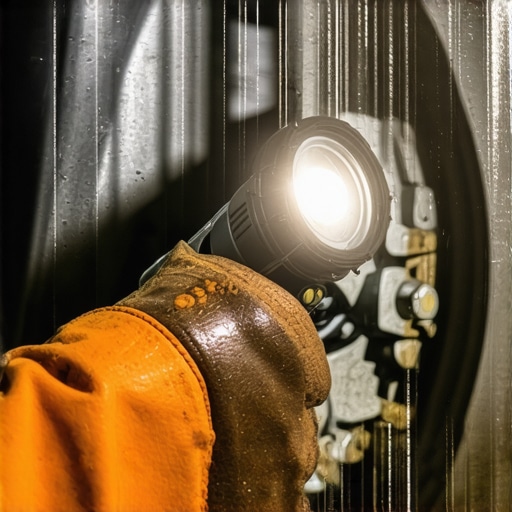
Is Your Master Cylinder Bypassing Internally?
This is the tricky part that catches most DIYers off guard. If your fluid level is full and you don’t see a single drop on the ground, the problem is likely inside the master cylinder. Inside that metal housing, rubber seals push the fluid forward. When those seals wear out, fluid can ‘leak’ past them internally back into the reservoir. You get zero external mess, but you lose all your stopping power. It’s exactly like a syringe with a worn-out rubber plunger; you push, but the liquid just slips behind the seal. To test this, with the engine off, pump the brake pedal until it’s firm, then hold it. If it slowly starts to drop toward the floor under steady pressure, those internal seals are toast. This is often why people find themselves understanding brake system repairs the hard way—by replacing the easy parts first while the real culprit stays hidden inside a shiny metal cast.
Check for the Rubber Balloon Effect
Not every pressure loss is a leak. Sometimes, it’s the hoses themselves. Over time, the rubber brake hoses that connect your frame to your calipers get soft. When you hit the brakes, instead of the fluid pushing the piston, it actually causes the hose to swell up like a long, skinny balloon. You can actually see this happen if you have a friend pump the brakes while you watch the hose. If you see any bulging, you need to know how to spot a collapsed brake hose in seconds because that swelling is stealing the force meant for your pads.
Get the Air Out Without Making a Mess
If you’ve recently opened the system or even if the fluid got too low, air is now your enemy. Air compresses, but brake fluid doesn’t. That ‘spongy’ feeling is usually just you squishing air bubbles. I remember my first solo attempt at bleeding brakes; I didn’t tighten the bleeder screw enough and sucked more air in than I started with. It was a disaster that left me with no brakes at all for twenty minutes. Now, I always use a one-way bleeder bottle or a vacuum pump. Make sure you know the hidden culprit behind a spongy brake pedal before you start, as air can hide in the ABS module, requiring a specific scan tool to cycle the valves. If you’ve been parked for a while and the pedal feels off, check if your brakes feel soft after being parked for a week, as moisture can enter the fluid and create air pockets over time.Most people assume that if you have a soft pedal, you just need to bleed the lines until the bubbles stop. But here is where I disagree with the ‘old school’ crowd: manual bleeding can actually be counterproductive on modern vehicles. If your car has a complex ABS (Anti-lock Braking System), the traditional pump-and-hold method often fails to clear air trapped inside the internal valves of the modulator. In my experience, relying solely on manual labor without an electronic scan tool to cycle those valves is why so many DIYers end up frustrated. You think you’ve fixed it, but the hidden culprit behind a spongy brake pedal is still lurking deep in the electronics. 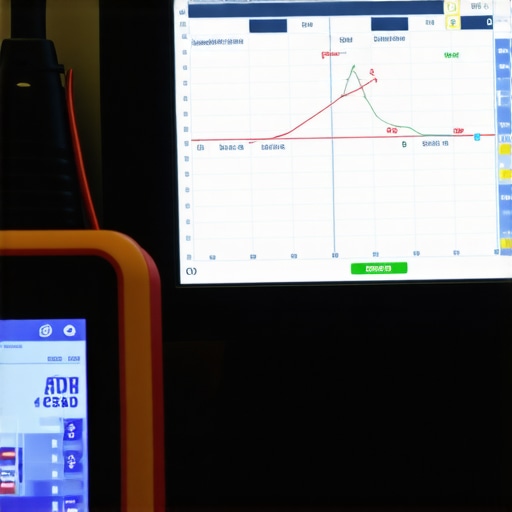
The ‘Oops’ factor of old fluid and over-torquing
The biggest trap I see people fall into isn’t just mechanical—it’s chemical. Brake fluid is hygroscopic, which means it literally sucks moisture out of the air the moment you open the bottle. I’ve seen enthusiasts use a half-empty bottle of fluid that’s been sitting on a garage shelf for two years, unknowingly introducing water into their system. According to the Society of Automotive Engineers (SAE), even a 3% water contamination can lower the boiling point of your brake fluid by over 100 degrees Fahrenheit. This leads to sudden ‘vapor lock’ where your fluid turns to gas under heat, and your pedal goes straight to the floor when you need it most. Another common mistake is over-tightening the bleeder screws. I once snapped a screw clean off in the caliper because I wanted to make sure it was ‘extra tight.’ Now, I always use a small torque wrench to avoid turning a simple maintenance task into a full-blown caliper replacement. Always review your car service checklist to ensure you aren’t skipping these fine details.
Could your ‘warped’ rotors actually just be dirty?
This is a nuance that most big-box repair shops won’t bother to explain. People often complain about a pulsing pedal and assume they have warped metal. However, the reason why your brake rotors keep warping every few months is often just uneven friction material deposits, not a bent rotor. If you don’t follow the simple way to bed-in new brake pads, the pads will transfer material unevenly to the disc surface, creating ‘hot spots.’ Before you throw money at new rotors, try a series of controlled stops to clean the surface. Have you ever replaced your brakes only to have the same shaking or sinking feeling return a month later? I’d love to hear about the ‘ghost in the machine’ problems you’ve faced in the comments. Digging into brake service myths is the only way to move beyond basic repairs and into true automotive mastery.
The professional tools that finally ended my frustration
When I moved past basic pad swaps, I realized that feeling the problem wasn’t enough; I needed to measure it. The single best investment I ever made for my garage was a bi-directional scan tool. Unlike the cheap code readers you find at big-box stores, this tool allows me to manually command the ABS pump to run and open the internal valves. This is the only way to truly solve troubleshooting common auto repair issues before visiting the shop when air gets trapped in the modulator. I also swear by an electronic brake fluid tester. Instead of guessing by the color of the fluid, these little pens measure the actual moisture content. If it glows red, I know I have over 3% water, and it’s time for a flush, regardless of what the odometer says. Using these precision tools is how you tune-up your car for peak performance without wasting money on parts that aren’t actually broken. 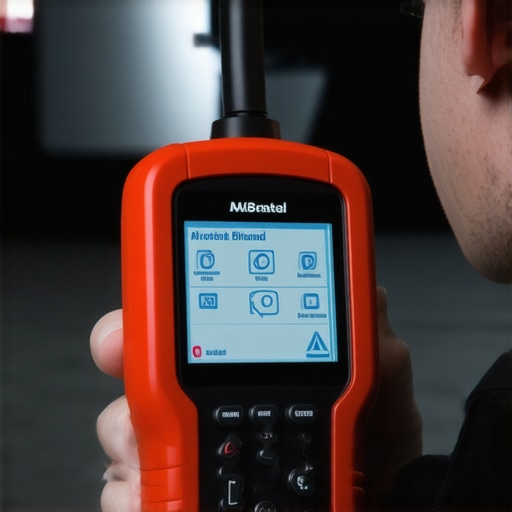
How do I keep my brake system in top shape for the long haul?
Maintenance isn’t a one-time event; it’s a rhythm. To maximize your car’s lifespan with expert tune-up strategies, you have to look beyond the wear items. Every two years, I perform a full system flush using a pressure bleeder. This tool screws onto the master cylinder and pushes fresh fluid through the entire system at a steady 15 psi, ensuring no air bubbles are introduced. It’s significantly more effective than the ‘pumping the pedal’ method which can actually damage the seals in an older master cylinder by pushing them into unused, potentially corroded areas of the bore. According to technical documentation from Robert Bosch GmbH, modern Electronic Stability Program (ESP) systems require specific low-viscosity fluids (like DOT 4 LV) to maintain millisecond-fast reaction times during emergency maneuvers. Using the wrong fluid type can lead to a sluggish pedal feel that no amount of bleeding will fix.
The future of stopping is already here
As we look at auto repair trends to watch in 2025, we are seeing a massive shift toward ‘brake-by-wire’ systems. In these setups, your pedal isn’t physically connected to a master cylinder; it’s a simulator that sends an electrical signal to a computer. This means the ‘spongy’ feeling we’ve been discussing might become a software calibration issue rather than a mechanical leak. For now, though, our hydraulic systems remain the gold standard for tactile feedback. My best advice for you this weekend is to go out and check your brake fluid’s moisture level with a dedicated tester—don’t just trust your eyes. It’s a five-minute check that could prevent a complete system failure during your next mountain descent.
Hard-Won Wisdom from My Years Under the Chassis
Looking back at dozens of brake jobs, I’ve realized that the most dangerous problems are often the ones you can’t see. First, never trust the color of your fluid; clear fluid can still be saturated with moisture that will boil under heavy braking. I learned the hard way that understanding brake system repairs requires a healthy respect for chemistry, not just mechanics. Second, stop pumping the pedal to bleed modern cars. This can actually stroke the master cylinder piston into areas of the bore that are corroded, tearing the seals and creating the very sink you’re trying to fix. Finally, remember that your rear brakes matter more than you think. If they aren’t adjusted properly or are leaking, your front brakes have to work twice as hard, leading to heat soak and a mushy pedal. Learning to do troubleshooting common auto repair issues before visiting the shop will save you from replacing parts that are still perfectly fine. [IMAGE_PLACEHOLDER]
The Only Gear I Trust for a Perfect Pedal Feel
If you want to move beyond basic maintenance, you need the right gear. I always keep a pressure bleeder in my cabinet; it’s the only way to get a professional-grade bleed without a second person. It’s an essential item on any car service checklist for someone serious about safety. I also recommend a high-quality flare nut wrench set. Regular open-ended wrenches will round off your brake line fittings in a heartbeat, turning a ten-minute job into a weekend-long nightmare. Lastly, always keep a bottle of low-viscosity DOT 4 fluid on hand, as many modern ABS systems require it to function at high speeds. Keeping these tools ready is how you how regular tune-ups improve fuel efficiency and safety by ensuring every system is operating at peak performance.
Take the Fear Out of Your Next Hard Stop
There is a unique kind of peace of mind that comes from knowing exactly how your car will react when you hit the brakes. You shouldn’t have to wonder if the pedal is going to hold or if you’ll have to pump it to find pressure. By tackling these issues head-on—whether it’s a bypass in the master cylinder or just old, watery fluid—you are taking charge of your safety and the safety of everyone on the road. A proper brake service isn’t just about new pads; it’s about the integrity of the entire hydraulic loop. Don’t be afraid to get your hands dirty and really look at what those lines are telling you. Have you ever felt that terrifying sink while waiting at a red light? Let me know what the culprit turned out to be in the comments below.