
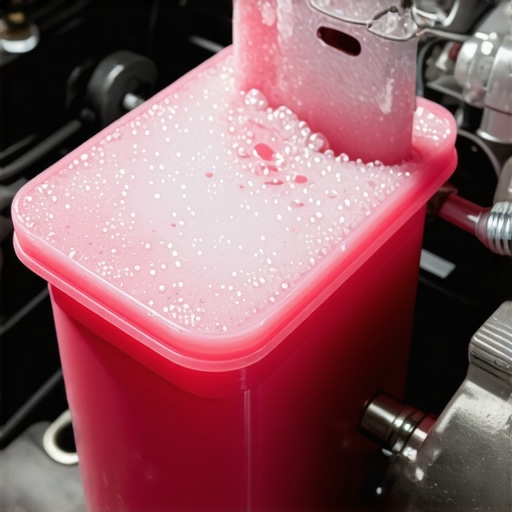
I still remember the morning I thought my car was possessed. I was backing out of the driveway, and my steering wheel started groaning like a haunted house door. It wasn’t just a noise; I could feel a strange vibration through my palms. When I finally popped the hood, I didn’t find a leak. Instead, I saw a reservoir full of pink, bubbly froth that looked exactly like a strawberry milkshake. It was a mess.
Stop Driving if Your Steering Fluid Looks Like a Milkshake
If you are seeing bubbles, your car is telling you it’s thirsty for air, not just fluid. I made a massive mistake early on by thinking I just needed to top it off. I poured more fluid in, but the foam just overflowed and made a greasy disaster on my driveway. Before you go spending money, you should learn how to check your power steering fluid the right way to see the difference between low levels and aeration. Foamy fluid happens when air gets sucked into the system, usually on the intake side of the pump. Since the fluid is under pressure, that tiny bit of air gets whipped into millions of microscopic bubbles.
Is a tiny air leak really enough to ruin my steering?
You might think a pinhole leak wouldn’t matter, but in a hydraulic system, it changes everything. According to the automotive experts at Car and Driver, air in the power steering system leads to cavitation, which can actually erode the internal metal surfaces of your pump over time. It is not just annoying; it is destructive. This is why the ultimate car service guide always emphasizes catching these small symptoms early. Have you ever opened your hood and found a frothy mess waiting for you, or is this your first time dealing with the dreaded power steering whine?
Don’t Buy a New Pump Until You Check the O-Rings
My biggest face-palm moment was almost buying a $300 pump because a mechanic told me the internal seals were shot. Luckily, I decided to do some troubleshooting common auto repair issues before visiting the shop. It turns out that on many cars, a simple fifty-cent O-ring on the intake nipple gets brittle over time. When it gets cold, that rubber shrinks, and the pump sucks in air like a straw with a crack in it. You might also want to investigate how to tell if your rack and pinion is leaking fluid, as a leak further down the line can sometimes introduce air into the return path. Today, I’m going to show you exactly how to find that air entry point so you can stop the foam and save your pump.
Hunt Down the Air Entry Point with This Simple Trick
To fix the foam, you have to find where the air is sneakily hitching a ride into your fluid. Think of your power steering pump like a straw in a milkshake; if there is a tiny crack in the straw, you get more air than drink. A great way to find the leak is to clean the area around the intake hose—the fat one leading from the reservoir to the pump—and then apply a little bit of soapy water or even look for wet spots while someone turns the steering wheel. If you see bubbles forming on the outside or fluid weeping out, you’ve found your culprit. This is a vital part of the 5-minute check to prevent transmission failure and steering collapse. Usually, the leak isn’t a massive hole; it is a microscopic gap caused by a hardened rubber hose or a loose clamp. If the hose feels rock-hard when you squeeze it, it is no longer making a proper seal. This kind of troubleshooting is very similar to how to fix a squealing belt using the water spray test because it relies on visual cues rather than expensive diagnostic computers.
Swap Out That Fifty-Cent Seal Before It Costs You a Pump
Once you identify that the air is entering at the pump’s intake nipple, the fix is usually a small rubber O-ring. I remember the time I tried to use a pair of kitchen pliers to get a stubborn hose clamp off the reservoir. The clamp snapped back, my hand hit the radiator, and I ended up dropping the new O-ring into the engine bay abyss. I had to go back to the parts store on a bicycle because my car was disabled. It taught me that having the proper tools for a tune up for peak performance is cheaper than the frustration of a quick fix gone wrong. To do this right, drain a bit of fluid so it’s below the hose level, pull the hose off the pump, and unscrew the single bolt holding the intake connector. You’ll see a small O-ring on that plastic or metal piece. Replace it with a new, fluid-resistant one, and coat it in a bit of fresh steering fluid before reassembling. 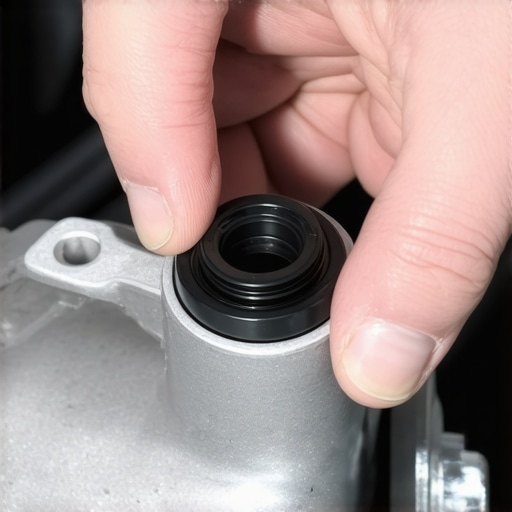
Burp the System to Kill the Bubbles for Good
After you have sealed the leak, you cannot just drive away. The system is still full of that frothy strawberry milkshake mess, and that air needs to go. Just like you might need to learn how to check transmission fluid levels without a dipstick, you need a specific technique for bleeding power steering. With the engine OFF, jack up the front of the car so the wheels are off the ground. Open the reservoir cap and slowly turn the steering wheel all the way to the left, then all the way to the right. Do this about 20 times. You will see bubbles rising in the reservoir; this is the air escaping the rack and lines. This patient approach is what helps maximize your car’s lifespan with expert tune-up strategies because it prevents the pump from running dry and seizing. Once the bubbles stop appearing, start the engine briefly, check the level, and top it off. If the whine persists, let the car sit overnight to let the microscopic bubbles settle into larger ones that are easier to bleed out the next morning.Once those bubbles are gone, you might feel like a hero, but do not get too comfortable just yet. There is a massive misconception in the DIY world that power steering fluid is a ‘set it and forget it’ part of the car’s life. Many manufacturers claim their fluids are ‘lifetime,’ but in my years under the hood, I have seen that ‘lifetime’ usually just means the lifetime of the warranty. Let’s dig deeper into why ignoring this can be just as dangerous as falling for common brake service myths what you need to know before your next stop. Over time, the fluid undergoes thermal degradation. As highlighted by the Car Care Council, hydraulic fluids endure extreme heat and friction that eventually break down the protective additives, turning what should be a lubricant into an abrasive sludge. If you want to maximize your car’s lifespan with expert tune-up strategies, you need to accept that no fluid lasts forever.
Why Universal Fluid Is Usually a Bad Idea
The biggest ‘oops’ factor I see with DIYers is the ‘Universal’ bottle trap. You are at the auto parts store, see a bottle that says ‘Works for all models,’ and think you are safe. This is a gamble you do not want to take. European cars, for instance, often require very specific mineral-based fluids like Pentosin, while many domestic trucks run on standard ATF. Mixing these is a recipe for a chemical reaction that can swell your seals and lead to a total system failure. It is a level of precision required in all car maintenance, much like the trick to replacing a spark plug without stripping threads. Always check your owner’s manual or the cap itself before pouring a drop. 
Can contaminated fluid really destroy my steering rack?
Many advanced enthusiasts ask if dark fluid is just a cosmetic issue. The answer is a firm no. When fluid turns black, it’s often carrying suspended metal particles and rubber bits from deteriorating hoses. This slurry acts like liquid sandpaper on the delicate valves inside your rack and pinion. This is why understanding brake system repairs a guide for vehicle owners is so similar; heat and contamination are the silent killers of any hydraulic setup. Just as why your brake rotors keep warping every few months is often tied to heat management, your power steering pump will overheat if the fluid can no longer dissipate energy efficiently.
Check the Hidden Filter Before Replacing Parts
Here is a nuance most mechanics will not tell you: many power steering reservoirs have a fine mesh screen built into the bottom. When people complain of a ‘whine’ even after a fluid change, they often assume the pump is dead. In reality, that tiny screen is clogged with debris, starving the pump of fluid. Instead of a $400 repair, you might just need a $20 reservoir or a good cleaning with some brake cleaner. Do not let how to tell if your computer is giving you a false error code lead you toward replacing expensive mechanical parts when a simple physical blockage is the culprit. Have you ever fallen into this ‘universal fluid’ trap or replaced a pump only to find a clogged screen? Let me know in the comments below.
Stop Making a Mess and Use a Fluid Extractor Instead
I’ve spent countless hours trying to drain power steering fluid using the ‘disconnect the return hose’ method, and every single time, I ended up with a face full of red oil and a driveway that looked like a crime scene. Nowadays, I don’t touch a steering system without my handheld vacuum extractor. Specifically, I use the Mityvac MV8000 because it allows me to pull the old, burnt fluid directly out of the reservoir without cracking a single line. It’s a game-changer for anyone following a car service checklist how to keep your vehicle in top shape. By using a vacuum pump, you can suck out the old fluid, refill it with fresh stuff, and repeat the process after a short drive. This ‘dilution’ method is much safer for older seals than a high-pressure machine flush. It’s the same philosophy I apply when I maximize your car’s lifespan with expert tune-up strategies: slow, steady, and clean wins the race every time. 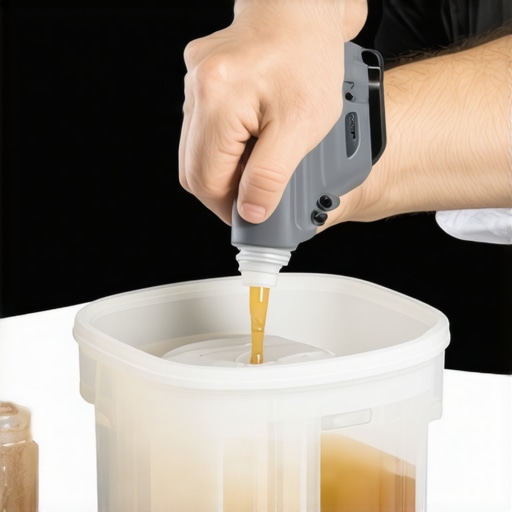
How do I keep my steering system healthy for the long haul?
Maintenance isn’t just about fixing what is broken; it is about preventing the chemical breakdown that kills pumps. According to technical documentation from the Society of Automotive Engineers (SAE), specifically in reports like SAE J1894, the thermal stability of hydraulic steering fluids is significantly compromised once moisture content or oxidation levels rise. To combat this, I recommend a partial fluid swap every 30,000 miles. This simple step is just as critical as knowing how regular tune-ups improve fuel efficiency and safety. If you wait for the pump to start whining, the damage to the internal vanes is often already done. Think of it as a tune up for peak performance; you wouldn’t wait for your engine to knock before changing the oil, so don’t wait for your steering to groan.
The Death of Hydraulics and What It Means for You
Looking forward, we are seeing a massive shift in how cars handle. If you are keeping an eye on auto repair trends to watch in 2025 staying ahead of the curve, you’ve likely noticed that traditional hydraulic pumps are disappearing. Electric Power Steering (EPS) is taking over. While EPS systems mean you never have to worry about foamy ‘strawberry milkshake’ fluid again, they come with their own set of electrical gremlins and expensive motor failures. For those of us still driving hydraulic legends, our job is to preserve the hardware we have. This is why the ultimate car service guide is becoming more relevant as parts for these older systems become rarer. My challenge for you this weekend: don’t just check the level of your steering fluid; smell it. If it has a pungent, burnt odor, it is time for a refresh. Have you tried a vacuum extractor yet, or are you still doing it the messy way?
Lessons from the Greasy Side of the Driveway
One of the hardest things to accept when you are knee-deep in a repair is that the smallest part is often the biggest culprit. I spent years assuming that a screaming pump meant a total mechanical failure, but experience taught me that 90% of ‘milkshake’ fluid issues are just a five-cent O-ring away from being solved. Another lightbulb moment was realizing that ‘lifetime’ fluid is a marketing myth designed to get you into the service bay for a full replacement later; proactive maintenance is the only real way to avoid a steering collapse. I also learned the hard way that you cannot rush the air-bleeding process. If you don’t give those microscopic bubbles time to settle, you will be chasing your tail for days. Always refer back to the ultimate car service guide to ensure you aren’t missing these nuance-heavy steps. Taking the time for troubleshooting common auto repair issues before visiting the shop can literally save you hundreds of dollars in unnecessary labor costs.
My Go-To Tools for a Silent Steering System
If you want to do this right, you need more than just a wrench. I swear by my Mityvac MV8000 vacuum pump; it turns a messy fluid swap into a clean, professional job. It is a staple in my tune up for peak performance toolkit because it prevents spills and ensures a deep vacuum. I also highly recommend a Viton O-ring kit. Unlike standard rubber, Viton is chemically resistant to the harsh additives in power steering fluid, making your fix permanent rather than temporary. Lastly, never underestimate a specific shop manual for your exact VIN. Generic advice is great, but knowing the precise torque specs for your intake nipple bolt is what prevents future leaks and helps maximize your car’s lifespan with expert tune-up strategies.
Reclaim Your Quiet Commute
Fixing that groaning, foamy power steering system is about more than just peace and quiet; it is about regaining confidence in your vehicle. When you take the time to seal those air leaks and refresh your fluid, you are making a direct investment in your safety and vehicle longevity. This kind of attention to detail is exactly how regular tune-ups improve fuel efficiency and safety over the long haul. Don’t let a little foam intimidate you. Grab your tools, find that air leak, and enjoy the silence of a perfectly functioning hydraulic system. Have you ever been told you needed a whole new steering pump only to find out it was just a tiny O-ring causing the trouble? Let me know your story in the comments below!