
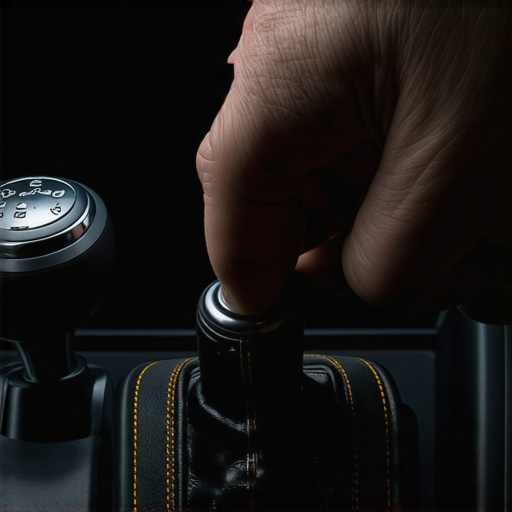
The light turned green, I eased off the clutch, and… *crunch*. That sound—that horrific, metallic scream of a gear refusing to engage—is exactly how my Saturday morning started three years ago. I was stuck in the middle of a busy intersection, frantically wrestling with the shifter while a line of honking cars grew behind me. It wasn’t just embarrassing; it was a wake-up call that my reliable daily driver was hiding an expensive secret. If you’ve felt that weird resistance or heard that tell-tale grind when moving from first to second, you aren’t alone. It’s one of those “clench your teeth” moments that makes you wonder if your transmission is about to drop out onto the pavement. Today, I’m going to walk you through exactly why your car is being stubborn and how we can get that smooth shift back without necessarily losing a month’s rent at a repair shop. Dealing with a car that won’t behave is a special kind of stress, but most of the time, the fix is closer than you think.
Stop Fighting Your Gearbox Every Morning
I’ll be honest: I made a huge mistake early on. I assumed that because my car eventually shifted once it “warmed up,” I could just ignore the problem. I even joked that my car just wasn’t a morning person. That bit of laziness led to a repair bill that still makes my wallet ache. The truth is, that hesitation is your car’s way of screaming for help. Whether you’re dealing with a manual or an automatic, second gear is often the first to show signs of wear because of how often we use it in stop-and-go traffic. It’s the gear that takes the brunt of our daily commutes. If you’re noticing a delay, or if the engine revs up before finally “slamming” into second, you’re dealing with a synchronization or pressure issue that needs your attention before it turns into a permanent failure. I remember thinking I could just skip second and go straight to third, which is a great way to destroy your clutch and your spirit at the same time.
Is This Just the Beginning of an Expensive Nightmare?
It’s the question we all ask when the car starts acting up. You might be worried that a simple “hiccup” means the entire transmission is shot. While Consumer Reports notes that transmission replacements are among the most expensive repairs a vehicle owner can face, the reality is often much simpler. Sometimes, you’re just dealing with old, burnt-up fluid that’s lost its ability to lubricate the moving parts. This is why I’ll never skip a transmission fluid change again. I’ve learned the hard way that a little bit of proactive care is the difference between a car that hits 200,000 miles and one that ends up in a scrap yard. Have you ever had that terrifying moment where the car just refuses to go into gear when you need it most? Tell me I’m not the only one who has had to limp home in first gear! To figure this out, we have to look at the basics. Before you panic, you should learn how to check transmission fluid levels without a dipstick, as many modern cars have “sealed” units that are actually quite easy to inspect if you know the trick. If you’re lucky, a simple car service might be all it takes to clear out the gunk. But we need to look closer at what’s actually happening inside that metal box under your floorboards. If you notice things are getting too hot, you should definitely know how to know if your transmission is overheating without a gauge. Let’s dive into the common culprits that turn a simple shift into a wrestling match.
Don’t Let Dirty Fluid Kill Your Momentum
The first thing I always do is check the fluid’s color and smell. Think of transmission fluid like blood; if it’s dark and smells like burnt toast, the ‘organism’ is in trouble. I remember one humid July afternoon, I finally drained the pan on my old sedan. The fluid was so thick and black it looked like molasses. I replaced it, followed a proper car service checklist, and the difference was night and day. The second gear ‘thud’ turned into a gentle click. If your car has a dipstick, pull it out and wipe it on a white paper towel. Red is healthy. Brown or black means you’re overdue for a tune-up. #IMAGE_PLACE_HOLDER_B#
Master the Art of the Synchronization Check
If you’re driving a manual, that grind into second usually means your synchronizer rings are worn. Think of a synchronizer as a tiny clutch inside the gearbox that matches the speed of the gear to the speed of the shaft. When they’re tired, they can’t ‘dance’ fast enough. I once spent three hours in a cramped garage trying to diagnose a ‘phantom grind’ only to realize I was just low on fluid, which prevented the synchros from grabbing correctly. Before you pull the whole transmission, try a fluid swap with a high-quality synthetic. It’s a classic trick for troubleshooting common auto repair issues before visiting the shop. If you have an automatic and it’s ‘hunting’ for second, you might be looking at a failing shift solenoid, which is basically an electronic gatekeeper.
Tighten the Slop in Your Shifter Linkage
Sometimes the problem isn’t inside the transmission at all; it’s the physical connection between your hand and the gears. Over time, the plastic bushings in your shifter linkage can turn to dust. This creates ‘slop,’ where you think you’re pushing the lever into second, but the linkage is only moving it halfway. I once had a project car where the shifter felt like a spoon in a bowl of oatmeal. Replacing two $10 bushings fixed a problem I thought was going to cost $2,000. It’s an essential part of any car service to inspect these wear items. While you’re under there, it’s also a good time to ensure your brake service hasn’t been neglected. For automatic transmissions, heat is the ultimate enemy. If the fluid gets too hot, it loses its viscosity and can’t provide the hydraulic pressure needed to engage the second-gear clutch pack. Knowing how to know if your transmission is overheating without a gauge is vital. If this happens, a simple drain and fill might not be enough; you may need to look at an external cooler or a more intensive car tune-up to ensure the cooling system is actually doing its job. Don’t ignore the signs just because the car still moves.It’s easy to get tunnel vision when your car starts acting up. Most drivers think that if the car jerks during a shift, the transmission is doomed. But here is the thing: I’ve seen countless people waste money on a full rebuild when they actually just had a bad engine mount or warped rotors. We need to talk about the ‘lifetime fluid’ lie. Manufacturers love to claim their transmissions are sealed for life, but the Society of Automotive Engineers (SAE) has published numerous papers highlighting how thermal cycling eventually shears those long-chain polymers in the fluid, turning it into useless water. If you believe the ‘lifetime’ claim, you’re essentially setting a timer for your gearbox to fail right after the warranty expires. This is why I always lean toward the truth about synthetic oil in high-mileage engines when I’m planning my long-term maintenance. #IMAGE_PLACE_HOLDER_C#
Stop Your Brakes From Lying About Your Gearbox
Did you know that a shuddering sensation when you slow down into second gear isn’t always the transmission? I once had a reader who was convinced their second gear was ‘slipping,’ but it turned out their rear brake rotors were so warped they were vibrating the entire drivetrain. It’s one of the biggest brake service myths out there—that brakes only affect the car when you’re standing on the pedal. In reality, a dragging caliper can put just enough load on the engine to make a gear shift feel clunky. Before you drop thousands on a transmission tech, ensure you aren’t falling for the correct way to torque lug nuts to prevent rotor warping, as even a small mistake there can ruin your drive quality.
Could a Ghost Electrical Leak Be Mimicking Mechanical Failure?
This is the nuance most DIYers miss. Modern transmissions are essentially computers that happen to move gears. If your battery terminal is corroded or you have a failing ground wire, the shift solenoids won’t get enough voltage to fire correctly. The car will ‘hunt’ for gears or slam into second because the electronic signal was interrupted for a millisecond. I’ve seen how professional diagnostics found my ghost electrical leak after I spent weeks chasing a mechanical ghost. Don’t be the person who replaces a $3,000 transmission when a simple cleaning of your battery terminals was the actual fix. Have you ever fallen into this trap and replaced a part that didn’t need replacing? Let me know in the comments—I’ve definitely been there, and it’s a lesson you only want to learn once.
The Tools That Finally Ended My Gearbox Anxiety
To stop the guesswork, I finally invested in a bidirectional OBD-II scanner. If you’re serious about DIY, a basic code reader won’t cut it. I use an Autel unit because it allows me to perform ‘active tests’—I can literally tell the car’s computer to engage the second-gear solenoid while I’m sitting in the driveway. This is how you differentiate between a mechanical gear failure and an electronic command issue. Beyond the electronics, I swear by a vacuum-powered fluid extractor. I used to dread the mess of dropping a transmission pan to check the filter, but these extractors make a car service as clean as changing a lightbulb. When troubleshooting common auto repair issues before visiting the shop, having the right data is the only way to keep your mechanic honest. I’ve seen too many people pay for a rebuild when they just needed a $40 sensor they could have diagnosed themselves in five minutes. #IMAGE_PLACE_HOLDER_D#
How do I keep my drivetrain healthy for the next 100k miles?
Long-term reliability isn’t about one big repair; it’s about the ‘drain and fill’ rhythm. I’ve moved away from high-pressure ‘flushes’ entirely. Niche technical guides from Mitchell 1 often suggest that high-pressure flushes can dislodge debris that then clogs sensitive valve body ports. Instead, I perform a simple drain and fill every 30,000 miles. This ensures the additives in the fluid stay fresh without shocking the system. This proactive approach is the core of how to maximize your cars lifespan with expert tune-up strategies. If you wait until the fluid smells burnt, the damage is already done. You should also be looking at your mounts. A worn transmission mount allows the entire gearbox to tilt, which puts physical stress on the shift cables and makes that second-gear engagement feel notchier than it actually is. Keeping these rubber components fresh is a vital part of a comprehensive car tune-up that most people overlook.
Predicting the Future of DIY Maintenance
Looking ahead, I suspect we are moving toward a world where your car predicts its own failures using AI-driven vibration analysis. We are already seeing auto repair trends to watch in 2025 staying ahead of the curve that include remote diagnostics where a shop can ‘see’ your transmission’s health while you’re still driving to work. It’s exciting, but it also means we have to stay sharper. Don’t let the technology intimidate you; it’s just a new way to listen to what your car is saying. If you’re still feeling that grind today, my advanced tip is this: check your ground straps. A rusty engine-to-chassis ground can cause ‘stray current’ to travel through your shift cables, leading to micro-pitting in the bearings. Clean your grounds this weekend—it’s free, it’s fast, and it might just be the ‘magic’ fix you’ve been looking for.
The Hardest Lessons I Learned in the Transmission Trench
After years of wrestling with stubborn gearboxes, I’ve realized that the biggest barrier to a smooth drive isn’t always a broken part; it’s a lack of proactive knowledge. Here is what I wish I’d known before that first ‘crunch’ in my driveway:
- The ‘Lifetime’ Myth: If a manual or a dealership tells you the fluid is ‘sealed for life,’ they are usually defining ‘life’ as the end of the warranty period. To reach high mileage, ignore them and swap that fluid.
- Listen to the Heat: Heat is the silent killer of every automatic gearbox. If you’re towing or driving in heavy traffic, an auxiliary cooler is the best insurance policy you can buy.
- The Grounding Secret: Never underestimate a rusty ground strap. Transmissions are electronically controlled now, and poor electricity leads to poor shifting.
By staying ahead of these small details, you’ll see the truth about why my car finally hit 200000 miles while others end up in the yard. It’s about the rhythm of care, not the intensity of the repair.
The Gearhead Toolkit That Saved My Sanity
You don’t need a professional lift to diagnose most shifting issues, but you do need the right data. I personally rely on these three resources every time I feel a hitch in my drivetrain:
- A Bidirectional OBD-II Scanner: This allows you to command the car to shift while parked, helping you isolate electrical solenoid failures from mechanical gear issues.
- Vacuum Fluid Extractor: This tool turned a messy two-hour job into a clean fifteen-minute routine, making it much easier to stick to a car service checklist.
- Detailed Shop Manuals: Whether it’s a digital subscription or a physical book, having the exact torque specs prevents the over-tightening that ruins valve bodies.
Investing in these will show you how to save 500 on your next major service by giving you the confidence to handle the diagnostics yourself.
Take Back the Joy of the Drive
Don’t let a stubborn second gear make you fall out of love with your vehicle. Most of the time, the fix is just a weekend afternoon and a few liters of fresh fluid away. Whether you’re diving into understanding brake system repairs or tackling a transmission flush, every bit of work you do builds a deeper connection with your machine. Real auto repair isn’t just about fixing what’s broken; it’s about mastering the machine you rely on every day. Have you ever had a car that refused to go into gear just when you needed it most? Let me know your shift-struggle stories in the comments below!