

Last February, I spent three weeks driving to work in a heavy parka. I’m not even joking. My old truck just wouldn’t get warm, and I was absolutely convinced the entire cooling system was on its last legs. I spent nights scrolling through the ultimate car service guide, dreading the cost of a new heater core or a water pump. I even looked up how to spot a coolant leak before your temperature gauge spikes, thinking maybe I was just dangerously low on fluid. It turns out, I was overthinking the whole thing. A buddy of mine walked over, touched my upper radiator hose while the engine was still supposedly ‘warming up,’ and just shook his head. It was a stuck-open thermostat. A simple, fifteen-dollar part had me shivering for a month because I didn’t know this one simple trick. [image: Checking the radiator hose]
The Shivering Drive That Taught Me a Lesson
Dealing with a car that won’t warm up is more than just a nuisance; it’s a silent drain on your wallet and your engine’s longevity. When I finally figured out my thermostat was stuck, I realized I had been making a classic rookie mistake. I assumed a complex problem required an expensive solution. In reality, the thermostat is just a mechanical gatekeeper. If it’s stuck open, it’s letting all your heat escape to the radiator before the engine has a chance to reach its operating temperature. This is precisely why your car heater takes forever to warm up in the morning. I’ve seen folks spend hundreds on unnecessary parts when all they needed was a fifteen-minute fix. According to automotive experts at Car and Driver, an engine that fails to reach its proper operating temperature suffers from increased internal friction and poor combustion efficiency. My gas mileage had dropped by nearly 20% because the car’s computer stayed in ‘warm-up’ mode, dumping extra fuel to try and compensate for the cold. I remember the exact moment of realization at a red light, watching the temp gauge actually drop as I sat there idling. It felt like my car was mocking me. I had just finished reading about troubleshooting common auto repair issues before visiting the shop, but I still felt like I was in over my head until I learned the ‘touch test.’
Is a cold engine really that big of a deal?
You might think, ‘Hey, I can just wear a coat,’ but your engine doesn’t have that luxury. Running cold means your oil isn’t flowing as efficiently as it should, and harmful moisture isn’t being evaporated out of the crankcase. It’s a recipe for long-term sludge and engine wear. If you’ve been putting off a car service checklist because you’re worried about the bill, let me put your mind at ease. Checking this yourself is one of the easiest ‘win’ moments you can have as a DIYer. Once you confirm the issue, you can even learn how to test your car’s thermostat in a pot of boiling water to be 100% sure before you buy the replacement part. Have you noticed your temperature needle sitting lower than usual lately, or are you still driving in your winter coat just to get to the grocery store? Let me know in the comments if you’re suspecting your thermostat is giving you the cold shoulder. Let’s get into the simple steps to diagnose this without getting your hands greasy.
Catch the Problem Early with the Five-Minute Hose Check
To diagnose this without a mechanics degree, you need to perform the ‘upper hose test.’ Think of your thermostat like a gatekeeper. When you first start your car, that gate should be closed tight to keep the coolant inside the engine block so it can heat up quickly. If the gate is stuck open, the coolant starts circulating through the radiator immediately, cooling down before it ever gets a chance to get hot. Start your car when the engine is completely cold. Open the hood and find the thick rubber hose leading from the top of the engine to the radiator. Wait about three or four minutes. If that hose starts feeling warm almost immediately, your thermostat is stuck open. On my old truck, I felt the warmth within sixty seconds of a cold start. It should stay cold until the engine reaches about 190 degrees, then suddenly get hot as the thermostat snaps open.
Why Your Wallet Hates a Cold Engine
This isn’t just about your comfort; it’s about your engine’s health. I once ignored a low temp gauge for a whole winter, thinking I was being ‘tough.’ By spring, my spark plugs were fouled and my oil looked like a science experiment. This is a prime example of how to tell if your car needs a simple tune-up or a major repair. When the engine stays cold, the computer thinks it’s still in ‘startup mode’ and keeps the fuel mixture rich. You’re essentially washing your cylinder walls with raw gasoline, which thins out your oil and causes premature wear. Learning how regular tune-ups improve fuel efficiency and safety starts with ensuring your engine can actually reach its operating temperature.
Watch Out for These Other Heating Gremlins
If the hose test passes but you’re still freezing, you might have air trapped in the system. Air pockets act like a dam, preventing hot coolant from reaching your heater core inside the dash. I remember helping a neighbor who had just changed his own coolant but forgot to ‘burp’ the system. He was convinced he needed a new water pump. We spent ten minutes idling the car with the radiator cap off (carefully!) and watched a massive bubble burp out. Suddenly, his vents were blowing fire. Before you start troubleshooting common auto repair issues before visiting the shop, check your coolant level in the overflow tank. If it’s low, you’ve got a leak somewhere. Don’t let a small mechanical gatekeeper ruin your commute. You can maximize your car’s lifespan with expert tune-up strategies by simply paying attention to that temperature needle. If it’s dancing around or staying at the bottom, grab a pair of gloves and do the hose test. It’s the difference between a $15 DIY fix and a $1,500 engine overhaul down the road. If you’re still not sure, you can always pull the part and learn how to test your car’s thermostat in a pot of boiling water right on your kitchen stove. It’s a bit weird to cook car parts, but it’s the only way to be 100% certain before you head to the parts store.One of the most expensive mistakes I see DIYers—and even some pros—make is what I call ‘blasting the parts cannon.’ We’ve been conditioned to believe that if a car stutters, it needs new plugs; if it squeaks, it needs new pads. But in the world of modern auto repair trends, the problem is rarely the hardware itself, but the environment the hardware lives in. Most people think a tune-up is a grocery list of parts to buy, but in my experience, a true service is 90% cleaning and 10% replacing. I’ve seen countless folks waste hundreds of dollars on oxygen sensors when all they really needed was to learn how a dirty mass airflow sensor can trigger a lean code error. Research from SAE International suggests that a significant percentage of ‘failed’ electronic components are actually perfectly functional, but were simply reacting to poor data or dirty connections.
Stop Blasting Your Car with the Parts Cannon
Throwing money at new parts without a proper diagnosis is the fastest way to get frustrated. Before you decide to swap out every sensor under the hood, you need to distinguish between a minor tweak and a full overhaul. I once helped a guy who had replaced his entire ignition system because of a persistent misfire, only to find out his battery terminals were slightly corroded. It’s a classic ‘trap’ to assume that a computer-generated error code points directly to a broken part. Usually, that code is just the car telling you its feelings are hurt, not that its heart has stopped.
Why Do New Brake Pads Squeal After a Professional Install?
This is a question that drives advanced enthusiasts crazy. You bought the high-end ceramic pads, you got the premium rotors, but they still sound like a dying bird. The nuance most people miss—and even some ‘express’ shops ignore—is hub runout. If you don’t clean the rust off the wheel hub with a wire brush before putting the new rotor on, that rotor will sit at a tiny, microscopic angle. This causes ‘pedal pulsation’ or uneven wear that feels like a mechanical failure. Don’t fall for these common brake service myths; often, the noise isn’t the pad, it’s the prep work.
The Invisible Ghost Hiding in Your Chassis
If you’ve been chasing a ‘ghost’ problem that only happens when it’s raining or when your headlights are on, you’re likely dealing with a bad ground. This is the ultimate ‘oops’ factor in modern car service. Because our vehicles are now rolling networks of sensors, a single loose bolt on the frame can cause your transmission to shift hard or your dashboard to light up like a Christmas tree. I always tell people to check for a blown fuse versus a bad ground wire before they start ripping out expensive control modules. It takes five minutes with a multimeter, but it can save you four figures in repair bills. Have you ever spent a fortune on a part only to find out it was a simple five-cent fix? Let me know in the comments below; I’d love to hear your ‘parts cannon’ horror stories so we can all learn together.To stop the ‘parts cannon’ from draining your bank account, you need more than just a set of wrenches; you need data. When I transitioned from a casual tinkerer to someone who actually knows what’s happening under the hood, I realized that my most valuable tool wasn’t a hammer, it was a high-quality multimeter. I personally use a Fluke 115 because it’s rugged enough to survive a drop on concrete and accurate enough to detect the tiny voltage drops that indicate a failing ground. If you’re serious about skipping the shop, you should learn how to test your alternator with a simple multimeter at home. This single skill has saved me from replacing three perfectly good batteries over the last few years. According to the National Institute for Automotive Service Excellence (ASE), electrical malfunctions are among the top causes of misdiagnosed ‘mechanical’ failures in modern vehicles. Without a meter, you’re just guessing.
How do I keep my car running past 200,000 miles?
The secret isn’t some magic oil additive; it’s a relentless commitment to the ultimate car service guide and staying ahead of the wear-and-tear curve. For me, that means a dedicated maintenance log—not just the one in the glovebox, but a digital one where I track fluid colors and weird noises the moment they start. If you wait for the check engine light, you’ve already lost the battle. You have to tune up your car for peak performance by checking things most people ignore, like the PCV valve or the cabin air filter. These small components affect engine vacuum and HVAC efficiency, which ultimately impacts your fuel economy. 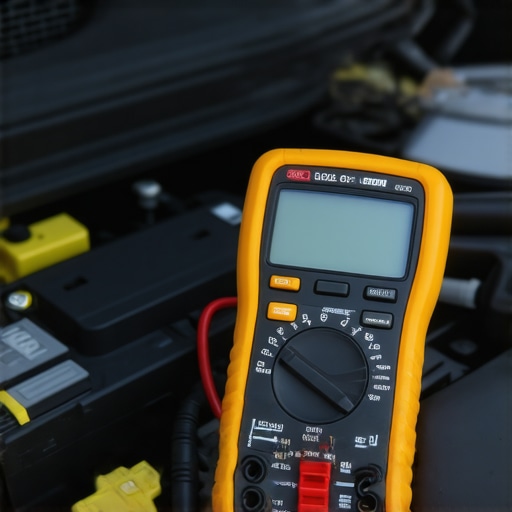
Looking Ahead to the Future of DIY Repair
We are entering an era where your car is essentially a laptop on wheels. Looking at auto repair trends to watch in 2025, it’s clear that software-based diagnostics will soon be as common as oil changes. I’ve already started using an OBD-II dongle that pairs with my smartphone to read live data streams while I drive. This allows me to see exactly how my fuel trims are reacting in real-time, catching a lean condition before it ever triggers a light. If you want to maximize your car’s lifespan with expert tune-up strategies, you need to get comfortable with these digital interfaces. The days of ‘tuning by ear’ are over, but the reward for mastering these new tools is a car that lasts twice as long as the manufacturer predicted. Don’t let the technology intimidate you; it’s actually there to make your life easier if you know how to read the numbers.
Stop Ignoring Your Major Service Intervals
I cannot stress enough the real cost of skipping your 100000-mile major service. That’s the point where components like timing belts and water pumps usually decide they’ve had enough. I once saw a beautiful sedan head to the scrap yard because the owner thought a $600 belt replacement was ‘too expensive,’ only to have the belt snap and destroy the entire engine. It’s a tragic waste that could have been avoided with a simple car service checklist. I challenge you this weekend to grab a multimeter and check your battery’s resting voltage. If it’s below 12.6 volts after sitting overnight, you’ve just found a potential problem before it left you stranded at the grocery store.
Why I Stopped Guessing and Started Testing
The biggest takeaway from my thermostat saga wasn’t just how to swap a part; it was learning to respect the data. I spent weeks shivering because I was guessing when I could have known the truth in five minutes with a simple touch. One of the most vital ‘lightbulb’ moments for me was realizing that knowing how to tell if your electrical problem is a blown fuse or a bad ground wire is essentially the secret code to modern car repair. Another lesson? Don’t assume a new part is a good part—I have seen faulty thermostats pulled right out of the box. Always test them in boiling water before you spend an hour sealing the housing back up.
My Must-Have Toolkit for Modern Engines
You do not need a professional shop to be effective, but you do need a few specific items. I always recommend a high-quality multimeter like a Fluke; it is the gold standard for tracking down why your dashboard lights dim when you roll up the windows. I also swear by a Bluetooth OBD-II scanner to stay ahead of the auto repair trends to watch in 2025. Finally, never underestimate a simple wire brush; cleaning your ground points and battery terminals solves more ‘complex’ problems than a parts catalog ever will. #IMAGE_PLACE_HOLDER_E#
Taking the Drivers Seat in Your Own Maintenance
Don’t be intimidated by the sensors and wires. Underneath all that technology, it is still an internal combustion engine that needs heat, fuel, and air. By following a consistent car service checklist, you can spot the small failures before they turn into major repairs. Taking charge of your own car service is the most empowering thing you can do for your wallet and your peace of mind. Whether it is a stuck thermostat or a shaky steering wheel, you now have the mindset to figure it out. Have you ever spent a fortune on a sensor only to find out it was a simple loose wire? Let me know in the comments below; I’d love to hear your ‘parts cannon’ horror stories so we can all learn together.