

I remember one Tuesday last January when the temperature dropped to -15 degrees overnight. I was already running behind for a meeting, clutching a lukewarm coffee, and when I grabbed my truck’s door handle, it felt like it was welded shut. I yanked. Nothing. I tried the passenger side. Still nothing. In my desperation, I actually tried to pry it open with a credit card—which, predictably, snapped in half. That’s the moment I realized that being reactive to winter weather is a losing game. Much like how how a simple tune up fixed my mystery hesitation, I learned that a little bit of foresight saves hours of shivering in the driveway. Today, I am sharing the exact method I use to ensure I never have to perform a ‘thaw-out dance’ in my pajamas ever again.
Keep Your Latch Moving When the Mercury Drops
We’ve all seen the so-called hacks. People suggest using lighters to heat up keys or, heaven forbid, pouring boiling water over the handle. Please, for the love of your paint job and your sanity, don’t do that. When you pour hot water, it seeps into the internal mechanism and creates an even thicker ice bridge once it inevitably cools down. I learned this the hard way during my first winter in the Midwest and ended up needing some serious troubleshooting common auto repair issues before visiting the shop just to get my latch to click shut again. The secret isn’t about adding heat; it’s about displacing moisture before the storm even hits.
Will This Actually Save My Door Handles?
You might be skeptical that a five-minute DIY fix can outperform a bottle of chemical de-icer, but the physics is on our side. According to the American Automobile Association (AAA), the primary cause of frozen locks is moisture accumulation that expands as it freezes, effectively jamming the tumblers. By using a dry lubricant like graphite, you create a microscopic barrier that water simply can’t cling to. It is much more effective than a last-minute car service visit after the damage is already done. Have you ever found yourself locked out of your own car while the engine was idling and the heater was mocking you from inside? Tell me your most embarrassing lockout story in the comments—I promise I won’t laugh too hard because I have been there myself.
Clean and Seal Your Weatherstripping First
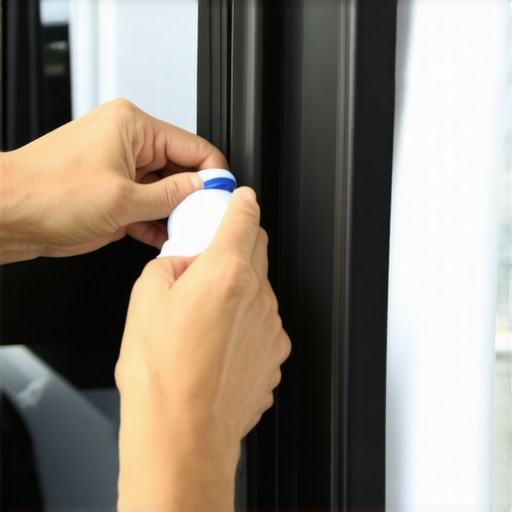
The primary reason doors get ‘welded’ shut isn’t actually the lock itself; it is the rubber weatherstripping. These gaskets act like a suction cup when water gets between the seal and the metal frame. When that moisture freezes, it creates a powerful bond. To break this cycle, you must first clean the door frames with a mild soap and water solution to remove road salt and grime. Once dry, take a silicone-based lubricant and spray it onto a clean microfiber cloth, then wipe down every inch of the rubber seal. This creates a hydrophobic barrier that forces water to bead up and roll away before it can freeze. This proactive maintenance is a staple of a solid car service checklist and prevents the rubber from tearing when you tug on the handle.
Don’t Make the Petroleum Jelly Mistake
I once tried to be ‘clever’ by using a thick coat of petroleum jelly on my seals because I had no silicone spray on hand. By February, that jelly had collected so much road grit and dust that it turned into an abrasive paste, eventually pitting the paint on my door frame. It was a mess that required an intensive tune up your car for peak performance session just to restore the exterior. Silicone is the only way to go because it doesn’t stay tacky and won’t attract debris.
The Right Way to Lubricate Your Door Latches
The latch is the mechanical hook inside the door that grabs the metal pin on the car’s frame. If moisture enters this housing, the internal ‘pawl’ freezes in place. To prevent this, use a straw attachment on a can of white lithium grease or a specialized latch lubricant. Spray it directly into the latch mechanism while working the handle. This ensures the moving parts are coated in a water-resistant film. This level of care is the truth about why my car finally hit 200000 miles for me; I never let small mechanical points of failure like a frozen latch lead to a broken handle or a door that won’t stay shut while driving.
Protect the Lock Cylinder with Dry Graphite
For the lock cylinder where you actually insert your key, never use liquid oils or WD-40 as a long-term solution. While they displace water initially, they eventually attract dust that gums up the tiny tumblers. Instead, use powdered graphite. Insert the nozzle into the keyhole, give it a quick puff, and then work your key in and out several times to distribute the powder. This method is incredibly effective at maintaining internal mobility, much like how you would how to quiet a squeaky brake pedal inside your cabin by targeting a specific friction point with the right material. If you wait until the key won’t turn, you are already in trouble. It is similar to why you should never wait for your oil light to come on; waiting for a total failure means you are reacting to damage rather than preventing it.
It isn’t just the doors that catch people off guard. I’ve noticed a dangerous trend where drivers think a basic ‘winterization’ is just checking antifreeze levels. In reality, the most overlooked component is often the hydraulic system. Most people assume that if their pads aren’t squealing, they are good to go. However, I have found that brake service myths often lead people to ignore their fluid, which is actually hygroscopic—meaning it actively drinks moisture from the air. According to the Society of Automotive Engineers (SAE), even a small percentage of water contamination can significantly lower the boiling point of the fluid and, more importantly for freezing climates, create internal ice crystals that cause a hard brake pedal in the morning.
Stop Assuming Your Tune-Up Covers Everything
Many shops offer a ‘seasonal special,’ but these are often just superficial visual inspections. To truly maximize your cars lifespan with expert tune-up strategies, you need to look at the chemistry, not just the mechanical parts. For instance, a battery that works fine in the summer might fail in the winter not because it is ‘dead,’ but because the cold increases internal resistance. Knowing how to tell if a battery is just discharged or truly dead can save you from buying an expensive replacement when all you needed was a deep charge and a terminal cleaning. 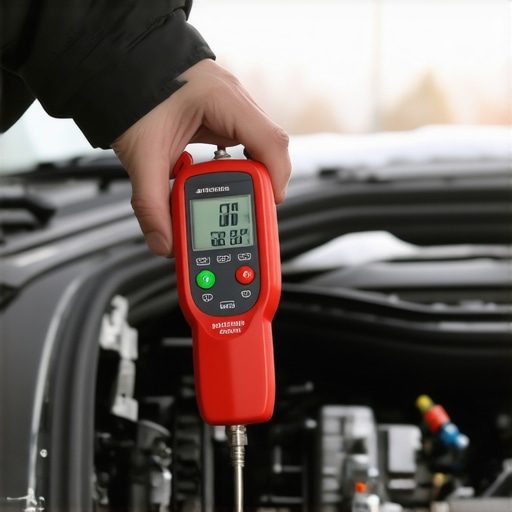
Can Winter Air Actually Kill a Healthy Battery?
The short answer is: no, but it will expose every single weakness your charging system has. A common mistake I see is people jumping to replace expensive components the moment a car struggles to start. They forget that how regular tune-ups improve fuel efficiency and safety involves checking the charging system’s health under load. If your alternator is underperforming, the cold simply acts as the final straw. It is an ‘oops’ factor that costs hundreds if you aren’t careful. I once saw a neighbor replace an entire starter motor when the only issue was a layer of oxidation on the ground wire that only became a problem once the temperature dipped below freezing.
The Invisible Moisture Trap in Your Braking System
We often talk about ‘warped’ rotors, but in winter, the real enemy is internal corrosion. If you haven’t flushed your brake lines in over two years, you are likely driving with a cocktail of glycol and water. When that water freezes inside the caliper’s piston area, it can cause the brakes to drag or fail to retract properly. This isn’t just a minor nuisance; it is a serious safety hazard that a standard car service checklist should always prioritize. Have you ever fallen into this trap of ignoring a fluid flush because the car ‘stopped fine’ last week? Let me know in the comments—I am curious how many of us have been blindsided by a frozen brake line.It is one thing to fix a frozen door, but if you want to scale your vehicle’s lifespan, you need to transition from ‘repairing’ to ‘monitoring.’ Most people wait for a warning light on the dash, but I have found that how professional diagnostics found my ghost electrical leak was only possible because I stopped guessing and started measuring. I began using a high-quality OBD-II scanner that provides live data streaming, specifically for checking fuel trims and oxygen sensor response times during a cold start. This is the difference between a generic car service and a professional-grade health check. According to the Bosch Automotive Handbook, precise fuel-air mixtures are critical for catalytic converter health, and even a 5% deviation can lead to carbon buildup that slowly chokes your engine. To truly maximize your cars lifespan with expert tune-up strategies, you need to be looking at these digital metrics once a month, not once a year.
The One Tool That Ends the Guessing Game
If you are tired of throwing parts at a problem, you need a digital multimeter with a ‘min/max’ capture function. I use this specifically to track down parasitic draws—those tiny electrical ‘vampires’ that drain your battery overnight. This is far more effective than just guessing how to tell if a battery is just discharged or truly dead. By measuring the millivolt drop across fuses, you can pinpoint exactly which circuit is staying awake when it should be sleeping. This level of precision ensures you are never stranded with a dead cell on a Monday morning. 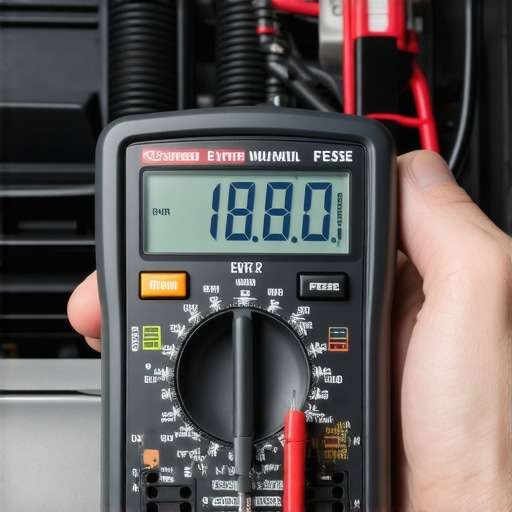
How do I maintain my vehicle for the long haul?
Consistency is the secret sauce. I personally maintain a digital log of every fluid change and sensor reading because it is the only way to see trends before they become failures. It might seem like overkill, but it is how how regular tune-ups improve fuel efficiency and safety over the course of a decade. You shouldn’t just wait for the shop to tell you it is time; you should know your vehicle’s baseline. For example, if you notice your fuel efficiency dropping by even 2 MPG, it is an early warning sign that your tune up your car for peak performance is overdue, likely due to a fouled plug or a dirty mass airflow sensor.
Future-Proof Your Ride with Proactive Diagnostics
As we move deeper into the decade, the way we handle understanding brake system repairs is changing rapidly. I predict that by 2025, DIYers will have access to affordable thermal imaging cameras that can identify a sticking brake caliper or a failing wheel bearing just by looking at heat signatures after a short drive. Staying ahead of auto repair trends to watch in 2025 means embracing these tech-driven methods today. I highly recommend you go out this weekend, plug in a basic scanner, and record your ‘Long Term Fuel Trim’ values while idling. It is the single best way to catch a vacuum leak before it turns into a breakdown. This level of detail is a core part of any comprehensive car service checklist and separates the lucky owners from the prepared ones.
Hard-Earned Lessons from a Decade of Midwest Winters
Reflecting on my years of shivering in driveways, the biggest lightbulb moment was realizing that a car is a complex system of thermal expansion and contraction. When I finally stopped fighting the symptoms and started troubleshooting common auto repair issues before visiting the shop, my winter stress evaporated. I learned that the dreaded clicking sound during a cold start isn’t always a death sentence for your wallet; often, it is just a plea for a terminal cleaning. I also discovered that being too generous with grease can actually backfire, as excess lubricant attracts the very road grit that jams your locks by February. The goal isn’t to coat everything—it’s to create a thin, invisible shield that water cannot penetrate.
What is Inside My Winter Survival Toolbox
I don’t rely on luck; I rely on these four essential items. First, a high-quality silicone spray for those rubber gaskets. Unlike petroleum-based products, it won’t cause the seals to rot or swell. Second, dry graphite powder is the only substance I trust inside my ignition cylinder. Third, a digital multimeter is critical for knowing how to tell if a battery is just discharged or truly dead before you commit to a replacement. I also use it to check how to tell if your alternator is overcharging the system, which can fry your battery just as fast as the cold. Finally, a basic OBD-II bluetooth dongle allows me to monitor sensor data in real-time, helping me tune up your car for peak performance by spotting internal issues before they trigger a dashboard light.
#IMAGE_PLACEHOLDER_E#
The Future of Your Commute Starts Today
Winter doesn’t have to be a season of uncertainty and mechanical drama. By taking these small, proactive steps, you aren’t just saving yourself from the frustration of a frozen door handle; you are taking the lead to maximize your cars lifespan with expert tune-up strategies. It is about the peace of mind that comes when the mercury hits zero and you know your vehicle is ready to perform. Don’t wait for the first blizzard to find out your charging system is weak or your door seals are sticky. Spend thirty minutes this weekend, follow the steps we’ve discussed, and drive with confidence all season long. What is the one winter car headache you are determined to avoid this year? Let me know in the comments below!