
I was merging onto the I-77 during rush hour, heart racing not because of the traffic, but because my engine just… gasped. For two terrifying seconds, the gas pedal felt like a wet sponge. It was that dreaded mystery hesitation that makes every stoplight feel like a high-stakes gamble. I’m a guy who prides himself on knowing his vehicle, but in that moment, I felt like a total amateur. I was convinced my fuel pump had given up the ghost or my transmission was about to drop its guts on the pavement. I even wasted a hundred bucks on premium high-octane fuel and fuel system cleaners, thinking I could just wash the problem away. It didn’t work. Before you head to the professional shop and sign away your paycheck, it is absolutely worth troubleshooting common auto repair issues on your own at home. Today, I am going to show you exactly how I diagnosed this stutter and why a simple afternoon in the driveway might be all your car needs to feel brand new again.
That Sinking Feeling When Your Engine Skips a Beat
Early on in my DIY journey, I made the classic rookie error of just throwing parts at the problem without a plan. I once replaced a perfectly good mass air flow sensor because a guy on a forum said it worked for him. It was a waste of time and money. The reality is that most performance issues stem from the basics. If your car is stumbling, it is likely starving for air, spark, or fuel in the right proportions. By following a solid car service checklist, I eventually realized my mystery hesitation was just a set of fouled plugs and a clogged air filter. It’s embarrassing to admit, but it was that simple.
Is a basic tune-up actually enough to fix a real engine problem?
You might be skeptical, thinking your car has a much deeper issue, but the data says otherwise. According to the Car Care Council, neglected maintenance is the primary cause of engine performance degradation, yet many drivers wait until a warning light appears to act. Have you ever felt that terrifying lag when you step on the gas, or are you currently wondering if your car is possessed by some expensive mechanical demon? If so, you are in the right place. We are going to look at essential maintenance tips that specifically target that hesitation.
Start with the Basics Before You Panic
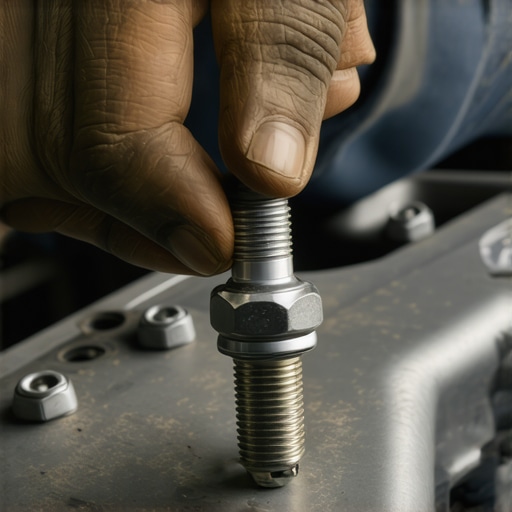
The first thing I did was pull the spark plugs. If you have never done it, don’t worry—I can teach you the trick to replacing a spark plug without stripping threads, which is every beginner’s biggest fear. When I saw the carbon buildup on mine, I knew I’d found my culprit. A car that can’t breathe or ignite fuel efficiently is a car that will hesitate every single time you need power. We are about to dive into the step-by-step process of cleaning your system and restoring that lost throttle response.
Scrub the Grime Off Your Intake
Your engine is basically a giant air pump. If that pump is choked by carbon deposits or sticky oil, you get that wet sponge feeling on the highway. I start by focusing on the Mass Air Flow (MAF) sensor. Think of it as the engine’s nose; if it is congested, the computer gets the wrong data and panics. There is a hidden benefit of cleaning your mass air flow sensor beyond just fixing a stutter; it can actually bump up your MPG by ensuring a perfect air-to-fuel ratio. I use a specific MAF cleaner and give it a few quick bursts. While you are there, look at the throttle plate. Over time, blow-by gases leave a black ring of gunk that prevents the plate from opening smoothly. Learning how to clean your throttle body to restore throttle response is the closest thing to a magic bullet for low-speed hesitation. I once spent three days chasing a fuel pressure issue only to find out a ten-minute cleaning of the butterfly valve was the real fix.
Read the Tea Leaves on Your Spark Plugs
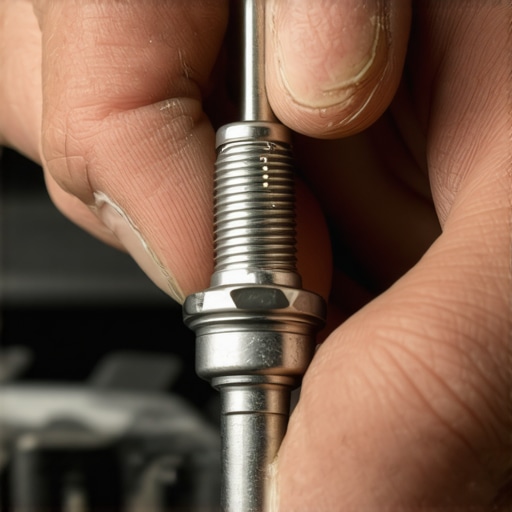
Plugs do not just ignite fuel; they tell a story about what is happening inside the combustion chamber. When I pulled mine during that I-77 scare, they were soaked in a dark, shiny substance. That was my first clue. You need to know how to tell if your spark plugs are fouled by oil versus just being old. If they are white and blistered, the engine is running too hot. If they are oily, you might have a leaking valve cover gasket dripping into the wells. I remember the first time I did this; I was so terrified of cross-threading the head that my hands were shaking. I eventually learned the trick to replacing a spark plug without stripping threads involves using a piece of rubber vacuum hose to hand-start them. It is a literal lifesaver for your cylinder heads and your wallet.
Hunt Down the Invisible Hiss
If your air intake and spark are solid, but the car still stumbles at idle, you are likely dealing with a vacuum leak. This is unmetered air entering the engine, confusing the sensors and making the car run lean. It is like trying to drink through a straw that has a tiny crack in the side. Most people spend hundreds on smoke machines, but you can actually identify a vacuum leak using a simple cigar or a cheap incense stick. I once found a tiny split in a PCV hose by blowing smoke into the intake and watching it curl out from behind the manifold. It felt like a low-budget detective movie, but it saved me an expensive diagnostic fee.
Verify the Fuel Pressure Before Swapping Pumps
Lastly, do not assume the pump is dead just because the car feels sluggish. A clogged fuel filter or a failing regulator can mimic a dying pump perfectly. Before you drop the gas tank in your driveway, you must identify a failing fuel pump before it fails by checking the pressure at the fuel rail with a rented gauge. On my old truck, I was certain the pump was toasted, but it turned out to be a fifteen-dollar relay that had corroded pins. Always follow your car service checklist and test the electrical side first. It is the difference between a Saturday morning fix and a weekend-long nightmare.
The biggest mistake I see DIYers make—and I was guilty of this for years—is believing the computer is an oracle that never lies. We live in an era where people think a $20 code scanner from the internet replaces thirty years of mechanical intuition. This is the ultimate ‘oops’ factor in modern auto repair. If your scanner says ‘P0171: System Too Lean,’ the average person immediately buys a new oxygen sensor. But the sensor is actually doing its job perfectly by reporting the lean condition; the real culprit is usually a cracked vacuum line or a dirty mass air flow sensor. Before you start swapping electronics, follow a car service checklist to rule out the mechanical basics. Replacing parts based on codes alone is like getting a heart transplant because you have a high pulse after running a marathon.
Why Your Car Doesn’t Actually Need a Tune-up Anymore
Here is a contrarian view that might shock some old-school grease monkeys: the traditional ‘tune-up’ is dead. In the days of carburetors and distributors, we actually tuned things by hand. Today, your Engine Control Unit (ECU) handles thousands of adjustments per second. When people talk about essential maintenance tips, they are really talking about parts replacement. If you want to maximize your cars lifespan with expert tune-up strategies, stop looking for a ‘magic adjustment’ and start looking at data streams. A study by AAA found that nearly two-thirds of American drivers do not trust auto repair shops, largely due to over-recommending unnecessary services. I’ve found that by learning how to tell if your computer is giving you a false error code, you can stay ahead of those unnecessary upsells and keep your engine running at its peak without the ‘parts cannon’ approach.
How Can You Tell if Your Master Cylinder is Dying Without a Leak?
This is where things get sophisticated. Most drivers think that if the brake fluid reservoir is full, the brakes are fine. That is a dangerous assumption. One of the most common brake service myths is that leaks must be visible. In reality, you could have an internal failure where the seals inside the master cylinder allow fluid to bypass the piston. If you’re sitting at a red light and the pedal slowly sinks to the floor under steady pressure, you need to know how to tell if your master cylinder is failing internally. It is a silent killer because it won’t leave a puddle on your driveway. While you’re checking the system, look at the color of your fluid. If your brake fluid looks like coffee creamer, it is saturated with moisture and air, which will boil under heavy braking and leave you with zero stopping power on a steep hill. This kind of nuanced car service is what separates a lucky owner from a true technician.
Don’t Ignore the Scheduled Fluid Rotations
I’ve met people who will spend $500 on a fancy exhaust but won’t spend $50 on a coolant flush. This is pure madness. Referencing the ultimate car service guide will show you that fluids have a chemical lifespan. Over time, coolant becomes acidic and starts eating your radiator from the inside out. It’s a slow-motion disaster. Have you ever fallen into this trap of prioritizing the ‘cool’ mods over the boring maintenance? Let me know in the comments. I want to hear about the time a $10 part or a simple fluid check could have saved your entire weekend. Before you commit to a major repair, always try troubleshooting common auto repair issues by looking for the simplest, cheapest explanation first.
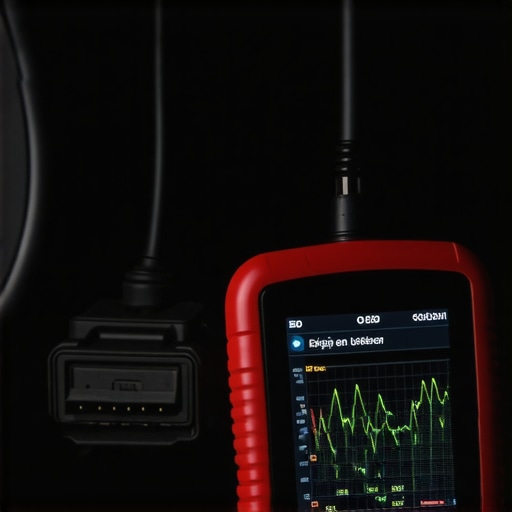
Once you have cleared the simple stuff, it is time to upgrade your arsenal. For years, I relied on those basic little scanners that only give you a P-code, but that is like trying to read a book through a keyhole. Now, I never touch a vehicle without my Bluetooth OBD-II adapter and a tablet running dedicated diagnostic software. The real power lies in looking at ‘freeze frame data.’ This captures exactly what was happening the microsecond a fault occurred—engine RPM, load, and temperature. According to the Society of Automotive Engineers (SAE) J1979 standard, these data points are mandatory for emissions-related faults, providing a digital ‘black box’ for your engine. By learning how to tell if your computer is giving you a false error code, you stop being a part-swapper and start being a technician. It is the difference between blindly replacing an O2 sensor and realizing your fuel trim is actually maxed out because of a tiny vacuum leak you missed earlier.
Stop Chasing Codes and Start Reading Live Data
I personally recommend investing in a bi-directional scan tool if you are serious about DIY. It allows you to actually command the car to do things, like pulse a fuel injector or cycle a cooling fan, which is a game-changer for car service. I once spent three hours trying to find why a window wouldn’t roll down, only to use my scanner to ‘command’ the motor on, proving the wiring was fine and the switch was dead. This level of precision is where auto repair is headed. We are seeing a massive shift in auto repair trends to watch in 2025, where vehicles are becoming mobile data centers. If you are not comfortable with digital diagnostics, you will eventually be locked out of maintaining your own car.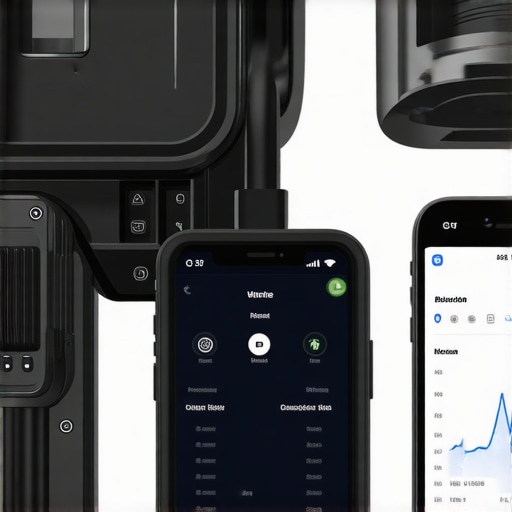
How do I maintain my engine health over the long haul?
To truly maximize your cars lifespan with expert tune-up strategies, you have to look past the marketing fluff on oil bottles. The biggest secret is consistency and high-quality filtration. I have seen engines with 300,000 miles that look brand new inside because the owner ignored the truth about 10000 mile oil change intervals and stuck to a 5,000-mile routine with a full synthetic. This is the secret to getting 2000000 miles out of your original engine—preventing the acid buildup and sludge that modern ‘long-life’ fluids allow to accumulate. For brake service, it means gravity-bleeding your lines every two years regardless of mileage to prevent internal corrosion in your ABS module. This proactive approach turns a ‘lucky’ car into a reliable machine that never lets you down. I want you to try this: next time your Check Engine light comes on, do not just clear it. Use a scanner to check your ‘Mode $06’ data to see which cylinders are borderline misfiring. It will show you a problem long before the light starts flashing, giving you the ultimate edge in maintenance.
Hard Truths I Learned While Covered in Grease
After years of turning wrenches, I have realized that the most expensive auto repair is often the one you did not actually need to perform. Here are the lightbulb moments that finally saved my sanity and my bank account:
- The Power of the Purge: Before you buy a brand-new sensor, try cleaning the old one first. I have seen car service bills cut in half just by knowing how to clean your throttle body to restore throttle response instead of paying for a total replacement.
- Codes are Clues, Not Commands: A code for an O2 sensor often means the sensor is working perfectly and simply reporting a leak elsewhere. Always check for a vacuum leak using a simple cigar before you start blaming the expensive electronics.
- Fluids are Cheap, Metal is Expensive: It is incredibly easy to ignore the hidden cost of skipping a scheduled coolant flush until your head gasket fails on a remote highway.
#IMAGE_PLACEHOLDER_E#
The Three Tools That Never Leave My Side
If you want to move beyond a basic tune up and start truly understanding your machine, you need more than just a standard socket set. These are the specific resources that changed the way I look at my engine bay:
- A High-Quality Bi-Directional Scanner: Stop guessing why that light is on. Mastering how to tell if your computer is giving you a false error code will save you thousands of dollars over the lifetime of your vehicle.
- The Factory Service Schedule: Ignore the marketing myths. Stick to the ultimate car service guide to know exactly when your specific make and model needs professional attention.
- A Precision Torque Wrench: This tool is absolutely non-negotiable for a safe brake service. Guessing the tightness on a caliper bolt is a risk you should never take.
Take Control of Your Commute Today
Walking into a professional garage with real knowledge is the single best way to ensure you get a fair deal. Whether you are performing a tune up for peak performance or simply trying to maximize your cars lifespan, the effort you put in today pays dividends in reliability and safety. Do not let a mystery stutter or a soft pedal steal your confidence behind the wheel. Start with the mechanical basics, trust your diagnostic data, and remember that even the most complex auto repair begins with a single turn of a wrench.
Have you ever replaced an expensive part only to find out a five-dollar vacuum hose was the real culprit? Let me know your most frustrating or rewarding DIY story in the comments below!