

I was standing there, sweat dripping down my forehead in a rented tuxedo, yankin’ on that shifter like my life depended on it. I had parked my trusty old beast on a 15-degree incline outside a wedding venue, and now, it was refusing to leave ‘Park.’ I thought for sure I’d snapped a link or, worse, shattered the transmission internals. It’s a terrifying moment when your own car holds you hostage, especially when you’re already late. But here’s the good news: you probably haven’t killed your car yet. I’ve been there, made the rookie mistakes, and spent way too much time troubleshooting common auto repair issues before I realized how simple the physics of a hill really are. Today, I’m going to walk you through exactly why this happens and how you can get moving again without calling an expensive tow truck.
The Day My Car Held Me Hostage on a 15-Degree Incline
One of the biggest blunders I made early on was treating the parking brake like an optional ’emergency only’ lever. I’d just jam the car into ‘P’ and let it roll back until it caught. That ‘clunk’ you hear? That’s your parking pawl—a tiny metal pin—bearing the entire weight of your vehicle. When you’re on a slope, gravity pushes that weight against the pawl with incredible force. If you’re lucky, you might just have a sticky gear shifter issue, but on a hill, it’s almost always about the mechanical bind of the transmission. The National Highway Traffic Safety Administration (NHTSA) emphasizes that the parking brake is a primary safety system, and skipping it puts massive stress on internal locking components. Have you ever been stuck in a driveway, tugging at the shifter until your knuckles turned white? It’s a common panic, but the fix is usually about relieving that pressure rather than brute force. If you stay on top of your car service schedule, you’ll know that a well-maintained transmission handles these stresses better, but even a brand-new car can get stuck if you don’t follow the right parking sequence.
Is my transmission actually broken beyond repair?
The short answer is: probably not. While it feels like something is snapped, the resistance is usually just metal-on-metal friction. Think of it like a heavy door that’s sagging on its hinges; you have to lift it slightly to get the latch to click. In the next few minutes, I’ll show you how to ‘lift’ the weight off your transmission so that shifter slides like butter again.
Get Someone to Give You a Push
When your transmission is jammed because of a slope, the parking pawl is basically being crushed by the car’s weight. To fix this, you need to physically move the car uphill just a fraction of an inch to relieve the mechanical bind. If you have a friend nearby, have them stand at the front (or back, depending on the direction of the slope) and give the car a firm shove upward against the incline. While they are pushing, you should be in the driver’s seat with the engine running and your foot firmly on the brake. As they take the weight off the transmission, the shifter should suddenly click into gear. I had to do this once with a loaded truck on a driveway that felt like a black diamond ski run; it took two of us jumping on the bumper to get that pawl to let go, but it saved a massive repair bill. If you are doing this alone, check your car service checklist to ensure your brakes are in top shape, because you’ll need to catch the car the moment it moves.
The Rocking Trick You Can Do Solo
If you are flying solo, you can sometimes achieve this by rocking the car using its own weight. It sounds counter-intuitive, but by pulsing the throttle very gently in ‘Reverse’ or ‘Drive’ (if the shifter allows even a tiny bit of movement) or by bouncing your weight in the driver’s seat, you might create enough momentum to wiggle that pin free. However, be extremely careful not to force the lever. I’ve seen people snap the cable completely, turning a simple bind into a scenario where you’re troubleshooting common auto repair issues that involve dismantling the entire center console. If the lever won’t budge with moderate pressure, stop immediately. You might need to look at how to fix a sticky gear shifter if the problem persists on flat ground, but on a hill, gravity is your primary enemy.
The Right Way to Park on a Hill From Now On
To never face this ‘locked shifter’ panic again, you have to change your parking sequence. Most people stop, put it in Park, and then let go of the brake. That is exactly what causes the bind. Instead, come to a full stop and keep your foot on the brake pedal. While your foot is still down, pull the parking brake handle (or push the electronic button) all the way. Then, shift into Neutral and slowly release the foot brake. This lets the car settle its weight onto the actual brakes rather than the transmission. Once the car is settled, then you shift into Park. This is a crucial part of a proper tune-up for your car‘s longevity. By using the parking brake as your primary anchor, you protect the delicate internals of your gearbox from unnecessary stress.Now that we’ve untangled that mechanical bind on the slope, let’s dig deeper into why we end up in these frustrating pickles to begin with. We’ve been conditioned to think that a ‘tune-up’ is just a specific box you check once a year, but that’s a dangerous oversimplification. Most drivers believe that if the check engine light stays off, the car is perfectly healthy. In my experience, this ‘if it ain’t broke, don’t fix it’ mentality is exactly what leads to that 15-degree incline nightmare. How regular tune-ups improve fuel efficiency and safety is often less about new parts and more about spotting the tiny, incremental shifts in how your vehicle responds before they become catastrophic failures.
Don’t Wait for a Dashboard Light to Tell You Something’s Wrong
The biggest myth I see is the idea that modern cars are self-diagnosing. While your computer is smart, it won’t always tell you when your transmission fluid is oxidizing or when your parking cable is stretching. If you only react to warning lights, you’re already behind the curve. This is where troubleshooting common auto repair issues becomes an art form. For example, many people swap out components using the cheapest options available, but the truth about budget spark plugs and engine performance is that they can cause micro-misfires that don’t trigger a code but absolutely kill your gas mileage and stress your drivetrain. According to the Car Care Council, an industry leader in vehicle longevity, approximately 80% of vehicles on the road are in need of at least one service or repair that is currently being neglected. 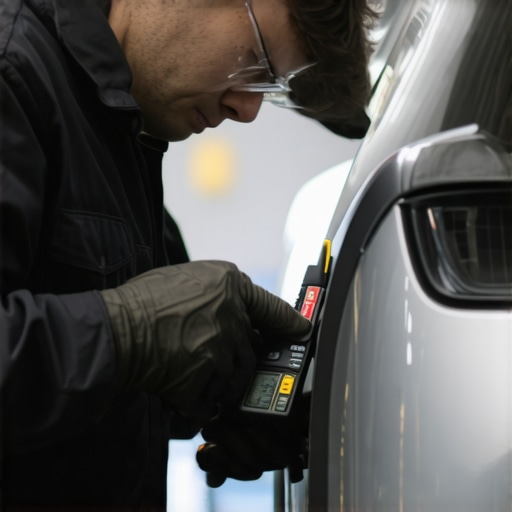
The Dangerous Trap of Ignoring Brake Fluid Chemistry
One major ‘oops’ factor I see with DIYers and even some chain shops is treating brake service like it’s just about the pads. If you think a brake service myth like ‘only change fluid when it looks dark’ is true, you’re playing with fire. Brake fluid is hygroscopic, meaning it actively sucks moisture out of the air. That water lowers the boiling point of the fluid and corrodes your ABS valves from the inside out. When you’re understanding brake system repairs, you have to look at the chemistry, not just the mechanical wear. If you skip the flush, you might find your pedal going soft exactly when you’re trying to hold that car on a steep hill.
Why does my brake pedal feel different after a simple tire swap?
It’s a question that stumps even seasoned car owners. Often, it’s not the brakes themselves but a change in the torque applied to the lug nuts or a slight disturbance in the wheel speed sensor. If a shop uses an impact wrench without a torque stick, they can actually warp the brake rotor slightly, leading to a pulsing pedal. This is why the proper way to break in new brake pads and rotors, also known as ‘bedding,’ is non-negotiable for smooth stops. Have you ever fallen into the trap of thinking a quick ‘pad slap’ was enough? Let me know in the comments below, because we’ve all been there. Staying ahead of these nuances is what separates a car that lasts 200k miles from one that ends up in the scrap heap. If you’re looking to stay proactive, always keep a car service checklist handy to ensure those hidden nuances don’t turn into expensive headaches.I used to rely on my ‘mechanic’s ear’ to tell me when something was wrong, but honestly, ears lie. The real game-changer for me was investing in a high-quality digital multimeter. It’s not just for professional electricians; it’s the only way to know if your battery is actually holding a charge or if you’ve got a parasitic drain. If you learn how to test your alternator with a simple multimeter at home, you stop being a victim of ‘parts cannon’ repairs where you just keep throwing money at new components until the car starts. I specifically use a Fluke 87V because its accuracy is unmatched when measuring millivolts—critical for those weird sensor issues that modern cars love to throw at you. 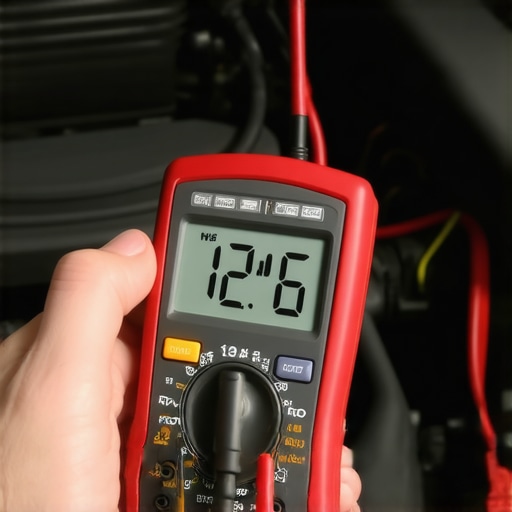
Why a Cheap Multimeter Is My Best Friend
Then there’s the OBD2 scanner. Don’t just get the $20 Bluetooth dongle that clears codes; get something that shows live data streams. Seeing your short-term fuel trim in real-time tells you if a vacuum leak is starting before the computer even triggers a lean code. This level of detail is a core part of expert tune-up strategies. According to the SAE J1703 standard, the chemical integrity of your fluids is non-negotiable for safety. Using tools to measure moisture content in brake fluid is far more reliable than just looking at the color, which is a mistake many amateurs make.
How do I keep my car running past the 200k mark?
It’s about consistency and high-quality consumables. I’ve seen people save five bucks on a generic oil filter only to have the anti-drainback valve fail, causing dry starts that eat the engine from the inside out. Following the secret to getting 200,000 miles out of your original engine isn’t about luck; it’s about using synthetic fluids that meet the specific manufacturer’s certifications and never missing a cooling system flush. If you are diligent with your car service checklist, you can spot the degradation of rubber hoses and belts long before they leave you stranded on the shoulder.
Predictive Tech Is Changing the DIY Game
Looking ahead, I see us moving away from traditional ‘scheduled’ maintenance toward predictive AI-driven diagnostics. We’re already seeing auto repair trends to watch in 2025 that include telematics systems that can predict a fuel pump failure weeks before it happens based on current draw patterns. The era of the ‘unexplained breakdown’ is ending, provided you have the right tech to listen to what the car is saying. Go grab a basic multimeter this weekend and check your battery voltage while the car is off and while it’s running—it’s the first step toward true automotive independence.
Why I Stopped Fearing the Infamous Transmission Clunk
Over the years, I’ve realized that most automotive panic comes from a lack of context. When my car first got stuck on that hill, I thought the transmission was a goner. But I’ve learned that car service isn’t just about fixing things—it’s about understanding the ‘why.’ For example, many drivers freak out when their brakes feel ‘off,’ but understanding the reason your brake pedal feels different after a tire change can save you hours of unnecessary stress. Another lightbulb moment was realizing that ‘cheap’ isn’t actually cheap. Learning the truth about budget spark plugs and engine performance taught me that saving five dollars now often leads to spending five hundred later on a tune up. Finally, don’t let every noise scare you; knowing how to tell if your brake squeak is serious or just morning moisture keeps your sanity intact and your wallet full.
My Personal ‘Never-Leave-Home-Without-It’ Toolkit
If you want to move from being a ‘driver’ to a ‘car owner,’ you need a few reliable allies in your garage. First, I never skip a weekend without checking my fluids against a car service checklist—it’s the simplest way to catch a leak before it becomes a flood. Second, I swear by a quality digital multimeter; it’s the only way to truly diagnose electrical gremlins. Third, I always keep a bottle of high-quality brake fluid on hand, especially after learning about brake service myths that suggest fluid lasts forever. Lastly, I highly recommend adopting expert tune-up strategies like logging every fuel mileage dip, which can signal an issue long before a mechanic does.
#IMAGE_PLACE_HOLDER_E#
Your Journey Toward Automotive Independence Starts Today
Stepping out of the ‘helpless driver’ role is one of the most rewarding things you can do. Whether you’re dealing with a stuck shifter or just trying to stay ahead of your next brake service, remember that every expert was once a beginner in a rented tuxedo tugging on a gear stick. You have the tools, the information, and the ability to keep your car on the road for the long haul. Don’t be afraid to get your hands dirty with auto repair—the confidence you gain is worth more than any shop bill. Have you ever had a moment where a simple ‘fix’ saved you from a massive towing bill? Let me know in the comments below!