
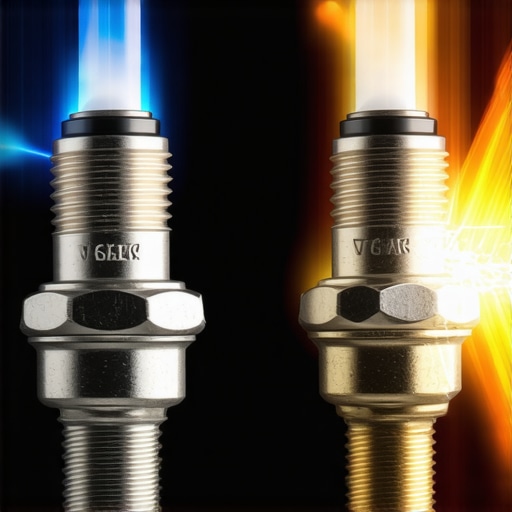
I remember standing in my driveway at 6:00 AM, the air crisp enough to see my breath, frantically turning the key while my neighbor’s dog barked at my struggle. My old sedan didn’t just hesitate to start; it coughed like it had been smoking a pack a day for forty years. Just two weeks prior, I’d patted myself on the back for saving forty bucks by grabbing the generic, bottom-shelf spark plugs during a quick tune up. I thought I was being smart. I was actually sabotaging my own commute. The shuddering at red lights and that annoying rhythmic vibration in the steering wheel were the first signs that my ‘bargain’ was a bust. I eventually realized that why your gas mileage dropped suddenly after a spark plug change isn’t just a coincidence—it is often the direct result of poor-quality materials failing under pressure. Today, I want to help you avoid that sinking feeling in your gut when your engine starts to misfire because of a five-dollar part. We are going to look at the cold, hard truth about budget ignition components and whether they belong anywhere near your vehicle.
Stop Treating Your Ignition System Like an Afterthought
When you are staring at a wall of options at the local auto parts store, it is tempting to go for the ones that cost less than a cup of coffee. I made the classic rookie mistake of ignoring the heat range and material specs because I assumed a spark is a spark. It isn’t. Your engine relies on precise timing and a consistent arc to keep things moving. I’ve learned the hard way that skimping here often leads to troubleshooting common auto repair issues that could have been avoided entirely. According to the NGK Spark Plugs technical team, using a plug with the wrong heat range can lead to pre-ignition, which literally melts components inside your combustion chamber. That is a very expensive way to save twenty dollars. If you are noticing a weird rhythm at idle or your car feels sluggish when merging, it might be time to check how to tell if your car needs a simple tune-up or a major repair before a small misfire turns into a dead cylinder.
Do Cheap Plugs Really Ruin a Good Engine?
The short answer is: they can, especially in modern high-compression or turbocharged engines. I used to think people who bought high-end iridium plugs were just falling for marketing hype. Then, I saw the electrode on one of my budget plugs completely erode after just 3,000 miles. That gap grew so wide the coil couldn’t jump it, leading to a dead miss on the highway. Consistent performance is key to how regular tune-ups improve fuel efficiency and safety. When you use inferior materials, you aren’t just risking a rough idle; you are asking your fuel system to work harder, which can lead to a fuel system hiccup that feels surprisingly like a major transmission failure. Have you ever tried to save a buck on parts only to have it bite you in the wallet a month later? I’d love to hear your horror stories in the comments so we can all learn from each other’s ‘bargains.’ Before you reach for the cheapest box on the shelf, let’s break down what actually happens inside your engine when the spark isn’t up to par.
Master the Swap Without Destroying Your Engine
Replacing spark plugs seems like a simple in-and-out job, but the devil is in the minute details. Before you even pull the old plugs, grab a can of compressed air. I once skipped this, and a tiny pebble that was nesting in the spark plug well tumbled right into the combustion chamber the moment I loosened the plug. I spent the next three hours with a vacuum and a surgical hose trying to fish it out like a high-stakes arcade game. Always clear the debris first to keep your cylinders pristine. This level of attention to detail is what separates a backyard hack from someone following expert tune-up strategies. Your engine is a precision instrument, and even a grain of sand can score a cylinder wall if left to rattle around at three thousand revolutions per minute.
Check the Gap Before the Plug Goes In
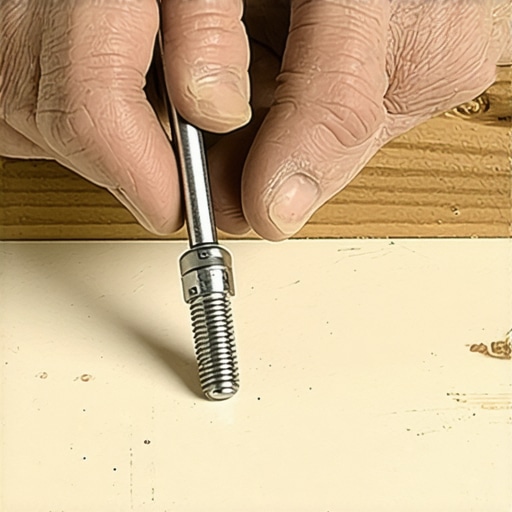
Don’t trust the pre-gapped label on the box blindly. Think of the spark plug gap like the hurdles in a race; if they are too high, the runner—in this case, the electrical arc—is going to trip or fail to make the jump. If they are too low, there isn’t enough room to build a robust flame front. I’ve seen brand-new plugs that were dropped during shipping, closing the gap completely and resulting in a dead cylinder from the moment of first start. Use a wire-style feeler gauge or a coin gapper to ensure they match your vehicle’s specific factory requirements. This step is vital because even a slight deviation can cause a stumble that feels like you need to diagnose a bad fuel pump when the issue is actually just a bent electrode.
Stop Guessing on Tightness
I used to be a proud member of the tighten it until it grunts school of mechanics. That was until I snapped the porcelain insulator on a ceramic plug in my old pickup. A cracked insulator allows electricity to leak out to the engine block instead of jumping the gap, causing a constant, rhythmic misfire that gets worse under load. Now, I treat my torque wrench like a holy relic. Most plugs only require about fifteen to twenty foot-pounds of torque. Over-tightening can stretch the threads or even crack the cylinder head, turning a twenty-minute job into a multi-thousand dollar nightmare that ends with a tow truck. Just like understanding brake system repairs, knowing the exact physical limits of your hardware prevents catastrophic failure and keeps your car on the road.
The Often Ignored Boots and Coils
A brand-new high-end spark plug is only as good as the voltage reaching it. If your ignition boots are cracked, brittle, or oil-soaked from a leaking valve cover gasket, that fresh plug isn’t going to do much for your performance. I once spent a whole afternoon chasing a ghost where the car vibrates specifically when you reach 60 miles per hour. I changed the plugs, but the shaking stayed. It turned out to be a microscopic carbon track inside the rubber boot. The electricity was taking the path of least resistance through the side of the boot instead of through the plug. Always inspect your coils and wires as part of your car service checklist. A small dab of dielectric grease on the inside of the boot ensures a moisture-tight seal and prevents the rubber from bonding to the ceramic over time.
Now that we have handled the spark, let’s dig deeper into the biggest misconception in the garage: the idea that a ‘tune-up’ is a static event. Most drivers believe that if they follow a generic checklist, their car will run forever. In reality, a modern tune up for peak performance is more about data management and chemistry than just swinging a socket wrench. Everyone says you should just follow the manual, but in my experience, the manual is a ‘minimum requirement’ guide, not a performance strategy. If you want your engine to actually last, you have to look for the hidden nuances that even some local shops miss.
Why Your Car Needs Data More Than a Socket Wrench
The common belief is that you replace a filter, swap the plugs, and call it a day. However, I’ve found that ignoring the fuel trim data is a massive mistake. Your car’s computer is constantly compensating for small vacuum leaks or a dirty sensor. If you don’t use an OBD-II scanner to look at your long-term fuel trims, you might be ignoring a lean condition that is slowly cooking your new valves. This is a critical part of expert tune-up strategies. According to the Car Care Council, neglected maintenance is a leading cause of vehicle failure, but they specifically highlight that ‘unseen’ issues like sensor degradation are what lead to the most expensive repairs later. Have you ever fallen into this trap of replacing parts without checking the computer data? Let me know in the comments.
Why Is Your New Brake Job Making That Terrifying Smell?
One of the most frequent ‘oops’ factors happens right after a brake system repair. I’ve had friends call me in a panic because their wheels were literally smoking after a ten-minute drive. Here is the nuance: the real reason your new brake pads are smoking is often just the initial curing of the resins and the burning off of protective shipping oils. It is usually normal, but most people mistake it for a seized caliper. However, the trap is failing to perform a proper ‘bedding’ procedure. If you don’t intentionally heat-cycle those pads to create a transfer layer on the rotor, you’ll end up with ‘warped’ rotors that are actually just unevenly coated in pad material. This is one of those brake service myths that leads people to spend money on new rotors they didn’t actually need.
Don’t Ignore the Chemical Reality of Your Fluids
We often talk about levels, but we rarely talk about chemistry. For example, brake fluid isn’t just a hydraulic medium; it is hygroscopic, meaning it sucks moisture right out of the air. I’ve seen brake lines rot from the inside out because the owner kept the fluid topped off but never actually flushed it. This leads to a terrifying moment where your brake pedal goes all the way to the floor in traffic. A simple ‘visual check’ is useless here because moisture doesn’t always change the color immediately. Use a copper-strip test or a boiling point tester to see if your fluid is actually protecting your internal seals.
Is Your Shop Following the 100,000-Mile Myth?
Many manufacturers claim ‘lifetime’ fluids for transmissions or ‘100,000-mile’ coolant intervals. In my shop, we call those ‘warranty-lifetime’ fluids—meaning they last just long enough for the manufacturer to no longer be responsible. If you want to avoid the real cost of skipping your major service, you need to ignore those marketing-driven intervals. A real pro knows that a transmission fluid exchange at 50,000 miles is the difference between a 200,000-mile car and a 90,000-mile paperweight. Checking how to tell if your car needs a simple tune-up or a major repair starts with knowing when the ‘official’ advice is actually working against your car’s longevity.
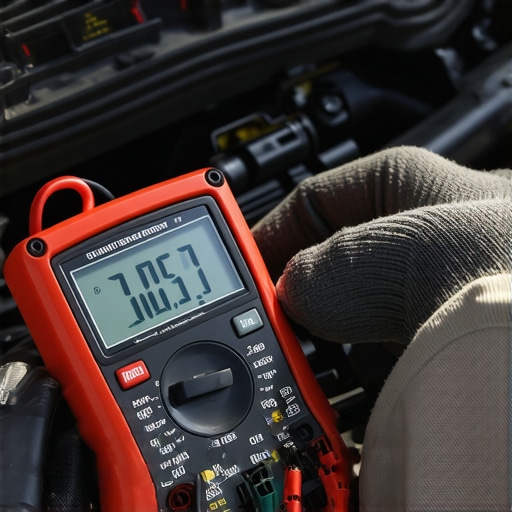
If you want to move beyond basic part-swapping and actually master your machine, you have to stop guessing. For years, I relied on my ears to ‘hear’ a misfire or my nose to smell a coolant leak, but modern cars are too quiet and too complex for that. Today, the most important tool in my chest isn’t a wrench; it is a mid-range bidirectional scan tool. I’m not talking about the cheap ones that just clear codes. I mean a tool that lets you look at live data streams. Being able to see your fuel trims in real-time allows you to catch a failing sensor weeks before it leaves you stranded. When you pair that with learning how to test your alternator with a simple multimeter at home, you gain a level of self-sufficiency that most drivers will never have. I personally use my multimeter more than my screwdrivers because electrical gremlins are the new rusted bolts of the 21st century.
Stop Guessing and Start Measuring
Authority comes from precision. When I am working on a brake job, I don’t just hope the pads wear evenly. I use a digital micrometer to check rotor thickness and run-out. This is the secret to making your brake pads last twice as long—ensuring that everything is perfectly parallel. As noted in the SAE International technical paper J300, fluid degradation and component wear are highly dependent on thermal cycles rather than just the number on your odometer. This means if you do a lot of stop-and-go driving, your ‘10,000-mile’ oil is likely spent by mile 5,000. I’ve started using used oil analysis (UOA) kits to actually see what is happening inside my engine. It’s a bit nerdy, sure, but it’s the only way to prove your maintenance schedule is actually working.
The Tech Revolution is Already in Your Driveway
We are entering an era where mechanical skill isn’t enough. By the time we hit the mid-2020s, almost every car on the road will have some form of ADAS (Advanced Driver Assistance Systems). I’m already seeing people run into trouble after a simple windshield replacement or an alignment because the cameras weren’t recalibrated. You need to know how to tell if your local mechanic actually has the tools for a proper ADAS calibration, or your lane-keep assist might start fighting you on the highway. Looking at auto repair trends to watch in 2025, it’s clear that software updates will soon be as common as oil changes. If you aren’t prepared to handle the digital side of your car, you’re only doing half the job.
How can I maintain my car’s performance over 200,000 miles?
The key to longevity isn’t a single ‘magic’ product; it’s a relentless commitment to a comprehensive car service guide that evolves as the car ages. At high mileage, I shift my focus from ‘replacement’ to ‘restoration.’ This means cleaning intake valves, flushing power steering systems that others call ‘sealed,’ and replacing rubber bushings before they crack. Most people wait for a part to break before they fix it. If you want to hit the 200k club, you have to replace components when they reach the end of their service life, not the end of their physical existence. I challenge you this weekend to grab a simple OBD-II scanner and check your ‘Long Term Fuel Trims.’ If they are more than 5% positive or negative, you’ve got a hidden issue waiting to be found. Go find it before it finds your wallet.
The Hard Truths Learned Over Thousands of Oil Changes
Cleanliness is more than just aesthetics; it is preventative maintenance. I have seen more engines fail from a stray bit of grit than from high mileage. This is why I always follow a strict car service checklist to keep things organized. Secondly, never ignore your senses. If you smell something sweet, it is coolant; if it is acrid, it is burning oil. Mastering troubleshooting common auto repair issues early can save you thousands in labor costs. Lastly, digital tools are no longer optional. Modern cars are rolling computers, and knowing how to tell if your electrical problem is a blown fuse or a bad ground wire is the new baseline for any DIYer who wants to avoid the pitfalls of trusting the oil life monitor on the dashboard alone.
The Tools That Saved My Sanity More Than Once
A quality digital multimeter is non-negotiable for my workflow. I use it for everything from battery health to sensor testing. If you are new, start by learning how to test your alternator with a simple multimeter at home. Next, invest in a dedicated torque wrench. Tightening by feel is how you strip threads and ruin expensive aluminum heads; it is an essential part of any tune up for peak performance. I also always keep a set of digital calipers in my top drawer. Whether I am checking rotor thickness or bolt diameters, precision beats guesswork every single time, especially during complex brake system repairs. Finally, do not overlook a high-quality OBD-II scanner that provides live data streams; it is the only way to see what the engine is thinking while you drive.
Drive with the Confidence of a Pro
Do not let the complexity of modern engines intimidate you. Every expert was once a beginner who was not afraid to get their hands dirty and make mistakes. By following expert tune-up strategies and staying curious, you can ensure your car stays on the road for years to come. Your vehicle is an investment, and you are its best protector. Keep learning, keep fixing, and enjoy the peace of mind that comes with professional-grade auto repair. What was the most surprising thing you discovered the last time you popped your hood? Let me know in the comments below!